
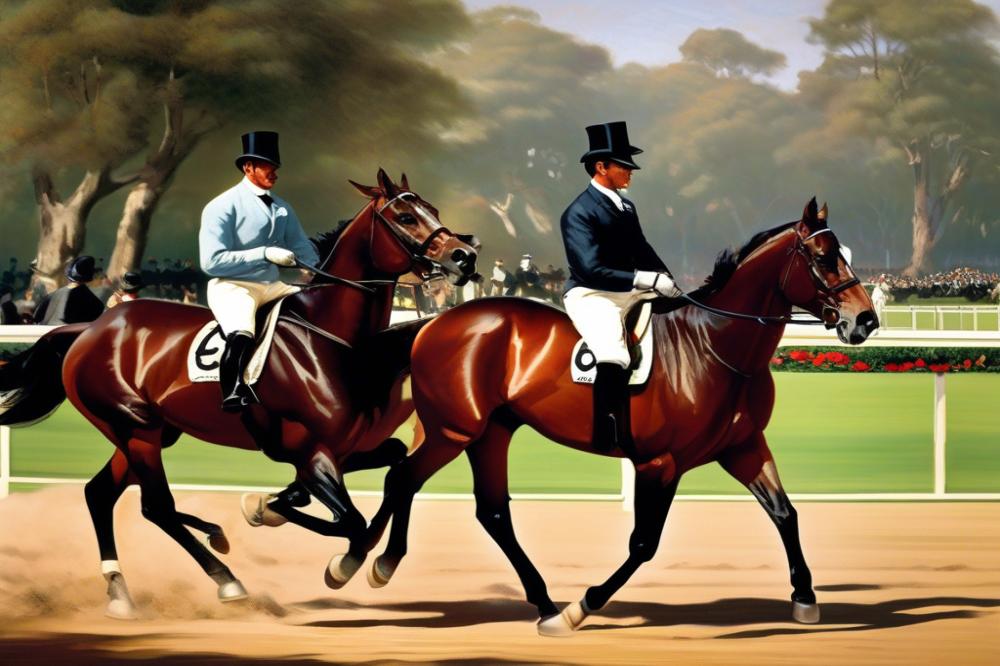
Overview of Tarcoola
In the world of horse racing, a few stories stand out as legendary. One such tale is that of a remarkable racehorse who made history in 1893 by winning the Melbourne Cup. This event is one of Australia’s most prestigious horse races, drawing excitement from fans and participants alike. This horse’s victory not only brought fame but also added to the rich tapestry of Australian racing history.
Tarcoola’s win was more than just another race; it was a moment that captured the spirit of Australian culture. People were buzzing with anticipation as the day approached. Horses are a significant part of this nation’s identity, and a triumph in such a high-profile event highlighted their importance in society. It’s interesting to think about how this race compares to other famous competitions, like those between the Arabian vs quarter horse.
As we reflect on Tarcoola’s achievements, it’s essential to appreciate how each horse adds to the sport’s legacy. Many fans remember other champions as well, like Big Jake the Horse. Each has their own unique stories that contribute to the excitement of racing.
This particular victory helped shape the future of the Melbourne Cup. It sparked interest that would grow for years to come. Tarcoola’s legacy lives on, reminding us that behind every racehorse is a narrative waiting to inspire generations. The story of this horse remains a vital chapter in Australia’s horse racing saga.
Tarcoola: History and Origin
Tarcoola was a remarkable racehorse with a lineage that caught the attention of horse racing enthusiasts. Born in 1888, he came from a notable line of thoroughbreds. The horse’s sire was a strong performer, passing down much of his athleticism. His dam also had a solid pedigree, which helped shape Tarcoola’s potential on the racetrack.
This champion horse was bred in Australia, specifically at a renowned estate in Victoria. The location boasted a rich history of horse breeding, making it an ideal spot for producing champions. Local conditions likely contributed to his development, as the area’s climate and terrain benefited young horses. Strong breeding practices were key to creating such a fine animal.
Many traits stood out when people talked about Tarcoola. Athleticism was certainly one of his most defining qualities. He had a powerful build, which aided his speed and stamina. Intelligence and a keen sense of competition also played roles in his success in racing. Observers noted his calm demeanor before races, which may have played a part in his impressive performances.
Fans of horse racing admired not just his physical attributes, but also his will to win. This determination was evident during his Melbourne Cup victory. Each race brought out a spirited competitor, making every moment thrilling for spectators. Overall, his unique blend of characteristics made him a horse worth remembering.
Tarcoola’s Melbourne Cup Australia Victory
Description of the 1893 Melbourne Cup race
The 1893 Melbourne Cup was a remarkable event. Held on the first Tuesday in November, it drew a large crowd of excited fans. Horses raced over a distance of two miles, challenging their speed and stamina. The atmosphere buzzed with anticipation as the crowd cheered for their favorites. Everyone wanted to see which horse would take home the coveted trophy. It was a tough competition. Jockeys urged their steeds forward, each trying to gain the lead. In the final stretch, the excitement reached its peak. With determination, the leading horses battled it out. Ultimately, Tarcoola triumphed, securing victory.
Training background and strategies employed
Training for the Melbourne Cup was no easy feat. Preparation began months in advance. Various strategies focused on building strength and endurance. Daily workouts consisted of long gallops, which were crucial. Trainers monitored the horse’s diet closely, ensuring proper nutrition. Specific workouts often took place on different terrains. This approach helped the horse adapt to varying conditions. The training routine aimed to prepare Tarcoola for the grueling race ahead. Consistency in practice built confidence in both the horse and rider.
Role of Tarcoola’s trainer and his contributions to the horse’s success
Tarcoola’s trainer played a vital role in his success. This experienced individual understood the nuances of training. He developed a strong bond with the horse, which was essential. Regular communication with the jockey ensured they were on the same page. The trainer detailed strategies for both practice and race day. His keen interest in Tarcoola’s well-being showed his dedication. Adjustments were made when needed, reflecting flexibility in training methods. Such thoughtful guidance ultimately helped the horse shine on race day. It was a true partnership built on trust and respect.
Legacy and Family of Tarcoola
The victory in the Melbourne Cup in 1893 left a strong legacy for this remarkable horse. Family connections also played a part in maintaining this legacy. Descendants of the winning horse made their mark in the racing world. They followed in his footsteps, showcasing the same qualities that led to his famous win.
Connections to Other Famous Racehorses
In the years following the big win, offspring became linked to other well-known racers. Lineages often weave through race history. Several descendants had noteworthy careers on the track, carrying the essence of their ancestor forward. Those connections create a rich tapestry within thoroughbred racing.
Notable Offspring and Their Achievements
Achievements of the foals are impressive. Many followed their father’s legacy, claiming titles and receiving accolades. Some excelled in various prestigious events. Each victory added to the pride of the family history. Racing fans often discuss how genetics play a role. It’s fascinating to see how traits pass through generations.
Tarcoola’s Impact on Thoroughbred Racing and Future Generations
The influence extended beyond his descendants. This horse helped shape the direction of thoroughbred racing. With each new generation, the racing community saw improvements in speed and endurance. It raises questions around the health of horses, like do wild horses have hoof issues? These ongoing discussions continue to impact breeding practices.
Training techniques evolved, influenced by the legacy of great horses. Observing horse ear signals offers insights into their well-being and performance. Trainers adopted new strategies that focused on the unique strengths of each horse. This adaptive approach has strengthened the bloodlines. As a final note, every horse tells a story of its own, adding to the rich history of racing. #anchor_text_5# is a testament to the ongoing fascination with these beautiful creatures.

