
Introduction
When discussing the history of horse racing in Australia, it’s hard not to mention a certain remarkable racehorse known for its impressive victory. This horse captured the hearts of many with a significant achievement: winning the Melbourne Cup in 1894. That event has become a key moment in Australian racing lore.
Victories in races shape not only a horse’s legacy but also influence the sport itself. Capturing the Melbourne Cup, which is often dubbed the “race that stops a nation,” demonstrates just how important this win was for the racing community back in the day. Fans and owners alike celebrated this triumph, marking it as a turning point in horse racing.
The 1894 race showcased the competition between different breeds and highlighted the strengths of both Arabian vs thoroughbred. Such contests shine a light on the unique qualities each horse brings to the track. While many aspire to win, only a few reach the pinnacle, especially in such an esteemed competition.
The Melbourne Cup stands as one of Australia’s most significant races. For context, one can think of it as the equivalent of the biggest horse race in the USA. The prestige surrounding this event attracts horse lovers, trainers, and spectators from all over. Winning this race is a dream for many, and it’s easy to see why. Not only does it symbolize racing excellence, but it also links generations of enthusiasts and reinforces the sport’s cultural importance.
History and Origin of Patron
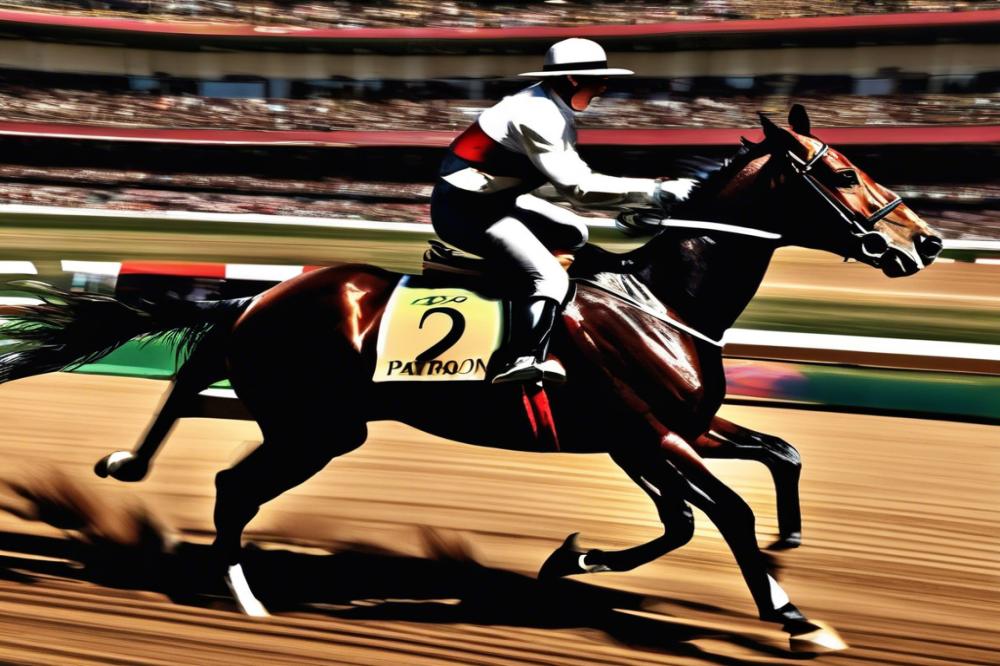
Patron was a racehorse that made a significant mark in Australian history. Born in 1890, he came from a distinctive breeding background. His sire was the famous horse, St. Leger. St. Leger won several important races in England, which gave Patron a strong pedigree. His dam, Queen Bess, also had a good racing record, making him a promising foal from the very start.
The lineage of Patron included many notable ancestors. Several of his relatives were top contenders at major races in both Australia and England. His bloodline connected him to champions like Bend Or, well-known for winning several prestigious events. This rich history set high expectations for him as a racehorse.
Patron’s early years were spent in the lush pastures of Victoria, Australia. Trainers at the time focused on developing horses with speed and stamina. During these formative years, he learned the basics of racing and training. Local trainers encouraged a mix of gentle handling and tough workouts. This balance helped shape his abilities. As a young horse, he showed promise. Early signs of talent hinted he might be a future star on the racetrack.
His training environment was significant for his growth. Being around other talented horses helped push him to do his best. Regular training sessions took place on varied terrains, which built his strength. Over time, he strengthened his muscles while developing a competitive spirit. With all this preparation, it was clear that he was ready to take on challenges, including the prestigious Melbourne Cup.
Trainer and Training
The trainer of Patron in 1894 was a man named James Scobie. He had a long career in horse racing and was known for his skill and dedication. With many years of experience, Scobie trained several successful horses before this particular race. His methods and personal style set him apart from other trainers of his time. The training ground was a key part of his success. Riding and nurturing the horses meant everything to Scobie.
Training methods with Patron were quite traditional. Morning workouts were crucial. Scobie focused on building strength and endurance in his horses. He had a keen eye for spotting a horse’s potential. Scobie combined exercise routines with careful nutrition to keep the horses healthy and strong. This attention to detail helped prepare Patron for the big day. No stone was left unturned in the quest for victory.
Scobie’s bond with Patron was special. Both shared a deep trust. This relationship played a vital role in training sessions. Key moments included when Scobie recognized the horse’s talent early on. He pushed Patron but also knew when to rest him. That delicate balance made all the difference. The moments leading up to the Melbourne Cup were filled with excitement and focus.
Melbourne Cup Australia and Legacy
The 1894 Melbourne Cup witnessed a thrilling performance that remains memorable to this day. Many viewed the race as a defining moment in Australia’s horse racing history. The event attracted top contenders from various regions, making victory quite the challenge. This race was no easy task. The competition was fierce, as many horses had trained extensively for this prestigious event.
On that day, the weather played a part. A slight drizzle added a layer of difficulty as horses traversed the track. Runners faced not just the terrain but also each other’s speed and agility. Despite these circumstances, the standout horse maneuvered adeptly, showcasing remarkable skill. The finish was close, keeping spectators on the edge of their seats.
Considering the legacy that followed, the impact became apparent quickly. Many horse breeders began to study the winning horse’s lineage. Their aim was to replicate that success in future generations. It’s fascinating how one victory influenced breeding practices for years to come. The techniques developed during this time ultimately shaped modern training methods in horse racing.
Fans of the sport still celebrate the achievements of that memorable race. Some look at breed characteristics like horse ear signs to determine potential racing talent. Others ponder unique questions, such as, do wild horses have hoof problems? This reflects the ongoing curiosity about horse behavior and health. In a broader context, the remarkable performance and its legacy continue to inspire future races, ensuring that the sport thrives.
In summary, the 1894 Melbourne Cup not only highlighted a remarkable horse but also laid foundation stones for future equine excellence. The race became a benchmark, influencing countless events and leaving an indelible mark on racing culture in Australia. Every participant that day contributed to a rich narrative that endures in the sport today.

