
The Importance of Proper Timing in horse training Corrections
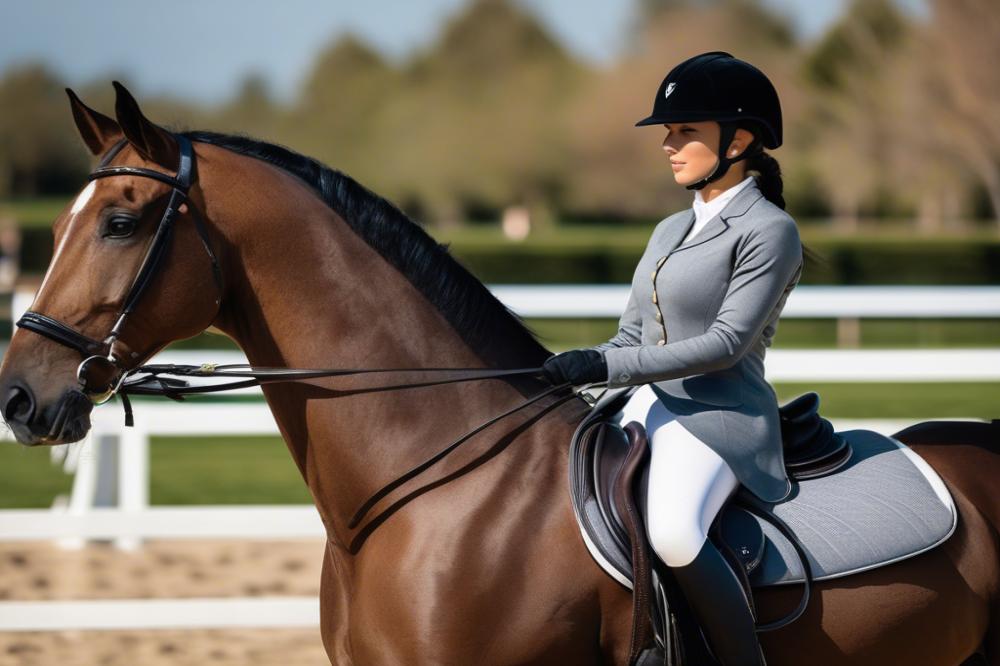
Training horses is a fundamental aspect of managing these magnificent animals. A methodical approach can enhance their skills, behavior, and overall performance. Trainers focus on various techniques, aiming to build a solid rapport with their horses. Understanding the nuances of equine behavior is essential for success in this field.
When it comes to making corrections during sessions, timing holds immense importance. Immediate feedback helps horses connect actions with consequences. If a rider waits too long to correct a behavior, the message can become unclear. This confusion may lead to frustration for both horse and trainer. The animal might not associate the correction with its specific action from moments before.
Effective timing not only influences behavior but also shapes learning. A horse that receives prompt correction learns faster. Inconsistent timing can hinder progress and create uncertainty. Riders need to be aware of their timing during every interaction. Building a strong foundation relies heavily on how well trainers address mistakes and successes.
In sum, proper timing in training corrections plays a vital role in achieving desired outcomes. Horses thrive on clarity, and timely responses provide that. A keen understanding of this concept can transform training sessions and foster deeper connections between horse and rider.
Understanding Timing in Training
Timing in training refers to the moments when responses and corrections are made. This aspect is crucial for effective communication with a horse. When trainers understand timing, they can guide the animal better. Correct timing helps the horse quickly grasp what is required of it.
Many people don’t realize how powerful timing can be in managing behavior. When a horse makes a mistake, a trainer must address it right away for it to connect the action with the correction. If delays occur, the horse might not understand why it is being corrected. Moreover, swift feedback can prevent repeated errors and foster better habits.
The learning process hinges significantly on the timing of both rewards and corrections. Immediate rewards create positive associations, making the horse eager to repeat the desired behavior. Similarly, promptly correcting undesired actions helps the horse recognize mistakes. This clarity fosters a stronger bond between the trainer and horse as they work together.
A trainer’s ability to make corrections at the right moment reinforces good behavior. It creates an environment where the horse feels secure and knows what is expected. Repetitive mismatched timing might confuse the animal, leading to frustration for both parties. Effective training relies on a clear understanding of this critical aspect, which enhances the overall experience for both the horse and the handler.
Types of Corrections in horse training
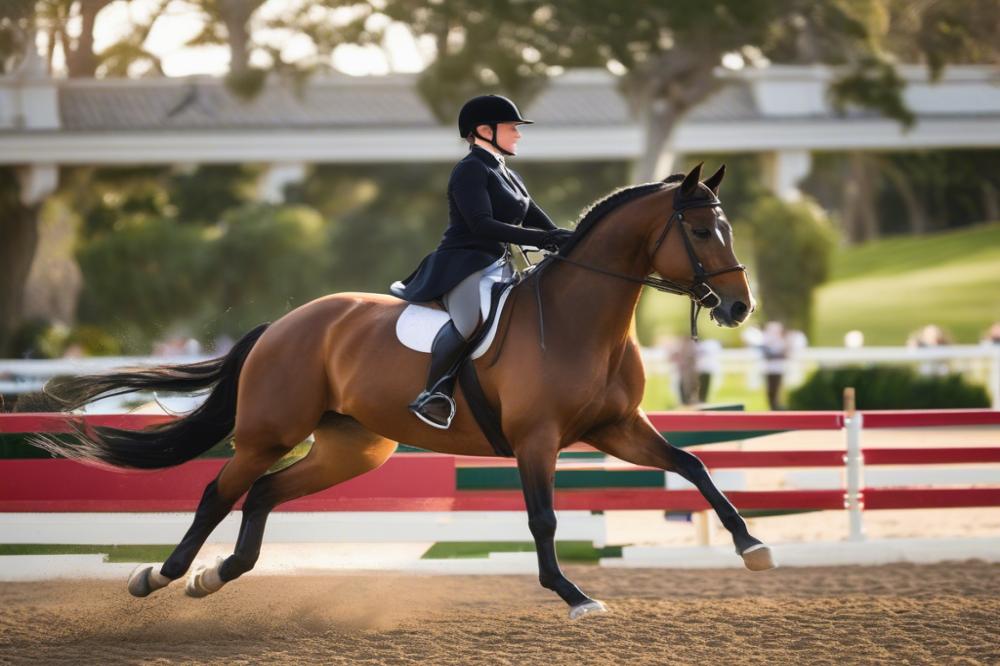
Training a horse involves various corrective measures. Different methods can help shape a horse’s behavior. Understanding these techniques is essential for effective training. Each form of correction can have a significant impact.
Positive Reinforcement versus Negative Correction
Positive reinforcement is a valuable tool in training. This approach rewards the horse for desired behaviors. Treats, praise, or pats can help reinforce good actions. Horses learn quickly when they receive rewards for what they do right.
On the other hand, negative correction focuses on discouraging unwanted behaviors. This method can involve various techniques, like withholding rewards or applying pressure. These actions should be done carefully. It’s important not to frighten the horse or cause confusion.
Choose the Right Technique Based on Timing and Context
Timing plays a crucial role in any correction method. A misplaced correction can lead to misunderstandings. Reacting instantly helps the horse connect the behavior with the result. Immediate feedback is more effective than delayed responses.
Context also matters greatly in choosing corrective measures. Understanding the situation helps trainers decide the best approach. What works in one scenario might backfire in another. Being aware of the horse’s mood and environment can guide the correction process.
The right technique, applied at the right moment, can boost learning. Successful trainers often adapt their strategies according to specific situations. Horses need consistency, but they also benefit from varied techniques. Awareness of timing and context enhances the overall training experience.
The Impact of Rider Influence
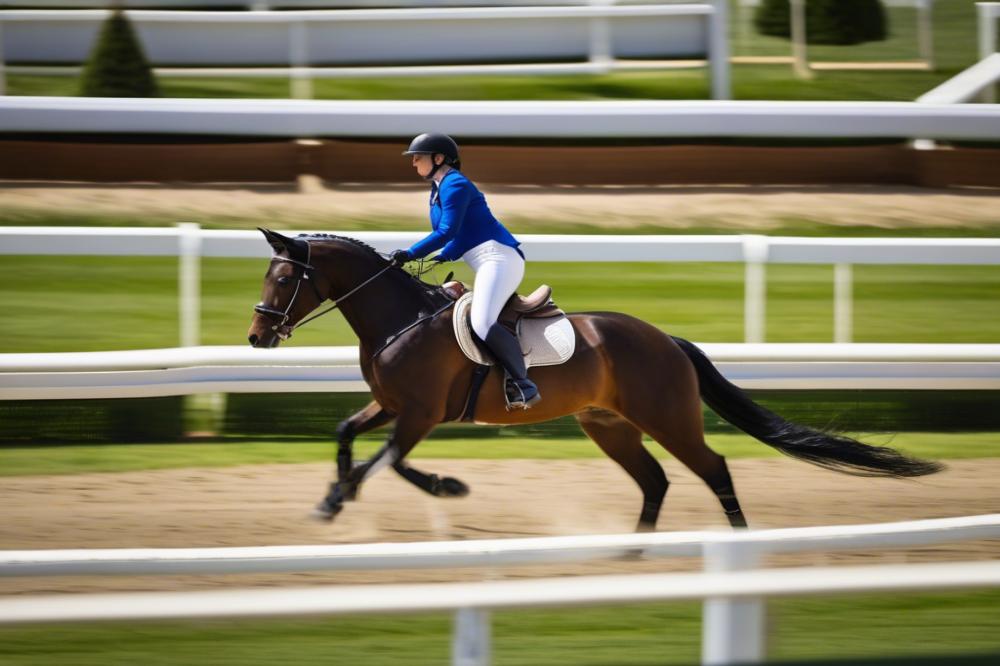
A rider’s timing can dramatically shape a horse’s behavior and overall training outcomes. When a rider gives cues at the right moment, the horse is more likely to understand what is being asked. Improper timing, on the other hand, can cause confusion and frustration. Horses are sensitive animals and they pick up on signals quickly. If a rider delays after a cue, the horse might not respond correctly.
Effective communication is essential in horse training. Every action taken by a rider sends a message to the horse. For example, asking for a transition while the horse is distracted leads to misunderstandings. Clear, timely cues create a more effective learning environment. When both horse and rider are synchronized, learning becomes smoother and more enjoyable.
Common rider errors in timing can have lasting consequences. If a rider pulls on the reins just after a horse misbehaves, that can reinforce the wrong behavior instead of correcting it. A horse may start to associate the cue with discomfort rather than improvement. Another typical mistake occurs when a rider is inconsistent in their timing. This confusion can lead to a horse becoming anxious or resistant to training.
Proper timing is not just about correcting mistakes; it’s also about building trust. Riders should strive to be patient and understanding. Mistakes will happen, and that’s part of learning. By being aware of timing, riders can nurture a positive relationship with their horse. This bond is crucial for effective training and mutual respect.
Strategies for Effective Timing in Corrections
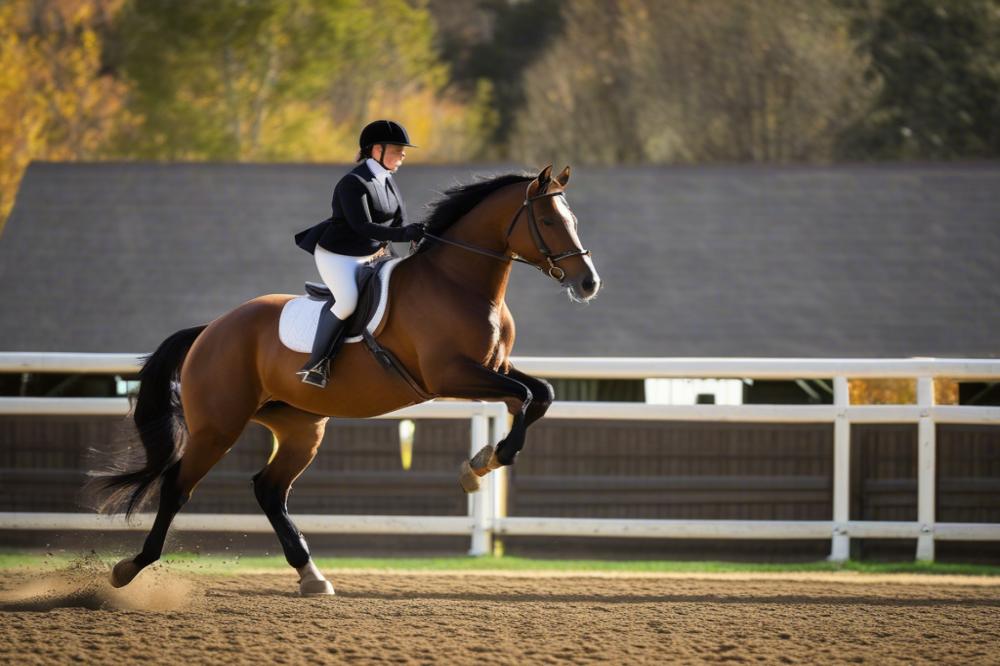
Improving timing during equine training is vital for success. Many trainers struggle with correcting behaviors at the right moment. Adjustments need to be immediate to help the horse associate actions with consequences. Here are some methods to refine your timing skills.
Observation and Awareness
A keen eye can make a significant difference. Observing your horse closely helps you spot behaviors that need correction quickly. Understanding your horse’s body language is crucial. This skill aids you in predicting actions before they happen, allowing you to react swiftly.
Pay attention to subtle signals. Sometimes, a slight change in stance can indicate a horse’s intention. By staying alert, you create a more responsive training environment. Maintaining focus will enhance your ability to administer corrections effectively.
Incorporating Positive Reinforcement
Using positive reinforcement can strengthen desired behaviors. Timing plays a crucial role in this process as well. When you reward a horse immediately after a correct action, it leads to better learning. Positive feedback encourages the horse to repeat good behavior.
Consider timing your rewards with precision. A quick pat or a treat immediately follows the correct action. This reinforces the connection between the behavior and the reward. Consistency is key to ensuring your horse understands what behavior is being rewarded.
Don’t forget to vary your rewards. Sometimes, a simple verbal praise works wonders. Other times, a special treat could be more motivating. Tailoring your rewards to the moment can inspire enthusiasm and eagerness during training sessions.
Case Studies and Real-Life Examples
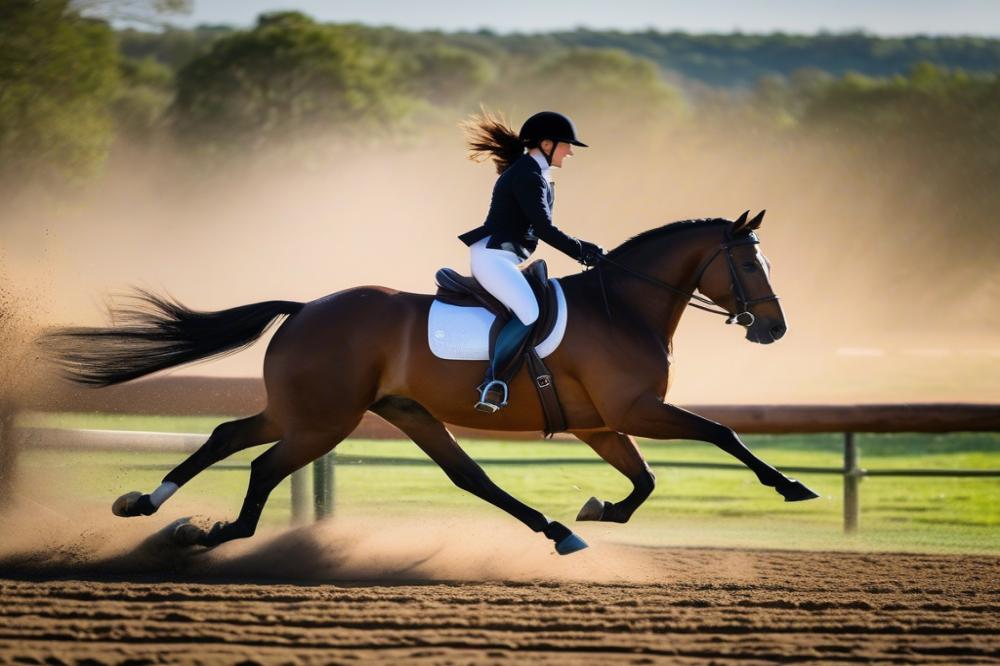
Successful training often hinges on proper timing with corrections. Horses can react differently based on when they receive feedback. For example, if a trainer corrects a horse mid-gallop, the animal may not understand the message. Such moments underline the significance of timely reactions. A subtle touch or shift in position can reinforce desired behaviors. In contrast, delays in corrections may lead to confusion.
Trainers frequently recount lessons learned from their mistakes. One common failure arises from addressing issues too late. A horse might perform well but suddenly spook. If the correction comes moments after the incident, the lesson is lost. The delay can cause distrust between horse and rider. Consistent timing, like a well-rehearsed dance, forms a solid bond. This connection fosters growth and understanding.
Best Practices
Educational resources often highlight keen observation. Experienced trainers suggest maintaining awareness of the horse’s actions. When issues arise, swift and clear corrections help guide the animal back on track. Practicing these interventions builds a solid foundation. Trainers should aim for precision in their responses.
Positive reinforcement also thrives on timing. A well-timed reward can strengthen good behavior. Horses tend to respond better when they see immediate results. This practice helps create a routine the animal can understand. Over time, the horse learns what is expected and reacts accordingly.
Patience plays a vital role too. Recognizing when a horse struggles allows for thoughtful adjustments. Trainers who talk with their horses foster an environment of trust. Every interaction can serve as a learning moment if done at the right time. Creating a supportive atmosphere benefits both horse and rider.
Final Thoughts on Timing in Training Corrections
Recapping the significance of proper timing in corrections reveals its critical role in effective equine training. Achieving the desired response from a horse often hinges on when a trainer chooses to speak up or intervene. When corrections are applied swiftly, the horse connects the action with the command, allowing learning to unfold seamlessly. Timing greatly influences behavior management, impacting how horses respond to cues and instructions.
Effective timing enhances training techniques in several ways. A well-timed cue can create clarity, reinforcing the desired behaviors while discouraging mistakes. Horses thrive on consistency, and knowing what to expect helps them feel secure. Train with a keen sense of timing, and the results will reflect that effort.
Encouraging trainers to prioritize their timing is essential for fostering trust and understanding between horse and handler. Improvement comes from observing the interaction and adjusting actions based on the horse’s responses. Think of timing as a bridge that connects the trainer’s intentions to the horse’s understanding. Create stronger bonds and better outcomes by honing this skill. In the world of equine training, patience combined with proper timing can transform the learning experience for both horse and trainer.

