
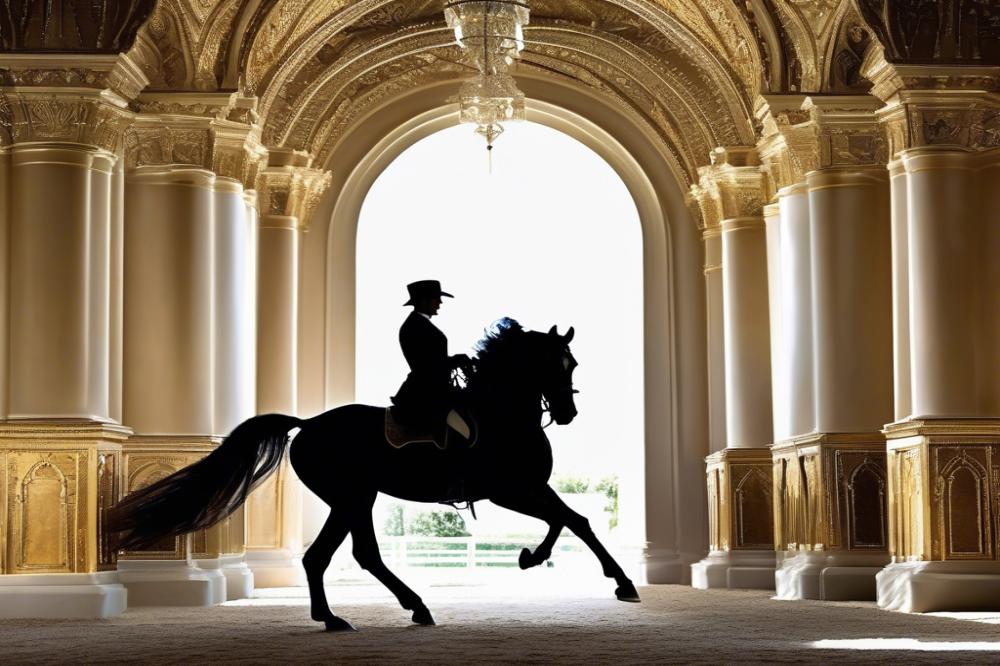
The Art of Riding Friesians in a Show Setting
Overview of Friesian horses and Their Significance in equestrian competition
Friesian horses have long captivated the hearts of equestrians and spectators alike. Their elegant stature and powerful movement set them apart in the realm of competitive riding. Originating from the Friesland region of the Netherlands, this breed has a rich history dating back to the Middle Ages. At competitions, they shine not only due to their striking black coats but also because of their remarkable presence. Every detail, from their flowing manes to their strong frames, contributes to their allure in the arena.
In equestrian competitions, Friesians are often seen in dressage and driving events. They excel in these disciplines by showcasing both beauty and precision. Judges look for harmony between horse and rider, an essential component of successful show riding. Everyone understands that a well-trained Friesian can dominate the competition, but achieving this level of performance requires dedication and skill.
Importance of Mastering riding techniques for Show Performance
Riding a Friesian is not merely about maintaining control; it demands sharp techniques and profound understanding. Mastering the nuances of riding these horses can make a significant difference in how they perform. Successful riders build a strong connection with their mounts, fostering trust and communication. This bond is crucial during the pressure of competition.
Preparation for a show goes beyond practice; it involves strategic planning and focus. Riders must pay attention to their posture and movements. Every small detail counts, from the way they hold the reins to how they direct their horse’s energy. Competitors strive for flawless execution of maneuvers, and hitting these marks is vital for high scores.
Emphasizing technique also means learning how to handle unexpected challenges in the show ring. A sudden noise or movement can unsettle even the most seasoned horse. Thus, it is essential to remain calm and responsive while navigating these situations. The ability to adapt instantly can help avoid costly mistakes. With perseverance and practice, both horse and rider can reach impressive heights in the equestrian world.
Understanding Friesian Horses
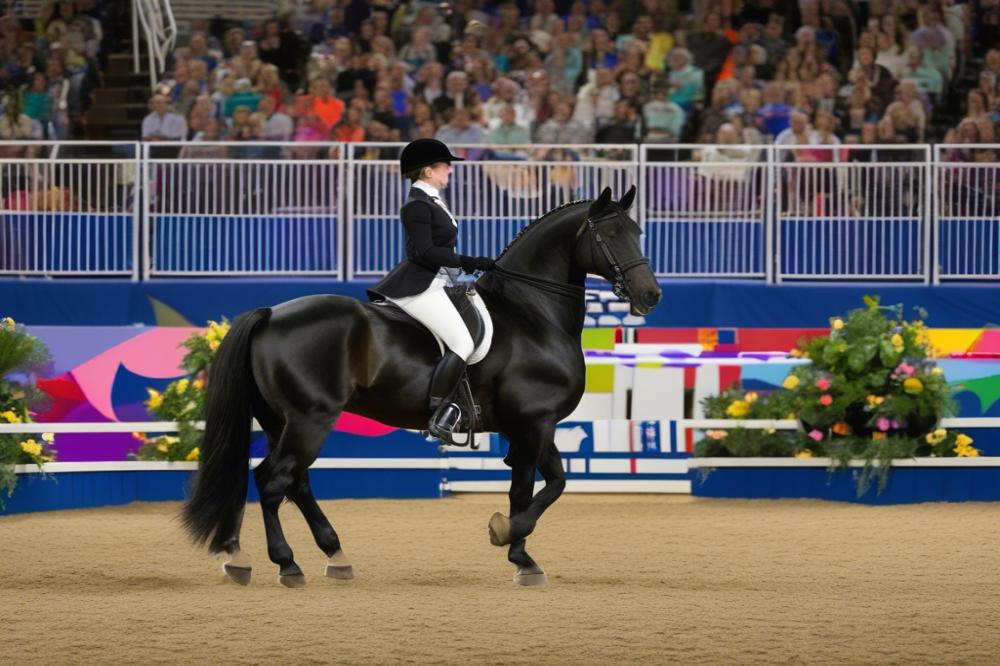
The Friesian breed boasts stunning physical characteristics. With their tall, powerful frames and striking black coats, they always stand out in a crowd. In addition to their beauty, these horses possess feathers on their lower legs, giving them an elegant appearance. Many riders fall in love with their flowing manes and tails, which add to their majestic presence.
Temperament plays an important role in how Friesians perform in show settings. Generally, they are known for their calm demeanor and intelligence. These traits make them attentive to their rider’s cues. However, it is vital to remember that they can be quite sensitive. Sudden movements or loud noises may startle them. Creating a quiet environment often helps them focus better during competitions.
Building a connection with the horse is fundamental for success in shows. A strong bond can enhance communication during rides. Riders who take time to understand their horse’s personality will likely see improved performance. Mutual trust allows for a more harmonious partnership in high-pressure situations. It’s essential to work on this relationship outside of the competition ring, too. Spending time grooming and handling them can strengthen this vital connection.
A few common behaviors can surface in show settings. Some Friesians may show excitement or nervous energy when entering the arena. Riders should be aware of this and prepare for it. Taking a few deep breaths can help both horse and rider calm down before entering. Consistent training can also contribute to a more composed state during shows.
In summary, understanding the characteristics and temperament of this majestic breed is crucial for any rider. Taking the time to build a bond with the horse pays off in many ways. When both horse and rider work together in harmony, the experience becomes rewarding for everyone involved.
Grooming for Show
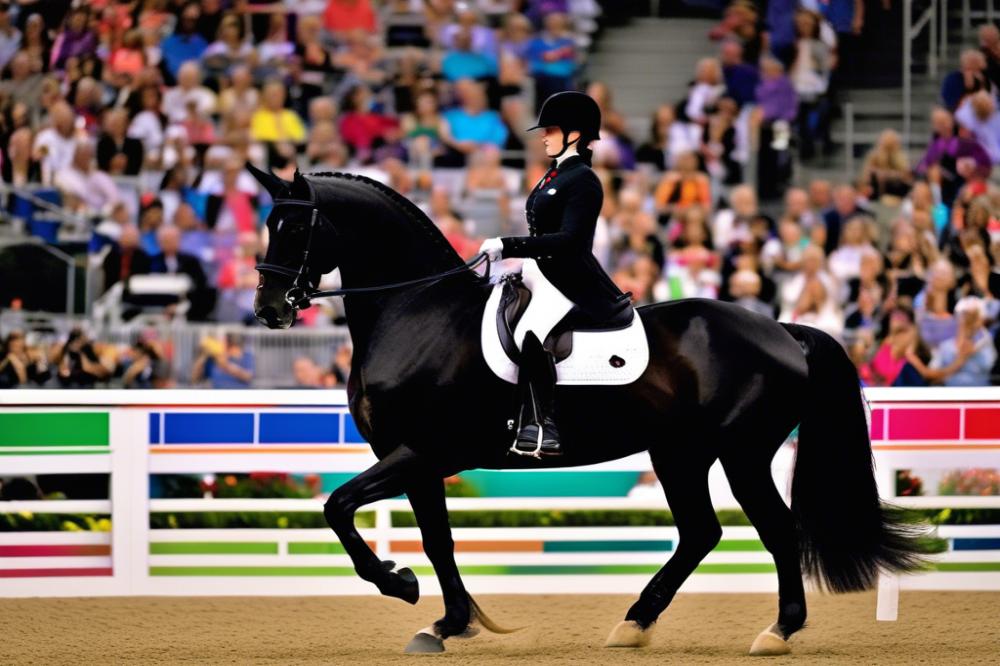
Preparing Friesians for competition involves more than just showing up. It requires consistent grooming practices that highlight their natural beauty and grace. Regular brushing helps remove dirt and loose hair. A soft-bristled brush is ideal for sensitive skin.
Maintaining a healthy coat is crucial. Bathing with a mild shampoo can keep the coat shiny and free from debris. Rinse thoroughly to avoid any residue that might irritate the skin. After bathing, it’s recommended to use a conditioner specifically designed for horses. This step ensures the mane and tail remain smooth and manageable.
Technique plays a significant role in mane maintenance. Braiding the mane can not only prevent tangling but also prepare it for show. Using proper braiding techniques gives an elegant appearance. Additionally, applying a light detangler can minimize frizz and enhance shine.
Presentation Tips for Showcasing Friesians’ Beauty
When entering the ring, first impressions are vital. Keeping the horse clean and well-groomed is only part of the equation. Positioning can highlight their strong build and unique features. Walking confidently can capture the attention of judges and spectators alike.
Accessorizing can set a Friesian apart from the competition. Consider using a simple, elegant halter that complements their coat color. Avoid overly elaborate gear, as simplicity often shines in the show ring. A clean, polished look is more appealing than busy embellishments.
Watch for the overall presentation. A neat tail, well-maintained hooves, and a groomed mane reflect care and dedication. Regular hoof care is vital, too. Clean and trimmed hooves not only look better, but they also promote soundness during competition.
Every detail counts in showcasing these magnificent horses. Be mindful of their demeanor during the showing process. A calm and collected horse will certainly stand out against a backdrop of excitement. Maintaining a steady pace and a composed attitude can make the experience enjoyable for both horse and rider.
Training Techniques for Performance
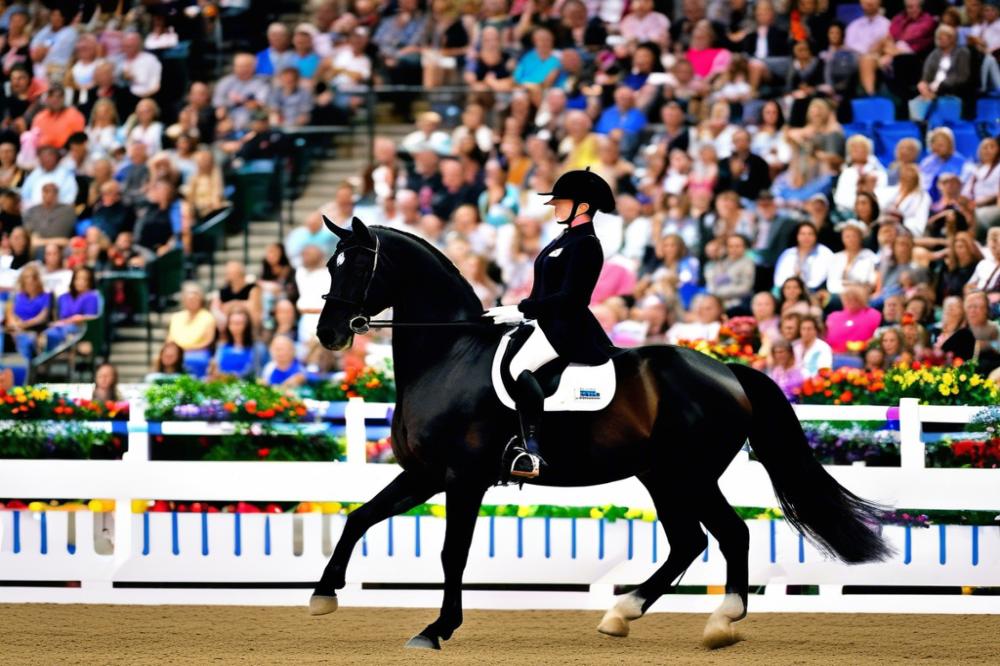
Effective training methods for Friesians in dressage
Training Friesian horses for dressage requires thoughtful methods that focus on their strengths and characteristics. Building trust between horse and rider is essential. Exercises that enhance flexibility and balance are crucial. One effective technique involves using systematic repetition. Riders should incorporate various movements that challenge the horse without overwhelming it. This creates a familiar pattern that the animal can learn and respond to effectively. Recognizing the horse’s natural gait also helps in adjusting the training sessions to be more productive.
Incorporating ground work into preparation
Groundwork plays a vital role in preparing a Friesian for performance. Engaging in groundwork helps establish respect and understanding. Exercises like lunging build stamina and focus before even mounting the horse. Patience is key during these moments. Handling the horse on the ground sets the tone for safety and cooperation. A rider can teach the horse to respond to cues effectively. This practice fosters a connection that transcends the saddle, promoting better responsiveness during performances.
Developing a strong foundation for showmanship
Showmanship often starts with the basics of training. Establishing a solid foundation is critical for success. Riders must focus on developing good manners and behavior first. Setting clear expectations can aid in creating a relaxed atmosphere for both horse and rider. Gradually introducing show concepts will help prepare the horse for the environment of a competition. Exposure to various stimuli will enhance the horse’s adaptability. Riders should also practice transitions between movements to showcase versatility. Each component of training contributes to the overall performance during shows, making it imperative to focus on the details.
Riding Style and Techniques
Specific riding styles suited for Friesians in a show setting
Riding a Friesian requires a particular style that highlights their beauty and strength. Many riders prefer an English riding style due to the elegance it brings to the performance. This style complements the Friesian’s natural grace. Long reins help demonstrate the horse’s free motion while keeping the rider connected. A slight forward position can enhance the horse’s flowing movement.
Some riders favor western riding techniques. This style emphasizes control and relaxed communication. It often allows the horse to shine in a different way. In either style, maintaining an upright posture is crucial. Good posture enables better balance, ensuring that each movement is precise during a performance.
Adjusting riding techniques to match the horse’s movement and gait
Every Friesian has its own way of moving. Understanding these unique gaits is essential for any rider. Walk, trot, and canter need tailored techniques to highlight a horse’s strengths. For instance, during the trot, riders should sit deep in the saddle to absorb the motion. This method helps maintain stability and control.
Transitions between gaits require smooth cues. Gentle leg pressure can signal a change without jarring the horse. Timing is everything; the rider should feel the rhythm and make adjustments accordingly. The goal is to appear as a harmonious partnership, not a series of commands.
Communicating effectively with Friesians while riding
Effective communication is key when riding. Body language plays a big part in this dialogue. Softening your seat can help convey relaxation, which encourages the horse to respond calmly. For direct commands, clear and gentle aids are best. Using your legs and hands with intent ensures the horse understands your wishes.
Developing this connection takes practice. Riders should spend time getting to know their horse outside the show ring. Trust forms when a horse feels secure. This bond often leads to better performances during competitions. Ultimately, a shared understanding helps create a flawless routine on show day.
Judging and Evaluation Criteria
Competitions involving riding can be intense. Judges play a crucial role in these events. They assess everything from the rider’s technique to the horse’s movements. Understanding what judges look for is essential for a successful show experience.
Understanding Judge Evaluation in Equestrian Competitions
Each judge has their own set of preferences. However, there are standard criteria they generally follow. The appearance of both horse and rider is often the first impression. Neatness and professionalism in attire can make a difference. Next, the judge looks at the connection between the horse and rider. A seamless partnership is vital. Timing and rhythm matter, so the flow of movements also gets close attention. Judges will pay attention to the horse’s responsiveness. Is the horse listening to its rider?
Key Performance Indicators for Friesian Horses
When it comes to evaluating a Friesian, movement plays a significant role. A powerful gait can capture the judge’s attention quickly. Judges also want to see balance and poise in each stride. Notably, the horse’s expression and demeanor provide insights into its training and temperament. Ideal performance showcases not just skill, but also grace. A good judge will therefore look for overall harmony in performance.
How to Prepare for a Successful Judging Experience
Preparation can start well before the competition day. First, practice consistently with the horse. Routine drills develop both skills and confidence. Grooming is just as important. A well-groomed horse not only looks appealing; it also reflects the dedication of the rider. On competition day, check equipment thoroughly. Ensure everything fits correctly and is in proper condition. Staying calm during the event can significantly impact performance. Riders should focus on their breathing and keep nerves in check.
Lastly, watching past competitions can be beneficial. Observing how others perform can provide insights into judging styles. Take notes on common themes in routines. Gather as much information as possible. Each of these steps contributes to a confident showing experience.
Wrapping Up the Art of Riding Friesians in Shows
Riding Friesians in an equestrian competition is a blend of artistry and skill. These horses mesmerize audiences with their grace and power. Preparation plays a crucial role in both the rider’s and the horse’s performance. Training sessions should focus on techniques that highlight the Friesian’s natural elegance, especially during dressage. Mastery of the fundamentals becomes essential when aiming for success in shows.
Consistent practice allows riders to develop a seamless connection with their mounts. Riders must strive for precision in every movement. The subtleties of communication between horse and rider can elevate a performance from good to spectacular. Understanding the individual needs of each Friesian horse is equally important; each one has its traits and quirks that require patience and empathy.
Moreover, embracing the distinct qualities of these majestic animals can enhance the overall experience of competing. Each performance is an opportunity to showcase not only the athleticism of the horse but also the bond shared through rigorous training. Riders should take pride in the journey they undertake with their Friesian, celebrating both the challenges faced and the milestones reached.
In conclusion, show riders should recognize the art of their craft and the unique beauty that Friesians bring to the arena. With dedication and passion, anyone can turn the experience of riding these remarkable horses into one of profound joy and achievement. So, take a deep breath, mount up, and let the world see the magic that unfolds when Friesians and their riders come together on stage.

