

How to balance while riding a Fjord Horse on uneven ground
The Fjord Horse is known for its sturdy build and versatility. This breed excels in various settings, making it a popular choice for trail riding. Riders appreciate their unique blend of strength and gentleness. As you explore uneven terrain, however, maintaining balance while riding becomes crucial.
uneven ground can pose challenges that require careful attention. Roots, rocks, and hills can shift under your horse’s hooves. A sudden movement might catch the rider off guard, leading to instability. Therefore, learning the right techniques is essential.
Proper riding techniques can make a significant difference. They help stabilize both horse and rider. Elements such as posture, grip, and body positioning contribute to a safe ride. When navigating rugged landscapes, each of these factors plays a vital role. With practice, riders can adapt to unpredictable surfaces and remain secure in the saddle. Emphasizing balance not only enhances the experience but also promotes safety for both horse and rider.
Understanding the Fjord Horse
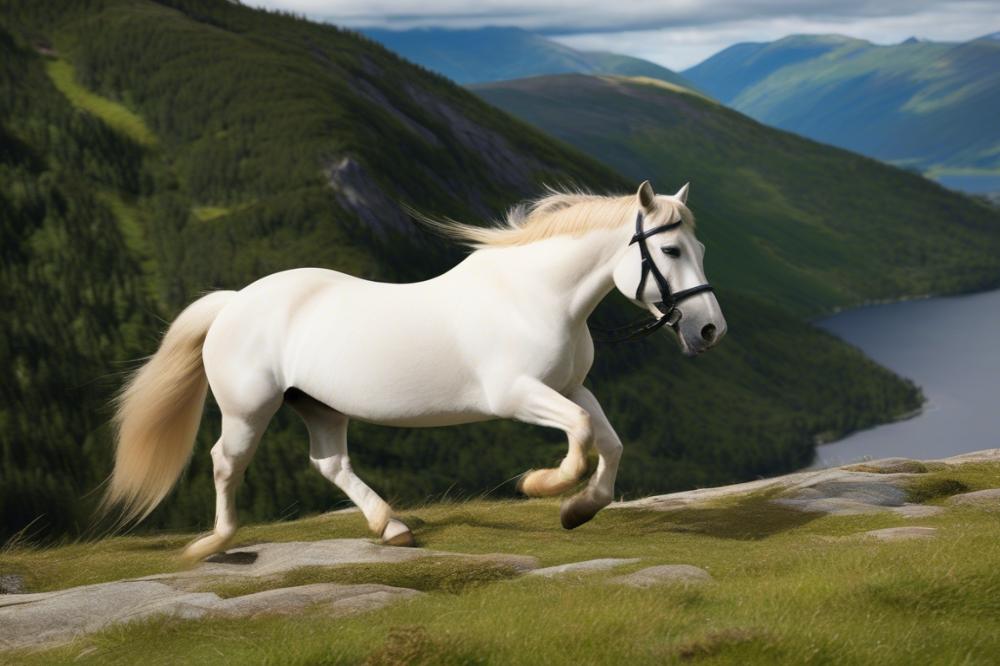
This breed stands out due to its robust physical characteristics. A short, stocky frame supports its strong muscles. Fjord Horses typically have two distinct features: a thick mane and an impressive build. Their height usually ranges from 13 to 15 hands, making them a solid companion for riders of various skill levels.
Strength is one of the breed’s defining traits. These horses can carry heavy loads while navigating rough terrain. Their powerful legs are designed for endurance, offering stability when moving over uneven ground. Agility also plays a role. A Fjord can change direction quickly and respond well to cues from the rider.
Another aspect worth noting is their natural balance skills. These horses possess a low center of gravity, which helps them stay steady even on irregular surfaces. Additionally, their surefootedness reduces the risk of falling. Riders often find that they feel secure when on board.
Adaptation to different terrains is part of this horse’s charm. From rocky hills to muddy trails, they manage to navigate various conditions with ease. Fjords are known for their resilience. They thrive in colder climates, showcasing their ability to face changing weather patterns. This adaptability makes them suitable for diverse riding environments.
The Importance of Balance in Riding
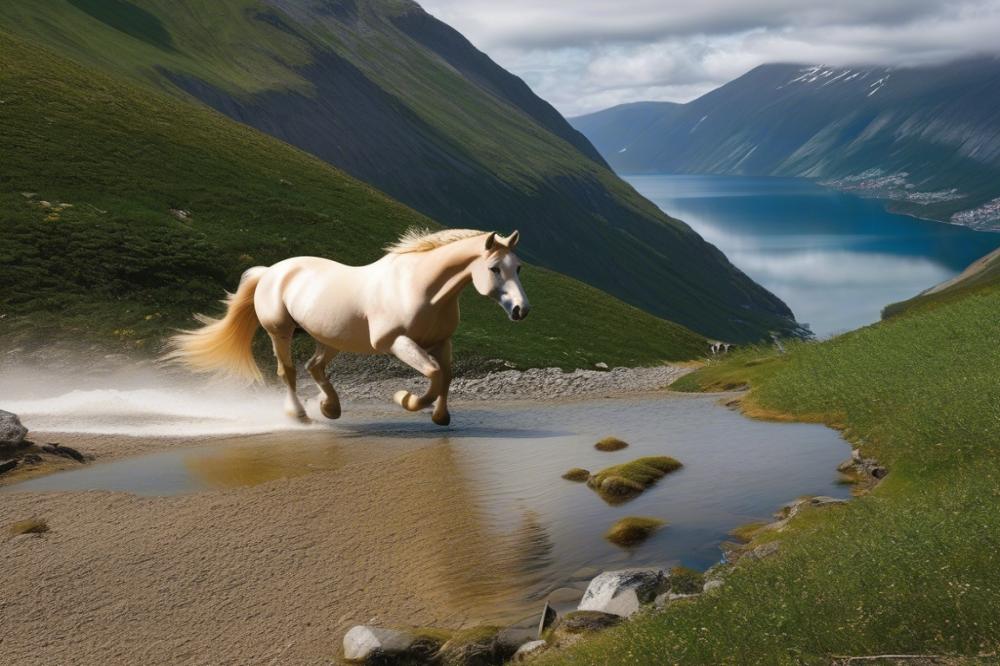
Maintaining balance is critical when riding a horse on uneven terrain. Riders often encounter bumps, dips, and rocks that can challenge their stability. This uneven ground can affect not only their riding experience but also their safety. A rider who is off-balance may inadvertently signal to the horse, leading to confusion or sudden movements.
When a rider maintains good balance, it promotes a sense of security for both the horse and the person on its back. A stable rider can better guide their horse through tough patches. Horses respond to their rider’s weight and position. A sudden shift can spook or unsettle them, putting both at risk.
Balancing techniques play a significant role in riding effectively. Positioning oneself properly in the saddle can make a world of difference. Keeping feet under the body while holding the reins lightly helps to stay centered. Additionally, using core muscles for support can greatly improve control, especially when maneuvers become tricky on uneven ground.
Responsiveness in riding is closely tied to balance. When a rider is balanced, they can react quickly to the horse’s movements. This responsiveness allows for smooth transitions and adjustments, reducing the risk of falls. Good balance fosters a strong partnership between horse and rider, creating a more enjoyable experience outdoors.
Body Positioning for Stability
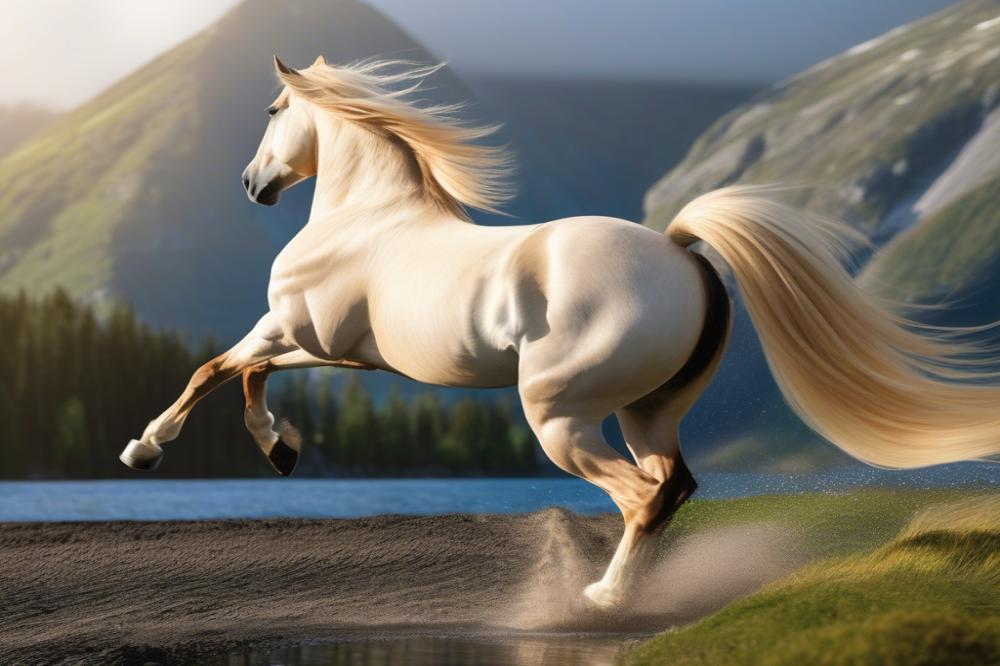
Proper body positioning while riding is crucial for maintaining balance, especially on uneven ground. Focus on aligning your body correctly from head to toe. This alignment plays a key role in how well you manage your horse’s movements.
The head should stay up, looking forward. Keep your eyes focused on where you want to go. A forward gaze helps prepare you for any obstacles ahead. Your shoulders need to be relaxed but aligned with your hips.
Hips should sit directly above your heels. This alignment distributes your weight evenly, allowing for better stability. Keeping your hips open will help absorb the horse’s movements, making it easier to adjust to changes in terrain.
Your legs play an important role, too. They should be wrapped gently around the horse, pressing down with your calves. Flexibility in your knees can help as well, bending them slightly to absorb the motion without losing balance.
When the ground is uneven, maintain a light seat in the saddle. This lightness allows your body to move with the horse rather than against it. Use your core to support your upper body. A strong core can minimize the strain on your back as the horse shifts beneath you.
Moreover, engage your lower back to help stabilize your position. A strong lower back paired with a relaxed upper body creates a solid balance. Shift your weight forward or backward based on the horse’s movements, responding quickly to changes in the terrain.
Consider the use of your arms as well. Keep them slightly bent and relaxed at your sides. This position can help you stay connected to the horse. When your arms are too stiff, you may hinder your ability to react and adjust.
Attention to your entire posture is critical. Every small adjustment contributes to your overall balance. As you become more aware of your body positioning, riding will become smoother, even on the most challenging surfaces.
Effective riding techniques
Riding on uneven ground presents a challenge, but there are ways to maintain balance. Core strength becomes vital in these situations. Your core muscles help stabilize your body, making it easier to stay upright. Engaging these muscles allows for better control during any movement.
Grip also plays an important part in riding. A firm but relaxed grip on the saddle helps absorb shocks. This can prove especially beneficial when facing bumps or dips in the terrain. Keeping your legs snug against the sides provides additional support and connection.
Utilizing rein and leg aids effectively can make a significant difference. For instance, gentle pressure from your legs can signal the horse to move forward or change pace. On the other hand, the reins can communicate changes in direction or speed. Coordination between your legs and hands helps create a harmonious experience.
Maintaining a balanced position is essential. Keep your body aligned with the horse’s movements. When the terrain is uneven, shift your weight accordingly. Leaning slightly into the hill or away from a decline can foster better control.
Remember, riding does not mean stiffening your body. Flexibility allows you to adjust to the motion underneath you. When the horse steps onto uneven surfaces, respond with subtle shifts of your weight. This coordination helps keep you both moving smoothly over rugged ground.
Staying focused on your surroundings is just as crucial. Watch for changes in the terrain ahead, such as rocks or holes. Preparing for these changes enables you to adjust your balance in advance. This awareness, combined with a strong core and effective communication, can lead to a safer ride.
Practice remains key when mastering these techniques. Regular riding sessions will enhance your confidence. Over time, you will develop an intuitive feel for what works best on challenging surfaces. As you gain experience, navigating uneven ground will become a more fluid process, ensuring a rewarding time in the saddle.
Balance Exercises for Riders
Improving balance while riding can make a significant difference on uneven terrain. Here are some exercises for both on-horse and off-horse practice.
Off-Horse Exercises
Starting with core strength is essential for stability. Plank holds are simple but effective. They build the muscles you need for support. Try holding a plank for 30 seconds and gradually increase the time.
Another great exercise is the bridge. Lie on your back, knees bent, feet flat on the ground. Lift your hips until your body forms a straight line from shoulders to knees. Hold for a few seconds and lower down. Repeat this several times.
Yoga can also enhance balance. Poses like Tree Pose or Warrior III challenge stability. Both require focus and strength. Incorporate these into your weekly routine for better results.
Mounted Exercises
Once you are riding, there are several things you can do. Shift your weight from side to side while keeping your feet in the stirrups. This exercise helps you feel your horse’s movements.
Another option involves riding without stirrups. It forces you to engage your core more. It also improves your leg position. Try this exercise for a few minutes during your ride.
Practice standing in the stirrups at a walk. This action can enhance your balance while keeping your center of gravity aligned. Perform this for short intervals to start.
Work on different gaits. Trot and canter will challenge your balance further. Maintaining a strong posture during these transitions is vital for success.
Lastly, consider using hills if you have the opportunity. Riding up and down slopes can help improve your balance naturally. Focus on being relaxed while riding to respond better to the uneven ground.
Equestrian Skills for Trail Riding
Trail riding often presents a variety of challenges, especially when navigating uneven ground. Riders must develop specific skills to handle these unique terrains effectively. Balance is critical. Maintaining your center of gravity helps you stay steady on the horse. It allows you to absorb the motion created by the terrain underfoot.
Communication with your horse plays a significant role during such rides. Listening to your animal’s movements and responding accordingly is essential. Subtle cues can make a big difference. A gentle shift of weight or a slight pull on the reins can guide your Fjord Horse through tricky spots. Riders must understand that their horse is an active participant in this experience.
Assessing the terrain is another vital skill. Observing the ground ahead allows you to anticipate obstacles. Loose rocks, steep inclines, or muddy patches require different approaches. Keeping an eye out for the safest path helps prevent accidents. Choosing the right route ensures a smoother ride for both the horse and the rider.
Other factors to consider include weather conditions and time of day. Changing light can affect visibility, altering how obstacles appear. Wet ground may make paths slippery, demanding extra caution. Riders should always be aware of how these elements impact their ride.
Planning ahead can also enhance the trail riding experience. Knowing the terrain in advance helps build confidence. Familiarity with the route allows for smoother transitions during the ride. Every decision made can affect how well you and your horse navigate the challenges.
In summary, balancing while riding on uneven ground requires a mix of skills. Strong communication with your horse is crucial for navigating obstacles. Careful assessment of the terrain ensures safer and more enjoyable rides. Proper preparation can make all the difference when adventuring on trails.
Horse Care and Training for Stability
Proper care of your horse is vital for riding on uneven ground. A healthy horse is better prepared to navigate challenging terrains. It is essential to provide a balanced diet and regular veterinary checkups. This helps maintain muscle strength and flexibility needed for stability.
Training affects a horse’s adaptability significantly. A Fjord horse, known for its strength and sure-footedness, can be taught to handle various conditions. Starting with basic groundwork shapes their response to different surfaces. Exercises that challenge their balance will prepare them for rugged pathways.
To build stability, focus on specific strategies during training. Begin with simple tasks on flat ground. Gradually introduce uneven surfaces, like hills and rocks. Encouraging your horse to navigate through obstacles promotes confidence. Consistency during sessions aids in reinforcing learned skills.
Incorporating lateral movements can enhance body awareness. When horses learn to shift their weight from side to side, they become more responsive. Sessions that emphasize transitions, such as walk to trot and back, help develop overall coordination. Increasing the complexity over time is essential for growth.
Maintaining a calm environment during training can influence your horse’s performance. A stressed animal may react poorly to uneven ground. Mixing up training locations can also prepare them for the unexpected. Each new place presents a variety of tactile experiences.
Regular exposure to different terrains will build your Fjord’s confidence. Trust between horse and rider is crucial. As you develop this bond, communication improves, leading to better navigation on tricky landscapes. Being attuned to your horse’s behavior can guide you in fine-tuning your training efforts.
Stability Tips for Outdoor Riding
Maintaining balance while riding on uneven ground requires both skill and preparation. Start by assessing the terrain before you ride. Look for potential hazards such as rocks, deep grass, or mud. This step is crucial. Familiar roads can change with the weather or activity, so always check beforehand.
Planning your route can make a difference. Choose paths that suit both your skill level and that of the horse. It’s also wise to ride in locations where there are escape routes. This will reduce stress in case you encounter a sudden difficulty. Riding with a buddy can enhance safety and provide support.
Stay calm while navigating tricky terrain. Horses often sense their rider’s emotions. If you remain calm, your Fjord Horse is more likely to feel secure. When you feel anxiety building, take deep breaths to steady yourself. Focus on your body and how it sits in the saddle.
Use your legs to grip your horse gently. This contact helps maintain your center of balance. Keep your heels down, as it can help stabilize you and prevent slipping. Along with this, keep your upper body relaxed but alert. A stiff posture can lead to discomfort for both you and your horse.
Practice basic riding skills in varied environments. This can build your confidence and familiarity with different surfaces. Being flexible in your approach is vital. Changes in terrain will occur, and adapting to these shifts will improve your overall riding experience. Groundwork before mounting can also prepare both you and the horse.
When faced with challenging situations, let experience guide you. Acknowledge any unease and shift your focus to your breathing. Adjust your posture as necessary and remember to look ahead. Keeping your eyes on the path can prevent panic and help you navigate better.
Lastly, wear appropriate gear. This includes a well-fitted helmet and sturdy boots. Good equipment can enhance your balance and protection in case of a fall. Ensuring your tack is secure is equally important. Loose equipment can shift unexpectedly during your ride.
Final Thoughts on Balancing While Riding
Riding a Fjord Horse on uneven ground presents a set of challenges that require focus and skill. Throughout this article, we have explored various strategies to help riders maintain their balance. Key points include the importance of posture, weight distribution, and using the horse’s rhythm to your advantage.
Balance is not just a safety concern; it is essential for a positive riding experience. The more balanced a rider is, the better they can communicate with their horse. This interaction builds trust and creates a smoother ride. Elevating your balance skills can lead to more enjoyable trips on different terrains.
Practicing riding techniques is crucial. Riders should spend time on gradual slopes before tackling tougher paths. This progression allows for muscle memory to develop and builds confidence. Remember, each outing presents an opportunity to improve.
In summary, take these insights to heart and integrate them into your riding routine. Consistent practice will result in improved balance, making you a more capable rider. So, saddle up and head out into the wild terrain with confidence.

