
Introduction
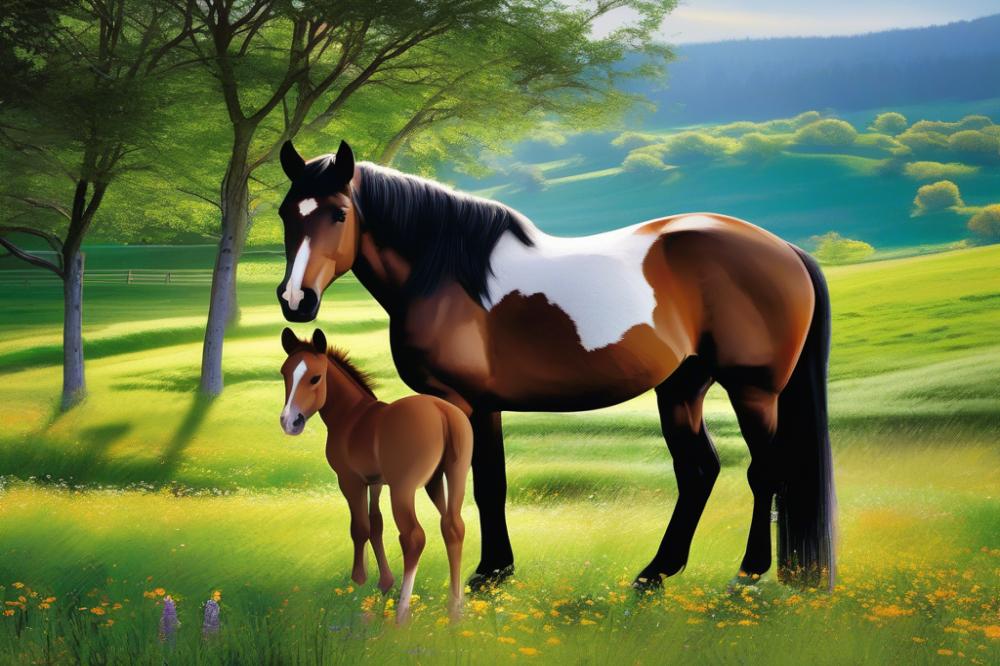
breeding success in horses is a complex topic that involves many elements. Horses, known for their beauty and grace, also require careful consideration when it comes to breeding. The offspring of these majestic animals often reflect not just their genetics, but also the surroundings in which they are raised. An ideal environment can help nurture young horses, while poor conditions might hinder their development.
environmental factors play a significant role in the outcomes of breeding efforts. These factors can include climate, terrain, and the quality of care provided. For instance, horses raised in clean, spacious areas often have better overall health than those kept in cramped or dirty spaces. Access to proper nutrition and social interaction is equally important. All of these elements contribute to the well-being of the horse, making the environment a key player in breeding outcomes.
This article aims to explore the influence of various environmental conditions on the breeding process in horses. By examining these factors, we hope to shed light on how they affect both the mare and the offspring. Insights gained may help breeders make informed decisions to improve their practices. Understanding the impact of the surroundings can lead to better strategies for achieving successful breeding and ultimately healthier horses.
Understanding breeding success
Definition of Breeding Success in Horses
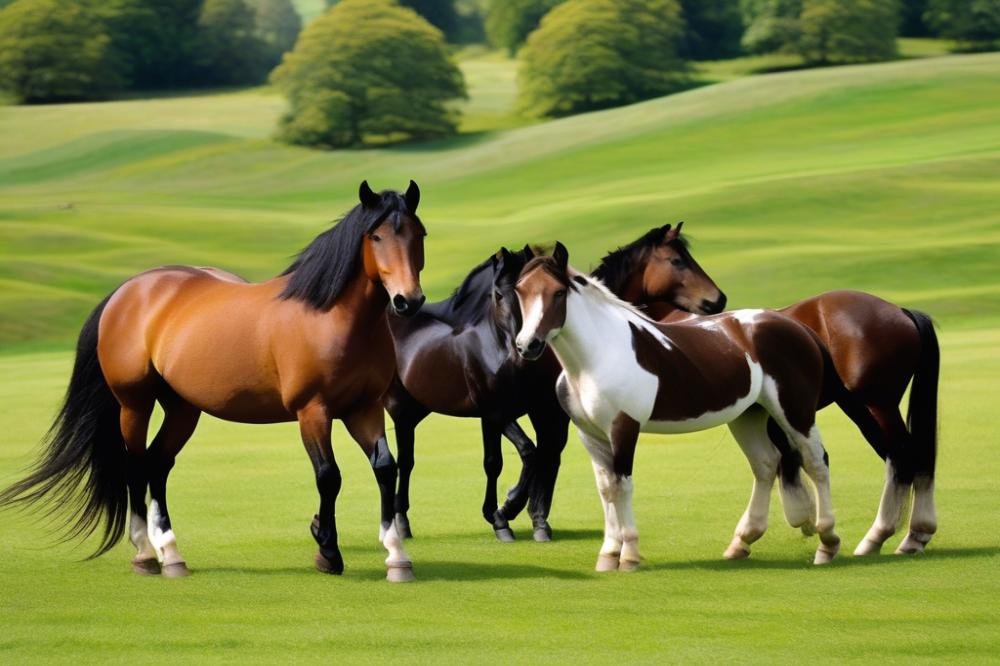
Breeding success in horses refers to the ability to produce foals that thrive and grow into healthy, capable adults. It involves more than just the act of mating. Quality offspring are the goal for breeders. This measures not only the health of the foals but also their performance traits. Good breeding produces animals that excel in their intended roles, whether for racing, work, or pleasure.
Factors Contributing to Breeding Success
Several factors affect how successful a breeding program can be. The health of both the mare and stallion is essential. If either parent is unhealthy, the foal may face serious issues. Nutrition also plays a crucial role in this process. A balanced diet can lead to better reproductive performance.
Stable conditions and care contribute significantly as well. Environmental stressors, like extreme temperatures or poor housing, can impact breeding outcomes. Moreover, the timing of breeding plays a vital role. Identifying the mare’s heat cycle and timing mating correctly can improve success rates dramatically.
Role of Genetic and Environmental Interactions
Interactions between genetics and environment significantly shape breeding outcomes. Genes determine many characteristics, including speed, strength, and temperament. However, they do not work alone. Environmental influences can enhance or inhibit those genetic traits. For example, a genetically talented horse raised in a stimulating environment might perform better than one with similar genes raised under stress.
Similarly, a robust training program can elevate a horse’s natural abilities. Careful management of both breeding stock and young horses can lead to better results. Weather, soil quality, and overall management must not be overlooked. Each aspect of the environment plays a role in nurturing the future generation of horses.
habitat quality and Breeding Success
Importance of habitat quality for Horses
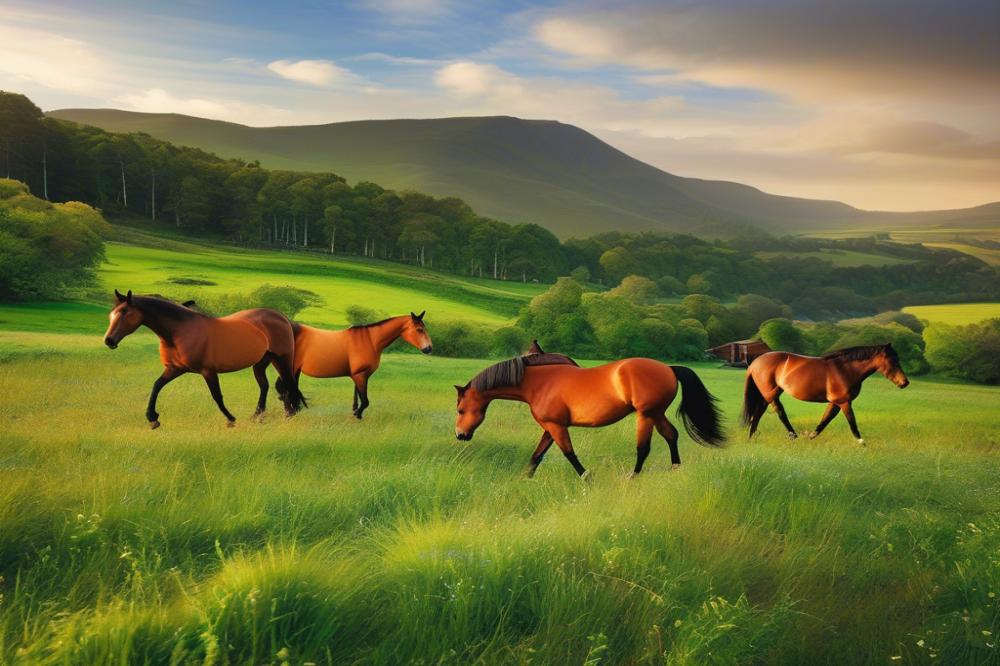
Habitat quality plays a crucial role in the reproductive health of horses. Healthy environments provide essential resources needed for survival and reproduction. Access to clean water, nutritious food, and shelter impacts their overall well-being. Stressors in the environment can diminish their reproductive capabilities. Horses thrive in areas where they can roam freely and find safety. The physical condition of the habitat influences their energy levels and health. Therefore, maintaining quality habitats is vital for successful breeding outcomes.
Impact of Vegetation Cover on Breeding Conditions
Vegetation cover significantly affects the breeding environment for horses. Dense grasses, shrubs, and trees create a sheltering effect from harsh weather. This protection helps pregnant mares and foals remain safe and comfortable. Moreover, vegetated areas can enhance the nutritional quality of the food available. The presence of diverse plant life reduces competition for resources. Horses benefit from a varied diet, which supports their health and promotes successful reproduction. Healthy vegetation also provides cover from predators, further ensuring safety during vulnerable times.
Nesting Sites and Their Influence on Reproductive Outcomes
Nesting sites play an important role in the reproduction of horses. Ideal areas for nesting offer protection and reduce disturbances from other animals. Mares often seek secluded spots to give birth, ensuring the safety of their young. These locations can also reduce the risk of danger from environmental threats. Suitable nesting sites allow foals to bond with their mothers. A calm environment is crucial for early development. Thus, the availability of appropriate nesting sites can significantly influence the success of new horse populations.
Climate Change and Its Effects
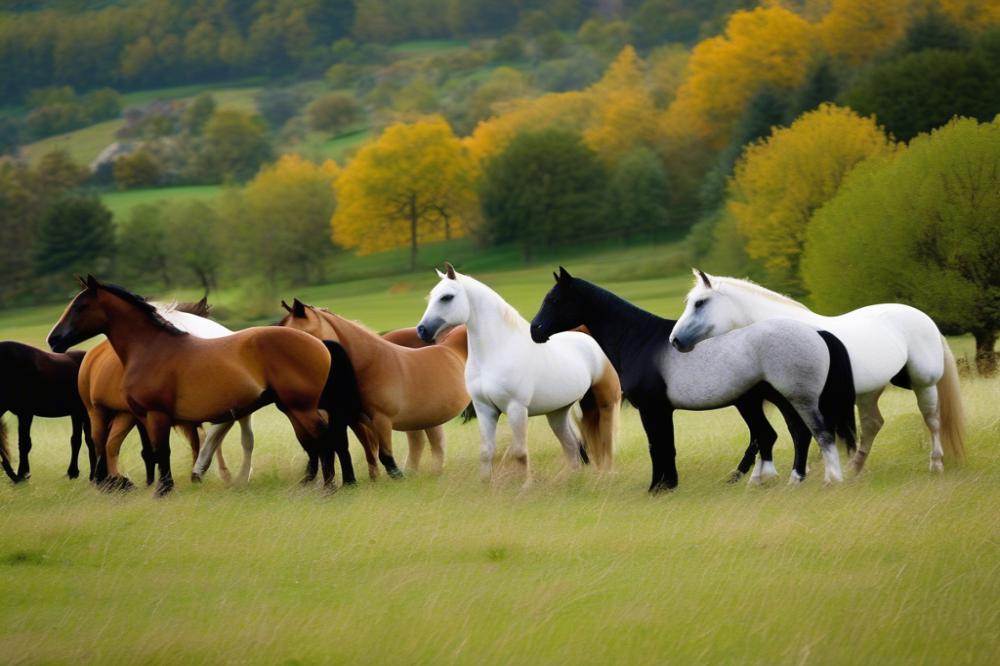
Climate change is having a significant impact on horse habitats around the world. Many areas are experiencing shifts in their typical weather patterns. These changes can make breeding a challenge for horses. When temperatures rise, the conditions horses face can become stressful. They may have difficulty finding the right spots to breed or raise their young.
Overview of climate change impacts on horse habitats
Horse habitats are changing, and this can disrupt their natural rhythms. Wetlands may dry up more quickly, reducing places where horses can gather. Forests, too, are affected. Deforestation and changing temperatures can alter landscapes. These shifts can create environments that are less suitable for breeding and raising foals. Horses need stable environments to thrive. Sudden changes can lead to lower survival rates for young horses.
Temperature variations and breeding success
Temperature plays a critical role in the reproductive cycle of horses. When temperatures fluctuate, it can disrupt the timing of breeding seasons. If it gets too hot, horses may experience stress. This stress can reduce their desire to breed. Furthermore, extreme cold can be equally harmful. Harsh winters can delay the foaling period and affect the health of the young.
Changes in food availability due to climate shifts
Food availability is directly linked to climate. As temperatures rise, the growth of grasses and plants changes. Many areas may see a decline in the quality and quantity of forage available. This shift can lead to competition for food. When horses have limited access to nutritious food, it may weaken their overall health. Poor nutrition can have a ripple effect on reproductive health. Ensuring that horses have enough quality food is essential for their well-being.
Food Availability and Nutritional Needs
Role of food availability in reproductive health
Food serves as the foundation for reproductive health in many species. When animals have access to high-quality food, their chances of successful reproduction increase. A diet rich in essential nutrients promotes healthy mating behaviors and increases fertility rates. Animals that struggle to find enough food may face numerous challenges. Low energy levels can lead to poor health and lower reproductive outcomes. Stress from food scarcity can also impact hormone production, affecting mating success.
Nutritional strategies for optimal breeding success
Developing strong nutritional strategies is vital for breeding. Some animals adapt their diets based on what is available during specific seasons. Others may shift their feeding behaviors to consume more nutrient-dense foods. Consuming a balanced mix of proteins, fats, and carbohydrates can support healthy growth in offspring. Additionally, some species seek out specific foods that contain vital vitamins and minerals during mating seasons. These adaptations reflect how crucial nutrition is in the reproductive process.
Seasonal variations in food resources
Food availability often shifts with the changing seasons. In spring, many plants bloom and insects are more abundant, providing essential resources. Animals may time their breeding cycles to take advantage of these plentiful food sources. Conversely, winter brings harsh conditions that can limit food options. Survival during such times can be difficult for those relying on seasonal resources. Many species face challenges as they navigate these variations, impacting their ability to reproduce.
Predator Presence and Breeding Outcomes
Effects of Predator Presence on Breeding Success
Predators can significantly influence how well a species breeds. When carnivores are nearby, animals may skip breeding or relocate to safer areas. The fear of predation causes stress in many species, which can lead to fewer offspring. Animals might even abandon nests or young if they sense danger. Even the sounds of predators can disrupt the mating rituals of some animals. In settings where high predator densities exist, there is often a noticeable drop in breeding rates.
Strategies for Ensuring Safety During Breeding Seasons
Different species have developed various methods to protect themselves during the crucial breeding periods. Nesting in areas with dense vegetation can shield eggs and young from predators. Some animals choose to have their young at night when many predators are inactive. For species that are more social, living in larger groups offers increased protection. These group dynamics create safety in numbers, reducing the chances of individual attacks. Behavioral adaptations also play a role; some animals become more vigilant during these times to spot threats early.
Assessing Predator Impacts on Horse Populations
In the case of horses, predators can indirectly affect their populations. With fewer threats, horse herds can thrive better. However, when wolves or big cats enter their territory, tension rises. Horses might alter their grazing patterns to avoid areas where they feel most vulnerable. This change can affect their health and resource availability. Monitoring how predator dynamics shift can offer insights into equine behavior and population health. Grazing lands may need protection to support both predator and prey, allowing for a balanced ecosystem.
Pollution and Its Influence
Types of Pollution Affecting Horse Habitats
Various forms of pollution threaten horse habitats. Air contamination is a prominent issue. Dust, chemicals, and other particulates can enter the atmosphere, harming the environment. Water quality also suffers due to runoff from farms, industrial areas, and urban settings. Contaminated water can endanger aquatic life and the health of animals that rely on clean sources. Soil pollution poses another challenge. Harmful substances can seep into the ground, affecting plants that provide food and shelter for horses. Noise pollution disrupts natural behaviors, making it difficult for them to interact and thrive.
Impact of Pollution on Reproductive Health and Success
The effects of pollution extend to reproductive health. Chemical substances in the environment can lead to hormonal imbalances. These imbalances may cause fertility issues or affect pregnancy outcomes. Additionally, pollutants can result in genetic mutations, impacting the health of future generations. Stress from pollution often leads to a decline in overall health. This stress can shorten lifespans and decrease birth rates. Horses living in polluted areas face greater challenges. Their ability to reproduce successfully diminishes, which harms populations over time.
Mitigation Strategies for Reducing Pollution Effects
Several strategies can help reduce the impacts of pollution. Protecting natural habitats is essential. Creating clean zones around breeding areas can shield them from contaminants. Regular monitoring of environmental quality is beneficial. This practice involves testing air, water, and soil for harmful substances. Encouraging sustainable farming and land-use practices can also minimize contamination. Educating the public about the importance of a clean environment plays a significant role. Increased awareness leads to better practices and community efforts. Together, these strategies can promote healthier habitats for horses and support their breeding success.
Species Adaptability and Reproductive Strategies
Role of species adaptability in changing environments
Species adaptability is crucial for survival. Animals and plants must adjust to their habitats. When environments change, these species either evolve or face extinction. Rapid changes can be challenging. For instance, a shift in climate can affect food availability. Species that can adapt quickly are more likely to thrive. They might alter their feeding habits or migrate to better locations. This flexibility often allows them to maintain their populations over time.
Reproductive strategies influenced by environmental factors
Environmental elements play a significant role in reproductive choices. Seasonal changes can dictate breeding times for many organisms. Some may time their reproduction to coincide with abundant food. Others could use temperature changes as cues for mating. The availability of safe nesting places also matters. Animals may relocate their breeding sites if natural disasters occur. In some cases, competition for resources leads to different reproductive strategies. These can range from producing more offspring to investing heavily in fewer young. Each species finds a method that works for their situation.
Innovative breeding practices for enhanced success
Recent years have seen new techniques aimed at improving breeding outcomes. Scientists and conservationists are exploring various methods. Controlled breeding programs are becoming more common. Such programs can help maintain genetic diversity. They may involve artificial insemination or habitat management. Some efforts focus on creating optimal conditions for growth and survival. For example, providing supplemental food can boost juvenile survival rates. Understanding the specific needs of each species is essential. Together, these practices can lead to more successful reproduction in changing environments.
Wrapping Up the Influence of Environment on Breeding Success
Summary of Environmental Impact
The environment plays a crucial role in the overall success of breeding endeavors. Key factors include habitat quality, availability of food, and climate conditions. These elements shape the health and vitality of the animals involved. If the right conditions are not met, even the best genetics may not thrive. Breeders must recognize that these external influences can make a significant difference in outcomes.
Importance of Environmental Factors
Understanding environmental factors is essential for successful breeding. Every aspect, from pastureland quality to climate change, affects the breeding process. If conditions are subpar, animals may struggle to reproduce effectively. Proper management of these factors increases the odds of achieving desirable outcomes. Breeders should closely monitor their surroundings and adapt accordingly. It is not just about choosing the right horse; it’s about creating an optimal environment for growth and reproduction.
Recommendations for Horse Breeders
Horse breeders should prioritize habitat quality. This starts with selecting a location that provides ample resources. Consider the local climate and how it might affect the animals. Investing time to improve facilities and surroundings can also lead to better results. Regular health checks should be a part of the routine, as well-fed and healthy animals perform better during breeding seasons. Aim to create a balance in the environment, ensuring that it fosters healthy growth and reproduction. Collaborating with experts in equine health and environmental management can provide further insights into optimizing success.

