
Introduction
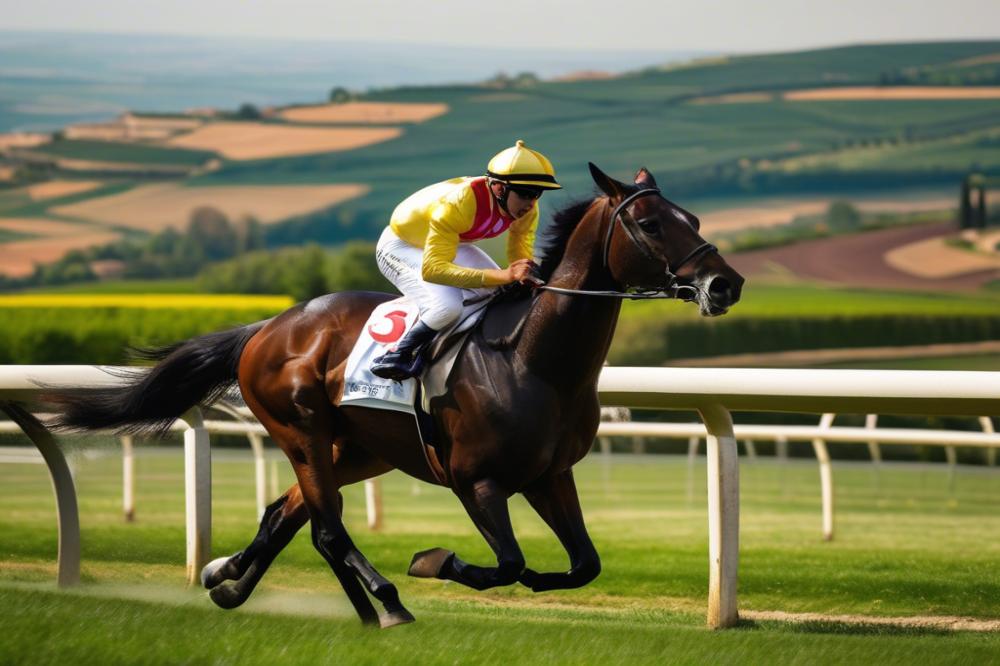
Horse racing holds a distinguished place in Italy’s cultural heritage. This sport blends excitement with a deep-rooted tradition that has captivated audiences for centuries. Racing events, especially iconic ones like the Palio di Siena, reflect the heart of local community life and showcase a blend of sport and celebration.
Tradition in Horse Racing plays a vital role in sustaining interest and participation. Fans and participants alike cherish the historical aspects of the sport, from the breeds of horses used to the rituals surrounding races. Such connections create a sense of belonging and pride among attendees.
However, racing in Italy is not without its trials. Economic challenges loom large, alongside the growing competition from other forms of entertainment. Moreover, regulations and changes in ownership structures have sparked debates about the future of this beloved pastime. It raises the question: can the beauty of tradition keep horse racing alive in Italy amidst these modern hurdles?
The Heritage of Horse Racing in Italy
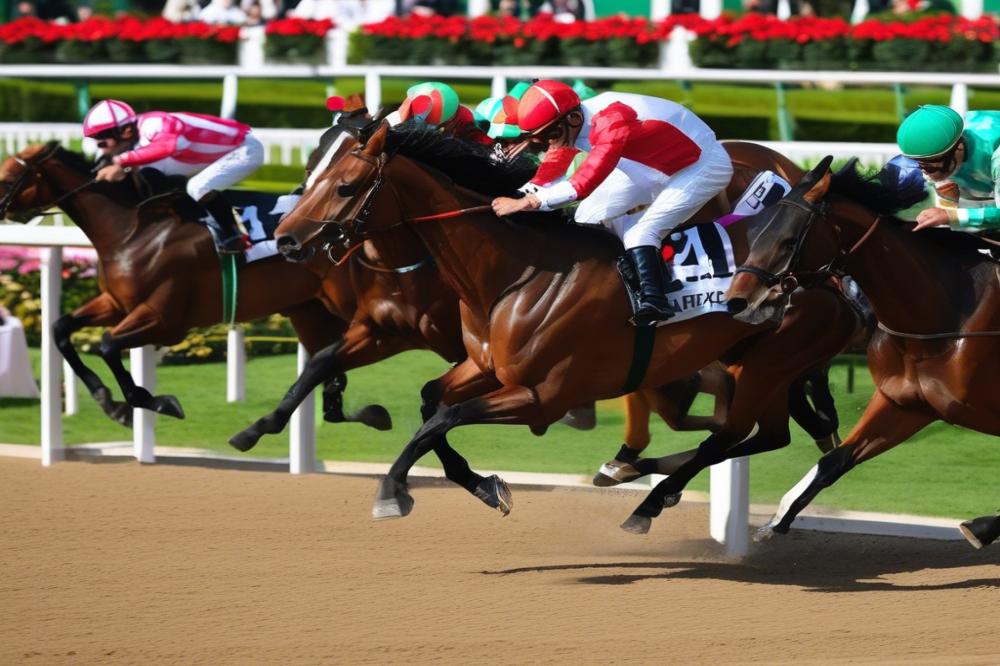
Horse racing has deep roots in Italy, dating back centuries. It was often linked to royalty and served as a symbol of prestige. Nobles would organize competitions to showcase not just their horses, but their wealth and influence. These events drew large crowds and became community celebrations.
The Palio di Siena stands out among Italy’s historical races. This race happens twice each year in Siena and dates back to the 17th century. It isn’t just a horse race; it’s a vibrant event filled with pageantry and tradition. Each contrada, or neighborhood, competes fiercely, creating a sense of pride among its members. The excitement leads to a unique atmosphere that energizes the entire city.
Culturally, horse racing holds an important place in Italian society. Festivals often revolve around horse races, connecting families and communities. Children grow up hearing stories of legendary horses and races, learning about their significance. These narratives foster a strong bond between locals and their equestrian heritage. As a result, the sport is not just about competition; it embodies communal values and national pride.
Over the decades, the sport has evolved significantly. Modernization has brought new technologies and techniques that change how races are managed. Attendance has fluctuated, influenced by urbanization and lifestyle changes. Yet, despite these shifts, traditional events maintain their charm. The resilience of classic races showcases the enduring appeal of horse racing in the country.
Current State of the Horse Racing Industry
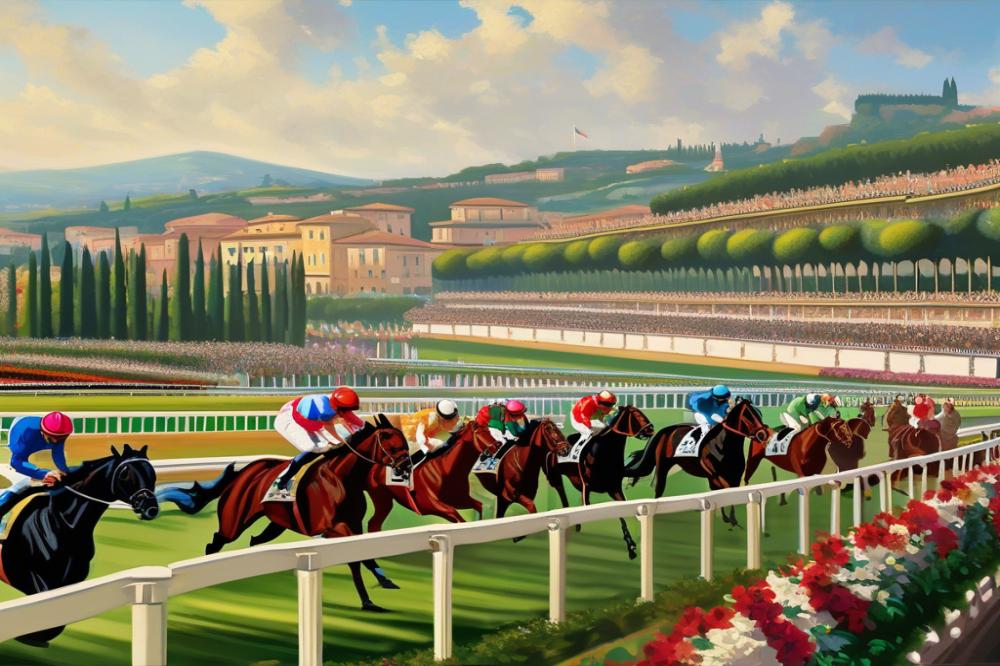
The horse racing industry in Italy operates within a structured framework that involves several key components. Race tracks and events contribute significantly to the sporting landscape. Major centers for this activity can be found in cities like Rome and Milan. These locations host numerous races throughout the year, drawing in both local and international enthusiasts.
Important organizations play a role in shaping this industry. The Italian Jockey Club is central to overseeing racing regulations and standards. Various breeding associations also contribute to maintaining high-quality thoroughbreds. Their efforts help support the sport’s integrity while promoting fairness in competitions.
The economic impact of this sport is notable. Horse racing generates jobs within related sectors, including veterinary services, training facilities, and hospitality. Revenue flows from ticket sales, betting activities, and sponsorships. Many local businesses benefit from the influx of visitors during major race events.
Horse breeding programs hold critical importance in the industry. They are essential for developing strong and competitive horses. Numerous breeders across the country work tirelessly to improve bloodlines and keep the quality of racing high. The survival of these programs is crucial for the sustainability of the sport.
Support for training facilities and knowledge exchange among breeders helps cultivate a vibrant environment in which both horses and racing can thrive. This intricate relationship between the breeding sector and racing venues highlights the complexity of the industry. Together, they form a network that underpins the tradition of horse racing in Italy.
Challenges Facing Italian horse racing
Participation in races and events has notably declined in recent years. Many enthusiasts worry this trend could threaten the future of the sport. Enthusiasm seems to fade as fewer people take interest in attending races. Families once flocked to the tracks, but now they choose other activities.
Modern entertainment options pose a significant challenge. Sports streaming and digital games capture attention, pulling younger audiences away. In an age where video games and online platforms dominate, horse racing must fight for relevance. The thrill of a race might not compete with the instant gratification of virtual entertainment.
Regulatory and financial issues plague the betting system in Italy. Complex laws and taxes often deter potential gamblers. Many bettors become frustrated with the red tape surrounding their favorite activity. This, in turn, affects the revenue that sustains the industry.
The COVID-19 pandemic had a serious impact on equestrian events. Lockdowns forced many tracks to close, leaving trainers and jockeys in a tough spot. The lack of spectators led to empty grandstands, which significantly dampened the atmosphere. Recovering from these setbacks will require a united effort moving forward.
Maintaining Horse Racing Culture and Tradition
The preservation of equestrian sports traditions holds significant importance in Italy. Many communities view horse racing as a vital part of their cultural heritage. Beyond just a sport, it embodies values of teamwork, dedication, and connections to the land. This deep-rooted culture deserves careful attention and nurturing to thrive in modern times.
Community engagement initiatives play a key role in keeping this tradition alive. Local organizations often host educational programs about horse care and racing history. These efforts help younger generations discover the sport’s richness and inspire them to participate. Engagement doesn’t stop there; it extends to families, inviting them to experience the excitement of racing together. Events that include kids and families can spark lasting interest in the sport.
Local Festivals and Beyond
Festivals often go beyond racing alone. Many towns celebrate with parades, music, and art, showcasing the spirit of their communities. Such events provide an opportunity for locals and tourists to gather, fostering a sense of unity. They offer a way for people to enjoy the traditions surrounding horse racing while highlighting regional pride.
Collaboration with international entities can also enhance the experience. Many racing organizations in various countries are eager to connect and share practices. Their involvement can introduce new ideas and techniques while honoring Italy’s unique traditions. Joining forces creates a platform for mutual growth and learning, benefiting everyone involved.
As horse racing evolves, maintaining the connection to its roots remains crucial. Ensuring that tradition and modern trends coexist may provide a brighter future for the sport. Through community efforts and international ties, the dream of a vibrant horse racing culture in Italy can be realized.
Looking to the Future
Innovations and modernization hold significant promise for horse racing in Italy. New technologies can update traditional practices, making them more appealing to newcomers. For example, modern training methods could improve horse performance. Additionally, venues are exploring enhancements that provide better experiences for spectators.
Tourism has potential as a growth area for this sport. Italy attracts millions of visitors each year, and horse racing events could draw even more tourists. Scenic racetracks in picturesque locations could promote not only races but also local culture. When people visit for the races, local businesses can thrive too.
Betting markets are also expanding. With the rise of online platforms, the ability to place bets has become more accessible. This could lead to increased engagement from both seasoned bettors and casual fans. As interest grows, there could be more investment in the sport.
Embracing technology and new media for promotion has never been more crucial. Social media channels can reach younger audiences who may not be familiar with the sport. Engaging content, such as behind-the-scenes videos, can create excitement. Furthermore, live streaming of races can attract viewers who prefer watching from home.
Youth engagement is vital for revitalizing this sport. Programs that introduce young people to horse racing can spark interest early on. Schools and community groups could collaborate to create events. These initiatives would nurture a new generation of fans and participants.
In summary, the future of horse racing in Italy is filled with opportunities. By embracing change and appealing to new fans, the sport can maintain its traditions and grow.
The Future of Horse Racing in Italy
Tradition plays a vital role in the survival of any sport, and Italian horse racing is no exception. The rich heritage surrounding this activity lends it a charm that many enthusiasts cherish. Festivals, historical races, and community events foster connections among fans and participants alike. These traditions remind people why this sport matters and what it represents.
Looking ahead, the potential for revitalization within Italy’s horse racing scene is both promising and challenging. Younger generations hold the keys to the future. Engaging them through technology and social media could create new interest. Improved marketing strategies might attract fresh audiences who appreciate the sport’s excitement and elegance. Collaboration among stakeholders is essential to breathe new life into the declining aspects of this beloved pastime.
A united front is needed for meaningful change. Owners, trainers, sponsors, and fans must come together to strengthen the appeal of Italian horse racing. By sharing resources, knowledge, and passion, they can craft a sustainable path forward. The collective effort can highlight not only the thrill of competition but also the cultural and social significance that surrounds it.
In closing, let’s celebrate the traditions that have kept this sport alive for so long. With a commitment to innovation and collaboration, there is hope for a bright future. Involvement from every segment of the community can help ensure the survival of the sport we all love. It’s time to act and uplift Italian horse racing into a new era.

