
Introduction
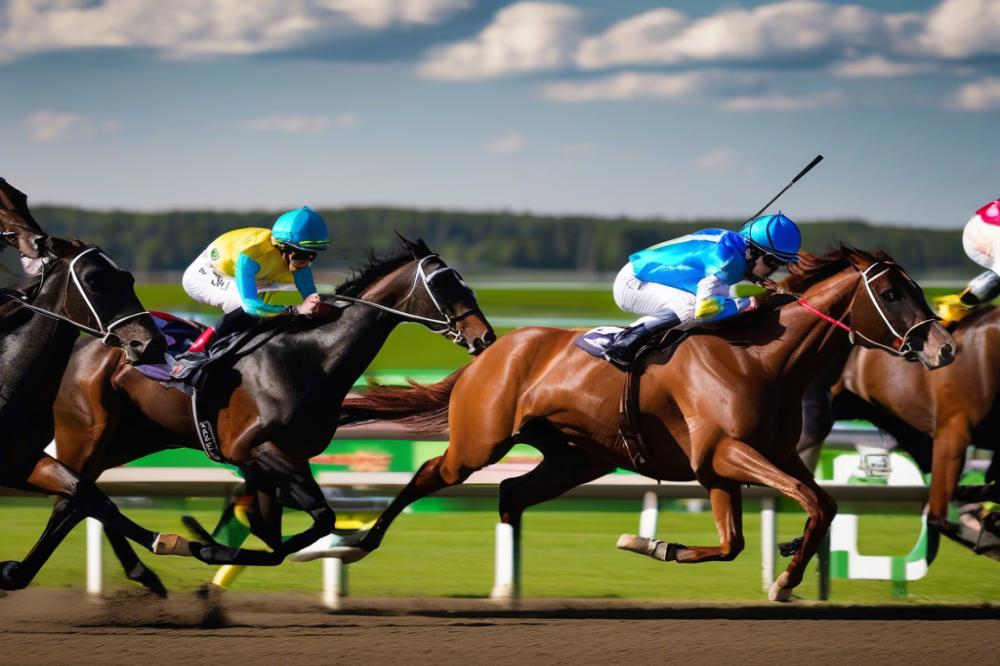
Horse Racing has deep roots in Sweden, entwining itself in the fabric of the nation’s culture. Many Swedes eagerly attend races, drawn by the excitement and unpredictability of the sport. Events like the Elitloppet attract significant crowds, showcasing the thrill of harness racing. This sport is more than just entertainment; it plays a key role in the local economy.
The economic impact of racing is noteworthy. It generates jobs, boosts local businesses, and contributes substantial revenue through betting and tourism. Fans flock to racetracks, creating a vibrant atmosphere that supports a variety of related industries. As a result, this sport provides not just leisure but also livelihood for many individuals across different sectors.
Looking ahead, the future of Nordic Racing holds promise and challenges alike. With advancements in technology and changing public interests, racing organizations are adapting to stay relevant. As the racing scene evolves, there’s an opportunity to blend traditional values with modern trends. Collaborations and innovations could further enhance the status of Swedish racing on the European stage.
In conclusion, the significance of Horse Racing in Sweden extends beyond mere pastime. It represents a rich cultural heritage while actively contributing to Sweden’s Economy. As the landscape of the sport changes, one can hope for a future that honors its past while embracing new possibilities.
The Economic Impact of Horse Racing in Sweden
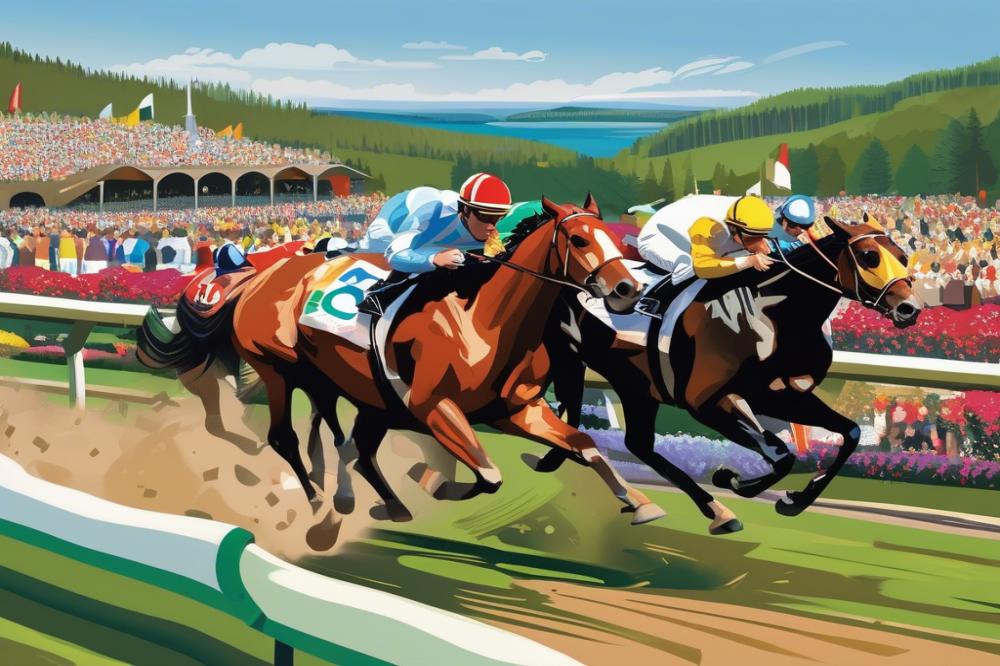
Horse racing has a significant impact on Sweden’s economy. Revenue generated from betting and gambling is substantial. This industry attracts millions, contributing to local and national finances.
Job creation is another crucial aspect. Equestrian sports provide numerous employment opportunities across various sectors. From trainers to stable hands, many people earn a living through this industry. The demand for professionals in veterinary care, management, and various event services also rises due to racing activities.
Tourism tied to horse racing events brings additional economic benefits. Visitors flock to major races, boosting local businesses. Hotels, restaurants, and shops often benefit from the influx of spectators. They spend money on accommodations and meals, which further stimulates the economy.
Moreover, the presence of large racing events often leads to investments in infrastructure. Venues need upgrades for safety and comfort, resulting in construction jobs. These developments can leave a lasting impression on the communities involved.
In a broader view, the racing industry fosters a sense of community. Local businesses often sponsor events, enhancing their visibility and reputation. Partnerships grow between organizations, which can deepen community ties and create additional opportunities.
In summary, the contributions of equestrian sports touch various economic layers. Each area, from betting revenue to tourism, plays a vital role. The future remains bright as these connections between horse racing and the economy continue to thrive.
Horse Breeding and the Racetrack Industry
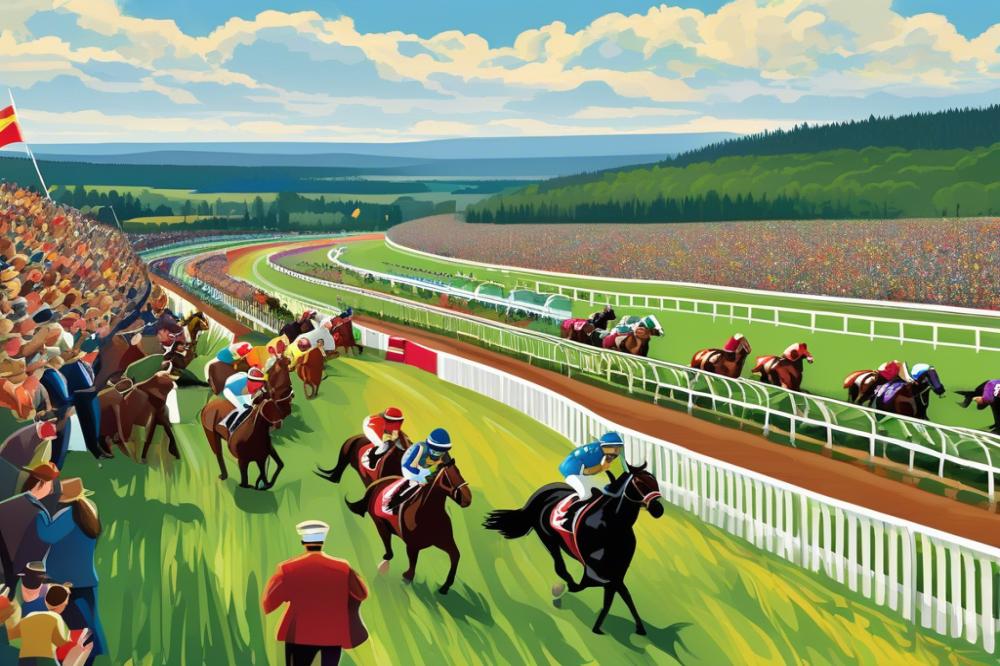
Horse breeding plays a vital role in the world of racing. Healthy horses bred for performance can elevate the quality of events held in the Nordic region. Breeders focus on bloodlines that lead to speed and stamina, which are critical for success on the racetrack. Producing top-tier horses is an art form. It takes knowledge, patience, and dedicated resources.
In Sweden, notable racetracks have become pillars of the industry. The famous Solvalla racetrack in Stockholm draws crowds regularly. Another important venue is Jägersro in Malmö, known for its exciting events. These facilities do not only host races; they also become community centers. Events held at these tracks contribute to local culture and pride.
Investment in these racetracks has lasting effects on local economies. Upgrades attract larger crowds and international competitions. As visitors flock to the races, surrounding businesses, such as hotels and restaurants, benefit from a boost in sales. Seasonal events create numerous job opportunities, from food vendors to hospitality staff. Community involvement thrives, bringing people together through the shared excitement of racing.
Fostering growth in the breeding sector often leads back to these venues. As the demand for quality horses increases, so does the need for advanced breeding techniques and facilities. This connection enhances the overall marketplace. Better horses lead to better races, which, in turn, draws more spectators. The cycle keeps the industry vibrant and helps ensure its future viability.
The synergy between breeding and racetracks plays a central role in maintaining the appeal of Nordic Racing. It also opens doors for new fans and increases participation. People of all ages find joy in watching races. This shared excitement can only aid the development of this sport. By focusing on these critical areas, Sweden and the Nordic countries can look forward to a thriving racing future.
Regulatory Framework and its Influence
Sweden has a comprehensive set of laws governing the world of betting and gambling. The regulatory framework is designed to promote fairness and prevent issues like addiction. This structure affects various aspects of equestrian events. A strong focus is placed on protecting players and maintaining integrity within the system.
Betting is regulated by the Swedish Gambling Authority. This body oversees everything from licensing to compliance. Organizations must follow strict guidelines to hold events and offer betting opportunities. Compliance is crucial for the continued operation of racing venues. Failure to meet these regulations can lead to severe penalties.
Participants in the racing industry must navigate these laws carefully. Owners, trainers, and jockeys face challenges in understanding the regulatory landscape. New rules can emerge, and staying updated is vital. Moreover, the financial implications of regulations weigh heavily on organizations. Revenue from betting can be significantly impacted by changes in law.
Looking ahead, potential shifts in policy could reshape Nordic racing. Lawmakers are increasingly attentive to the effectiveness of current regulations. Discussions may focus on balancing innovation in betting with responsible gaming practices. Any changes must consider the sustainability of the industry.
As digital platforms gain popularity, new regulations could emerge. These platforms may require different oversight compared to traditional methods. Additionally, the competition among Nordic countries may influence future strategies. Countries may seek to attract more international players to their betting markets.
Racing organizations will need to adapt to these evolving regulations. They must engage with policymakers to advocate for a supportive environment. The effectiveness of their efforts will determine how the industry evolves. Overall, the regulatory landscape will continue to play a vital role in shaping the future of racing in Sweden and beyond.
Cultural Significance of Horse Racing in Sweden
Horse racing has deep roots in Sweden, tracing back several centuries. Additionally, its history reflects the values and traditions of Swedish society. Events like Skåne races were popular as far back as the 18th century. These competitions brought communities together, allowing people to share their enthusiasm for this thrilling sport.
Every summer, race tracks buzz with excitement. Families gather to enjoy a day of entertainment, food, and camaraderie. It is often seen as a celebration of local culture. The combination of sport and gathering fosters a sense of belonging. Young children often watch in awe, dreaming of riding their own champions one day.
Role in Traditions and Community Events
Seasonal festivals frequently include races as a key feature. These events often showcase not only the speed of the horses but also Swedish craftsmanship in training and breeding. Local tracks become a focal point for communities, drawing attendance from both avid fans and casual observers. Community spirit thrives during these days of excitement.
Moreover, horse racing serves as a platform for social interaction. Friends and family discuss strategies, celebrating wins and comforting losses together. This communal experience reflects a larger cultural narrative about togetherness in Swedish life. Festivals are not just about watching; they represent a shared joy and a collective experience.
Comparison with Other Nordic Countries
Cultural perceptions may vary across the Nordic region. In Denmark, racing is accompanied by a festive spirit, while in Norway, it emphasizes the connection to local heritage. Each country celebrates the sport differently, tailored to its unique history. However, the love for horses appears to be a common thread.
Swedes often take pride in their longstanding traditions. The respect for equestrian sports runs deep, ultimately influencing broader cultural values. This pride is apparent in the support for local trainers and the development of horse-breeding initiatives. Other Nordic nations may share in this enthusiasm, yet Sweden’s approach stands out for its community integration.
People across the region can appreciate the dedication seen in these races. Whether in Sweden, Denmark, Norway, or Finland, there exists a connection to nature and teamwork. The bonds forged through these experiences are strong and often last a lifetime. Thus, the cultural significance of racing is not only about competition; it intertwines with the way communities come together.
The Future of Nordic Racing
The prospects for horse racing in Sweden and the broader Nordic region appear promising. A noticeable trend is the increasing popularity of digital betting platforms. Many fans now prefer to place their bets online rather than attend events in person. This shift opens doors to a wider audience and fosters innovation in how bettors engage with the sport.
Innovations within the industry also offer exciting possibilities. Technologies like virtual reality and enhanced data analytics can attract younger viewers. While traditional experiences still hold charm, combining them with modern tech could create a vibrant atmosphere. Additionally, Nordic racing venues are experimenting with interactive experiences that might entice a new generation of fans.
Despite these positive developments, challenges abound. One significant hurdle is competition with other entertainment options. Many individuals choose video games, movies, or other sports over horse racing. The industry must find creative strategies to appeal to this diverse audience. Promotional campaigns and engaging content on social media could spark renewed interest.
Moreover, financial sustainability remains a concern. While digital platforms have grown, maintaining profitability is essential. Partnerships with local businesses could provide mutual benefits and support regional events. Strengthening community ties can result in increased attendance and revenue.
Efforts to improve animal welfare standards are also crucial. Increased public awareness has led to higher expectations regarding horse treatment. Addressing these concerns can build trust and enhance the sport’s reputation. Being transparent about training and care practices will matter to fans and participants alike.
In conclusion, the future of Nordic racing hinges on adaptability and responsiveness. Finding the right balance between tradition and innovation will likely shape its landscape. Keeping a close eye on betting trends, audience engagement, and welfare issues will be vital for success in the coming years.
Wrapping Up: The Importance of Racing Culture in Sweden and Beyond
Horse racing in Sweden plays a crucial role in the economy and community life. It brings together people from all walks of life and offers entertainment for many. The industry generates jobs, stimulates local economies, and attracts tourism. Betting also boosts revenue and can support various sectors.
Looking ahead, Nordic Racing must adapt to change. Innovation is key to attracting new fans. This might include embracing technology, especially in how races are broadcast and how people place bets. Engaging with younger audiences will be important for the sport’s future.
Maintaining a vibrant racing culture is essential. It offers social benefits by creating shared experiences. Festivals and live events can strengthen community bonds and promote local pride. As we move forward, it is vital to recognize the value of this tradition, not just for economic reasons, but also for its impact on society.
In conclusion, the future of horse racing in Sweden and the Nordic region looks promising. By focusing on modernization while honoring traditions, the industry can thrive. Both the economy and the community stand to benefit from a robust and dynamic racing culture.

