
Choosing the Right Stallion for Your Mare
Importance of stallion selection
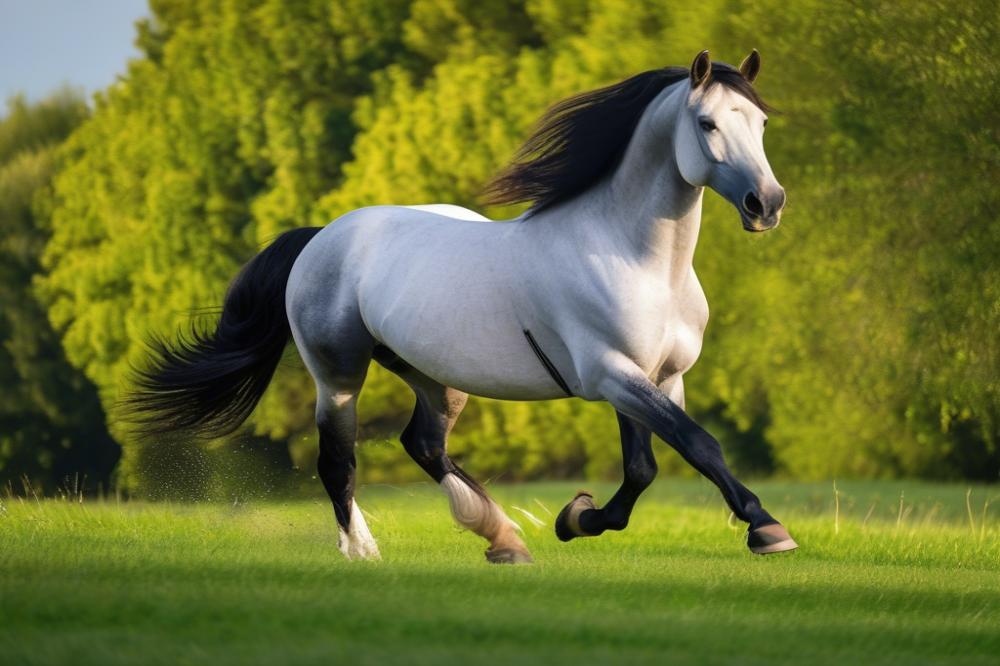
Selecting a stallion is a crucial step in mare breeding. The right choice can lead to the birth of a strong, healthy foal, while a poor match may result in a less desirable outcome. Each stallion has his own genetic traits, which can greatly impact the offspring. Thus, knowing how to choose wisely is essential.
Overview of Breeding Process
The breeding process begins with carefully assessing the mare. Health, age, and performance history all play a role in this evaluation. Once the mare is ready, it’s time to consider various stallions. Potential candidates should be viewed not just for their physical attributes but also for their lineage and temperament. Each aspect contributes to the overall success of the breeding.
Key Factors Influencing Successful Breeding
Several key factors come into play during this journey. First, compatibility between the stallion and mare cannot be overlooked. Traits such as size and genetic background should mesh well. Second, the stallion’s performance record is vital. Notably, successful racing or show records can reveal a lot about his potential to pass on good qualities.
Additionally, health screening is paramount. Stallions should undergo rigorous examinations to rule out genetic issues that could affect foal health. Lastly, consider the breeding method. Whether through artificial insemination or natural cover, each method has its pros and cons.
Making informed decisions during stallion selection will greatly enhance the chances of producing a high-quality foal. Knowing these important aspects can lead to rewarding outcomes in the world of horse breeding.
Stallion Selection
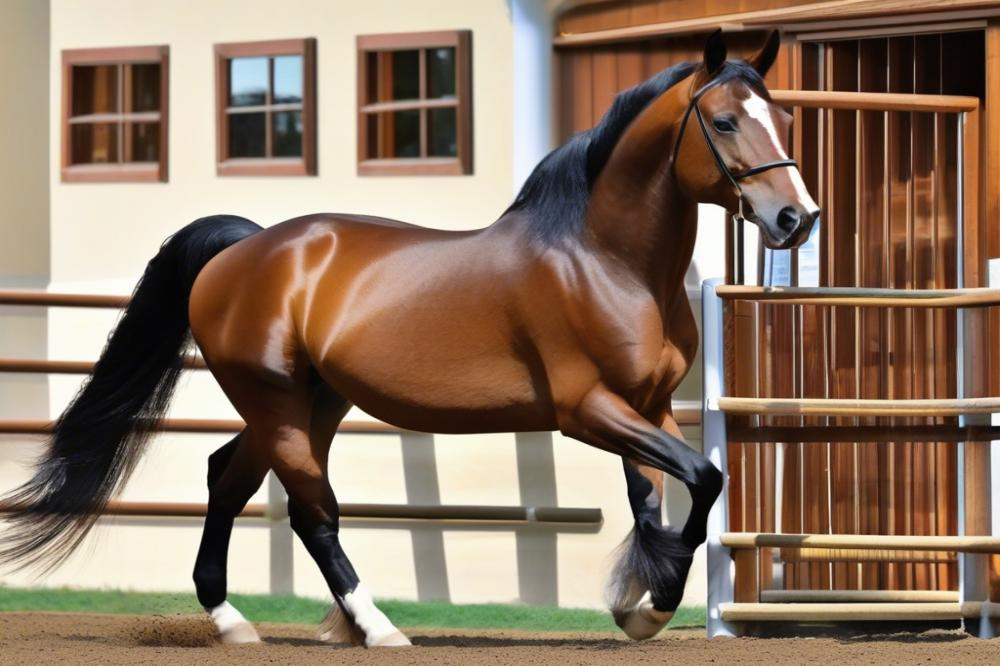
Stallion selection refers to the process of choosing a male horse to breed with a mare. This decision is significant in horse breeding, as it directly impacts the quality, traits, and performance of the foals produced. Selecting the right stallion can lead to a successful breeding program.
Several factors influence the choice of stallion. First, one must consider the stallion’s lineage and pedigree. A strong bloodline can contribute to desirable qualities in the offspring. Genetic advantages often play a crucial role in how well the foals perform.
Physical traits of the stallion are equally important. Consideration should be given to conformation, size, and overall health. A stallion with excellent physical attributes is more likely to pass on these benefits. Performance records might also provide insights into the stallion’s capabilities and potential. Looking at competition results can offer clues about how the foals may excel in their endeavors.
Temperament should not be overlooked either. Choosing a stallion with a good nature can lead to calmer, more trainable offspring. This is particularly vital for amateur riders or those new to the sport. Compatibility between the stallion’s personality and the mare’s can also play a part in the outcome.
Moreover, consider the goals of the breeding program. Are you aiming for a high-performance athlete or a family-friendly companion? Tailoring your selection to these objectives can make a significant difference. Each potential stallion will likely bring different characteristics to the table.
Location might also impact your decision. Access to quality stallions can vary based on geography. Some breeders might need to consider transportation if the ideal stallion is far away. Traveling can introduce stress that could affect the breeding process.
Finally, budget plays a key role in the selection. Stallions can vary greatly in stud fees, which may influence your options. Be sure to take into account additional costs such as veterinary checks and transportation fees. This will help in making a well-rounded decision.
Understanding horse genetics
Basics of horse genetics
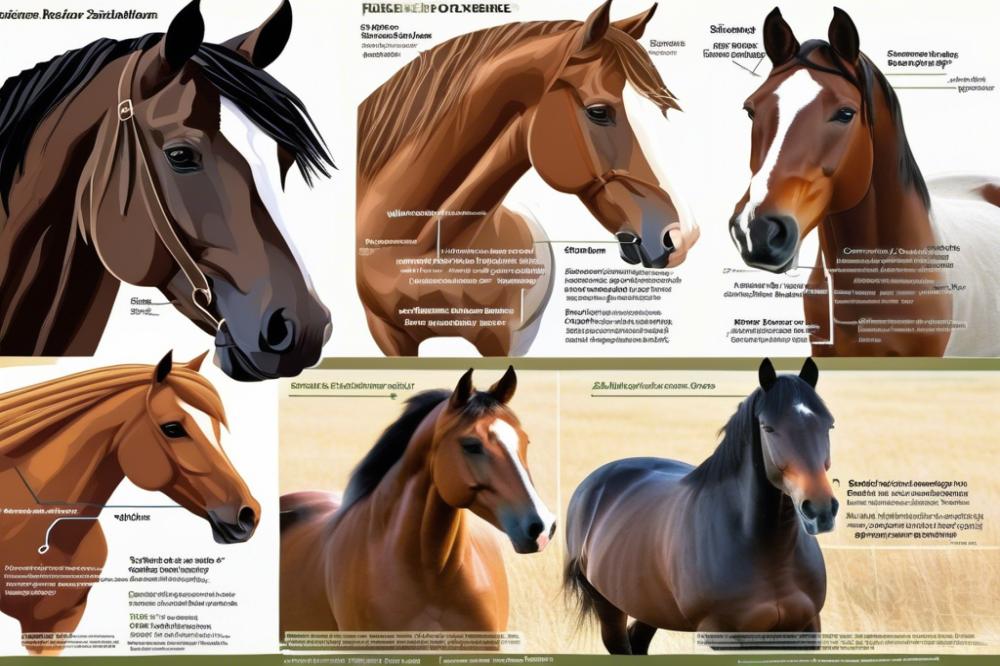
Genetics plays a vital role in the breeding of horses. Each horse inherits traits from both its sire and dam. Traits can include color, size, and behavior. Understanding these basics helps in making informed breeding decisions. Alleles, which are variations of genes, come together to determine a foal’s characteristics. Dominant and recessive traits influence which features are expressed. Knowing how these traits work can be beneficial for breeding choices.
How Genetics Impact Foal Quality
The quality of a foal is significantly affected by genetics. Horses with strong lineage often produce better offspring. Quality refers to physical attributes, temperament, and athletic ability. A well-bred foal is more likely to excel in performance, whether in competition or work. Genetic predispositions can also lead to inherited health issues. Careful consideration of the mare and stallion’s backgrounds is essential to minimize such risks.
The Role of Specific Breed Characteristics
Every breed has unique traits that define its characteristics. For example, Arabian horses are known for their endurance. Thoroughbreds typically possess speed and agility. These breed characteristics can directly impact the outcome of breeding. Selecting a stallion from the same breed as the mare is often wise. This approach helps to maintain the desirable traits of that breed. However, crossbreeding can introduce new and interesting characteristics. Keeping the specific traits of each breed in mind is crucial for successful breeding outcomes.
Assessing mating compatibility
Mating compatibility is an essential part of breeding that should not be overlooked. Understanding how a stallion and mare will match is crucial for a successful breeding outcome. Each horse carries its own set of traits. These traits can influence the health and performance of future foals.
Several factors can impact compatibility. Physical traits, such as size and conformation, play a significant role. A mismatched pair can lead to challenges during the birthing process or affect the foal’s growth. Genetic factors are also important. They can determine not only physical characteristics but also predispositions to certain health issues.
Temperament is another aspect to consider. Horses have varying personalities that can greatly impact their training and behavior. A calm mare may benefit from a more relaxed stallion. In contrast, an energetic mare might thrive with a dynamic stallion that shares her spirited nature. This matching can set the stage for a harmonious environment both during pregnancy and after the foal arrives.
Performance traits must also be matched carefully. If your mare excels in jumping, finding a stallion with a strong jumping background makes sense. This strategic approach can enhance the likelihood of producing offspring that continue those exceptional traits. Observing both parents’ strengths can guide you in selecting a stallion that brings out the best characteristics in the foal.
Ultimately, careful assessment of all these elements leads to better mating decisions. Taking the time to evaluate compatibility not only fosters a healthier pregnancy but also contributes to the future success of the foals you aim to breed. When done thoughtfully, the result can be a new generation of horses that embody the best qualities of both parents.
Evaluating Conformation
Conformation refers to the physical structure and shape of a horse. It includes how the horse’s legs, neck, back, and overall body are built. Good conformation is important for performance, health, and longevity in a horse. A horse with strong conformation is often more athletic and capable of handling various tasks.
Performance greatly relies on a horse’s conformation. For example, horses with well-aligned legs often exhibit better movement and agility. Poor conformation can lead to injuries and long-term health issues. Therefore, considering conformation when selecting a stallion is crucial for the future of the foal.
Specific traits should be examined in stallions. Look for a balanced body structure. This means that the length of the neck should match the body, and the legs should be straight and strong. A well-defined wither can help a horse work efficiently under saddle. Also, check the overall angle of the shoulder; an ideal angle promotes better movement and stride.
Body depth plays a role as well. A deeper-bodied stallion can usually provide a stronger frame for developing muscles. This is beneficial for sport and work. Also consider the stallion’s head and neck. A head that is proportionate and a neck that is strong can indicate good temperament and the ability to carry weight effectively.
Other factors include the stallion’s hindquarters. Well-formed hindquarters support powerful movements and jumping ability. An overall harmonious proportion enhances the horse’s ability to excel, whether in competition or leisure activities. Each of these conformation traits can significantly affect the future performance of the offspring.
Analyzing Performance Traits
Evaluating performance traits holds significant importance in horse breeding. These traits impact not only the potential success of the foal but also the long-term satisfaction of the owner. A mare’s characteristics pair with those of a stallion to produce offspring with specific skills and abilities.
Various performance traits relate to different equestrian disciplines. For instance, in dressage, traits like agility and obedience are crucial. Jumping requires power and reflexes, while racing benefits from speed and stamina. Identifying which traits matter most for your desired discipline can guide your selection process.
Finding a stallion with desirable performance characteristics is vital. Look beyond mere pedigree; consider the stallion’s competition record and achievements. Horses that consistently perform well can pass on their skills to their foals. Physical attributes also play a role, such as conformation and movement quality. These factors contribute to a foal’s potential in the chosen discipline.
Analyze the stallion’s history and progeny. Have previous offspring achieved success in their fields? This can offer a glimpse into what to expect. A stallion known for his temperament can also influence the demeanor of the foal, shaping how it interacts with handlers and riders alike.
Understanding these traits provides a foundation for making an informed choice. Each decision in stallion selection should align with specific goals for the mare and her future offspring. With careful consideration, you can enhance your breeding program and set the stage for success.
Examining Pedigree Analysis
Understanding Pedigree Analysis
Pedigree analysis involves studying a horse’s ancestry. It helps breeders uncover a stallion’s genetic background. Each horse’s family tree tells a story. These familial connections can show traits passed down through generations. Knowledge of these traits can influence breeding decisions. A clear understanding of pedigree can lead to better outcomes for both the mare and foal.
Importance of Lineage in Stallion Selection
Lineage plays a crucial role when selecting a stallion. A strong bloodline can enhance desirable qualities in offspring. Characteristics such as speed, stamina, and temperament are often inherited. Breeders frequently seek out lines known for their achievements. This ensures that the resulting foal inherits quality traits that align with the breeder’s goals. Additionally, a mare’s own pedigree should complement the chosen stallion. Matching strong bloodlines can maximize the potential of the foal.
Evaluating Successful Bloodlines and Their Impact
Successful bloodlines carry weight in the world of horse breeding. Certain lineages boast numerous champions, making them highly sought after. These ancestors often have qualities that breeders want within their own stock. Evaluating a stallion’s past performance can provide insight into future potential. This evaluation goes beyond the surface; understanding the history can be key. Mare owners should consider which traits these bloodlines promote. Positive qualities can greatly impact the stallion’s offspring. Therefore, careful research is essential for making informed decisions.
Setting Breeding Goals
Setting clear breeding goals is essential for any horse breeder. These goals guide every decision, from choosing the right stallion to caring for the resulting foal. Without a focus, the process can become confusing and overwhelming.
Importance of Breeding Goals
Understanding what you want to achieve with your breeding program lays the foundation for success. Goals help in identifying the traits to emphasize in the offspring. They keep breeders aligned with their vision.
Different Types of Breeding Goals
Breeding goals can vary significantly. Some breeders aim for performance excellence, wanting to produce champions in their chosen discipline, be it racing, jumping, or dressage. Others focus on conformation, seeking to create horses that adhere to breed standards and are aesthetically pleasing. Additional objectives might include temperament, aiming for horses that are easy to train and pleasant to handle.
Aligning Stallion Selection with Intended Goals
Selecting the right stallion involves matching his qualities with your breeding aspirations. If your emphasis is on performance, consider stallions with proven competition records and success in the arena. For those prioritizing conformation, it’s crucial to look at the stallion’s lineage and physical attributes. Each stallion will bring different characteristics, and understanding your mare’s strengths and weaknesses plays a pivotal role in this selection process. Take time to analyze available stallions thoroughly, ensuring their traits align with your overall vision for the foal.
Health Considerations
When selecting a stallion, health plays a crucial role in the decision-making process. A healthy stallion can pass on strong traits to his offspring. Breeders should be aware that certain health problems can diminish the quality of future generations. Therefore, evaluating the overall condition of a stallion is essential.
Common health issues can include respiratory problems, hoof diseases, and joint issues. Each of these concerns can impact the stallion’s performance and, indirectly, the health of the foals. Regular veterinary check-ups and health assessments should be performed. Knowledge of any previous injuries or chronic conditions is just as important.
Genetic testing serves as a valuable tool in this selection process. It can identify carrier statuses of certain genetic disorders. Testing will help provide insight into which traits might be passed to the foals. This information will aid breeders in making informed decisions about matching their mare with the right stallion.
Understanding the genetic background of a stallion offers more than just potential health insights. It can reveal patterns of inheritance that are significant for long-term breeding goals. Breeders must remember that a stallion’s lineage can sometimes hint at possible future health issues in the offspring.
Final Thoughts on Stallion Selection
Choosing the right stallion for your mare is a significant decision. It entails understanding various factors that can affect the outcome of your breeding program. Look back at the key points discussed earlier. Analyzing lineage, traits, and temperament is crucial. Each stallion offers a different set of characteristics that can influence the foal’s future. Keep in mind how these attributes relate to your mare.
Final advice centers around making informed choices. Talk to experts in the field and other breeders. Their experience can provide valuable insights. It is also wise to evaluate horse genetics closely. Genetic background plays a vital role in producing healthy, high-quality offspring. mating compatibility should never be overlooked, as this can significantly impact the performance and well-being of the foal.
Thorough research is the backbone of effective breeding decisions. Review the stallion’s performance records, health clearances, and offspring success. The more information you gather, the better equipped you will be to make a choice that aligns with your goals. Planning is equally important. Establish a clear vision of what you hope to achieve through breeding. This clarity will guide your decisions and help you evaluate potential stallions effectively.
Ultimately, the right stallion can enhance your mare’s traits and improve your breeding program’s success. With due diligence and careful deliberation, you can pave the way for a promising future in equine breeding.

