
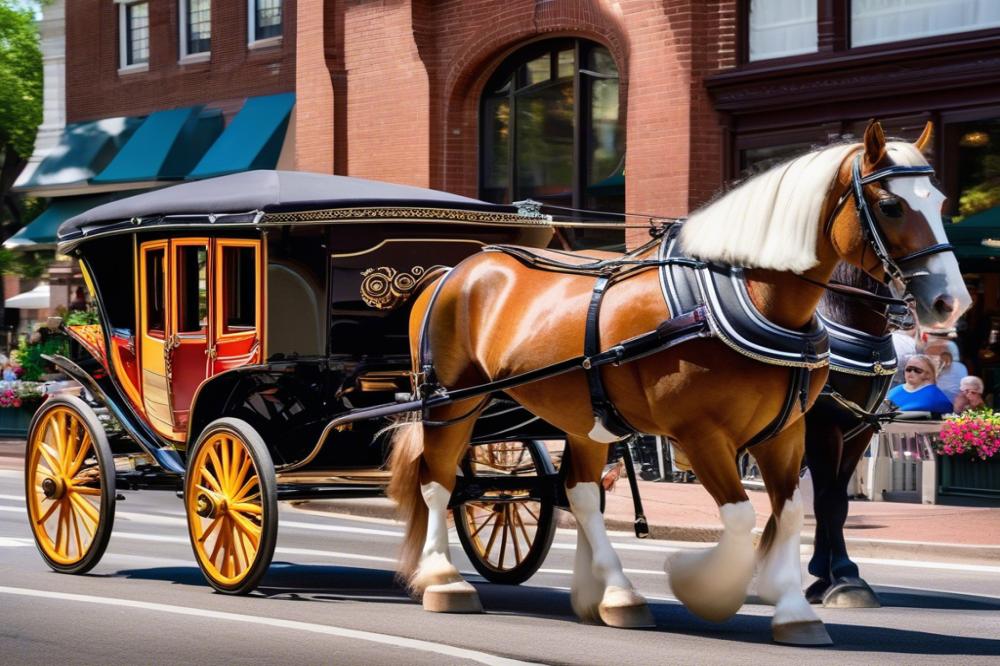
Missouri’s carriage horses: Keeping History Alive in St. Louis and Beyond
The significance of carriage horses in Missouri extends far beyond their picturesque appearances. Their role in the state’s culture is pivotal. As we walk through the streets of St. Louis, these horses connect us to a past filled with tradition and charm. They remind visitors and locals alike of how life once flowed at a much slower pace.
horse-drawn carriages serve as living monuments to a bygone era. This unique mode of transport has preserved cultural practices and stories in cities like St. Louis. With every ride, passengers experience the gentle rhythm of hoofbeats echoing through the city’s historic landscapes. Generations have passed down tales of how these stunning animals contributed to daily life in the 19th century.
Tourism thrives on experiences that evoke nostalgia. St. Louis attractions leverage the magic of carriage rides, drawing both tourists and residents. Visitors often find joy in exploring the city’s rich history as they trot along picturesque routes. From the Gateway Arch to Forest Park, the blend of modernity and history captures the heart of every traveler.
Engaging with these horses fosters an understanding of St. Louis history. It invites reflection on the dynamic changes that have shaped the region. As tourists sit back and soak in the sights, they can appreciate the stories behind the landmarks. horse-drawn carriages do more than merely transport; they narrate a lineage that links us to Missouri’s vibrant past.
Carriage Horses: A Historical Perspective
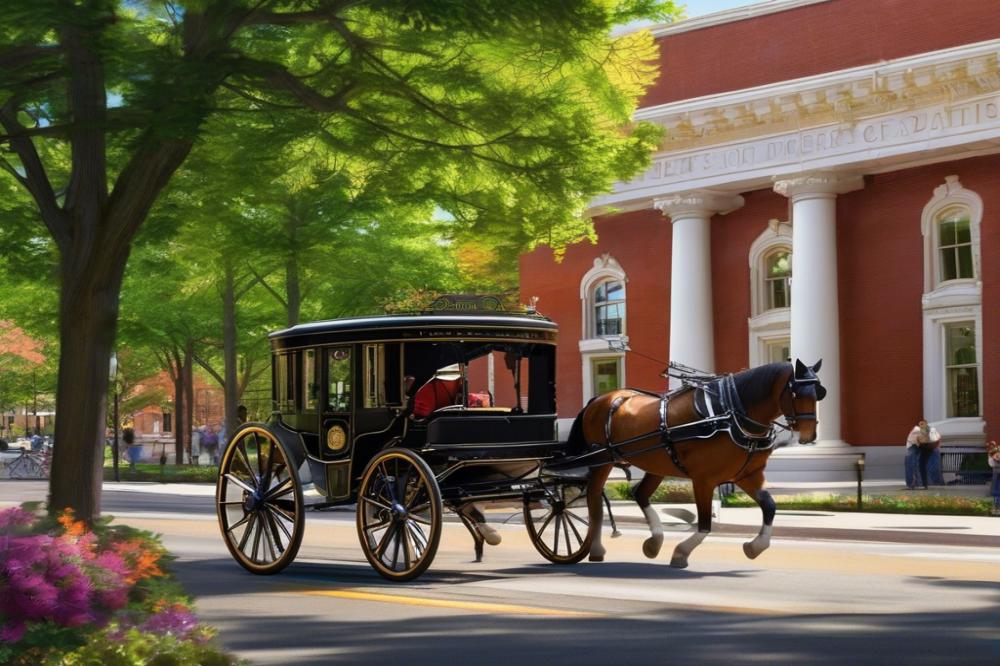
Carriage horses played a significant role in Missouri’s development. From the early days of St. Louis, these animals were vital for transportation. They helped people move goods, travel for work, and explore the emerging city. As St. Louis grew, the demand for horse-drawn carriages increased. Many families relied on these horses for daily life.
Over time, horse-drawn carriage services evolved to meet changing needs. Initially, they served as the main mode of transport for everyone. Wealthy citizens often hired coaches for special occasions, while some used simpler wagons for errands. As technology advanced, the city saw the rise of automobiles. This shift impacted the role of wagons and horses in urban environments.
Despite changes, carriage services remained a cherished tradition. Residents and tourists alike enjoy carriage rides through historic areas. These experiences offer a glimpse into life from a different era. Tourists especially appreciate the view and charm of the old streets.
Urban development continues to influence wildlife in the city. Carriage horses, along with their carriages, provide a unique connection to nature. Their presence encourages a balance between modern life and historical appreciation. However, city growth can challenge urban ecosystems. Nearby parks and natural spaces often feel the impact of expanding neighborhoods.
As St. Louis progresses, maintaining a sense of history becomes essential. Carriage services provide a tangible link to the past. They remind everyone of a time when horses were integral to daily life. By embracing this history, the city fosters an appreciation for its roots amidst ongoing change.
The Experience of Horse-Drawn Carriage Rides
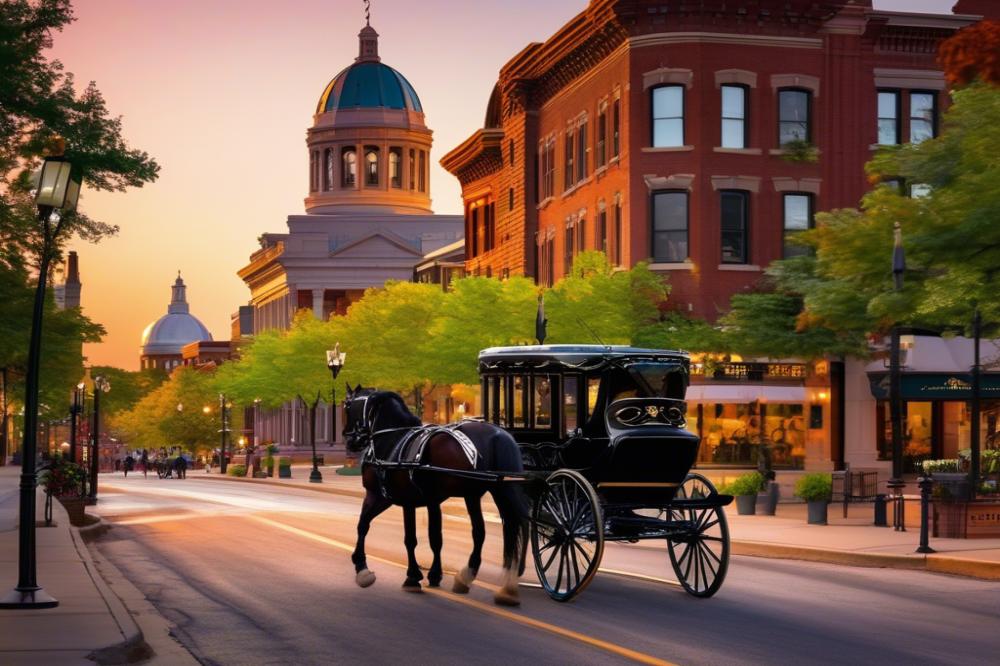
Riding in a horse-drawn carriage offers a charming way to explore St. Louis. Passengers sit back and savor the sights, feeling a connection to the city’s rich history. Each ride provides a gentle pace, allowing visitors to appreciate the surroundings. Soft clops of hooves create a relaxing soundtrack, enhancing the experience.
Many tours focus on historic landmarks. Knowledgeable guides share stories of St. Louis, bringing history to life. Iconic sites include the Arch, Forest Park, and the historic Lafayette Square. Travelers often learn about the city’s origins, significant events, and notable figures. This combination of sightseeing and education makes for an enriching experience.
Carriage rides also lead to various attractions. Guests can unwind at beautiful parks, such as the Missouri Botanical Garden or Tower Grove Park. Cultural spots like the Saint Louis Art Museum are easily accessible as well. After a carriage ride, visitors often find themselves eager to explore these areas further. Each stop fosters a deeper appreciation for the city’s heritage.
These excursions cater to all ages, ensuring everyone enjoys the journey. Families with children find the experience magical. Couples look for a romantic way to spend an afternoon. Friends seeking a fun outing often discover a new favorite activity. A horse-drawn carriage ride can meet various interests and needs.
Equine Welfare and Preservation Efforts
The welfare of carriage horses is a significant concern for many in St. Louis and elsewhere. These majestic animals deserve care that meets both their physical and emotional needs. Proper nutrition, regular exercise, and veterinary attention are essential components of their well-being. Carriage horse owners and operators often face the challenge of providing a safe and comfortable environment.
Standards for care and maintenance within this industry vary. Responsible operators typically follow guidelines set by local regulations and animal welfare organizations. This includes ensuring that the horses receive adequate rest between work shifts. Many places also have rules about their work environment, such as avoiding extreme weather conditions.
Numerous organizations focus on the welfare of horses and advocate for their rights. Groups like the Humane Society and local equine welfare initiatives play critical roles. They offer resources on best practices for care and rehabilitation. Community awareness is also pivotal. Educational programs help raise consciousness about the responsibilities that come with owning and working with horses.
Challenges still exist in this field. Public perceptions about the use of horses for labor can be mixed. Advocates push for sustainable practices and a focus on humane treatment. By calling attention to these pressing matters, the conversation expands, leading to better conditions for horses everywhere.
Carriage Horses in Modern Tourism
In many cities, horse-drawn carriages have become a symbol of charm and nostalgia. St. Louis is no exception. Tourists flock to the city, eager to experience a ride through its historic neighborhoods. This experience allows them to connect with the past in a way that is both enjoyable and memorable.
These rides do more than just entertain. They also bring in crucial income for local businesses. Tour operators rely on these services, often creating partnerships with nearby shops and restaurants. Visitors frequently indulge in dining or shopping after their carriage journey. As a result, neighborhoods thrive when tourists explore them on these classic rides.
Moreover, the presence of carriage services adds a rich layer to the cultural scene. Locals often take pride in preserving this tradition. Community support for these businesses is vital. Many residents advocate for the preservation of these historical experiences, viewing them as integral to the city’s identity. Events and festivals often feature these rides, further embedding them in the local culture.
Tour guides frequently share fascinating stories about St. Louis’s history during these rides. This educational aspect enhances the experience, making it more than just a pleasure stroll. Tourists leave with a deeper appreciation for the city’s heritage. It feels like they are traveling back in time, guided by the rhythmic clip-clop of hooves on pavement.
In summary, carriage rides are not just a means of transportation. They symbolize a blend of tourism, economics, and community spirit. For many, they represent memories and moments spent cherishing the past. Support for such services contributes significantly to keeping St. Louis’s history alive, one ride at a time.
Looking Ahead for Missouri’s Horse-Drawn Carriage Experience
Recapping the significance of horse-drawn carriages shows how they play a vital role in keeping the history of Missouri alive. These beautiful animals offer more than just rides; they provide a window into a bygone era. Each journey through the streets tells stories of St. Louis’s past, captivating both locals and visitors alike.
Maintaining support for these historic tours is essential. People who appreciate the charm and elegance of a carriage ride contribute to their preservation. Engaging in this unique experience helps ensure that the culture surrounding these equine companions continues to thrive.
Looking ahead, the future appears bright for this tradition in Missouri. Expanding tourism will likely enhance interest in horse-drawn carriages, attracting more people to discover the charm of St. Louis. As communities recognize the value of these experiences, they will foster an environment where both the horses and the history they represent can flourish. In doing so, Missourians can embrace their heritage while enjoying the present moment.

