

Importance of Reliable horse transport
Transporting horses can be a crucial challenge for owners. Horses are sensitive animals and require special care during travel. For this reason, selecting a reliable service is essential. A trusted provider helps reduce stress for both the horse and the owner. When you choose the right transport company, you set the stage for a successful journey. Every detail matters when it comes to their well-being.
Overview of Considerations for Safe Horse Travel
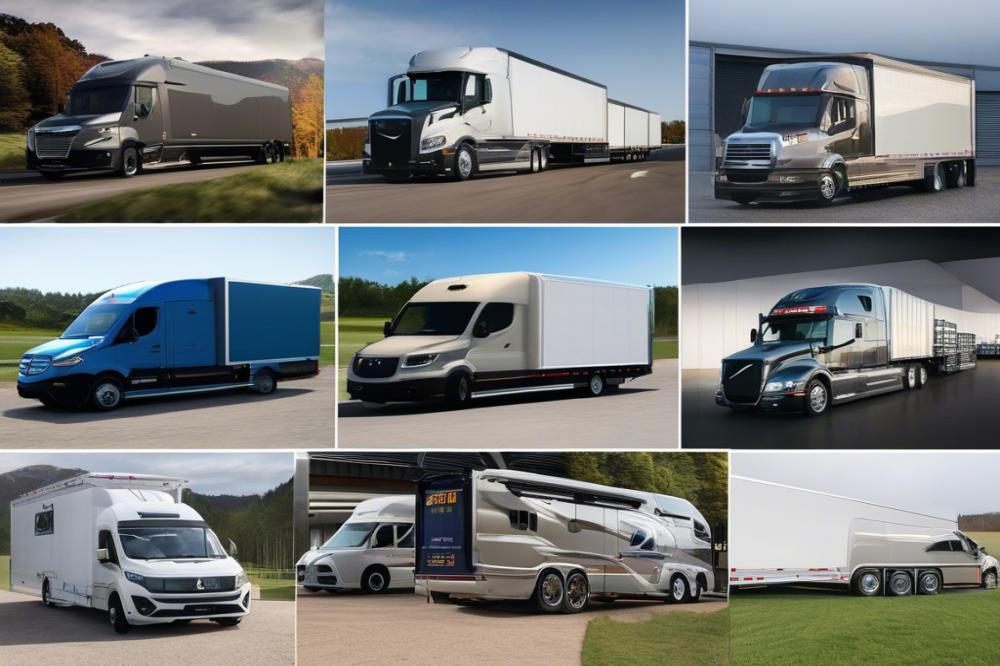
Several factors influence the long-distance movement of horses. First, the type of trailer used plays a vital role. It should cater specifically to the needs of these animals. Good ventilation and proper flooring are key components. Next, look at the experience of the driver. An experienced driver understands how to handle horses in transit. They should be familiar with any specific needs your animal may have.
Moreover, the route taken can affect the trip’s overall safety. Some roads are smoother than others, which can make a big difference. Additionally, check the weather conditions before the journey. Extreme heat or cold can pose risks to your horse’s health. When planning for safe horse shipping, consulting with veterinarians may also provide valuable insights. They can advise on travel prep, such as feeding schedules and calming aids.
In conclusion, safe horse transport requires careful thought and planning. You want the journey to be as stress-free as possible for your beloved animal. Being aware of all these different considerations can lead to a more successful experience.
Understanding Horse Transport

Horse transport is the movement of horses from one location to another. It plays a critical role in various equestrian activities. Whether it’s for competitions, breeding, or relocation, safe transport is essential for the well-being of the horse. Understanding how this process works helps horse owners make informed decisions.
Types of equine transportation Services
There are several types of services available for transporting horses. One option is the use of professional horse haulers. These companies specialize in equine transportation and often have specialized trailers designed for safety and comfort. Some horse owners might choose a self-transport method. However, this requires knowledge of proper loading and driving techniques.
Another service involves local transporters. They can assist with short-distance moves, often at a lower cost. In addition, some horse owners may employ a transport option that combines horses with other livestock. This can save money but might not always prioritize horse care.
Key Aspects of horse hauling and Logistics
Several key factors impact the successful journey of a horse. First, the condition of the transport vehicle matters immensely. Trailers must be well-maintained and equipped for the specific needs of horses. Ventilation, space, and safety features should all be assessed prior to a trip.
Planning the route is just as important. A direct route with minimal stops is usually best. Long hauls can be stressful for horses, so breaks for rest and hydration are crucial during extended travel.
Weather conditions also play a significant role in logistics. Heat waves or winter storms can create risks. Owners should monitor forecasts and adjust travel plans as needed. Each of these considerations contributes to a safe and smooth transport experience for horses.
Evaluating Transport Services
Finding a trustworthy horse shipping company is essential for your pet’s safety. Start by gathering a list of potential movers. Online searches can reveal many options. Look for companies with positive reviews and a solid reputation. Local recommendations from horse owners can also guide your choices. Word-of-mouth often leads to reliable contacts.
Next, investigate the qualifications of professional horse movers. Ensure their drivers have experience with equine transport. This experience can make a significant difference in your horse’s comfort. Check if they are certified in safe handling practices. Licensing and insurance also matter a great deal. Ask about the vehicle used for transport as well, since it should be specifically designed for horses.
Customer testimonials provide insight into the company’s operations. Take time to read reviews on various platforms. They often reflect real experiences and concerns. Pay attention to comments about safety and care during transportation. Professional recommendations from veterinarians or trainers can be very helpful, too. Those who work closely with horses have valuable perspectives on trustworthy services.
Always choose a company that prioritizes communication. Your comfort level matters. Clear dialogue with the transporter can make the entire process smoother. Discuss your horse’s specific needs and any concerns you may have. This interaction can ease anxiety and build trust before the journey. Make sure you feel confident in your decision.
Safety Features in Horse Trailers
Types of Horse Trailers Suitable for Transport
Different types of horse trailers are available for transporting your equine companion. There are two main categories: bumper pull and gooseneck. Bumper pull trailers are lighter and easier to handle for smaller vehicles. Gooseneck trailers, however, offer better stability and can carry larger loads. Consider the size of your horse when choosing the right option. Some trailers can hold two horses, while larger models accommodate more. Think about your specific needs before making a choice.
Essential Safety Features to Look For in a Horse Trailer
Safety should always come first. Look for trailers with sturdy construction. Trailers made of steel or aluminum often provide better durability. Secure latches are crucial. Check for breakaway brakes, as they can prevent accidents in case of disconnection from the towing vehicle. Loading ramps must also be reliable and easy for your horse to navigate. An anti-collision system can help avoid injuries during transport.
The Importance of Proper Ventilation, Space, and Security Measures
Proper ventilation is essential for your horse’s comfort. Stale air can lead to respiratory issues during long trips. Adequate space prevents your horse from feeling cramped. Both stall size and trailer layout matter greatly. Your horse should be able to stand comfortably and shift its weight easily. Security measures are also vital. Trailers with locks can protect your horse and valuable equipment from theft. Always inspect the trailer before departure to guarantee a safe journey for your horse.
Planning for Horse Travel Safety
Preparing for travel is essential for your horse. Start by getting your horse used to being in a trailer. Spend time loading and unloading at home. This will make them comfortable and relaxed during the journey. Familiarity can ease anxiety. Providing treats during this practice can help as well.
Necessary Health Checks and Documentation Required
Health checks are a priority before you hit the road. Consult with your veterinarian to confirm your horse is in good shape for travel. Some states require specific vaccinations. Be sure to have health certificates ready. Keep a copy of these documents with you. This way, if you have to stop, you can easily present them if needed.
Essential Items to Include for a Safe Journey
Packing the right items is crucial for safety. Bring plenty of fresh water to keep your horse hydrated. Hay should also be included for nourishment during transit. In case of an emergency, a first-aid kit with essential supplies is important. Make sure to include items like bandages and antiseptic. If your horse has any comfort items, such as a favorite blanket, bring that too. Familiar smells can provide comfort during long journeys.
Cost Considerations for Horse Transport
Understanding the costs associated with transporting a horse can be a bit tricky. Various factors influence the total price. Distance, vehicle type, and additional services all play a role in determining the final cost. For example, longer trips typically require more fuel and time, which can increase expenses. Additionally, specialized trailers may also come with higher rates.
Comparing quotes from different equestrian services is an important step. Start by gathering estimates from several transport providers. Each company will have its pricing structure, so it’s wise to look closely at what’s included. Some companies might offer extra care for the horse, while others may provide basic transport only. Take time to read the fine print; hidden fees can sometimes surprise you.
Evaluating value versus affordability is crucial in making a decision. Low prices can be tempting, but cheaper options may lack crucial services. Consider what you value most. Do you want a reliable service that has experience? Or is a lower cost more important to you? Weigh the pros and cons of each option. Making the right choice means balancing your budget with the safety and comfort of your horse.
It’s beneficial to ask questions. How often do they transport horses? What do they do to keep the horses comfortable during the trip? Talking to past customers can give helpful insights. Their experiences can provide a clearer picture of what to expect.
Finally, make sure that any service you consider has good safety practices. Properly equipped vehicles and knowledgeable staff are essential for a safe journey. Remember, your horse’s well-being should always be the top priority.
Wrapping Up Your Horse Transport Decisions
Recapping key points can help clarify the process of selecting the best transport for your horse. Start by checking credentials and experience. A company with a solid reputation in equine transportation indicates reliability. Look for testimonials from other horse owners. These give insight into the service quality you might expect.
Safety stands as the top priority in horse hauling. Proper equipment and knowledgeable drivers play critical roles in protecting your animal during transit. Before you commit, ask about their safety practices and how they handle emergencies. Your horse’s comfort during travel cannot be overlooked, either. A smooth ride contributes to less stress for both you and your equine friend.
Finally, remember that preparation leads to a smooth journey. Have all necessary documents ready, and confirm details with the transport service ahead of time. Taking time to plan properly reduces worries as the travel day approaches. Prioritize your horse’s wellbeing to ensure a positive experience which benefits everyone involved. In the end, a little diligence goes a long way toward ensuring your horse arrives safely and comfortably at its destination.

