
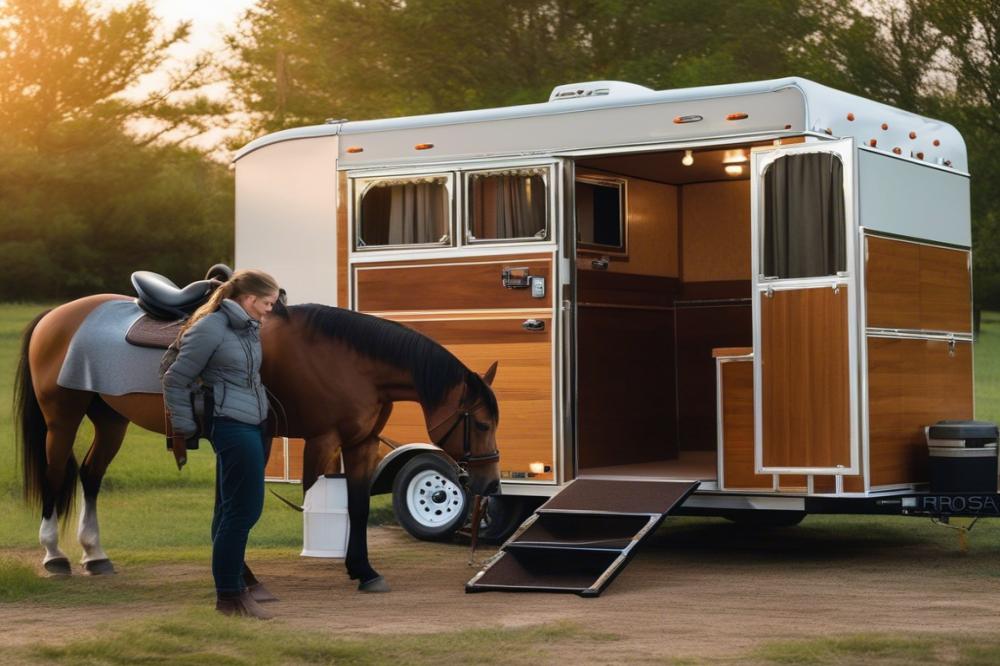
Preparing Your Horse for a Smooth and Stress-Free Trip
Horse travel can be a daunting task for many owners, yet proper planning makes a world of difference. Taking the time to prepare ensures a smoother experience for both horse and rider. It is crucial to recognize that well-prepared horses experience less anxiety while traveling. This reduces the chance of problems arising during transit.
Benefits of a stress-free horse trip are plentiful. For horses, they lead to lower stress levels. Calm animals are often healthier and more focused. Owners also enjoy peace of mind knowing they have done their part to help. When both horse and rider feel at ease, the journey becomes more enjoyable.
This guide will cover key components that contribute to effective horse travel preparation. Topics will include health checks, proper equipment, and techniques for loading and unloading. Focusing on these vital areas can transform the travel experience for everyone involved.
horse travel preparation
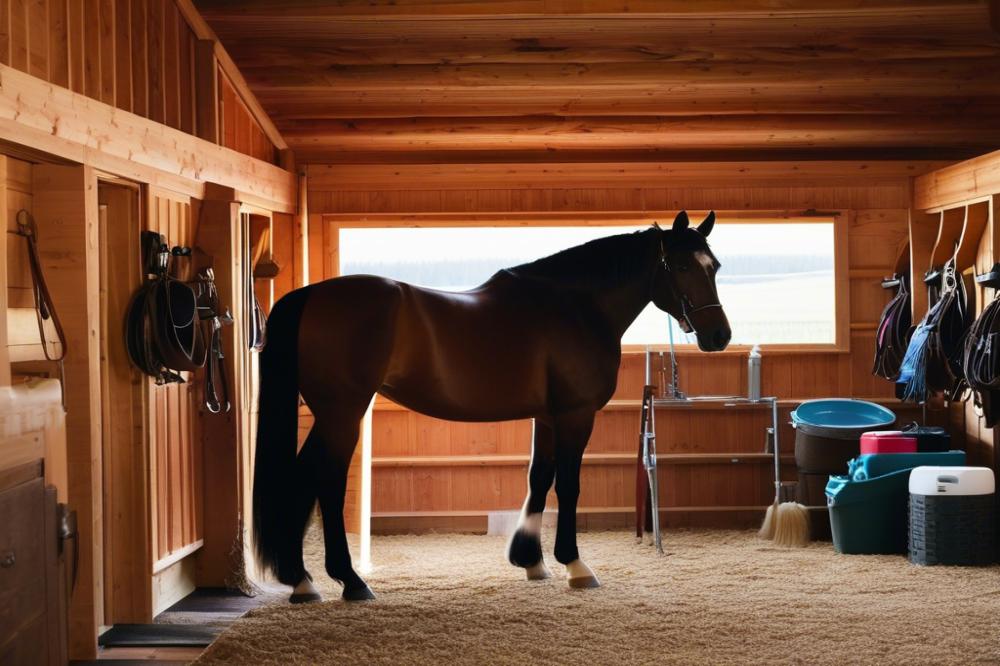
Traveling with horses involves much more than loading them into a trailer and hitting the road. Careful horse travel preparation is necessary to prevent unforeseen issues. This process begins long before you leave your property. Advanced planning can lead to a more enjoyable journey for both you and your horse. Stressful situations can often arise during transport, so taking steps to avoid these is crucial.
First, familiarize your horse with the trailer. If your horse is not comfortable getting in and out, focus on desensitization techniques. Simply spending time near the trailer can help. Allowing your horse to explore the area around the trailer builds confidence. When your horse trusts this environment, loading becomes much easier.
Next, check your gear well ahead of time. Look over your trailer and make sure it is in good condition. Inspect the flooring, doors, and partitions. You want everything to be secure and safe during transport. Having a checklist can be useful. This keeps you organized and assures you won’t forget vital equipment.
Feeding and watering are also integral to planning. Be mindful of your horse’s schedule. They may stress if their feeding times are disrupted. Take along hay and water if the trip is lengthy. This way, your horse can remain nourished and hydrated, which is essential for their comfort and health.
Health can be a concern when traveling. A recent veterinary check-up can ease worries. Get a copy of your horse’s health records, especially if crossing state lines. Some places may require proof of vaccinations or specific health certifications. Having this paperwork on hand helps avoid unnecessary complications.
Lastly, consider the route you plan to take. Identify any potential challenges along the way, such as busy highways or steep roads. Map out rest stops to allow your horse to stretch. Frequent breaks help reduce anxiety and keep your horse calm. Good planning leads to a more pleasant experience overall.
Route Planning
Choosing the right route for horse transport is crucial. It can make a big difference in your horse’s comfort and safety. Consider the road conditions carefully before setting off. Look for smooth, well-maintained roads to minimize jolts and bumps.
Distance matters, too. Long trips can be stressful for your horse. Take time to calculate how far you will travel and how long it might take. A well-planned route can help avoid unnecessary delays and ensure a smoother journey.
Identifying rest areas is essential. Horses, like people, need breaks during long rides. Look for safe locations where you can stop and check on your horse. Short stops allow your horse to stretch and drink water. Creating a schedule that includes regular pause points helps maintain overall well-being.
Consider the weather conditions along the route as well. Rain and snow can create slippery roads. Hilly areas might pose challenges, especially for larger horse trailers. Adapting your plan to incorporate safer paths will benefit you and your horse.
Always have a backup plan in mind. Road closures or traffic can change quickly. Knowing alternative routes can help you steer clear of delays. Remaining flexible during travel contributes to a calmer experience for both you and your horse.
Horse Trailer Loading
Loading your horse into a trailer can be challenging. Many horses feel anxious when facing new environments. To make this process smoother, understanding some practical tips is essential.
Tips for Effective and Safe Loading
Begin by making the trailer inviting. Leave the door open and allow your horse to explore. Use treats to encourage them to step inside. A calm atmosphere helps tremendously. Stay patient. Rushing the process only adds stress for both of you.
When you lead your horse towards the trailer, use a halter and lead rope. Maintain a relaxed grip on the rope. If your horse resists, calmly back away and give them space. This helps them feel less pressured. Emphasize gentle movements. Jerky motions can lead to discomfort.
Techniques to Make Loading Easier
Consistency is key. Practice loading in a safe environment before the trip. Repeated exposure helps your horse become familiar with the trailer. If your horse is hesitant, consider using a training technique called “joining up,” where mobility is emphasized over confinement. Some horses benefit from having a buddy beside them; a familiar companion can ease anxiety.
Use a calming voice throughout the loading process. Verbal reassurance can comfort your horse. Remember, maintaining a positive attitude matters. Horses are sensitive to human emotions. Your calmness can promote better behavior.
Best Practices for Securing Your Horse During Transport
Once loaded, securing your horse is the next step. Make sure the halter fits properly and the lead rope is attached safely. Avoid using chains unless absolutely necessary. Safety is paramount. If your horse has a tendency to move around, consider using internal dividers within the trailer. These dividers can prevent unwanted movement.
Check the trailer temperature before hitting the road. Proper ventilation is crucial, especially during warm weather. Ensure your horse has sufficient space to stand comfortably without feeling cramped. Trip duration may vary, so plan breaks along the way. This allows your horse to stretch and relax.
Regularly check on your horse while traveling. A quick glance can identify signs of discomfort or anxiety. Communication is essential, even during the drive. Soft words can soothe and keep them calm. With the right preparation and techniques, trailer loading and transport can become a more enjoyable experience.
Horse Health Check
Preparing for travel involves more than just packing hay and equipment. A pre-travel health check for your horse is essential. This step can help identify any potential issues that may arise during the trip. Horses can be sensitive animals, and their well-being should always come first. By ensuring they are in good health, you can both minimize stress and avoid unnecessary complications on the road.
Importance of a Pre-Travel Health Check
Recognizing health problems early can save you time, money, and worry. A clean bill of health means your horse is ready to face new environments without undue stress. Traveling can be challenging for horses, especially if they are not feeling their best. Regular health checks help you stay ahead of any potential concerns and can make the journey much smoother.
What to Look for During the Health Check
When conducting a health check, observe your horse’s overall demeanor. Look for signs of colic or discomfort, such as restlessness or lack of appetite. Take note of their coat; a shiny, free of lumps or sores coat is a good sign. Ensure that their hooves are well-trimmed and free of stones or cracks. Pay particular attention to their temperature, pulse, and respiration rate. If anything seems unusual, it’s better to address it before travel.
Consulting with a Veterinarian Before Travel
Reaching out to a veterinarian is a smart move. Professionals can provide insights specific to your horse’s needs. They may recommend vaccinations or other preventative measures based on the destination. Make sure all records are up to date, as many facilities require proof of health before allowing horses on their property. Regular communication with a vet can help you make the best choices for your horse’s journey. Travel plans are easier when you have peace of mind about your horse’s health.
Hydration for Horses
Keeping your horse hydrated before and during a trip is critical. Dehydration can lead to serious health issues, especially during transport. A well-hydrated horse is more likely to feel comfortable and calm, making the journey smoother for both of you.
Tips for Offering Water
Make water readily available before loading your horse. Offer a drink right before heading out. Horses have unique preferences, so try different sources if your horse hesitates. Consider bringing fresh water in a familiar bucket. Familiarity can encourage them to drink more. During long trips, take regular breaks to provide water. A good rule is to stop every few hours, especially on hot days.
Signs of Dehydration
Watch for signs that your horse might be dehydrated. A dry nose or mouth can indicate fluid loss. Check their skin elasticity by pinching the skin. If it doesn’t bounce back quickly, dehydration may be an issue. Pay attention to their behavior as well. Lethargy or loss of appetite can be serious warning signs. It’s best to be proactive rather than reactive when it comes to hydration.
Feeding Before Travel
Preparing to travel with your horse requires careful attention to their feeding routine. It is crucial to plan meals ahead of time, especially to avoid digestive disturbances. Horses have sensitive stomachs, and the stress of travel can exacerbate these issues.
Timing is everything. Aim to feed your horse about three to four hours before departure. This allows enough time for digestion, reducing the risk of colic. Avoid feeding them right before loading. The jostling of the trailer can unsettle their stomachs, leading to discomfort.
Choosing the right type of food is also important. Stick to their regular grain or hay to keep their diet consistent. Introducing new foods at the last minute can lead to an upset stomach. If your horse thrives on a specific diet, stay with it even during travel.
Consider travel-friendly snacks as well. Carrots and apples are excellent, nutritious options that most horses enjoy. These treats can help keep your horse calm and provide a welcome distraction during the trip. Small hay cubes are another good choice; they can be fed easily without making a mess.
Hydration matters just as much as feeding. Make sure to offer water before you leave. If the trip is long, bring along a portable water container to keep your horse hydrated along the way. Provide access to water whenever possible, as dehydration can lead to bigger problems later.
Managing Horse Anxiety
Transporting a horse can be stressful for both the animal and the owner. Many horses feel anxious during travel. Recognizing this anxiety is the first step in managing it effectively.
Strategies to Calm Anxious Horses During Transport
Start by acclimating your horse to the trailer. Allowing them to explore the space can ease their nerves. Spend time with them near the trailer before the trip. This familiarity can make a big difference. Some owners find that leading their horse in and out several times helps build confidence. This simple act makes a horse feel more secure when it’s time to travel.
Using calming supplements may also be beneficial. Products like herbs or calming sprays can reduce anxiety levels. Talk to your veterinarian about options that work best for your horse’s needs. Additionally, consider playing soothing music during the journey. Horses, like humans, can respond positively to calming sounds. Soft melodies can create a more peaceful atmosphere.
Importance of a Calm Environment and Familiar Items
Creating a calming environment is essential for reducing anxiety. Transport vehicles should be safe, clean, and quiet. Avoid loud noises and sudden movements when loading and unloading. You might want to travel at times when roads are less busy. A smooth ride prevents added stress on your horse.
Bringing familiar items can have a comforting effect. Blankets, saddles, or even a favorite toy might help. These belongings remind the horse of home. A familiar scent can ease fears during travel. Involve your horse in the preparation process. Allow them to sniff and interact with their tools, instilling a sense of safety.
Techniques for Relaxing Your Horse Before and During the Trip
Prior to the trip, spend time grooming your horse. This not only calms the animal but strengthens the bond between you. Gentle brushing can help relax tense muscles. Consider practicing short rides to simulate longer journeys. This builds trust and helps the horse get used to movement.
Use breathing techniques during the trip. Horses can pick up on their rider’s calmness. Maintain a steady breath and speak softly to reassure them. If your horse begins to act anxious, take a moment to slow down. Allow them to rest and adjust to the situation.
During breaks, give your horse water and hay. These small comforts can ease tension. If you stop, check their stance and comfort level. Look for signs of distress. Being attentive can help prevent a small issue from escalating. Keeping your horse’s mind engaged will also divert attention from any anxiety.
Travel Gear
When preparing for a trip with your horse, having the right travel gear is crucial. This equipment helps keep your horse safe and comfortable throughout the journey. Essential items include a sturdy halter, lead rope, and a comfortable blanket, all of which play significant roles in ensuring your horse’s well-being.
Quality gear cannot be overstated. Cheap equipment can break or fail at the worst moments. Investing in well-made items offers peace of mind. Each piece should properly fit your horse, as poorly fitted gear can cause discomfort or even injury. Regularly checking the fit is a good habit that any horse owner should adopt.
Must-Have Items for Your Horse
One of the first items on your list should be a reliable halter and lead rope. Select a halter that is adjustable for an accurate fit. A lead rope with a panic snap is also highly recommended for quick release if needed. Additionally, consider using travel boots or wraps. These protect your horse’s legs against injury during transport.
Don’t forget a well-fitted fly mask to keep pesky insects away. This item can make your horse much more comfortable. Prepare a first aid kit for the trip. It should include bandages, antiseptic wipes, and any medications your horse may need. Being prepared can make all the difference in an emergency.
Trailer Essentials
A safe trailer is just as important as your horse’s gear. Check its structural integrity before hitting the road. Ensure that the floor is solid and clean. Proper ventilation and lighting are key to providing a comfortable environment inside. Adding rubber mats can increase traction and reduce stress on your horse’s legs.
Consider also utilizing tie rings inside the trailer to prevent your horse from moving too much. Many experts suggest traveling with a companion horse if possible. This can reduce anxiety and create a more relaxed atmosphere for both animals. Always check that the trailer safely attaches to your vehicle before you leave.
Some additional items worth bringing along include hay nets, water containers, and a travel-friendly feed bucket. Horses often feel better when they have access to familiar food during long trips. Trimming your horse’s hooves before the journey is another task to consider. Properly groomed hooves can prevent slipping and falling in transit.
travel tips
General tips for a successful horse travel experience
When planning a trip with your horse, organization is key. Start by checking the weather report. Inclement weather can impact travel plans and your horse’s comfort. Create a comfortable space for your horse in the trailer. If possible, use mats to provide grip and absorb shock. Loading should be calm and steady. Encourage your horse with a soft voice, reassuring him throughout the process.
During the journey, take breaks at regular intervals. This allows the horse to stretch and drink water. Make sure the trailer is adequately ventilated. Horses can handle different temperatures, but good airflow is crucial. Keeping the noise level down in the vehicle can also help your horse feel more at ease.
Preparation checklists and reminders for horse owners
Checklists are an effective way to prepare. List essential equipment like halters, lead ropes, and water buckets. Don’t forget to include first aid supplies, just in case of emergencies. Groom your horse before travel to minimize dusty or dirty conditions in the trailer. A clean coat helps monitor for any health issues as well.
Verify that your horse’s identification is current. This can be a crucial step if he gets loose or lost. Consider carrying a copy of his health records and vaccination history to streamline any potential needs at stops. A few days prior, get familiar with your route and plan each stop, allowing for rest and feeding times.
Final thoughts on creating a positive travel experience
Every horse is different. Some may take travel in stride, while others can feel anxious. Always monitor your horse’s behavior during the journey. If he seems stressed, talking softly or playing calming music can help settle him down.
Rewards can make travel enjoyable. Bring along favorites like treats or favorite toys. Create a comfortable atmosphere, and it will go a long way. Also, consider the trailer’s interior temperature. Keeping it cool in warm weather can help reduce your horse’s anxiety. Planning ahead will create a smooth travel experience for both you and your beloved equine companion.
Final Thoughts
In summary, we have explored essential methods for preparing your horse for an enjoyable journey. Throughout the article, we highlighted the significance of planning and attention to detail. First, getting your horse used to the trailer is crucial. Familiarity helps reduce anxiety for both you and your horse.
Next, organizing all necessary supplies can save time and headaches. Keeping a checklist handy can aid in making sure nothing is overlooked. Additionally, checking the weather and road conditions before departure is wise. This allows you to adapt your plans as needed.
Equine safety remains paramount during travel. Ensuring your horse is fit and healthy will contribute to a better experience. If possible, take time for practice runs. Mock trips can help both of you adjust to the travel routine. Engaging your horse in calm activities, such as light exercise or grooming, can alleviate pre-travel jitters.
Ultimately, remember that thorough preparation is the foundation of successful travel with your horse. By applying these travel tips, you can foster a smooth trip that prioritizes comfort and safety. Enjoy the journey ahead and cherish the adventures you will share with your equine companion.

