
Introduction
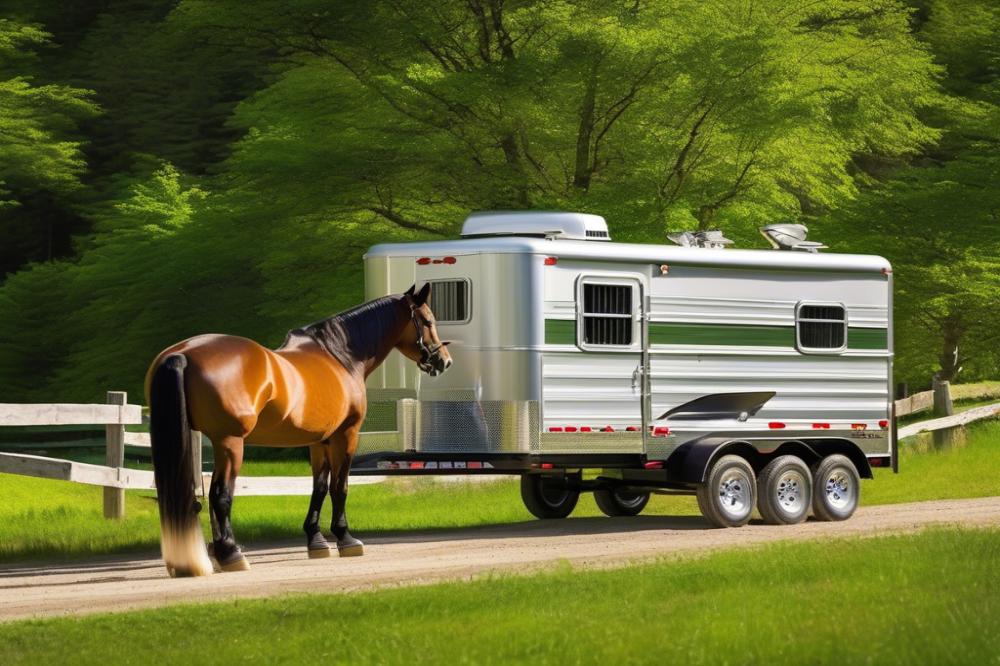
Transporting horses safely is crucial for both the animals and their owners. An unexpected accident can lead to injuries, creating stress for horses and their handlers. Proper training and knowledge about driving with a trailer can make a significant difference in avoiding such situations. Ensuring horses arrive safely at their destinations is fundamentally important.
Learning how to Tow a horse trailer can be a rewarding experience. It opens the door to adventures, competitions, and other events. While it may seem straightforward, there are several essential skills and guidelines to consider. Understanding how to properly hook up, drive, and park a trailer makes a huge impact on safety.
Many beginners face challenges when taking on this task. Judging distances while reversing can feel intimidating. Maintaining control on winding roads or busy highways poses its own set of difficulties. Many might not be aware of the necessary safety checks and equipment before embarking on a trip. Horse Trailer Safety requires attention and practice to build confidence behind the wheel.
Overall, those new to towing can benefit from learning the basic techniques. This guide will help demystify the process, making it easier to navigate the roads with confidence. With the right preparation and mindset, towing can become a manageable and even enjoyable part of horse ownership.
Understanding horse trailers
Types of Horse Trailers Available
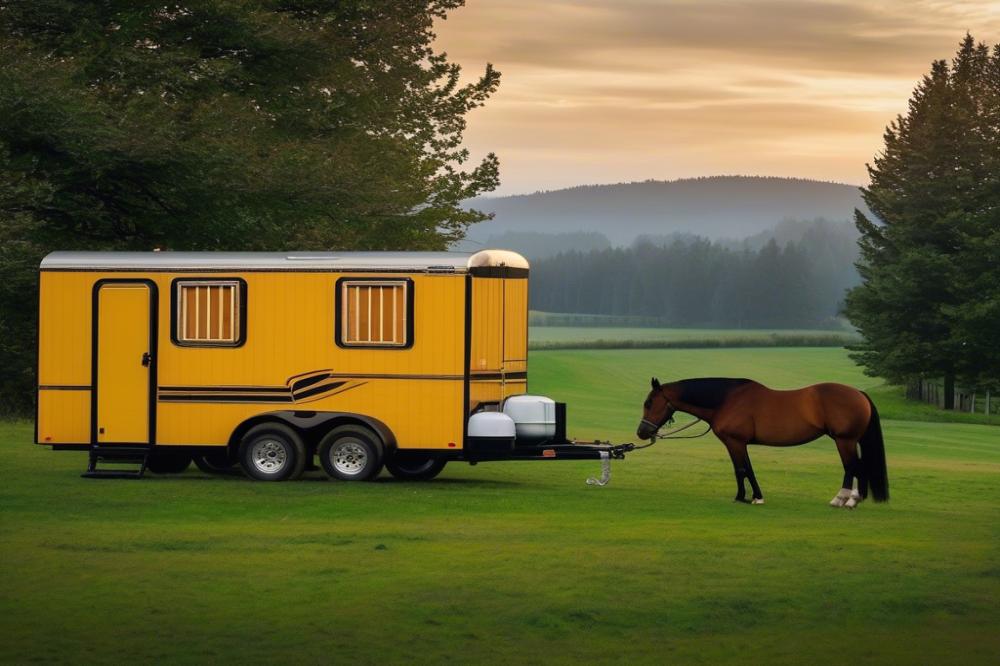
Different types of horse trailers exist to meet varied needs. A basic type is the straight-load trailer, ideal for horses that prefer to face the front during travel. Conversely, there are slant-load trailers, which allow horses to travel at an angle. Gooseneck trailers are another option, offering extra living space and stability. They attach to the truck bed, improving the towing experience. For those wanting a combination setup, stock trailers can also transport horses. Each type has its own advantages.
Key Features of a Horse Trailer
Several important features must be considered when choosing a horse trailer. Good ventilation is crucial. Horses need fresh air, especially during long trips. Also, look for secure tie-down points to keep them safe while traveling. Interior flooring should have a non-slip surface to reduce accidents. Some trailers come with padded dividers, which offer added comfort during transport. Windows that can be opened or closed are another beneficial feature.
Understanding Trailer Weight and Capacity
Weight and capacity play significant roles in towing safety. Every horse trailer has a specific weight limit. This limit includes the trailer’s own weight plus the horses it carries and any additional gear. Before towing, check the trailer’s Gross Vehicle Weight Rating (GVWR). This rating shows the maximum weight allowed. Your vehicle’s towing capacity must exceed the trailer’s weight. Calculate the total weight you plan to tow carefully. Remember, overloading can lead to dangerous situations on the road. Keep these factors in mind to maintain safety for both you and your horses.
Choosing the Right Towing Vehicle
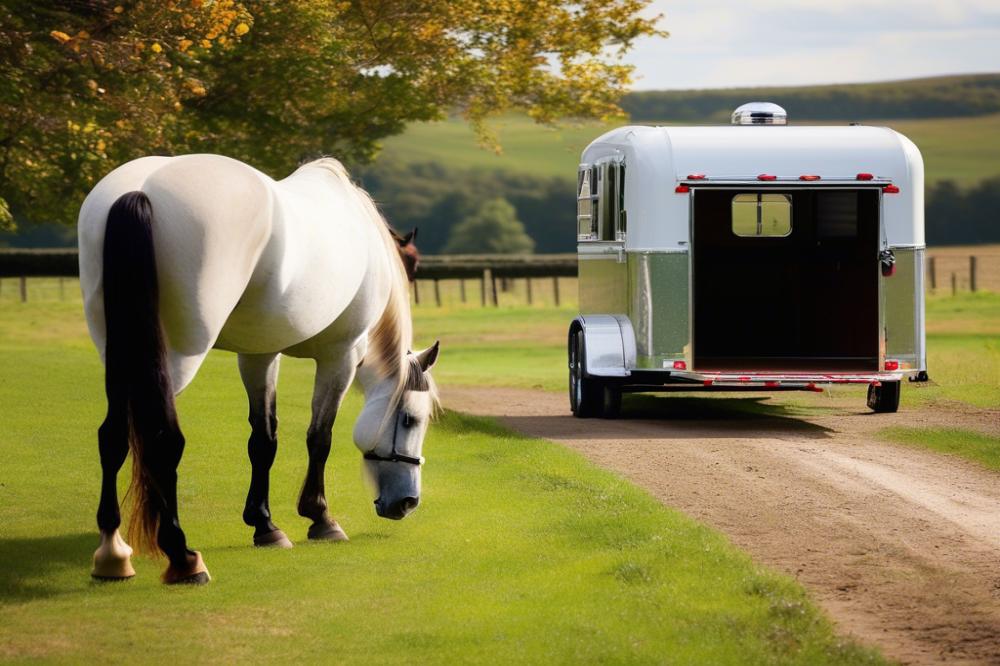
When it comes to towing a horse trailer, selecting the right vehicle is crucial. Many factors come into play. Towing capacity stands out as one of the most important. It indicates how much weight your vehicle can safely pull. Each vehicle has a manufacturer’s towing capacity, which should never be exceeded.
Specifications of the vehicle include engine power, drivetrain, and rear axle ratio. A vehicle needs enough horsepower to handle the load. Additionally, having a proper braking system is essential for safety. An inadequate braking system can lead to dangerous situations while on the road.
What to Consider When Selecting a Towing Vehicle
Besides towing capacity, think about the vehicle’s size and weight. Larger trucks or SUVs often provide better stability. They can handle rough terrains or steep inclines more effectively than smaller cars. Fuel efficiency is another aspect to keep in mind. Vehicles with higher horsepower might consume more fuel, which impacts overall costs.
Payload capacity matters as well. This refers to how much weight the vehicle can carry in addition to the trailer. Don’t overlook other features, such as a hitch type and location. The hitch must match the trailer for safe coupling. It can also influence how easy or difficult the towing process will be.
Compatibility with Different Horse Trailers
It’s not just about picking any truck or SUV. Compatibility with the specific horse trailer is necessary. Some trailers are heavier than others, and lightweight options might require different vehicles. Knowing the trailer’s weight is key. This allows for informed decisions regarding the vehicle that will be used.
Different horse trailers come with various designs and styles. Some have living quarters, which can add extra weight. Others might be straightforward, focusing solely on the horses. Ensuring that the towing vehicle is well-matched to the trailer style can enhance the overall experience.
Take time to research before making any purchases. Consulting with dealerships and experienced haulers can provide valuable insights. They often have practical knowledge that can guide your choices. Understanding your own needs will ultimately lead to a safer towing experience.
Hitching Techniques
Step-by-step guide to hitching a horse trailer
First, park your tow vehicle on firm, level ground. Pull the trailer close to the tow vehicle. Make sure the trailer is level. Align the hitch ball with the coupler. Once they are in line, back the tow vehicle slowly towards the trailer. Often, this is easier with someone guiding you. When the ball is directly below the coupler, you can lower it onto the ball.
After the trailer is on the ball, ensure it’s fully seated. Lock the coupler securely. A safety pin or latch often secures it in place. Next, attach safety chains to the hooks on the tow vehicle. Cross the chains under the coupler for extra security. Finally, connect the trailer’s lights to ensure visibility.
Importance of checking connections
Checking connections is a fundamental part of hitching. A loose coupler can lead to disastrous situations. Safety chains must be attached properly to keep the trailer connected. Trailer lights need to work for safe travel at night. Double-check your work to catch any errors before you start.
Each connection plays a significant role in keeping you safe. You should do a walk-around to visually inspect everything. It only takes a few moments but can prevent accidents.
Safety checks before hitting the road
Complete safety checks are essential before any trip. Check tire pressure on both the trailer and vehicle. Look for any signs of wear or damage on the tires. Ensure all lights, including brakes and turn signals, are functioning properly.
Verify that the load is balanced inside the trailer. An uneven load can create handling issues. It’s wise to make sure the brake system is operational. Finally, do a simple visual inspection of the hitch connections. Small details make a big difference in ensuring a smooth journey.
Loading and Load Balance
Best Practices for Loading Horses into the Trailer
When preparing to load a horse into a trailer, first make sure the area is calm and quiet. Horses can be sensitive creatures. Use a halter and lead rope to guide them. Standing beside the horse at its shoulder provides you with control. Encourage them to walk into the trailer slowly, allowing them to look inside first.
It is helpful to have a calm horse lead the way if you are loading multiple animals. This can create a comfortable atmosphere for everyone. Pay attention to the horse’s body language. Signs of stress include tossing the head, backing up, or refusing to enter. Patience is key when loading horses.
Understanding Load Balance for Safe Towing
Load balance is crucial for safe towing. Improper weight distribution can lead to accidents. The ideal setup places approximately 60% of the weight at the front and 40% at the back. This prevents swaying while on the road.
Position horses diagonally in the trailer. When two horses are loaded, one should stand in the left side and the other on the right. This helps maintain an even balance. If you find you have a heavy horse, place it towards the front of the trailer. A lighter horse can go to the back.
Tips for Properly Securing Horses
Securing the horse properly after loading is very important. Use cross-ties or hay nets to keep them calm and secure. Always check that the equine is comfortable. A secure, safe environment will help reduce anxiety during travel.
Before you hit the road, double-check every stall for robust ties. Make sure there is enough room for your horse to stand comfortably without feeling cramped. Avoiding excessive tightness in the ties is also critical. Leave some slack for easy movement but not enough that they can turn around.
Keep safety at the forefront of your mind. Properly loading, balancing, and securing your horse can make a great difference. With a little preparation and attention to detail, you can ensure a safe journey for both your horse and yourself.
towing tips for Beginners
Essential Safe Towing Practices
Before you start, check your trailer. Make sure the lights and brakes work properly. Proper hitching is key. Connect the trailer securely to your vehicle. A safety chain is vital; attach one in a crisscross pattern. This adds an extra layer of security. Weight distribution plays a role, too. Load the horse trailer wisely; the weight should be balanced. Keep heavier items towards the front. This helps with stability while driving.
Inspect your tires before leaving. They should be properly inflated and in good condition. Practice backing up in an empty lot. It’s not as easy as it looks. Familiarize yourself with how the trailer moves. You will need to turn wider than usual. Take your time to get comfortable with those movements.
Managing Speed and Stopping Distance
Speed limits shift when towing a trailer. Keep your speed lower than usual. This gives you better control. Stopping takes longer, too. Remember to increase your following distance. A longer gap will allow for gradual stops. This is especially important in wet or slippery conditions. Be aware of your surroundings. Watch for other vehicles, pedestrians, and animals.
Know your vehicle’s capabilities. Check how much weight it can safely tow. Always adhere to these limits for safety. Use lower gears while descending hills. This can help prevent overheating your brakes. Anticipate stops well in advance to avoid sudden braking. Smooth transitions keep everything steady.
Driving Techniques When Towing with Horses
Driving a loaded trailer requires special skills. Stay calm and focused behind the wheel. Avoid sudden lane changes or sharp turns. Use your mirrors frequently. They help track the trailer’s position. Use turn signals early. This allows others on the road to see your intentions.
When approaching roundabouts, slow down. The added weight changes how your vehicle responds. Merge carefully. Start turning well before you reach the corner. Hills require extra attention. Ascend slowly while keeping an even speed. On the way down, let the engine help slow you down.
Consider the weather conditions. Rain reduces traction significantly. Adjust your driving style accordingly. Keep in mind that strong winds can push your trailer. If you feel the trailer swaying, remain calm. Steer into the sway gently to regain control. Remember, practice makes perfect. The more you tow, the more confident you’ll become.
Trailer Brakes and Maintenance
Understanding Trailer Brake Systems
Trailer brakes are crucial for safe towing. They help control the speed and stop the trailer effectively. There are generally two types of brake systems: electric and hydraulic. Electric brakes receive power from the tow vehicle. This system usually allows for smoother stopping. Hydraulic brakes, on the other hand, use fluid pressure. They are often preferred for larger trailers. Knowing which system your trailer uses is essential. Familiarize yourself with its components and operation.
Importance of Regular Maintenance
Regular maintenance plays a vital role in brake performance. Inspect brakes at least once before every towing season. Checking for wear and tear can prevent dangerous situations. Look for signs of rust or corrosion on brake components. Additionally, ensure that the wiring is intact and not frayed. Brake pads and shoes should be in good condition. Replacing worn-out parts can make a big difference. Don’t forget to check the brake fluid level, too. Clean and lubricate brake components as needed. Neglecting these tasks could lead to unexpected failures.
Tips for Ensuring Brake Safety While Towing
Begin with a thorough inspection before hitting the road. Ensure that all lights are functioning, including brake lights. Adjust the brake controller to match the weight of the load. This adjustment can significantly improve stopping capability. While driving, maintain a safe distance from other vehicles. This gives you extra time to react if needed. Use smooth and gradual pressure on the brakes to avoid sudden stops. Be mindful of how the trailer responds. Every trailer handles differently, particularly during wet or uneven conditions. If you feel any unusual vibrations or sounds, consider pulling over to assess the situation. Trust your instincts; safety should always come first.
Driving with Horses
Preparing for the Journey
Before heading out, it’s crucial to prepare properly. Start by checking that your trailer is in good working order. Look for any worn tires or loose connections. Inspect the brakes and lights too; they are essential for safe travel. Loading the horses becomes easier with a plan. Make sure each horse is familiar with the trailer. Give them time to load at home before the trip. Packing supplies is also important. Haul along hay, water, and first aid essentials. Having a friend or family member with you can provide extra support.
Handling Common Road Challenges
Expect challenges along the way. Debris on the road can be hazardous, so stay alert to conditions. If you encounter rough terrain, slow down to maintain control. Turns and inclines require extra caution as well. Always remember that stopping distances may be longer when towing. Sample scenarios might include sudden stops or swerving to avoid an obstacle. Reacting calmly is key to keeping your horses safe. Make sure to monitor your mirrors frequently. This gives you a clear view of what’s happening behind you.
Tips for Keeping Horses Calm During Transport
Horses can be nervous while traveling. Start by creating a calm environment. Play soft music or keep the trailer quiet. Sturdy dividers within the trailer help maintain personal space. Provide plenty of bedding to make them comfortable. Check the temperature inside; ventilation is vital. If poses arise, like whinnying or pawing, stay calm yourself. Many horses respond to a soothing voice. Checking on them during stops can reassure both you and your animals. Regular breaks are crucial, allowing horses to stretch or drink. With careful planning, you can make the journey smoother for everyone involved.
Final Thoughts on Safe Towing
Safety should always be your top priority when it comes to towing a horse trailer. Understanding your vehicle’s capacity is crucial. Always check the weight limits before you start. Proper hitching and securing your load can prevent accidents. In addition, familiarize yourself with the towing equipment. Knowing how each component works will help you respond better in unexpected situations.
Every experience teaches something new. Continuous learning can greatly enhance your skills. Explore different resources, such as books or online courses. Engaging with fellow horse owners can provide valuable towing tips. Sharing experiences and insights helps build a safer community.
Practice is essential for developing confidence and expertise. Spend time honing your driving skills in quiet areas. Get accustomed to how the trailer behaves on the road. Over time, you will feel more at ease. Remember, experience fosters safety. Each trip offers lessons that help improve your approach.
Transporting your horse with safety in mind creates peace of mind for both you and your animal. Stay aware of your surroundings, check your equipment regularly, and never hesitate to seek advice. With dedication and patience, you will excel in safe horse transport.

