
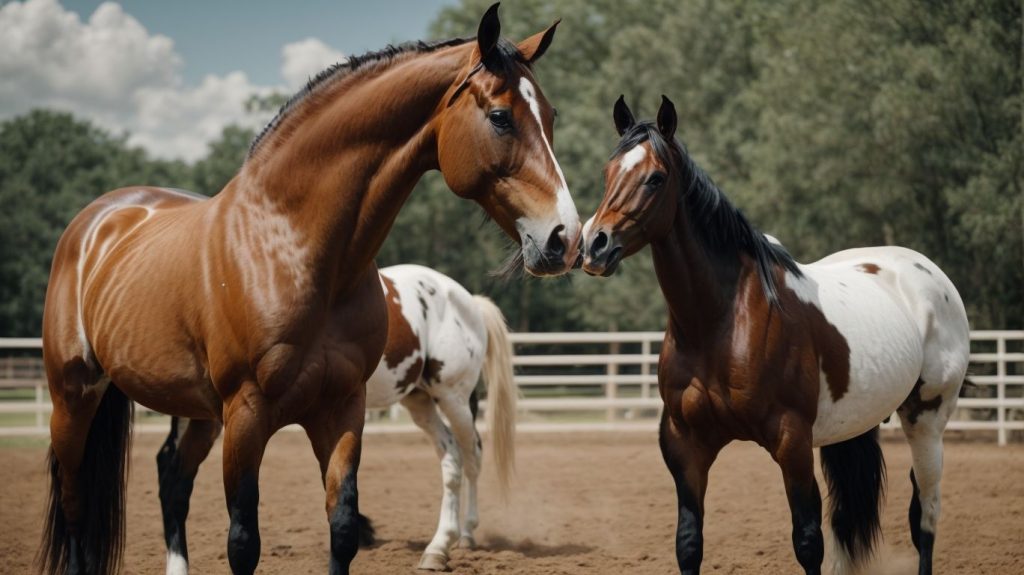
Are you curious about the differences between Paint horses and Tennessee Walking horses? In this comprehensive article, we will delve into the physical characteristics, history, uses, training methods, and controversies surrounding these two popular horse breeds. From their distinct coat colors and body types to their unique histories and controversies, we’ll explore the fascinating world of Paint horses and Tennessee Walking horses. Whether you’re a seasoned equestrian or simply have a passion for equine knowledge, this article aims to provide valuable insights into two of the most beloved horse breeds. So, saddle up and get ready to explore the captivating world of Paint and Tennessee Walking horses.
Key Takeaways:
What Are The Differences Between Paint Horses And Tennessee Walking Horses?
Paint Horses and Tennessee Walking Horses differ in various aspects, including their distinct gait, physical appearance, and preferred uses.
Paint Horses are characterized by their colorful coat patterns, often including distinct spots and patches of white and another color, while Tennessee Walking Horses are known for their smooth, four-beat ambling gait, providing a comfortable ride for long distances.
In terms of physical appearance, Paint Horses typically have a stocky build with powerful hindquarters, while Tennessee Walking Horses are known for their elegant, smooth lines and often have a refined head with expressive eyes.
Paint Horses are popular in Western riding disciplines such as reining, cutting, and rodeo events, whereas Tennessee Walking Horses excel in trail riding, endurance riding, and pleasure riding due to their naturally smooth gait.
What Are The Physical Characteristics Of Paint Horses And Tennessee Walking Horses?
Paint Horses and Tennessee Walking Horses exhibit distinct physical characteristics that contribute to their unique identities as breeds, including their gait, coat colors, and suitability for various riding activities.
Coat Color
The coat colors of Paint Horses and Tennessee Walking Horses exhibit diverse patterns and variations, contributing to the visual appeal and uniqueness of each breed.
The Paint Horse is known for its distinctive coat patterns, including overo, tobiano, and tovero. Overo horses usually have irregular white markings with dark color surrounding one or both eyes, while tobiano horses have white patterns that cross their backs. Tovero horses combine the characteristics of both overo and tobiano patterns.
On the other hand, Tennessee Walking Horses often showcase solid colors such as black, chestnut, or bay, with occasional variations like buckskin, palomino, or roan coats. These unique colors enhance the breed’s elegance and beauty, making them stand out in the equine world.
Body Type
The body types of Paint Horses and Tennessee Walking Horses encompass unique features and conformational attributes that define their respective breed standards and physical appearances.
Paint Horses are admired for their distinctive coat patterns, often characterized by bold splotches of white mixed with another color, such as black or chestnut, creating visually striking appearances. Their conformation typically embodies a strong, muscular build with a well-balanced frame and a medium-sized head marked by alert eyes and a refined, expressive face.
In contrast, Tennessee Walking Horses are recognized for their elegant stature, often distinguished by a long, arched neck, well-defined sloping shoulders, and a straight, sloping back that promotes their signature smooth gait. Their refined head and large, kind eyes add to their overall striking appearance.
Height and Weight
The height and weight specifications of Paint Horses and Tennessee Walking Horses vary, reflecting the breed-specific standards and ideal physical proportions for each type of horse.
Paint Horses typically stand between 14.2 and 16 hands high, with a weight ranging from 1,000 to 1,200 pounds. Well-proportioned, they should have a strong, muscular build with a balanced conformation.
The Tennessee Walking Horse, on the other hand, generally ranges from 14.3 to 17 hands high, weighing between 900 to 1,200 pounds. They are known for their elegant, graceful stature, with an emphasis on a smooth gait and excellent endurance. Each breed’s distinctive characteristics contribute to their unique height and weight ranges, aligning with their specific purposes and historical development.
What Is The History Of Paint Horses And Tennessee Walking Horses?
The history of Paint Horses and Tennessee Walking Horses is rich with tales of their lineage, genetic input, and remarkable contributions to the equestrian world, spanning through centuries of selective breeding and cultural influences.
Paint Horses
The history of Paint Horses is intertwined with their legacy as versatile and visually striking equine companions, bred for their distinctive coat patterns and valued for their contributions to various equestrian disciplines.
Originating from the Native American horses brought to the Americas by Spanish explorers, Paint Horses became an integral part of the Western frontier. Historically, they were prized for their sturdy build, agility, and ability to excel in ranch work and cattle herding.
With their colorful coat patterns and unique markings, Paint Horses have evolved into a distinct breed, recognized for their athleticism and gentle temperament. Their versatility extends to a wide range of disciplines, including Western pleasure, trail riding, and ranch competitions.
Tennessee Walking Horses
The historical narrative of Tennessee Walking Horses is characterized by their esteemed reputation as smooth-gaited and versatile equine partners, deeply rooted in the cultural heritage and equestrian traditions of the Southern United States.
Originating in the late 19th century, these magnificent horses were initially bred for traversing the challenging terrain of Tennessee plantations, showcasing a unique running walk that provided a comfortable ride for riders covering long distances. The Tennessee Walking Horse embodies a fundamental aspect of the region’s agricultural and leisure pursuits, from plantation workhorses to show ring champions.
They have left an indelible mark on the equestrian world, beloved for their exceptional stamina, gentle disposition, and extraordinary smooth gait, attracting enthusiasts from diverse backgrounds who appreciate their elegance and versatility. Often found in various equestrian disciplines, these horses have become synonymous with grace and poise, demonstrating the enduring influence on Southern equestrian culture.
What Are The Uses Of Paint Horses And Tennessee Walking Horses?
Paint Horses and Tennessee Walking Horses are valued for their versatility and prowess in a diverse array of equestrian activities, serving as trusted companions for riding, competition, and leisure pursuits.
Paint Horses
Paint Horses excel in a myriad of equestrian pursuits, showcasing their versatility and adaptability in disciplines such as pleasure riding, competitive events, and as esteemed companions for riders of all skill levels.
Their striking color patterns and graceful movements make them popular in Western riding, where their athleticism and agility are put to the test in activities like reining, cutting, and cow horse competitions. Their calm and gentle nature also makes them ideal candidates for therapeutic riding programs, providing comfort and enhancing the lives of individuals with special needs.
Tennessee Walking Horses
Tennessee Walking Horses are revered for their smooth gait and versatility, excelling in activities such as trail riding, endurance events, and as trusted companions for riders seeking comfort and elegance in the saddle.
Their unique four-beat, lateral gait, known as the running walk, sets them apart, providing a luxurious, gliding motion that minimizes rider fatigue during long rides. This gait makes them ideal for endurance riding, where their efficiency and smoothness contribute to the rider’s overall comfort and ability to cover long distances.
Not limited to trail and endurance activities, Tennessee Walking Horses also make remarkable show competitors, effortlessly showcasing their grace, poise, and rhythmic elegance in competitive equestrian activities. Their natural ability to execute a smooth and stylish gait captivates audiences and clinches top honors in various equine disciplines.
These horses enrich the leisure riding experience, effortlessly gliding through various terrains and providing a secure and comfortable ride. Their gentle temperament and willingness to please make them trusted companions for riders of all levels, enhancing the joy and relaxation of the equestrian lifestyle.
What Are The Training Methods For Paint Horses And Tennessee Walking Horses?

Credits: Horselife.Org – Ethan Perez
Effective training methods for Paint Horses and Tennessee Walking Horses encompass a holistic approach that prioritizes exercise, grooming, and hands-on experience to cultivate their physical abilities and mental acuity.
Paint Horses
Training Paint Horses involves dedicated grooming practices, tailored exercise routines, and providing enriching hands-on experiences to foster their physical fitness and mental well-being.
Paint Horses, known for their distinctive coat patterns and versatile abilities, require specialized training methods that cater to their unique attributes. Grooming plays a crucial role in their care, with regular brushing and cleaning to maintain their sleek coats and healthy skin. In addition, engaging exercise routines, such as trail riding or agility training, are essential for enhancing their strength, agility, and stamina.
Incorporating enriching hands-on experiences, such as ground training and socializing with other horses, contributes to their mental well-being and social development. This holistic approach to training not only enhances their physical fitness but also nurtures their intelligence and bonding with handlers.
Tennessee Walking Horses
The training regimen for Tennessee Walking Horses encompasses customized exercise programs, meticulous grooming routines, and consideration of their esteemed bloodlines to nurture their innate grace and agility.
Customized exercise programs play a pivotal role in enhancing the natural gait of Tennessee Walking Horses. These programs often involve a combination of gaited exercises, long-distance riding, and interval training to develop and maintain their signature smooth and ground-covering gait.
The meticulous grooming routines for these magnificent horses go beyond mere aesthetics; they are tailored to keep their distinctive feathering and flowing manes in optimal condition, presenting an exquisite appearance in the show ring and ensuring their comfort during rigorous training sessions.
The influence of esteemed bloodlines in shaping the grace and agility of Tennessee Walking Horses cannot be overstated. Breeders and trainers meticulously track the lineage and performance history of these horses, selecting for traits that epitomize the breed’s renowned elegance and athleticism.
What Are The Controversies Surrounding Paint Horses And Tennessee Walking Horses?
Controversies surrounding Paint Horses and Tennessee Walking Horses often revolve around concerns related to genetic input, coat patterns, and specific traits such as spotting, prompting discussions within the equine community and beyond.
Paint Horses
Controversies associated with Paint Horses often center around genetic diversity, paint coloration patterns, and the implications of specific breeding practices, sparking discussions and considerations within the equine community.
Paint Horses, known for their distinctive coloration patterns, have been a subject of debate due to the genetic factors underlying the coat colors and their potential impact on breeding. The intricate interplay of genes responsible for the unique coat patterns, such as tobiano, overo, and tovero, has led to discussions about the genetic complexity within the breed.
The implications of specific breeding practices, aimed at preserving and enhancing these coat patterns, have stirred controversies. Some breeders advocate for maintaining specific color patterns, whereas others emphasize the importance of preserving genetic diversity to safeguard the overall health and vigor of the Paint Horse population.
Tennessee Walking Horses
Controversies surrounding Tennessee Walking Horses often revolve around concerns related to genetic input, bloodlines, and the impact of selective breeding on their unique gait and conformation, igniting debates and considerations within the equine community.
Genetic concerns center around the prevalence of certain genetic markers in the breed, leading to discussions about the potential for hereditary health issues. The influence of specific bloodlines has also sparked heated debates, with breeders and enthusiasts emphasizing the importance of maintaining traditional bloodlines versus introducing new genetic diversity.
The practice of selective breeding has been a contentious issue, as some argue that it has resulted in exaggeration of the breed’s natural gait, potentially compromising their well-being. This has led to calls for stricter regulations to ensure the welfare of Tennessee Walking Horses is preserved.
Frequently Asked Questions
What is the difference between a Paint horse and a Tennessee Walking Horse?
The main difference between a Paint horse and a Tennessee Walking Horse is their breed. Paint horses are a registered breed known for their distinctive coat patterns, while Tennessee Walking Horses are a specific breed known for their smooth gait and easy-going temperament.
Can a Paint horse also be a Tennessee Walking Horse?
Yes, it is possible for a horse to be both a Paint horse and a Tennessee Walking Horse. As long as the horse meets the breed standards and is registered with both associations, it can be considered a Paint-Tennessee Walking Horse cross.
Which breed is better for trail riding, a Paint horse or a Tennessee Walking Horse?
Both breeds can make excellent trail horses, but the Tennessee Walking Horse may have a slight advantage due to their natural gait and calm demeanor. However, the best breed for trail riding ultimately depends on the individual horse’s training and temperament.
Do Paint horses and Tennessee Walking Horses have different care requirements?
Generally, Paint horses and Tennessee Walking Horses have similar care requirements as they are both breeds of domestic horses. However, Tennessee Walking Horses may need more frequent grooming to maintain their smooth, silky coat and some may benefit from specific hoof care due to their unique gait.
Are Paint horses and Tennessee Walking Horses good for different types of riding disciplines?
While both breeds can excel in various disciplines, Paint horses are typically more versatile and can be used for Western, English, and even jumping events. Tennessee Walking Horses, on the other hand, are mainly used for trail riding, pleasure riding, and some Western events that showcase their smooth gait.
Which breed is more popular, Paint horses or Tennessee Walking Horses?
It is difficult to determine which breed is more popular as it ultimately depends on personal preference and region. However, Paint horses tend to have a larger and more diverse fan base due to their striking coat patterns and versatility, while Tennessee Walking Horses have a dedicated following for their unique gait and gentle nature.

