
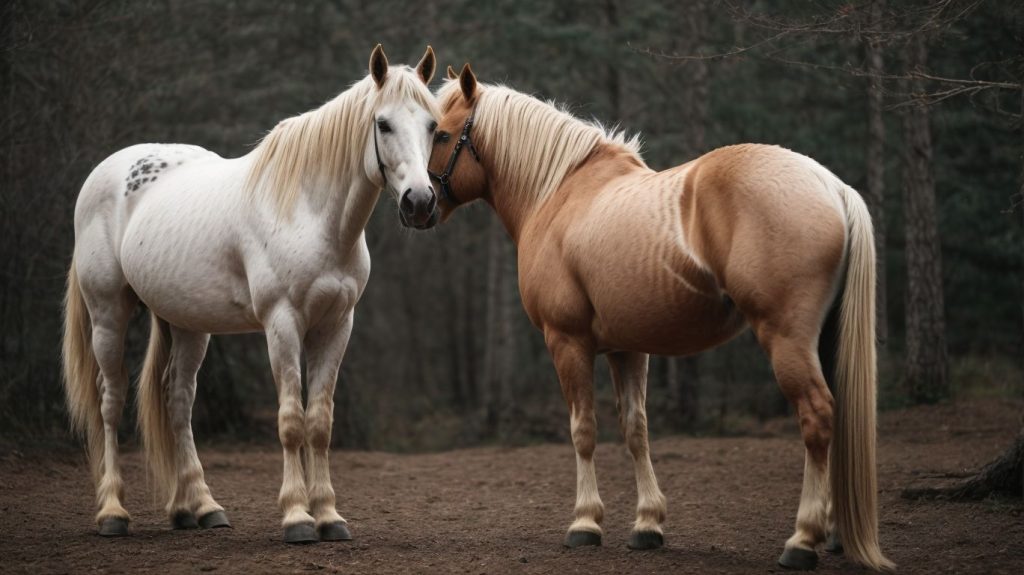
The comparison between Haflinger and Appaloosa horses is a fascinating exploration of two distinct equine breeds, each with its own unique physical characteristics, history, temperament, and uses. In this comprehensive article, we will delve into the average size and weight of these horses, their common colors and markings, as well as their origins and historical purposes. We’ll also uncover the temperaments and personalities of these breeds, evaluate their suitability for beginners, and examine their common uses and abilities. By the end of this comparison, you’ll have all the information needed to determine which of these remarkable breeds is the right choice for you. So, let’s explore the world of Haflinger and Appaloosa horses and discover which one best suits your equestrian needs and preferences.
Key Takeaways:
Physical Characteristics of Haflinger and Appaloosa Horses
Haflinger and Appaloosa horses exhibit distinct physical characteristics that make them easily recognizable and appreciated by equine enthusiasts and experts alike. Their differences in size, weight, colors, and markings set them apart as unique and diverse breeds within the equine world.
Haflinger horses are known for their sturdy build, typically standing between 13 and 15 hands high (52 to 60 inches) and weighing between 800 and 1200 pounds. They are typically chestnut in color with a flaxen mane and tail, and they often have a distinctive white or light-colored mane and tail.
On the other hand, Appaloosa horses are slightly larger, standing between 14.2 and 16 hands high (58 to 64 inches) and weighing between 950 and 1350 pounds. Their most recognizable feature is their striking coat patterns, often characterized by spots or blanket patterns over a base coat of various colors.
What is the Average Size and Weight of Haflinger and Appaloosa Horses?
The average size and weight of Haflinger and Appaloosa horses play a significant role in defining their physical attributes and capabilities, reflecting the breed’s distinct characteristics and historical development.
Haflinger horses typically stand between 13 and 15 hands high, with an average weight ranging from 800 to 1,300 pounds. They are known for their compact, muscular build and sturdy legs, enabling them to excel in harness work, light draft work, and driving disciplines.
On the other hand, Appaloosa horses are slightly larger, standing between 14.2 and 15.2 hands high, and weighing between 950 and 1,250 pounds on average. Their distinctive spotted coat patterns and mottled skin make them easily recognizable, adding to their unique appeal and versatility as all-around horses.
What Colors and Markings are Common for Haflinger and Appaloosa Horses?
The colors and markings exhibited by Haflinger and Appaloosa horses are a testament to the breed’s genetic diversity and visual appeal, encompassing a spectrum of unique patterns and color variations that contribute to their individuality and charm.
Haflinger horses are well-known for their distinctive chestnut coats with flaxen mane and tail, reflecting their heritage and strong genetic predisposition towards this coloration. Their characteristic coloring often includes a rich, golden body coat with a striking, light-colored, flowing mane and tail, creating a stunning contrast.
On the other hand, Appaloosa horses are renowned for their captivating coat patterns, which can range from striking leopard spots to striking blankets, snowflakes, and roan-like patterns. These distinctive markings often stem from their leopard complex gene, which is responsible for their unique coat patterns, making each Appaloosa horse a fascinating and visually captivating specimen.
History and Origins of Haflinger and Appaloosa Horses
The history and origins of Haflinger and Appaloosa horses trace back to diverse geographical locations, cultural influences, and historical narratives, shaping their evolution as esteemed equine breeds with unique significance and heritage.
Originating from the Tyrolean Mountains of Austria, the Haflinger horse epitomizes the rich equestrian traditions of the region, known for its strength, surefootedness, and distinctive chestnut coat with a flaxen mane and tail. Their robust nature and versatility made them an integral part of alpine agriculture and transportation for centuries.
On the other hand, the Appaloosa horse has its roots in the Nez Perce tribe of the Pacific Northwest, where its striking spotted coat and athleticism were highly admired. The Nez Perce people cultivated a deep bond with these horses, using them for both utility and ceremonial purposes, reflecting the cultural interplay between humans and animals.
Where Did Haflinger and Appaloosa Horses Originate From?
The geographical origins of Haflinger and Appaloosa horses unfold a compelling narrative of their development and adaptation, stemming from diverse regions and landscapes that have influenced their genetic heritage and breed characteristics.
Haflinger horses originated in the rugged terrain of the Tyrolean Mountains in Austria, where their ancestors were carefully bred by the Benedictine monks of the Tyrol region. These horses were specifically bred to navigate the steep and challenging mountainous terrain, resulting in their sturdy build and sure-footedness.
On the other hand, Appaloosa horses have a rich history that traces back to the Nez Perce tribe of the Northwest United States. The Nez Perce tribe’s selective breeding programs in the Palouse River region played a vital role in shaping the Appaloosa horse’s distinct coat patterns and athleticism.
What Were the Original Purposes of Haflinger and Appaloosa Horses?
The original purposes and roles assigned to Haflinger and Appaloosa horses reflect their historical significance and contributions across various domains, embodying their versatility and adaptability in fulfilling diverse tasks and responsibilities.
Haflinger horses were initially bred in the mountainous regions of Austria and Italy to serve as reliable, all-around horses capable of agricultural work and transportation over rugged terrain. Their compact build and gentle disposition made them ideal for pulling carts and plows, while their strength and endurance allowed them to navigate the challenging mountain landscapes.
In contrast, the Appaloosa horses have a rich history in Native American culture, valued as trusted mounts for hunting, war, and transportation. Known for their distinctive spotted coat patterns, Appaloosas were prized for their agility, intelligence, and speed, making them essential partners in various equestrian pursuits.
Temperament and Personality of Haflinger and Appaloosa Horses
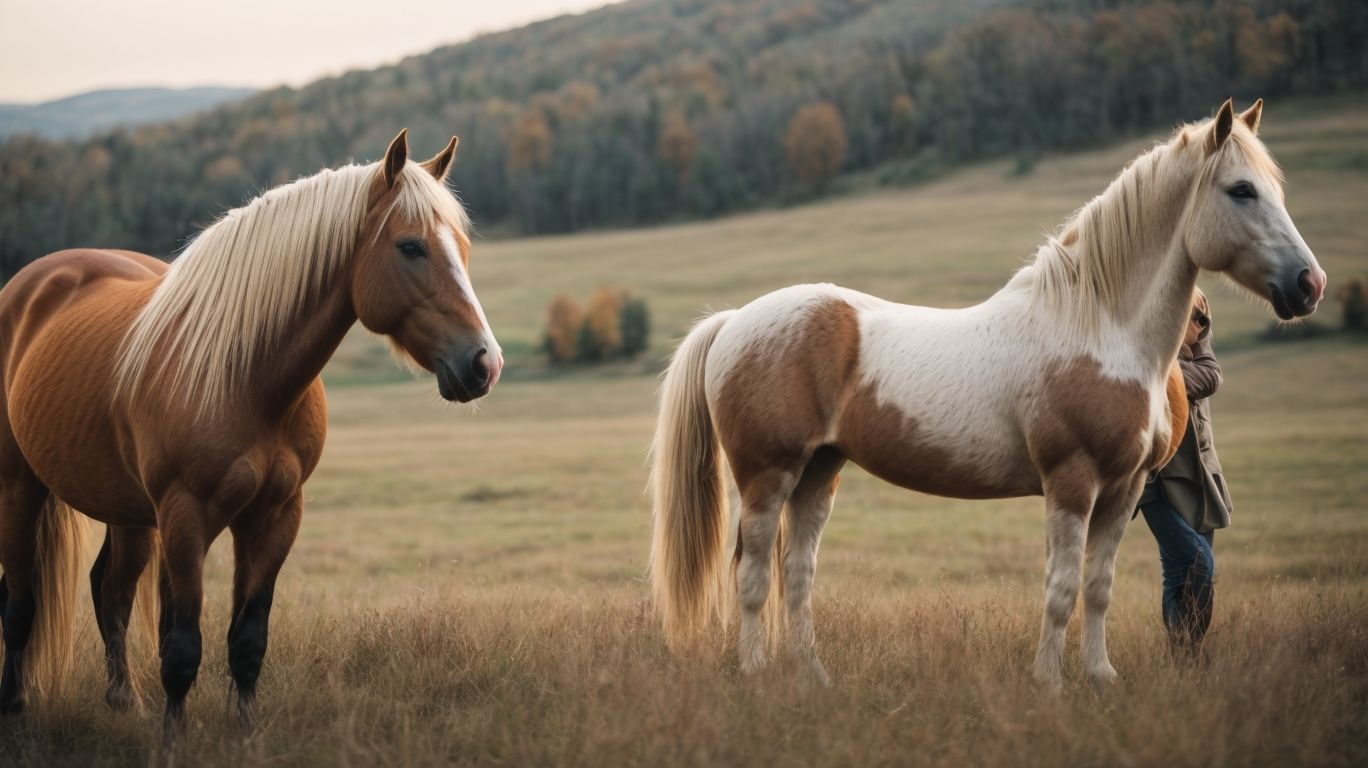
Credits: Horselife.Org – Paul King
The temperament and personality traits exhibited by Haflinger and Appaloosa horses define their individuality and demeanor, reflecting their unique emotional characteristics and behavioral tendencies that contribute to their appeal and suitability for diverse equestrian activities.
Haflinger horses are known for their friendly and affectionate nature, making them ideal companions for riders of all ages. They possess a gentle disposition and are often described as reliable, calm, and hardworking, making them well-suited for activities such as driving, dressage, and light draft work.
On the other hand, Appaloosa horses are celebrated for their intelligence, versatility, and spirited nature. Their remarkable agility and stamina make them exceptional for activities like trail riding, endurance riding, and western disciplines. Due to their innate curiosity and eagerness to learn, they thrive in training environments that stimulate their mental and physical abilities.
Are Haflinger and Appaloosa Horses Good for Beginners?
Evaluating the suitability of Haflinger and Appaloosa horses for beginners involves understanding their temperamental traits, adaptability, and suitability for novice riders, considering their unique characteristics and temperament in relation to the learning curve and progression of new equestrians.
Haflinger horses are known for their gentle and kind nature, which makes them well-suited for beginners. They are adaptable to various environments and have a strong work ethic, making them reliable for introductory equestrian activities.
On the other hand, Appaloosa horses exhibit intelligence, agility, and a willing disposition, traits that can benefit novice riders as they learn the basics of horseback riding. Their bold and independent nature requires a confident and patient handler.
When introducing beginners to equestrian activities, it is essential to consider the individual characteristics of these breeds and match them with the temperament and experience level of the rider.
Do Haflinger and Appaloosa Horses Have Similar Temperaments?
Comparing the temperamental traits of Haflinger and Appaloosa horses unveils distinct nuances and similarities in their behavioral characteristics, shedding light on the individuality and commonalities that define their emotional responses and adaptability in various contexts.
Haflinger horses are known for their friendly and docile nature, often exhibiting a gentle temperament, making them well-suited for novice riders and therapeutic purposes. In contrast, Appaloosa horses are admired for their intelligence and independence, showcasing a more spirited and occasionally stubborn disposition. Both breeds share a resilient and adaptable mindset, enabling them to thrive in diverse environments and excel in a range of equestrian disciplines.
Uses and Abilities of Haflinger and Appaloosa Horses
The uses and abilities of Haflinger and Appaloosa horses encompass a diverse spectrum of equestrian activities and functional roles, reflecting their versatility and adaptability in fulfilling various tasks, disciplines, and responsibilities within the equine world.
Haflinger and Appaloosa horses are esteemed for their remarkable versatility, excelling in both leisurely activities and competitive disciplines.
Haflingers, known for their sturdy build and gentle temperament, are often utilized for trail riding, driving, and therapeutic horsemanship due to their kind demeanor and balanced gaits.
On the other hand, Appaloosas are renowned for their striking coat patterns and athleticism, making them ideal for Western disciplines such as barrel racing, reining, and cutting. Their agility and natural cow sense also render them suitable for ranch work and trail competitions, emphasizing their adaptability across various equestrian pursuits.
What Are the Common Uses for Haflinger and Appaloosa Horses?
Exploring the common uses for Haflinger and Appaloosa horses unveils their diverse applications in various equestrian activities, encompassing disciplines such as riding, driving, and competitive sports, showcasing their adaptability and proficiency across different functional domains.
Haflinger horses, known for their sturdy build and gentle disposition, are often utilized for pleasure riding, trail riding, and therapeutic programs, owing to their calm temperament and reliability. Their strength and versatility make them well-suited for driving disciplines, excelling in both recreational carriage driving and agricultural work.
Appaloosa horses, on the other hand, are prominent in competitive sports such as barrel racing, pole bending, and cutting due to their agility, speed, and natural cow sense. Their striking coat patterns and athleticism also position them as popular choices for Western pleasure, trail riding, and ranch work, where their endurance and surefootedness are invaluable.
What Are the Strengths and Weaknesses of Haflinger and Appaloosa Horses?
Identifying the strengths and weaknesses of Haflinger and Appaloosa horses involves an insightful analysis of their abilities, limitations, and unique attributes, providing a comprehensive understanding of their performance and adaptability in different equestrian activities and functional roles.
Haflinger horses are celebrated for their gentle disposition, versatility, and exceptional stamina, making them well-suited for both pleasure riding and light draft work. Their smaller stature can be a limitation in activities requiring significant strength or speed. On the other hand, Appaloosa horses are known for their striking coat patterns, endurance, and agility, but may face challenges in activities demanding significant power or precision. Understanding these nuances is crucial for selecting the right breed for specific equestrian pursuits and ensuring their optimal performance and well-being.
Conclusion: Which Horse Breed is Right for You?
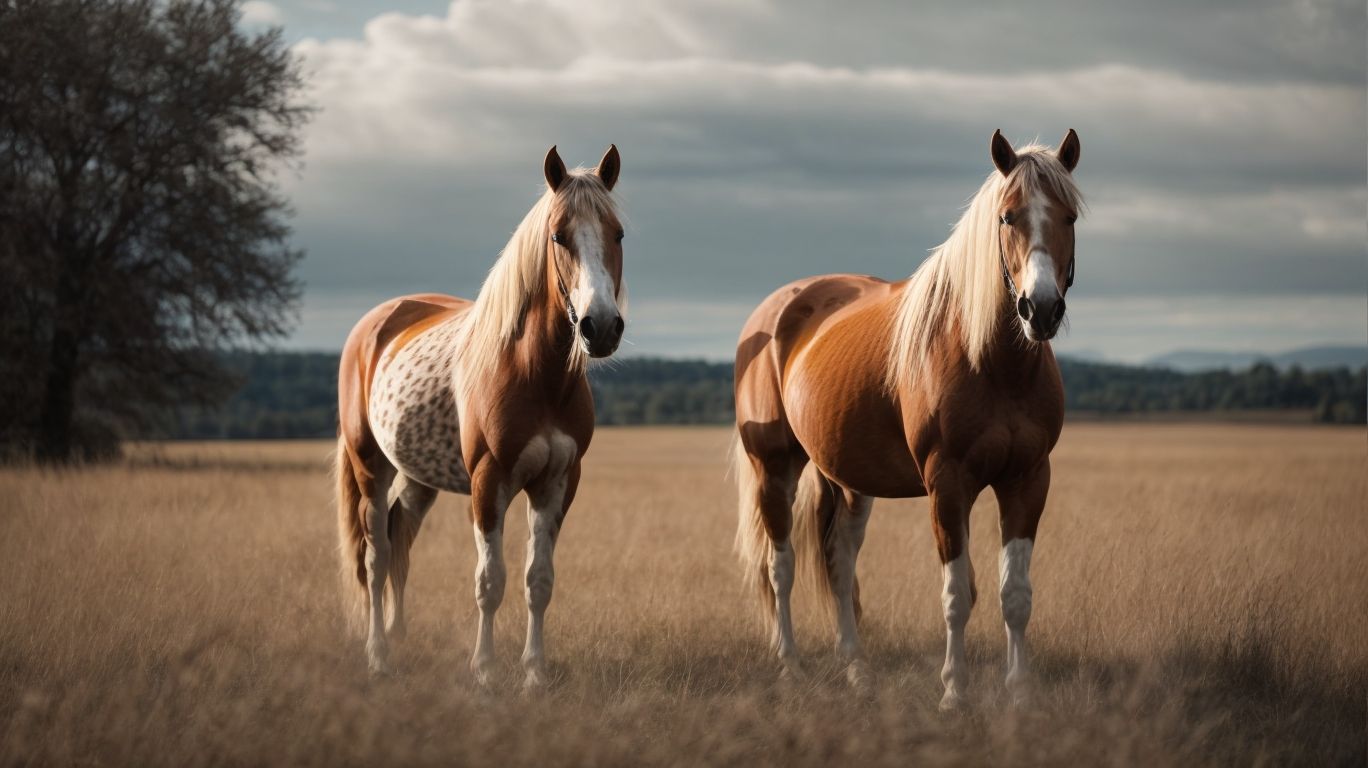
Credits: Horselife.Org – Arthur Jones
The choice between Haflinger and Appaloosa horses hinges on various factors such as temperament, intended uses, and preferred disciplines, requiring a thorough assessment of individual preferences, riding goals, and the intended role of the horse within equestrian pursuits.
When considering temperament, the Haflinger horse is known for its friendly and gentle nature, making it an ideal choice for riders seeking a calm and reliable companion. On the other hand, the Appaloosa is recognized for its intelligence and versatility, excelling in activities such as trail riding, jumping, and pleasure riding.
For intended uses, individuals focused on pleasure riding or light work may find the compact and sturdy build of the Haflinger suitable, while those aiming for competitive events or ranch work might lean towards the athleticism and endurance of the Appaloosa.
Considering preferred disciplines, the Haflinger showcases notable strengths in driving, dressage, and therapeutic riding due to its compact yet powerful build, while the colorful Appaloosa can stand out in disciplines such as western pleasure, reining, and games.

