
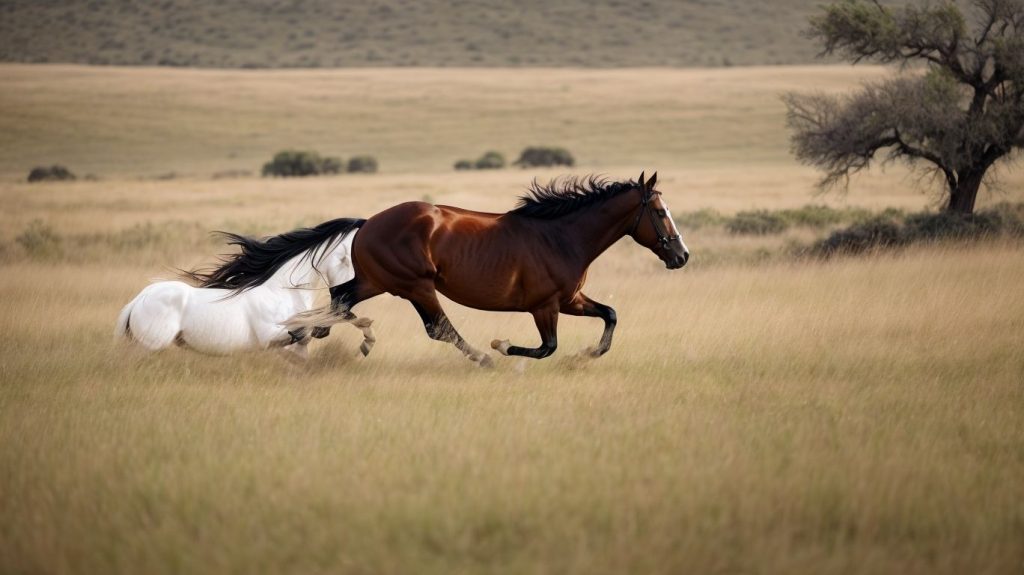
The Mustang and Appaloosa are two iconic horse breeds that have captured the hearts of equestrians and enthusiasts around the world. In this comprehensive article, we will delve into the rich history, distinct physical characteristics, diverse uses, unique temperament and personality traits, as well as the specialized training and care required for these remarkable equine breeds.
From the origins and evolution of the Mustang and Appaloosa to their roles in various equestrian disciplines, we will explore the fascinating differences and similarities between these two captivating breeds. Whether you are a seasoned horse enthusiast or simply intrigued by the world of equine diversity, this article aims to provide valuable insights into the captivating world of the Mustang and Appaloosa.
Key Takeaways:
History of Mustang and Appaloosa
The history of Mustang and Appaloosa holds significant ties to the United States and the Nez Perce tribe, with their evolution and prominence rooted in the Pacific Northwest.
Mustangs, believed to be descendants of Spanish horses brought by explorers, played a pivotal role in shaping the American West. Their resilience and adaptability to harsh conditions made them integral to the lives of Native American tribes, including the Nez Perce. The Appaloosa, known for its distinctive spotted coat, also has a rich history intertwined with the Nez Perce people. Recognized for their horsemanship, the Nez Perce tribe selectively bred the Appaloosa, leading to the development of this unique breed.
Both the Mustang and Appaloosa hold a special place in the history of the United States, symbolizing the enduring spirit of the Wild West and the close relationship between humans and horses.”
Mustang’s Origin and Evolution
The origin and evolution of the Mustang breed trace back to the United States and its association with the indigenous Nez Perce tribe of the Pacific Northwest.
The iconic Mustang horses, known for their resilience and adaptability, have a deep-rooted history dating back to the early 16th century when Spanish explorers introduced their horses to North America. Over time, these horses interbred with local stock, resulting in the development of the hardy Mustang breed. The Nez Perce tribe, renowned for their horsemanship skills, played a crucial role in shaping the Mustang’s characteristics through selective breeding, creating a horse that embodied both strength and agility.
Appaloosa’s Origin and Evolution
The Appaloosa breed’s origin and evolution are deeply intertwined with the heritage of the Nez Perce tribe and its prominence in the Pacific Northwest.
The Appaloosa horse, known for its striking coat patterns and unique physical characteristics, has a rich historical lineage. The breed traces its roots back to the 18th century, where it flourished among the Nez Perce people, who selectively bred horses for endurance, agility, and intelligence. These horses played an integral role in the cultural and ceremonial traditions of the tribe, symbolizing strength and resilience. The distinctive spotted coat patterns of the Appaloosa were highly valued by the Nez Perce and became synonymous with their identity.
Physical Characteristics of Mustang and Appaloosa
Credits: Horselife.Org – James Torres
Understanding the physical characteristics of the Mustang and Appaloosa breeds involves an exploration of their body types, coat colors, and distinctive features that set them apart in the equine world.
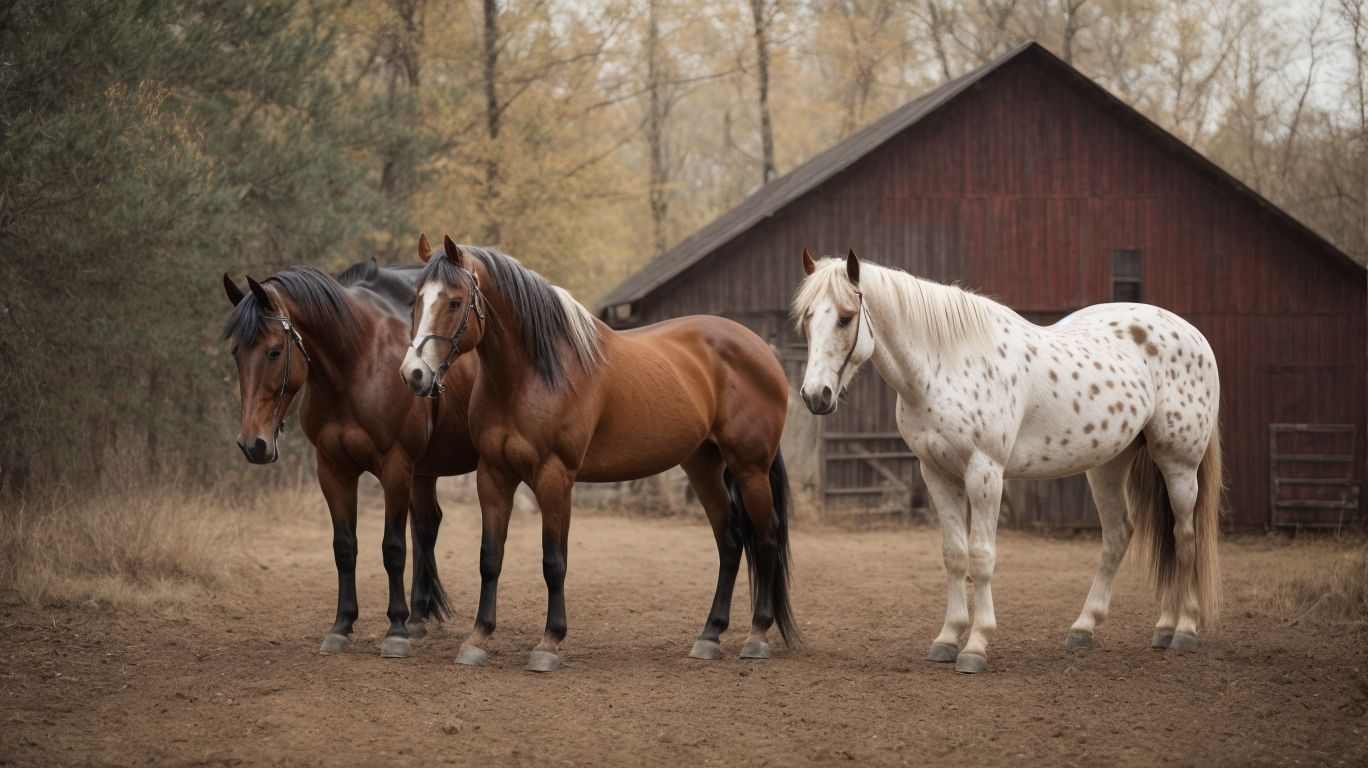
Both the Mustang and Appaloosa breeds showcase remarkable diversity in their body types, ranging from a sturdy, compact build to a more refined and elegant conformation. The Mustang often exhibits a compact, well-muscled body, reflecting its endurance and agility, while the Appaloosa, known for its versatility, may possess a more refined build with elegant proportions.
The striking coat colors are a defining feature of these breeds. Mustangs are frequently seen in colors such as bay, black, and chestnut, with occasional variations of pinto markings, while the Appaloosa breed is renowned for its distinctive coat patterns, characterized by spots, blankets, and varnish roan.
Adding to their unique physical characteristics, Mustangs often possess resilient, hardy hooves and robust frames, reflective of their historical adaptation to harsh environments. On the other hand, Appaloosas stand out with their mottled skin and striped hooves, which add to their individuality and visual appeal.
Body Type and Size
The body type and size of the Appaloosa breed exhibit distinct features that reflect the breed’s versatility and adaptability within the equine world.
Appaloosas typically have a compact, well-balanced body with a broad chest and strong, sloping shoulders. Their medium-sized heads often feature mottled skin around the eyes and muzzle, a hallmark characteristic of the breed. One of the defining physical traits is their mottled or “spotted” coat pattern, which can range from leopard spots to blanket patterns. Their average height ranges from 14.2 to 15.2 hands, making them suitable for various activities such as barrel racing, working cattle, and pleasure riding, showcasing their agility and strength.
Coat Color and Patterns
The Appaloosa breed is renowned for its diverse coat colors and striking patterns, adding to its allure and distinctiveness within the equine world.
Appaloosas are known for their distinctive coat patterns, such as blanket, leopard, snowcap, and few spot, each creating a visually captivating appearance. These patterns are further complemented by a wide spectrum of coat colors, including bay, black, chestnut, palomino, and gray, adding to the breed’s visual appeal and individuality.
Distinctive Features
The Appaloosa breed boasts distinctive features that contribute to its recognition and prominence within the equine world, reflecting its unique genetic qualities and physical attributes.
Characterized by their spotted coats, mottled skin, and striped hooves, Appaloosas are famous for their stunning appearance. Their genetic makeup often includes the leopard complex gene, resulting in a wide range of coat patterns.
Despite their attractive exteriors, Appaloosas are also known for their versatility and endurance, making them valuable in various equestrian disciplines. Their distinctive appearance and exceptional athleticism have propelled them to prominence in the equine community.
Uses of Mustang and Appaloosa
The utilization of Mustang and Appaloosa spans across a spectrum of applications, including their roles in Western disciplines, as family pleasure horses, and esteemed show horses.
These two breeds have a strong historical connection to the American West, where their agility, endurance, and versatility made them ideal for tasks such as ranch work, cattle herding, and even as trusted companions for Native American tribes. In contemporary times, Mustangs are also prized for their adaptability and are often used for endurance riding and trail competitions.
On the other hand, Appaloosas are celebrated for their striking coat patterns and are commonly seen in Western pleasure, reining, and cutting events. Their distinctive appearance and calm temperament make them sought after as family pleasure horses, providing enjoyable and safe riding experiences. Their athleticism and grace are showcased in the world of show horses, where they excel in disciplines such as jumping, dressage, and halter classes.
Mustang’s Uses
The Mustang breed excels in a variety of uses, flourishing in Western disciplines and serving as beloved family pleasure horses due to their versatile and resilient nature.
Originating from the free-roaming horses in the western United States, Mustangs have a remarkable adaptability and endurance, making them exceptional mounts for ranch work, rodeos, and barrel racing. Their strength and agility enable them to navigate the challenging maneuvers required in cutting, reining, and roping.
Their gentle disposition and willingness to bond with riders have endeared them as ideal companions for leisurely trail rides and recreational riding, bringing joy and relaxation to families and individuals alike. Their hardy nature and low maintenance requirements make them cost-effective and easily manageable, further enhancing their appeal as versatile and reliable equine partners.
Appaloosa’s Uses
The Appaloosa breed shines in various roles, excelling as esteemed show horses and beloved family pleasure horses, recognized for their elegance and versatility in diverse equine activities.
Known for their striking coat patterns, Appaloosas captivate audiences with their beauty and athleticism in showmanship classes and events such as dressage and western pleasure competitions. Their ability to adapt to different disciplines makes them stand out as all-round performers. Beyond the show ring, they also make wonderful trail and pleasure riding partners for families, offering a smooth and comfortable ride.
Their gentle temperament and intelligence make them suitable for therapeutic riding programs, showcasing their versatility in providing emotional support and physical therapy. The Appaloosa breed continues to captivate enthusiasts, professionals, and families alike with their remarkable attributes and affectionate nature.
Temperament and Personality of Mustang and Appaloosa
Credits: Horselife.Org – Stephen King
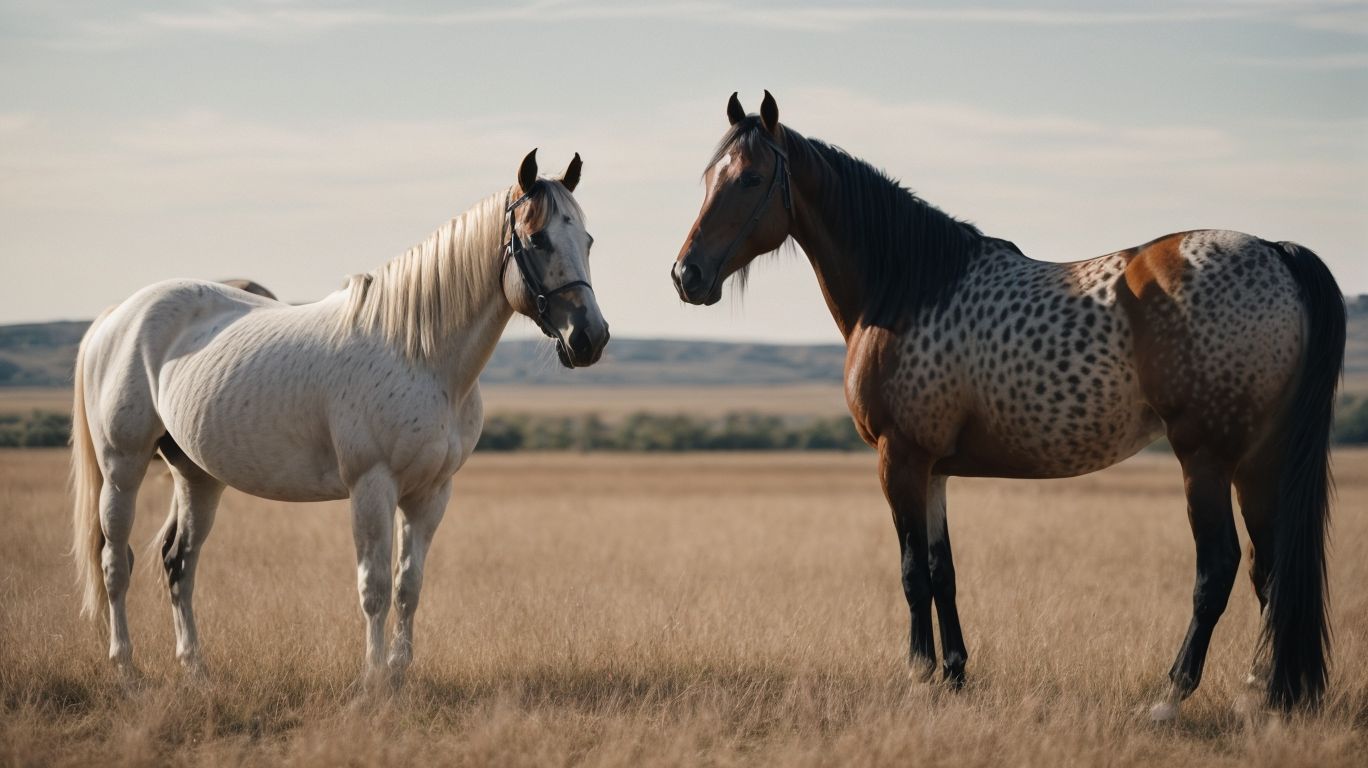
The temperament and personality of the Mustang and Appaloosa breeds encapsulate traits that reflect their resilience, adaptability, and unique dispositions in the equine world.
Mustangs are known for their independent nature and strong survival instincts, honed through centuries of living in the wild and facing various environmental challenges. Their resilience and adaptability are evident in their ability to thrive in diverse landscapes, from arid deserts to rugged mountains.
On the other hand, Appaloosas are revered for their striking coat patterns and versatile abilities. Their unique disposition often combines a gentle demeanor with a spirited nature, making them well-suited for various equestrian disciplines.
Mustang’s Temperament and Personality
The temperament and personality of the Mustang breed showcase a remarkable blend of resilience, intelligence, and inherent adaptability, contributing to their esteemed stature in the equine community.
Mustangs are renowned for their ability to survive in harsh environments, displaying a tenacious resilience that has been honed through generations of living in the wild. This trait makes them highly sought after for various equestrian activities, as they possess the strength and endurance to excel in demanding tasks.
Their intelligence sets them apart, allowing them to quickly learn and adapt to new situations. This makes them exceptionally trainable and capable partners for a wide range of equestrian disciplines, from trail riding to competitive sports.
The inherent adaptability of Mustangs enables them to acclimate to diverse environments and varying circumstances with ease. Whether in the wild or domesticated settings, they display a remarkable ability to thrive and adjust, making them valuable assets to the equine world. For more information on the comparison between Mustangs and Appaloosas, check out this article.
Appaloosa’s Temperament and Personality
The Appaloosa breed’s temperament and personality embody a distinctive blend of versatility, intelligence, and captivating dispositions, contributing to their revered status within the equine world.
Known for their agility and adaptability, Appaloosas excel in various disciplines, from western pleasure and trail riding to dressage and jumping. Their intelligence and quick learning ability make them well-suited for training and interacting with humans. Their captivating dispositions make them a favorite among riders, with their striking, colorful coats drawing attention wherever they go.
These horses are esteemed for their endurance and strength, often showcased in endurance races and working environments. Their rich history, dating back to the Nez Perce tribe, adds to their mystique and allure within the equestrian community.
Training and Care for Mustang and Appaloosa
The training and care of Mustang and Appaloosa breeds require a balanced approach that emphasizes their unique needs, resilience, and the nurturing of a strong equine-human bond.
Both Mustangs and Appaloosas have a rich history and unique characteristics that warrant specific considerations in their training and care.
Mustangs, known for their hardiness and adaptability, thrive in natural herd environments and require careful handling to build trust and cooperation. On the other hand, Appaloosas, with their striking coat patterns and intelligence, benefit from a mixture of physical and mental stimulation to keep them engaged and fulfilled.
When addressing the training needs of these breeds, it’s crucial to incorporate techniques that respect their natural instincts while guiding them toward desired behaviors. The Mustang, often associated with independence and self-preservation, responds well to patient, consistent training that reinforces positive interactions. Conversely, the Appaloosa may appreciate varied activities that challenge their intellect and strength, fostering a sense of partnership and communication.
In terms of care, recognizing the distinctive physical attributes of each breed is essential. For the Mustang, their rugged, resilient nature calls for minimalistic care, focusing on regular exercise, access to forage, and hoof and dental maintenance. The Appaloosa, with its versatile build and sometimes sensitive skin, benefits from a balanced diet, gentle grooming, and attention to any breed-specific health concerns.
Mustang’s Training and Care
The training and care of the Mustang breed demand a nuanced approach that prioritizes their resilience, intelligence, and the cultivation of a harmonious equine-human relationship.
Understanding the Mustang’s natural instincts and herd dynamics is crucial in developing a successful training program. Their remarkable resilience, honed through years of survival in the wild, calls for a balanced approach that combines patience and assertiveness. Moreover, Mustangs exhibit high levels of intelligence, enabling them to quickly grasp new concepts and respond to gentle, consistent guidance.
To foster a harmonious equine-human relationship, it’s essential to establish trust and mutual respect. This can be achieved through positive reinforcement techniques, such as clicker training, which encourages cooperation and strengthens the bond between the Mustang and its handler.
Appaloosa’s Training and Care
The training and care of the Appaloosa breed necessitate a thoughtful approach that acknowledges their versatility, intelligence, and the fostering of a strong equine-human bond.
Appaloosas are renowned for their adaptability and gentle nature, making them suitable for various disciplines including western pleasure, dressage, and even jumping. Their keen intelligence requires a balanced training regimen, focusing on mental stimulation as well as physical exercise. Establishing a strong bond with an Appaloosa involves consistent, patient handling and positive reinforcement, which in turn fosters a deep connection and mutual trust between the horse and its human caretaker.
Frequently Asked Questions
What is the difference between a Mustang and an Appaloosa?
The main difference between a Mustang and an Appaloosa is their origin. Mustangs are a breed of horse that originated in North America, while Appaloosas are a breed that originated in the Pacific Northwest region of the United States.
What are the physical characteristics of a Mustang?
Mustangs typically have a compact, muscular build with a short, strong back and sturdy legs. They can come in a variety of colors and patterns, including solid colors, roans, and spotted patterns.
What are the physical characteristics of an Appaloosa?
Appaloosas are known for their distinct coat patterns, with spots, roans, and blankets being common. They also have a strong, compact build and are known for their endurance and agility.
Which breed is more suitable for riding?
Both Mustangs and Appaloosas are known for their athleticism and endurance, making them suitable for riding. It ultimately depends on the individual horse and their training.
Are there any differences in temperament between Mustangs and Appaloosas?
Both breeds are known for their intelligence and willingness to work with humans. However, Mustangs may have a stronger flight response due to their free-roaming nature, while Appaloosas are often more laid-back and easy-going.
Can Mustangs and Appaloosas be crossed to create a new breed?
Yes, it is possible to crossbreed Mustangs and Appaloosas, resulting in a new breed known as the Appaloosa Mustang. This breed combines the agility and hardiness of the Mustang with the striking coat patterns of the Appaloosa.

