
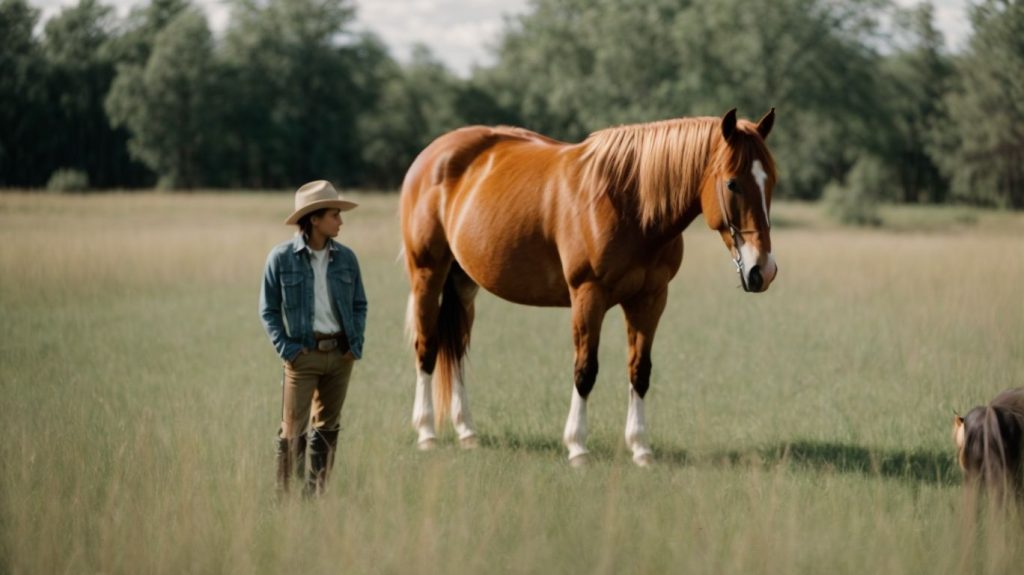
Quarter horses and Haflingers are two distinct horse breeds that have captured the hearts of equestrians around the world. In this comprehensive guide, we will explore the key characteristics and differences between these two remarkable breeds. From their physical attributes to temperament, and their respective uses, we’ll delve into the unique qualities that make each breed stand out. Whether you’re a seasoned rider or a novice enthusiast, understanding the nuances of these breeds can help you make an informed decision when it comes to choosing the right horse for your needs. So, let’s take a closer look at the distinguishing features of Quarter Horses and Haflingers to help you determine which one may be the perfect fit for you.
Key Takeaways:
What Are Quarter Horses And Haflingers?
Credits: Horselife.Org – Gabriel Thompson
Quarter Horses and Haflingers are distinct horse breeds with unique characteristics and historical significance, originating from different regions and serving various purposes throughout different periods of time.
What Is A Quarter Horse?
The Quarter Horse is a versatile and resilient breed known for its adaptability and performance in various disciplines, reflecting a blend of traits from Thoroughbred, Arabian, and other draft and gaited horses.
With its distinctive muscular build and powerful hindquarters, the Quarter Horse excels in sprinting short distances, making it a popular choice for barrel racing and cutting events. Their strength and agility also make them well-suited for ranch work, such as herding and roping cattle. The breed is highly regarded for its calm disposition, making it a suitable mount for leisurely trail rides and recreational activities.
The American Quarter Horse Association has been pivotal in preserving and promoting the breed’s standards, overseeing various competitions and programs that showcase the breed’s versatility and athleticism. Recognized for their speed, agility, and docile nature, Quarter Horses have gained a prominent presence in the world of equestrian sports and leisure riding, appealing to riders of all levels and disciplines.
What Is A Haflinger?
The Haflinger, also known as Avelignese, has its roots in the picturesque regions of Austria and Italy, and its legacy is intertwined with the challenges and triumphs of the World Wars, evolving into a cherished breed renowned for its work and riding capabilities.
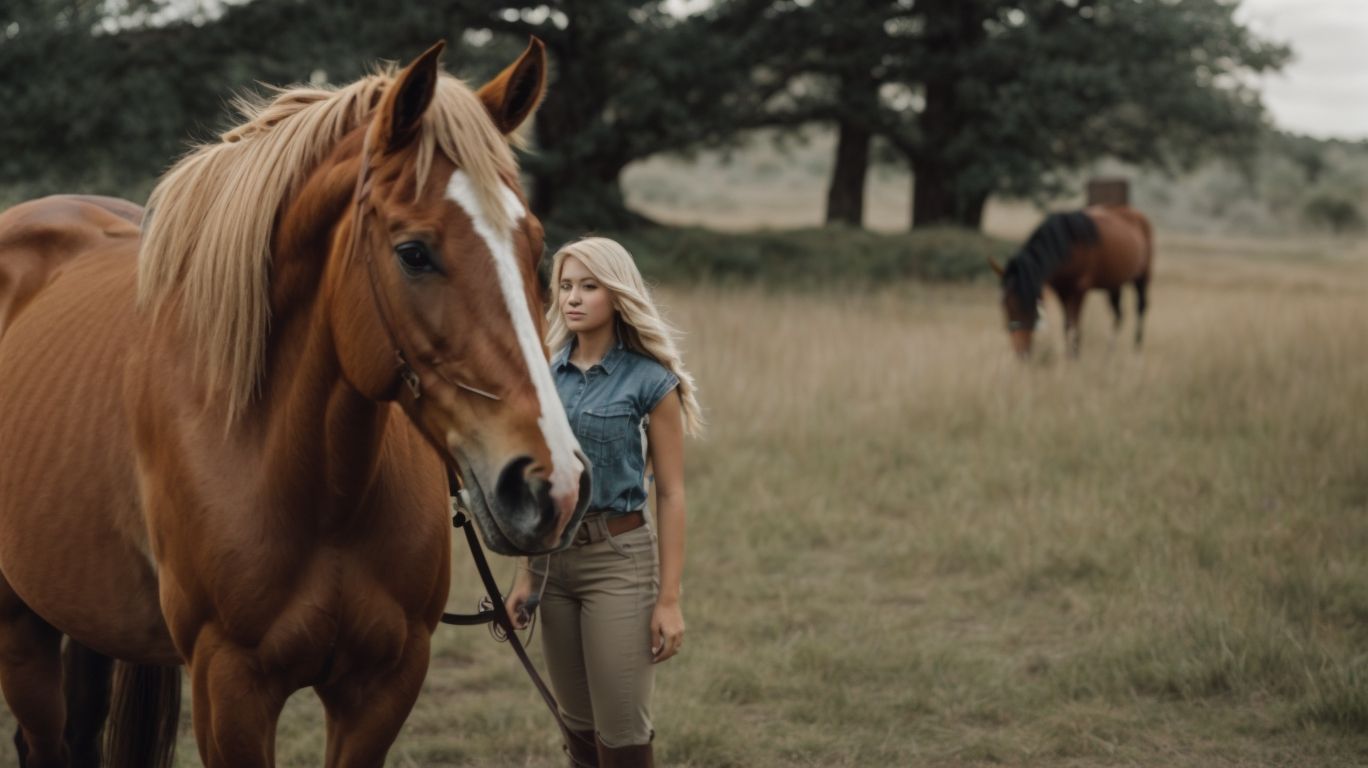
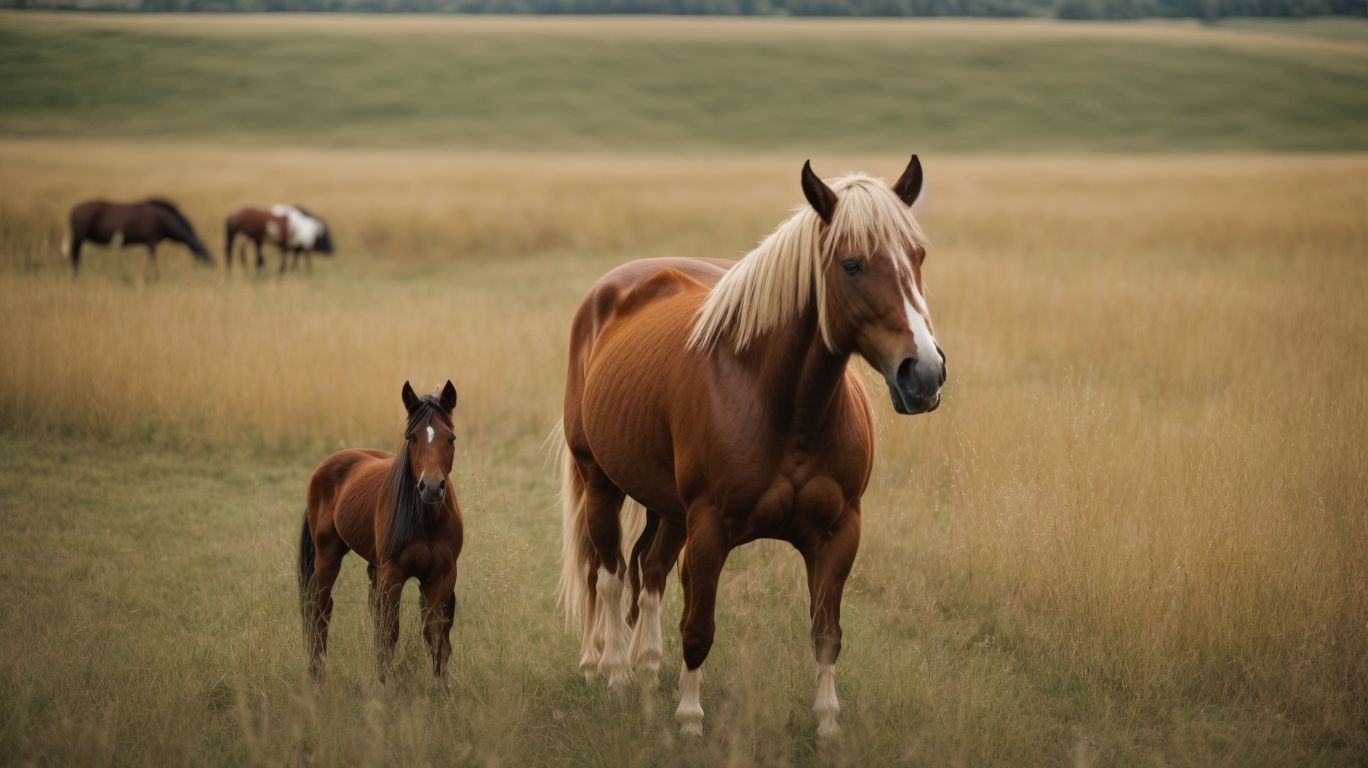
The breed’s distinct appearance, with its stunning chestnut coat and flaxen mane, captures the hearts of equestrians and enthusiasts worldwide. Renowned for its gentle disposition and sturdy build, the Haflinger excels in various disciplines, from dressage and driving to pleasure riding. Its versatility makes it a popular choice for both novice and experienced riders, and its enduring endurance allows for long hours of trekking across diverse terrains.
Bred for mountainous terrains, the Haflinger possesses remarkable sure-footedness and agility, making it an ideal mount for rugged trails and outdoor adventures. Its intelligence, willingness to please, and affable nature endear it to its handlers, often forming lasting and enriching bonds between horse and rider.
What Are The Physical Differences Between Quarter Horses And Haflingers?

Credits: Horselife.Org – Billy Flores
The physical disparities between Quarter Horses and Haflingers encompass variations in size, build, coat color, facial features, mane, and tail, influenced by breeding, genetics, climate, and geography.
Size And Build
When comparing Quarter Horses and Haflingers, notable distinctions arise in their size and build, reflecting the historical roles of Quarter Horses as versatile athletes and Haflingers as sturdy workhorses.
Quarter Horses are known for their muscular build and powerful athleticism, which contributes to their agility and speed. On the other hand, Haflingers are recognized for their compact, sturdy stature, well-suited for tasks such as pulling loads and navigating mountainous terrain.
While Quarter Horses are bred for their ability to excel in various equestrian disciplines, including racing, cutting, and reining, Haflingers have traditionally been prized for their reliability as draft animals and their gentle temperament, making them excellent choices for pleasure riding and agricultural work. These inherent differences in size and purpose have contributed to the distinct characteristics and uses of each breed.
Coat Color And Markings
The coat color and markings of Quarter Horses and Haflingers exhibit unique characteristics, with Quarter Horses often displaying a diverse range of hues while Haflingers are renowned for their distinctive chestnut coat and flaxen mane and tail, influenced by genetics and climate.
These distinctive coat colors have been shaped by the breeding history and environmental factors specific to each breed.
Quarter Horses may showcase a wide spectrum of colors, including bay, sorrel, black, and buckskin, reflecting their diverse genetic backgrounds.
On the other hand, Haflingers typically possess the iconic chestnut coat with a flaxen mane and tail, lending them a striking appearance that is emblematic of the breed’s heritage.
Facial Features
Facial features set Quarter Horses and Haflingers apart, showcasing genetic imprints from diverse breeding backgrounds, with Quarter Horses reflecting influences from Arabian and other breeds, while Haflingers exhibit traits shaped by their workhorse lineage and regional breeding.
The Quarter Horse is known for its strong, chiseled head, expressive eyes, and a well-defined jawline, bearing resemblance to its Arabian ancestors. In contrast, Haflingers possess a distinctive, gentle expression, broad forehead, and prominent, well-set eyes, indicative of their workhorse heritage and development in the mountainous regions of Europe.
Mane And Tail
Differences in the mane and tail of Quarter Horses and Haflingers stem from distinct genetic and breeding legacies, with Quarter Horses often showcasing diverse mane and tail variations, while Haflingers are recognized for their distinct flaxen mane and tail, symbolizing their ancestral heritage from Austria and Italy.
Quarter Horses, known for their versatile abilities in ranch work and racing, exhibit a wide array of mane and tail styles, ranging from flowing and luxurious to short and sleek. This variety is attributed to the breed’s complex lineage, which incorporates influences from Arabian, Thoroughbred, and other native horse breeds.
In contrast, Haflingers, originating from the mountainous regions of Austria and Italy, have traditionally maintained a consistent flaxen hue in their mane and tail. This distinctive feature is deeply intertwined with the breed’s roots, symbolizing their enduring connection to the picturesque alpine landscapes where they were developed.
What Are The Differences In Temperament Between Quarter Horses And Haflingers?

Credits: Horselife.Org – Christopher Williams
Understanding the differences in temperament between Quarter Horses and Haflingers involves diving into their distinct behavioral characteristics, reflecting their historical roles in disciplines such as riding and work, and embodying attitudes ranging from quiet resilience to spirited dedication.
Quarter Horses
Quarter Horses are renowned for their versatile temperament, making them exemplary choices for various disciplines such as riding, showcasing an amiable attitude that appeals to both beginners and seasoned riders alike.
Their muscular build and innate agility enable them to excel in activities such as barrel racing, reining, cutting, and even ranch work. Their strong work ethic and willingness to please make them well-suited for these demanding tasks. Their adaptability and quick learning ability contribute to their success in a wide range of equestrian pursuits, creating a lasting bond between these remarkable horses and their riders.
Haflingers
Haflingers possess a distinctive temperament suited for disciplines such as riding and farm work, characterized by a quiet and determined attitude, reflecting their historical association with various tasks, including their renowned contributions to Amish communities.
Originally bred in the Tyrolean mountains of Austria, these versatile horses are known for their gentle nature and compact size, making them ideal for both adult riders and children. Their strong, muscular build and sturdy hooves enable them to excel in draft work on farms, while their elegant movement and willing demeanor make them popular in dressage and agility competitions.
Their chestnut-colored coats and flaxen manes and tails add to their distinctive appearance, and their endurance and surefootedness enhance their suitability for mountainous terrains, making them valuable companions for trekking and trail riding.
What Are The Uses Of Quarter Horses And Haflingers?
The uses of Quarter Horses and Haflingers encompass a spectrum of roles, ranging from their proficiency in riding and various disciplines to their notable pulling ability and contributions as stalwart workhorses in fields and pulling wagons.
Quarter Horses
Quarter Horses excel in diverse uses, serving as exceptional choices for riding, showcasing their prowess in various disciplines, and earning a reputation as ideal mounts for beginners due to their gentle demeanor and adaptability.
With their strong build and muscular physique, Quarter Horses are adept at sprinting short distances, making them favored in racing events. Their intelligence and willingness to learn also make them popular in the realm of ranch work, such as herding cattle and performing intricate maneuvers. Their calm nature and predictable behavior make them an excellent option for therapeutic riding programs, providing comfort and support to individuals with special needs. Their versatility and dependable nature continue to solidify their status as one of the most sought-after breeds in the equine world.
Haflingers
Haflingers are esteemed for their remarkable pulling ability, making them essential for pulling wagons and engaging in farm work, embodying the enduring spirit of workhorses and playing integral roles in activities within Amish communities.
Originating from the Tyrolean Mountains in Austria, the Haflinger breed is distinct for its elegant chestnut coat, a striking contrast to their flaxen mane and tail. Their sturdy build and compact size contribute to their incredible strength, enabling them to traverse rugged terrain with ease. Their gentle disposition and intelligence make them ideal for various tasks, from hauling heavy loads to participating in equine therapy programs.
Which Horse Breed Is Better For You?
Credits: Horselife.Org – Jesse Williams
Determining which horse breed is better for you involves evaluating factors such as your preferred riding style, level of experience, budget considerations, and personal inclinations, ensuring a harmonious match between rider and equine companion.
Riding Style And Discipline
Matching your riding style and desired discipline with the attributes of Quarter Horses and Haflingers enables a comprehensive comparison, aiding in the selection of the breed best suited to complement your equestrian pursuits.
Quarter Horses, known for their versatility and strength, are often favored for western riding disciplines such as reining, cutting, and barrel racing due to their speed and agility. Haflingers, on the other hand, with their sturdy build and gentle temperament, excel in driving and pleasure riding activities, making them well-suited for novice riders and those looking for a more relaxed experience.
Consideration of the breed’s temperament, physical characteristics, and historical uses can greatly influence the enjoyment and success of your equestrian endeavors. Whether you seek the athleticism of the Quarter Horse or the docile nature of the Haflinger, careful evaluation guides a well-informed decision, ensuring a harmonious partnership between rider and horse.
Level Of Experience
Assessing your level of experience in horse ownership and riding plays a crucial role in determining whether a Quarter Horse or a Haflinger aligns with your proficiency and comfort as an equestrian enthusiast.
Quarter Horses are renowned for their versatility and strength, often being the top choice for experienced riders. Their athletic build and docile nature make them suitable for various disciplines such as barrel racing, reining, and ranch work.
On the other hand, Haflingers are known for their gentle temperament and surefootedness, making them ideal for novice riders or those seeking a more relaxed ride in scenic terrains.
Understanding the characteristics and temperament of each breed is essential in making an informed decision. Factors such as size, weight-carrying capacity, and maintenance requirements should also be taken into account when considering the suitability of these breeds.
Consulting with experienced equestrians and trainers can provide valuable insights into which breed may be the best fit for your riding goals and expertise.
Budget
Evaluating your budget for horse ownership entails considering the costs and expenses associated with acquiring and maintaining either a Quarter Horse or a Haflinger, ensuring that your financial resources align with the demands of caring for your equine companion.
When assessing the financial commitments, it’s essential to factor in costs such as boarding, feed, farrier services, veterinary care, and equipment. Ongoing expenses like grooming supplies, tack, and riding gear should be accounted for. It’s important to note that horse ownership can be a considerable financial responsibility, and prospective owners should be prepared for both the initial outlay and the long-term financial implications.
Personal Preference
The element of personal preference in horse ownership encompasses a holistic evaluation of your affinity towards the temperament, riding experiences, and unique attributes of Quarter Horses and Haflingers, guiding your decision as an aspiring equine companion.
When considering Quarter Horses, their versatility and athleticism often appeal to those who enjoy engaging in various riding disciplines, such as reining, cutting, and ranch work. Their calm and gentle nature, coupled with their strength and agility, make them popular choices for both experienced riders and novices.
On the other hand, Haflingers are known for their compact size, friendly disposition, and endurance. These qualities make them well-suited for light work, trail riding, and driving. Their striking chestnut color and distinctive flaxen mane add to their appeal, capturing the attention of many equine enthusiasts.

