
The Belgian Draft Horse, known for its impressive strength and gentle nature, holds a rich history and distinct physical characteristics that set it apart from other breeds. In this comprehensive article, we will delve into the origins and early uses of the Belgian Draft Horse, providing insight into its size, weight, color, and body structure. We will also explore the temperament and behavior of this magnificent breed, shedding light on its personality traits and exemplary work ethic. We will discuss breeding standards, health, and care requirements, offering valuable insights for those considering ownership. We will highlight some of the most famous Belgian Draft Horses, showcasing the breed’s contributions to various fields. Whether you’re a seasoned equestrian enthusiast or simply intrigued by these majestic creatures, this article is sure to provide a captivating exploration of the Belgian Draft Horse breed.
Key Takeaways:
What Is the Belgian Draft Horse Breed?
Credits: Horselife.Org – Jonathan Williams
The Belgian draft horse, also known as the Belgian, is a heavy draft horse breed that originated in Europe and became popular in America for its work in farming and ranching.
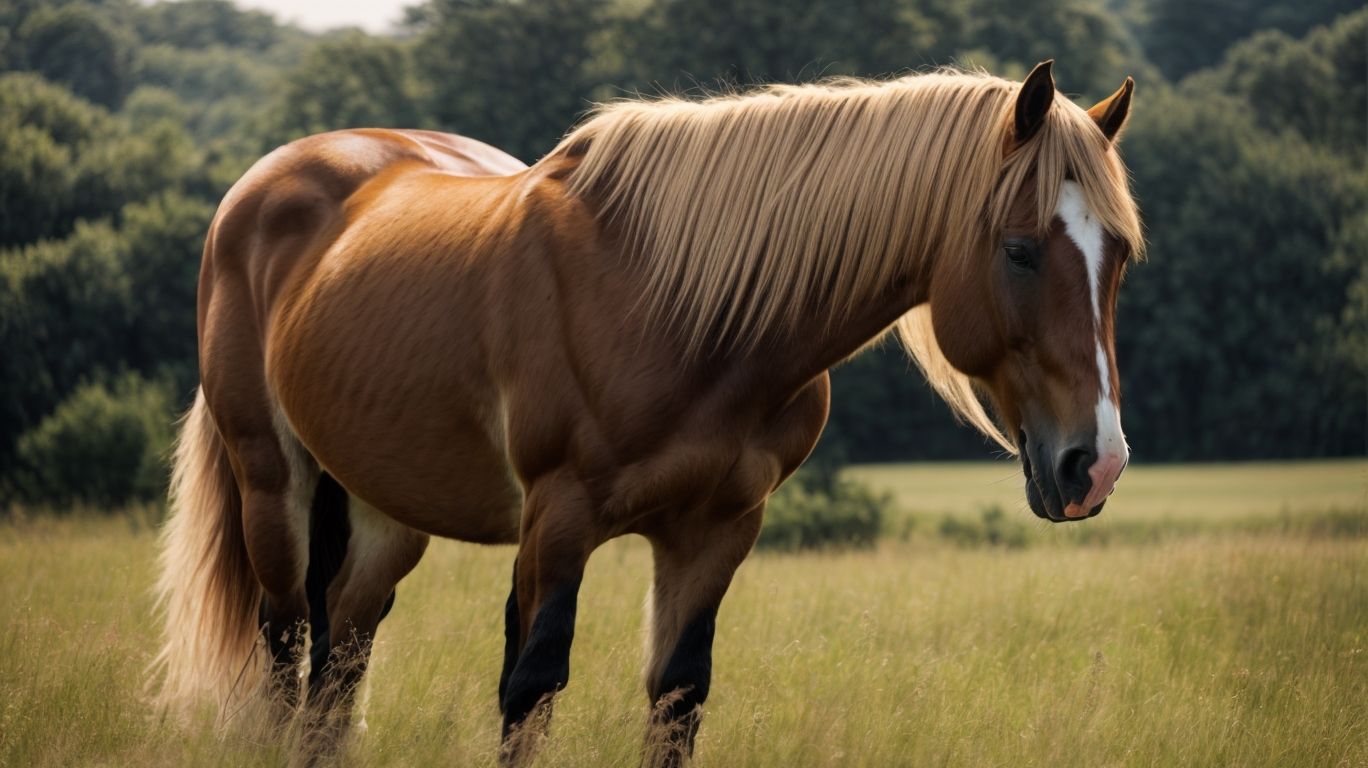
This majestic breed’s history can be traced back to the Brabant region of Belgium, where they were originally bred for pulling heavy carts and plows in the 17th century. Their remarkable strength and gentle disposition soon caught the attention of breeders and farmers across Europe. The Belgian’s distinctive chestnut coat and flaxen mane add to its charm, making it a striking sight in agricultural settings.
In the 19th century, the Belgian draft horse found its way to America, where it quickly gained recognition for its remarkable endurance and willingness to work. Their powerful build, coupled with a docile temperament, made them a valuable asset in the fields and on farms. Today, they continue to play an essential role in heavy industries, such as logging and pulling carriages.
History of the Belgian Draft Horse Breed
The history of the Belgian draft horse breed dates back many years and includes its introduction to America, notable breeders, and its role during World War I and II.
Origin of the Breed
The origins of the Belgian draft horse breed can be traced back to Belgium, where it was initially developed for heavy work and later gained recognition in other parts of the world, including Central Park in New York City and the Maple Syrup Festival in Warkworth, Ontario.
The breed’s development in Belgium was deeply intertwined with the country’s agricultural history, where the need for strong, powerful horses led to the selective breeding of the Belgian draft. Over time, their reputation for being sturdy, hardworking animals spread, and their impressive capabilities caught the attention of many beyond Belgian borders. This eventually led to their introduction to various international locations, where they are admired for their strength and elegance, such as Central Park in New York City and the Maple Syrup Festival in Warkworth, Ontario.
Early Uses of the Belgian Draft Horse
The early uses of the Belgian draft horse centered around its exceptional strength and gentle nature, making it a valuable asset for heavy work in farming and ranching.
Due to their robust physique, Belgian draft horses were initially employed for plowing fields, hauling heavy loads, and powering machinery on farms. Their immense pulling power and stamina made them critical for tasks such as logging, construction, and transportation of goods. These hardworking animals were instrumental in expanding agricultural production and facilitating various operations critical to the development of rural areas. Their unwavering dedication and reliability made them popular choices for labor-intensive jobs, cementing their role as essential work companions in the agricultural sector.
Physical Characteristics of the Belgian Draft Horse
Credits: Horselife.Org – Anthony Taylor
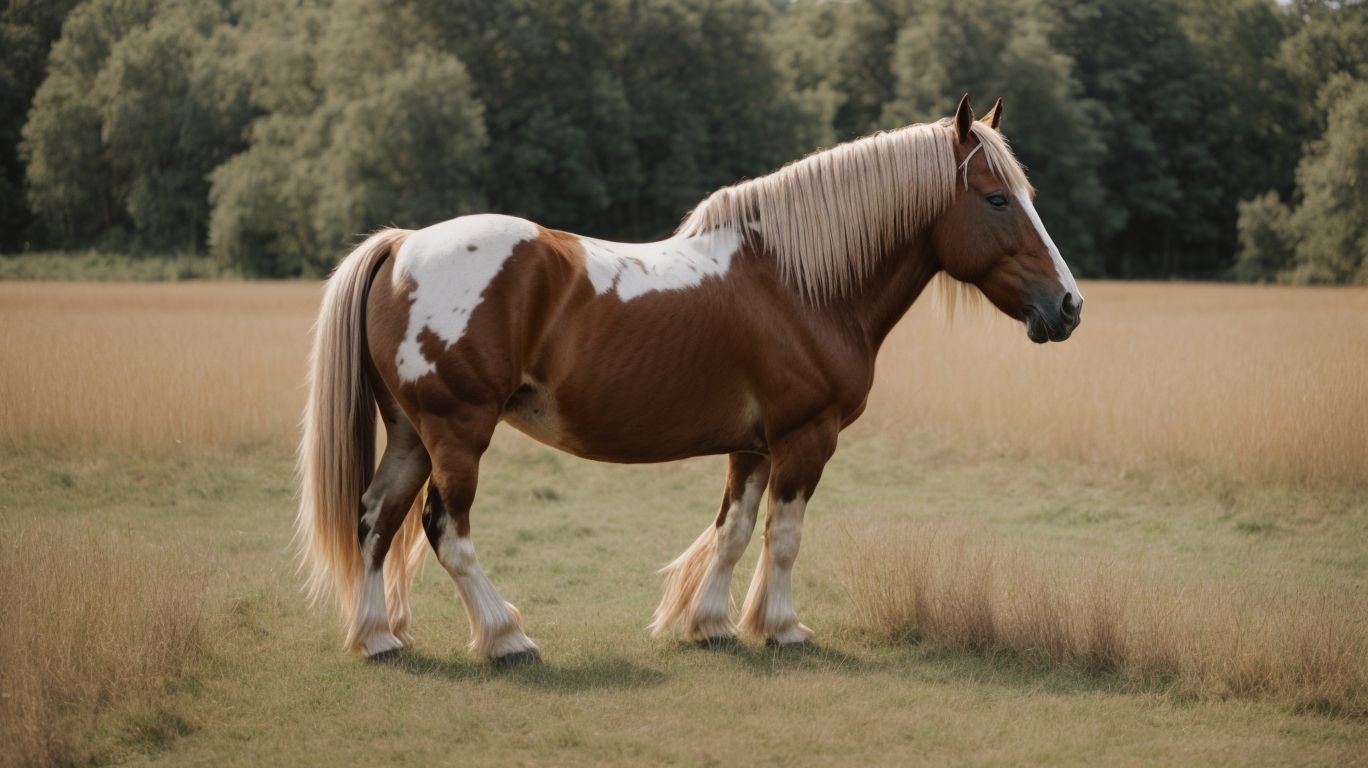
The Belgian draft horse is known for its remarkable size, impressive weight, distinctive color and markings, robust body structure, and genetic predispositions such as chronic progressive lymphedema (CPL), Junctional epidermolysis bullosa (JEB), obesity, and pastern dermatitis.
Belgian draft horses are among the largest and strongest equine breeds, typically standing between 16.2 and 17 hands tall and weighing between 1,800 and 2,200 pounds. They are often bay, roan, or chestnut in color, with a flaxen mane and tail that add to their stunning appearance.
Their muscular build, broad chest, and powerful hindquarters make them well-suited for pulling heavy loads and performing demanding agricultural work. They showcase unique feathering on their lower legs, adding to their distinctive look.
Genetically, Belgian draft horses may be predisposed to conditions such as chronic progressive lymphedema (CPL), Junctional epidermolysis bullosa (JEB), obesity, and pastern dermatitis, which require careful management and veterinary attention to ensure their well-being.
Size and Weight
The size and weight of the Belgian draft horse are truly remarkable, with an average height of around 16 hands and a weight ranging from 1,800 to 2,200 pounds, making them one of the largest and strongest horse breeds in the world.
Belgian draft horses are known for their impressive stature and powerful build. Their robust feet play a significant role in supporting their massive weight and allowing them to carry out strenuous tasks with ease. The strength and size of these magnificent animals make them ideal for agricultural work, forestry, and even pulling heavy carts or wagons.
Color and Markings
The Belgian draft horse is known for its striking coat color, which commonly includes shades of chestnut, sorrel, and roan, often accompanied by a flowing mane and lush tail, adding to its majestic appearance.
Belgian draft horses exhibit a wide array of coat patterns and color combinations, such as bay, black, and palomino, each contributing to the breed’s visually distinct and captivating allure. Their mane and tail can also vary in length and texture, often boasting a luxurious thickness and silky sheen, enhancing the overall regal and robust impression of these magnificent equines.
Body Structure
The body structure of the Belgian draft horse is a testament to its genetic makeup, reflecting a robust physique that embodies strength and endurance, with considerations for genetic conditions such as CPL, JEB, obesity, and pastern dermatitis.
Belgian draft horses are renowned for their powerful build, characterized by a deep chest, muscular shoulders, and sturdy legs. Their compact, yet substantial, frame enables them to carry heavy loads and perform arduous tasks, attesting to their exceptional endurance and strength.
Genetically, these magnificent animals carry the potential risk of developing conditions such as Congenital Pseudomyotonia (CPL) and Junctional Epidermolysis Bullosa (JEB), which require careful monitoring and management. Predisposition to obesity is a concern, necessitating a balanced diet and regular exercise to maintain optimal health and prevent weight-related issues.
The Belgian draft horse is susceptible to issues like pastern dermatitis due to its feathered lower legs, requiring diligent grooming and attention to prevent skin irritations.
Temperament and Behavior of the Belgian Draft Horse
The temperament and behavior of the Belgian draft horse are characterized by a gentle and strong nature, reflecting their hard-working sense and their reputation as one of the most amiable and dedicated breeds in the equine world.
These majestic creatures are known for their incredible strength and gentle demeanor, making them ideal for heavy-duty tasks such as farming, logging, and pulling heavy loads. Their gentle temperament and willingness to work alongside humans have made them valuable assets in agricultural and industrial settings.
Despite their formidable size and power, Belgian draft horses are remarkably gentle and docile. They are known for their steady and reliable nature, often remaining calm and composed even in challenging situations. Their loyalty and cooperative spirit make them highly sought after, as they are not only strong but also willing to work tirelessly and harmoniously with their handlers.
These horses have earned their place as one of the most distinguished breeds within the equine community, admired for their remarkable strength, unwavering work ethic, and gentle disposition. Their significant contributions to agriculture, transportation, and various industries have solidified their reputation as a breed of exceptional value.
Personality Traits
The personality traits of the Belgian draft horse embody a gentle and hard-working demeanor, showcasing an affable nature combined with a strong work ethic, making them ideal companions for various tasks and activities.
Renowned for their docile temperament, Belgian draft horses are known for their strong yet gentle nature, making them well-suited for both agricultural work and companionship.
Their reliability and adaptability enable them to excel in diverse tasks, from plowing fields with precision to participating in parades with elegance and grace.
Despite their imposing size, they exude a calm and amiable disposition, endearing them to handlers and admirers alike.
Uses and Work Ethic
The Belgian draft horse excels in various uses, showcasing a remarkable work ethic that makes them invaluable assets in farming and ranching, reflecting their status as hard-working equine partners.
These majestic horses are renowned for their strength, agility, and gentle nature, which endear them to farmers and ranchers across the world. They are adept at heavy draft work, from plowing fields and hauling heavy loads to pulling wagons and carriages with finesse and power. Their versatility extends beyond the fields, as they are also treasured for their participation in parades, logging operations, and even therapy programs.
Belgian draft horses have a historical significance as well, having played a vital role in the development of agricultural practices. Their exceptional work ethic and adaptability have been instrumental in transforming the landscape of rural living and sustenance farming. Today, they continue to make an indelible mark on modern agriculture and equestrian activities, highlighting their enduring legacy as dependable and hardworking companions in various arenas.
Breeding and Care of the Belgian Draft Horse
The breeding and care of the Belgian draft horse encompass critical considerations related to health, size, weight, and lifespan, reflecting the dedication and expertise required to maintain and nurture this esteemed breed.
Belgian draft horses are renowned for their impressive size and strength, often weighing between 1,800 to 2,200 pounds and standing at around 16 to 18 hands tall. Their robust build and gentle nature make them ideal for various agricultural tasks, from pulling heavy loads to plowing fields.
Regarding their care, attention to their health is paramount. Regular veterinary check-ups, a balanced diet, and suitable exercise routines are essential for ensuring their well-being and longevity. Their lifespan typically ranges from 20 to 25 years, underscoring the long-term commitment required to raise and care for these magnificent animals.
Breeding Standards
The breeding standards for the Belgian draft horse encompass meticulous criteria related to size, weight, height, and genetic attributes, ensuring the preservation of its renowned characteristics and lineage.
Size is a critical element, with adult Belgian draft horses typically standing between 16.2 and 17 hands high. Weight is another important factor, often ranging from 1,800 to 2,200 pounds, reflecting the breed’s robust and muscular build.
Attention to genetic attributes, such as the distinctive chestnut coat and flaxen mane and tail, is crucial in maintaining the breed’s iconic appearance. Careful selection for strong bone structure and gentle temperament further contributes to the preservation of its renowned traits.
Health and Care Requirements
The health and care requirements for the Belgian draft horse necessitate a comprehensive understanding of potential conditions such as chronic progressive lymphedema (CPL), Junctional epidermolysis bullosa (JEB), obesity, and pastern dermatitis, highlighting the importance of proactive care and management.
The management of chronic progressive lymphedema (CPL) in Belgian draft horses involves regular monitoring of the limbs for swelling and inflammation, along with proper hygiene and wound care. Ensuring a clean and dry environment can aid in preventing flare-ups.
Junctional epidermolysis bullosa (JEB) requires careful attention to hoof care and a well-balanced diet to support hoof health and overall wellness. Regular hoof trimming and farrier visits are crucial in maintaining their hoof integrity.
Obesity in Belgian draft horses can lead to various health issues, making a balanced diet and regular exercise essential for their well-being. Proper portion control and access to adequate turnout time are crucial aspects of managing their weight.
Preventing pastern dermatitis involves maintaining clean and dry living conditions, regular grooming to remove debris, and ensuring proper hoof care and trimming to minimize the risk of irritation. Utilizing protective boots or wraps can also aid in preventing this condition.
Famous Belgian Draft Horses
The Belgian draft horse has been home to several famous individuals, including Big Jake from Nebraska, Smokey Hollow Farm in Poynette, Wisconsin, and notable breeds such as the Great Flemish Horse, Brabant, Suffolk Punch, Clydesdale Shire, as documented in the Encyclopedia Horse.
The renowned Belgian draft horse, known for its strength, endurance, and gentle disposition, has a rich history deeply rooted in agriculture and industry. Big Jake, a Belgian Draft Horse from Nebraska, achieved fame as the world’s tallest living horse, standing at an impressive 20 hands, 2.75 inches. Another notable establishment, Smokey Hollow Farm in Poynette, Wisconsin, has been a prominent breeder of these impressive horses, contributing to their preservation and promotion.
These magnificent creatures are not limited to the Belgian draft alone. They are also known for exceptional breeds such as the Great Flemish Horse, Brabant, Suffolk Punch, Clydesdale Shire, each with unique traits and contributions to the equine world. Their recognition in the Encyclopedia Horse underlines their significance and influence.
Frequently Asked Questions
What is a Belgian Draft Horse Breed Profile?
A Belgian Draft Horse Breed Profile is an overview of the characteristics, history, and uses of the Belgian Draft Horse breed. It provides information on the physical appearance, temperament, and purpose of this breed.
How did the Belgian Draft Horse breed originate?
The Belgian Draft Horse breed originated in the area now known as Belgium during the medieval period. They were used for farm work and as war horses, and were bred to be strong and powerful.
What are the physical characteristics of a Belgian Draft Horse?
Belgian Draft Horses are known for their large, muscular build and typically stand between 16 and 18 hands tall. They have a heavy, thick coat and come in a variety of colors, including chestnut, bay, and roan.
What is the temperament of a Belgian Draft Horse?
Belgian Draft Horses are known for their gentle and docile temperament. They are also known for their intelligence and willingness to work, making them great for farm work and as driving horses.
What is the purpose of a Belgian Draft Horse?
Originally bred for farm work and as war horses, Belgian Draft Horses are now commonly used for pulling heavy loads, such as in forestry work and parades. They are also used in competitive pulling events.
Are there any health concerns for Belgian Draft Horses?
Belgian Draft Horses are generally a healthy breed, but they can be prone to certain health issues such as respiratory problems and joint issues due to their large size. It is important to provide them with proper care and nutrition to prevent any potential health issues.

