

Weaning your foal is an important milestone in their development, and understanding the process is crucial for ensuring their health and well-being. In this comprehensive guide, we will explore everything you need to know about weaning, including the right time to wean a foal, recommended age, signs of readiness, and the various weaning methods. We’ll also discuss how to prepare for weaning, the challenges you may encounter, and most importantly, how to help your foal through this transition. Whether you’re a first-time foal owner or an experienced breeder, this article will provide you with the knowledge and insights to navigate the weaning process with confidence. So, let’s delve into the world of weaning and equip ourselves with the necessary tools to ensure a smooth transition for your foal.
Key Takeaways:
What Is Weaning?
Weaning is the process of gradually transitioning a foal from its mother’s milk to solid food and independent living, typically involving separation from the mare.
This process is crucial for the physiological and behavioral development of the foal. Physiologically, it marks the shift from a solely milk-based diet to consuming a wider variety of nutrients, enabling the foal to grow and develop. Behaviorally, weaning allows the foal to learn to socialize with other horses and gain independence. It’s a significant milestone in a foal’s life that contributes to their overall mental and physical growth.
When Is The Right Time To Wean A Foal?

Credits: Horselife.Org – Adam Ramirez
Determining the right time to wean a foal is crucial for its growth and development, considering factors such as its age, nutritional needs, and readiness for independent feeding and socialization.
What Is The Recommended Age For Weaning?
The recommended age for weaning a foal varies but typically falls within the range of 4 to 6 months, aligning with the stage of growth where the foal can thrive on solid food and other supplemental nutrients.
Several factors influence the recommended weaning age, including the nutritional requirements of the growing foal. It is essential to ensure that the foal has reached a stage where their digestive system is mature enough to efficiently utilize solid food and meet their growth milestones. Considering the foal’s ability to adapt to independent feeding is crucial in determining the appropriate weaning age. This involves observing their behavior, social interactions, and overall readiness to transition from relying on maternal milk to consuming solid nutrition. These aspects collectively contribute to a successful and healthy weaning process for the foal.”
What Are The Signs That A Foal Is Ready To Be Weaned?
Identifying the signs that indicate a foal is ready to be weaned involves observing its behavior, nutritional habits, and social interactions to gauge its readiness for independent living and feeding.
Behavioral indicators may include the foal showing interest in solid food, such as nibbling on grass or feed, and displaying a greater level of independence from the mare, seeking out its own space and exploring its surroundings.
Physiological signs could involve the foal’s digestive system being capable of effectively processing solid foods and its body displaying appropriate physical development for the weaning process.
Interacting positively with other foals and showing adaptability to new social dynamics can also be seen as significant indicators of readiness for weaning.
What Are The Methods Of Weaning?
The methods of weaning a foal include abrupt separation from the mare, gradual reduction of nursing sessions, and natural weaning through gradual social and dietary transitions.
Each weaning method carries its own set of approaches, benefits, and challenges.
- Abrupt separation from the mare involves an immediate and complete removal of the foal, which can lead to stress and anxiety for both the mare and the foal. It may be necessary in certain situations.
- Gradual reduction of nursing sessions involves gradually decreasing the frequency and duration of nursing, allowing the foal and mare to adjust slowly. This method often results in less stress and a smoother transition.
- Natural weaning through gradual social and dietary transitions allows the foal to naturally wean as it begins to consume more solid food and spends less time nursing. This method mimics the natural behavior of wild foals and can result in a smoother transition and reduced stress.
Abrupt Weaning
Abrupt weaning involves the sudden separation of the foal from the mare, which can induce stress and require significant adjustment for both the foal and the mare.
This abrupt separation disrupts the close bond between the mare and the foal, leading to heightened stress levels in both. The foal may experience anxiety, loss of appetite, and exhibit signs of distress, while the mare might display signs of restlessness and vocalization in response to the separation.
The foal’s well-being is compromised, as they must adapt to a new dietary regimen and learn social behaviors without the comforting presence of the mare. This sudden change can impact their adjustment to the new environment, making it crucial to manage the process with care and consideration for the emotional and physical well-being of both the foal and the mare.
Gradual Weaning
Gradual weaning involves a phased reduction of nursing sessions and increasingly prolonged separations, allowing the foal to adapt gradually to independent living and feeding.
This process is essential for the equine’s development as it facilitates a smooth transition from relying on the mare’s milk to consuming solid food. The gradual decrease in nursing sessions minimizes the risk of digestive issues and stress for the foal, promoting a healthier adjustment to grazing and forage consumption. It fosters socialization with other young horses and reduces the mare’s physical and mental stress, contributing to improved overall herd dynamics.
Natural Weaning
Natural weaning occurs as the foal gradually transitions to independence through social interactions with other foals and a progressive shift towards solid food, facilitated by the mare’s reduced nursing availability.
This gradual process allows the foal to learn important social behaviors from its peers, such as herd dynamics and hierarchies, while also adapting to a varied diet of hay, grass, and concentrates. By relying less on the mare’s milk, the foal’s digestive system matures, and its immune system gains strength. This method promotes a smoother emotional transition for the foal, as it learns to seek comfort and security from its herd, setting a foundation for a well-adjusted adult horse.
How To Prepare For Weaning?
Credits: Horselife.Org – Jack Rivera
Preparing for weaning involves creating a supportive environment, ensuring adequate nutrition for the foal, and establishing a structured plan for separation and socialization.
In terms of environmental considerations, it is important to have a weaning area that is safe, spacious, and free from any potential hazards. Providing ample space allows the foal to move around and explore, aiding in their physical and mental development. Gradual exposure to the weaning area prior to the actual weaning process can help the foal acclimate to the new environment.
Dietary adjustments play a crucial role in preparing both the foal and the mare for weaning. The foal should be introduced to solid feed gradually, ensuring that they receive essential nutrients for growth and development. Meanwhile, the mare’s feed should be adjusted to reduce milk production without compromising her overall health. This transition should be gradual to prevent any potential health issues.
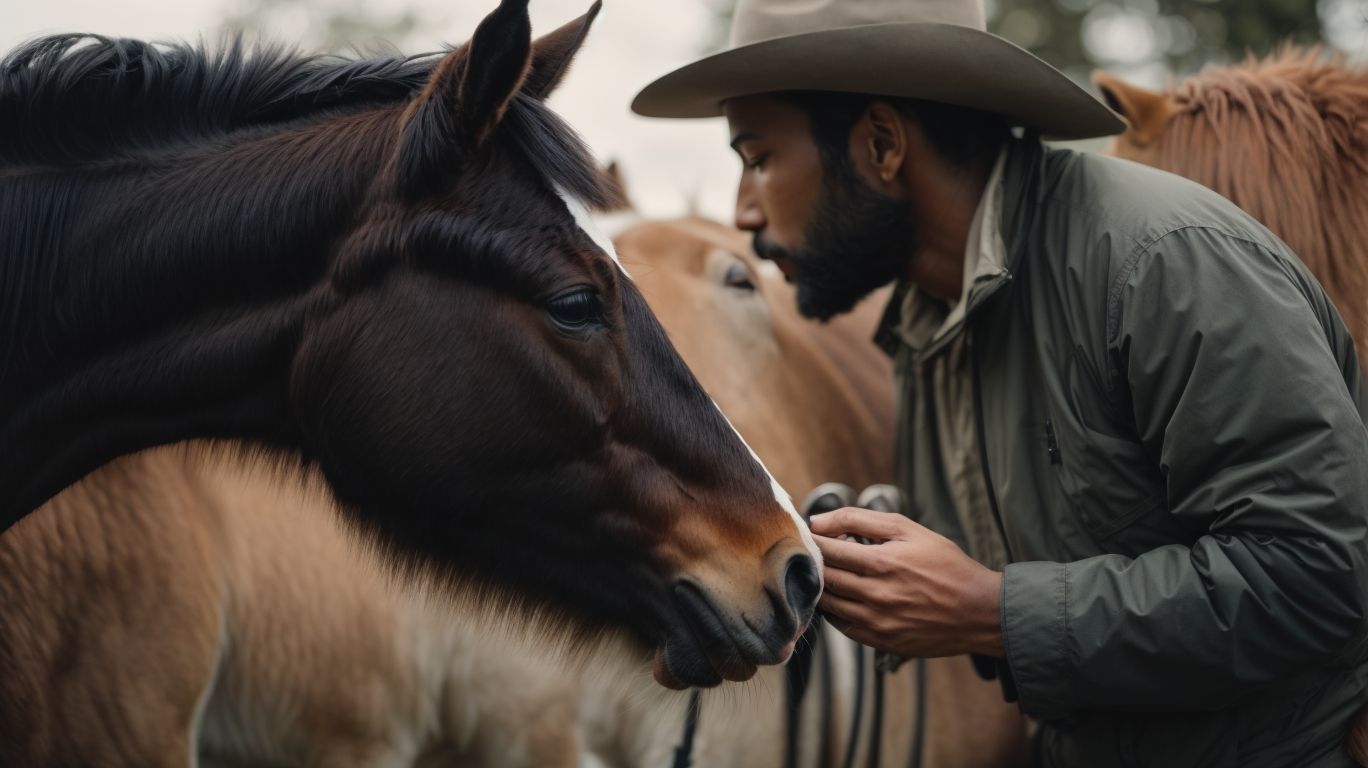
In terms of socialization plans, it is beneficial to expose the foal to other horses, both mares and foals, to facilitate their integration into a new social dynamic. Gradually separating the foal from the mare for short periods of time can also help in preparing them for weaning, fostering independence and confidence.
Separating The Foal From The Mare
The process of separating the foal from the mare during weaning requires careful planning to ensure a gradual and supportive transition, minimizing stress and anxiety for both the foal and the mare.
During the gradual separation process, it’s essential to establish a new routine for the foal, including introducing separate feeding, socializing with other foals, and providing a safe environment.
Environmental enrichment, such as turnout time and interaction with older horses, can help the foal adjust to independence while maintaining a sense of security. Monitoring the mare’s behavior and providing comfort through attention and reassurance can ease the emotional impact of separation. Gradually implementing these changes over several weeks allows the foal and mare to adapt, reducing the potential for distress during this critical transition period.
Providing Adequate Nutrition
Ensuring adequate nutrition for the foal during weaning involves transitioning to a balanced diet of solid food, supplemented with essential nutrients to support its growth and development.
During the weaning process, it is crucial to pay attention to the calcium and phosphorus levels in the foal’s diet, as these minerals are essential for bone and muscle development. Additionally, protein is vital for overall growth, and amino acids such as lysine and methionine play a crucial role. Introducing high-quality hay and concentrates rich in vitamins and minerals is beneficial. Furthermore, gradual transition and monitoring of the foal’s weight and overall health are essential components of successful weaning.
Socialization With Other Foals
Facilitating socialization with other foals plays a vital role in the weaning process, fostering interaction, play, and companionship to ease the transition to independent living and herd dynamics.
During weaning, interaction with other foals allows the young equines to learn essential social skills, develop a sense of hierarchy and dominance within the herd, and establish lasting bonds. Play is also crucial as it helps the foals to expend energy, practice physical coordination, and engage in mimic behaviors, mirroring adult equine behaviors.
Being part of a herd aids in the transition to independent living, as it provides a sense of safety and belonging, reducing the stress and anxiety associated with the weaning process.
What Are The Challenges Of Weaning?
Credits: Horselife.Org – Anthony Moore
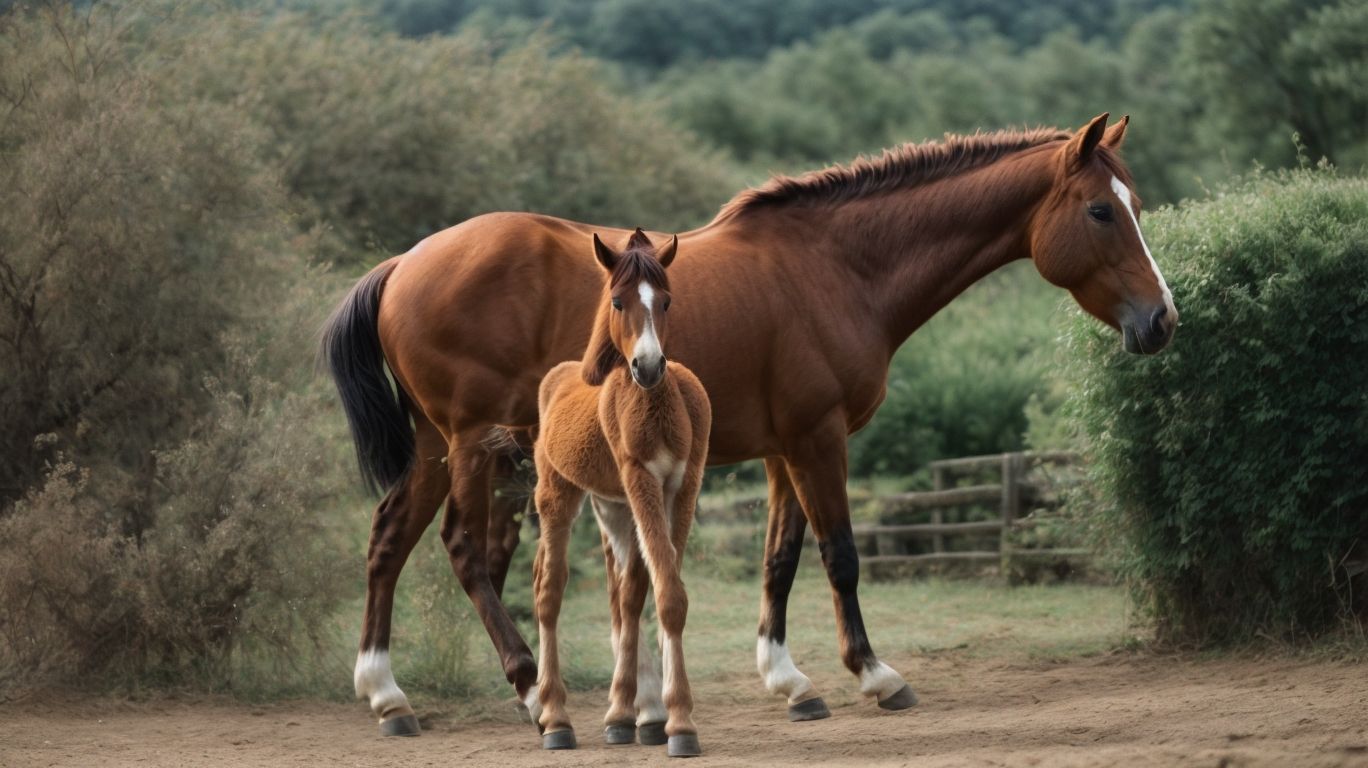
Weaning presents several challenges for foals, including separation anxiety, changes in behavior, and the adjustment to independent living and feeding.
Foals often experience psychological distress during weaning, as they have formed strong bonds with their dams. The abrupt separation can lead to feelings of anxiety and confusion, causing them to display behaviors such as pacing, vocalizing, and decreased appetite. These behavioral changes are a result of their struggle to cope with the new environment and feeding routine.
The transition to independent feeding can be overwhelming for foals, as they must adapt to consuming solid food and learn to regulate their intake without their mothers’ guidance. These challenges have essential implications for the well-being of foals, emphasizing the need for a supportive and gradual weaning process to mitigate the potential negative effects on their development.
Separation Anxiety
Foals often experience separation anxiety during weaning, displaying distress and stress symptoms as they cope with the absence of their maternal bond and familiar environment.
During this challenging period, foals may exhibit behaviors such as pacing, calling out, and reduced appetite, reflecting their emotional unease and adjustment to the significant changes in their routine.
Stress management becomes crucial in maintaining the well-being of foals during this transition. Providing a stable and predictable daily routine, ensuring ample social interaction with other horses, and offering nutritious feed can all contribute to minimizing stress levels.
The role of environmental support cannot be overstated. Access to a suitable paddock or pasture, along with the companionship of other horses, enables foals to gradually adjust to their new independence and diminish the impact of separation anxiety.
Changes In Behavior
Weaning often triggers significant changes in the foal’s behavior, affecting its social interactions, feeding patterns, and overall adjustment to independent living and herd dynamics.
During weaning, foals typically experience heightened anxiety as they are separated from their maternal herd and their primary source of comfort; this social dynamic can result in increased vocalizations, pacing, and restlessness. The abrupt transition from nursing to solid food can lead to dietary challenges, potentially causing weight loss and digestive disturbances. As foals adapt to independent living, they must learn to establish new bonds within the herd, establish hierarchies, and navigate interpersonal relationships, contributing to their development into well-adjusted adult horses.
How To Help Your Foal Through The Weaning Process?
Credits: Horselife.Org – Christian Jones
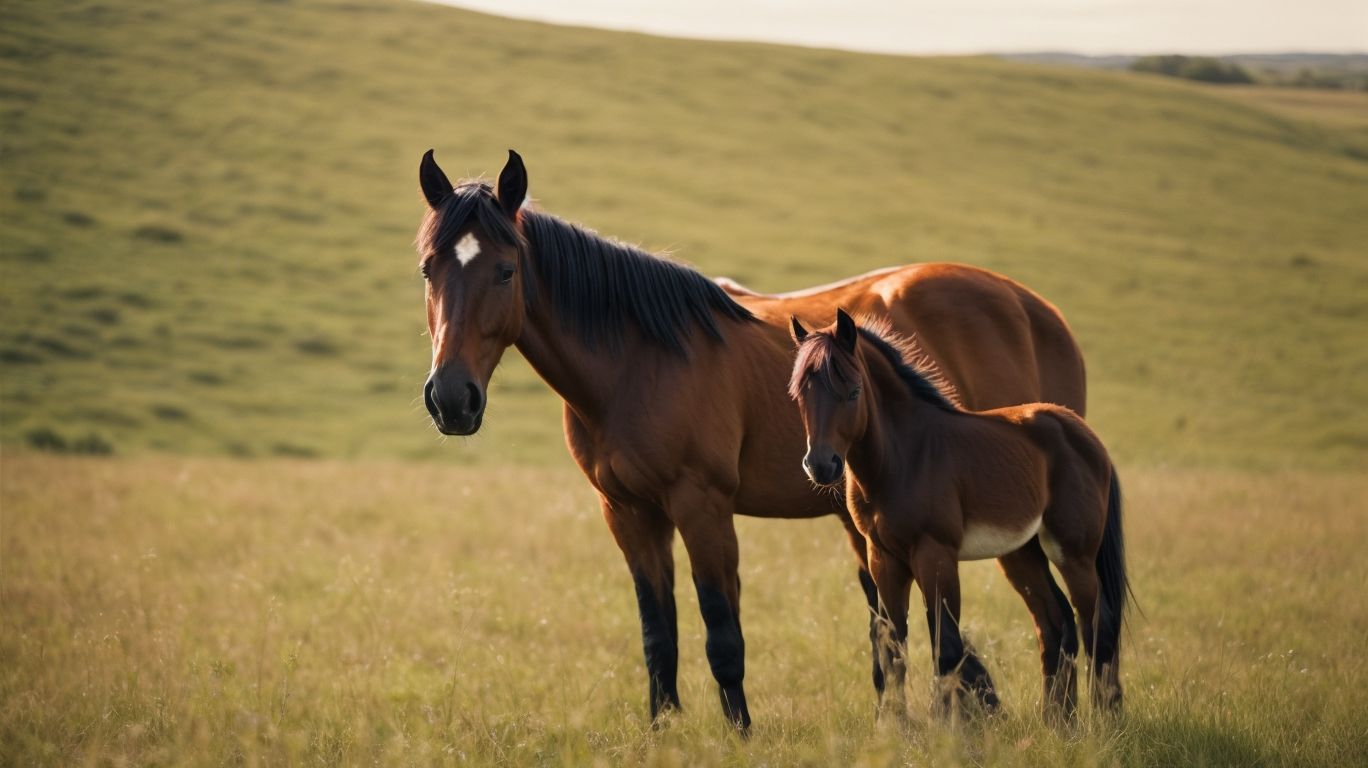
Supporting your foal through the weaning process involves creating a comfortable environment, establishing a routine, and providing emotional support to ease the transition and minimize stress.
Creating a comfortable environment for your foal can involve ensuring a clean, safe, and well-ventilated space where the foal can feel secure.
Establishing a routine is crucial in providing a sense of predictability for the foal during this time of change. This includes consistent feeding times and gentle, regular handling.
Emotional support, such as the company of familiar companions or the presence of a calm and reassuring caretaker, can greatly aid in easing the foal’s anxiety during weaning.
Creating A Comfortable Environment
Creating a comfortable environment for the foal during weaning is essential for reducing stress and anxiety, providing shelter, familiar surroundings, and a supportive space for the transition.
While weaning may be a challenging time for both the foal and the mare, there are several key elements that can contribute to a smooth transition.
- Shelter is critical, offering protection from the elements and a sense of security. A familiar environment, such as the same paddock or stable, can help alleviate anxiety during this period of change. It’s important to reduce stress by maintaining a consistent routine and providing companionship from other foals or calm adult horses. Introducing a balanced diet and slowly acclimating the foal to new feeding practices can also ease the weaning process.
Establishing A Routine
Establishing a structured routine for the foal during weaning involves planned feeding times, designated playtime, and positive interactions to create a sense of stability and security.
During weaning, foals undergo a significant transition, and a consistent routine plays a crucial role in reducing stress and anxiety.
Feeding schedules should be consistent, featuring high-quality equine-specific nutrition to support the foal’s growth and development.
Providing designated playtime in a safe environment encourages physical activity, mental stimulation, and socialization with other equine companions.
Positive social interactions contribute to the foal’s emotional well-being and help in shaping their future behavior and relationships with humans and other horses.
Providing Emotional Support
Providing emotional support to the foal during weaning involves reassurance, companionship, and facilitating positive interactions, including maintaining contact with the mare if feasible.
During the weaning process, it is essential to reassure the foal by creating a stable and secure environment. This may include familiarizing them with their new surroundings and introducing them to other compatible companions. Maintaining their physical proximity to the mare also helps in easing the transition. Companionship from other horses or gradual separation from the mare can help the foal develop independence while feeling secure. The mare’s role in modeling calm behavior and providing comfort to the foal through vocalization and physical contact plays a pivotal role in the emotional support of the foal.
Frequently Asked Questions
What is weaning and why is it important for my foal?
Weaning is the process of gradually transitioning a foal from its mother’s milk to solid food and independence. It is important for the foal’s physical and social development, as well as for the mare’s health.
At what age should I start weaning my foal?
The ideal age to start weaning a foal is between 4 and 6 months old. However, this can vary depending on the individual foal’s maturity and the mare’s milk production.
What is the best method for weaning my foal?
The most common and recommended method is gradual weaning, where the foal is gradually separated from its mother over a period of 2-3 weeks. This allows for both the foal and the mare to adjust to the separation.
How can I ensure a smooth weaning process for my foal?
To ensure a smooth weaning process, it is important to introduce solid food to the foal before fully separating it from its mother. It is also important to provide the foal with a companion, such as another foal or a calm and experienced horse.
What are some signs that my foal is ready to be weaned?
Some signs that your foal is ready to be weaned include being physically mature, able to eat solid food, and showing signs of independence from its mother. The foal should also be emotionally ready to be separated from its mother.
Are there any potential risks or complications during the weaning process?
Yes, there are potential risks such as stress, digestive problems, and behavioral issues during the weaning process. It is important to closely monitor the foal and provide proper nutrition and care to minimize these risks. Consulting with a veterinarian can also help ensure a successful weaning process.

