
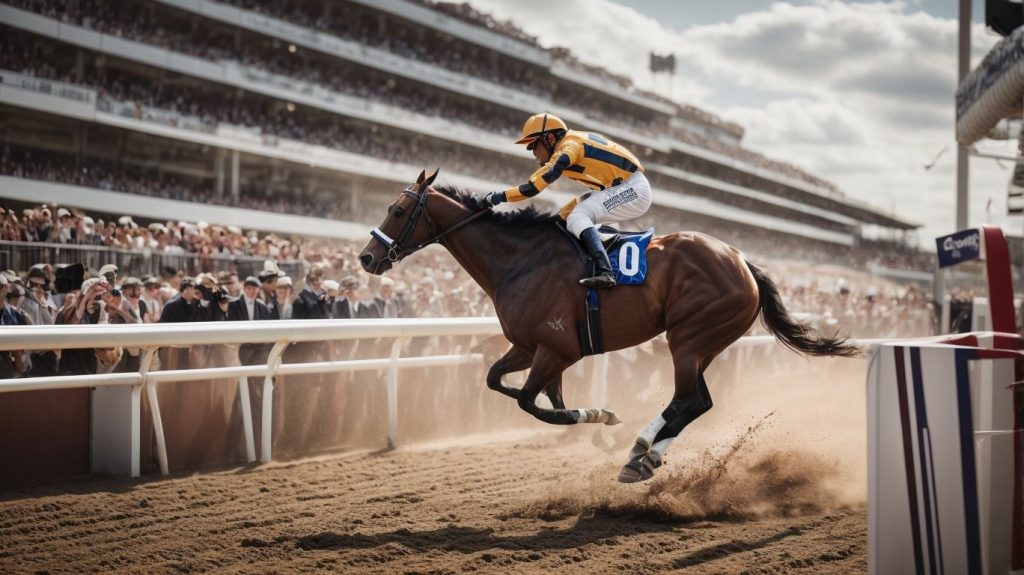
Racehorse ownership is an exciting and potentially lucrative endeavor that has captured the interest of many individuals. In this comprehensive guide, we will delve into the world of racehorse ownership, exploring the different types of ownership, the associated costs, and the potential avenues for generating income. We will also address the risks involved and provide a step-by-step approach to acquiring and managing a racehorse. Whether you are a seasoned enthusiast or a newcomer to the sport, this article aims to equip you with the essential knowledge and insights to navigate the captivating realm of racehorse ownership.
Can you really make money owning a racehorse? Let’s explore the possibilities together.
Key Takeaways:
- Owning a racehorse can be a lucrative investment with potential ways to make money, such as winning prize money, selling the horse, breeding, and sponsorship.
- The initial costs of owning a racehorse can be high, but there are also ongoing expenses to consider, such as training, veterinary care, and race fees.
- Racehorse ownership comes with risks, including potential injury or illness, lack of performance, and high competition and expenses. It is important to research and educate yourself before making the decision to invest.
What Is Racehorse Ownership?
Credits: Horselife.Org – Brandon Perez
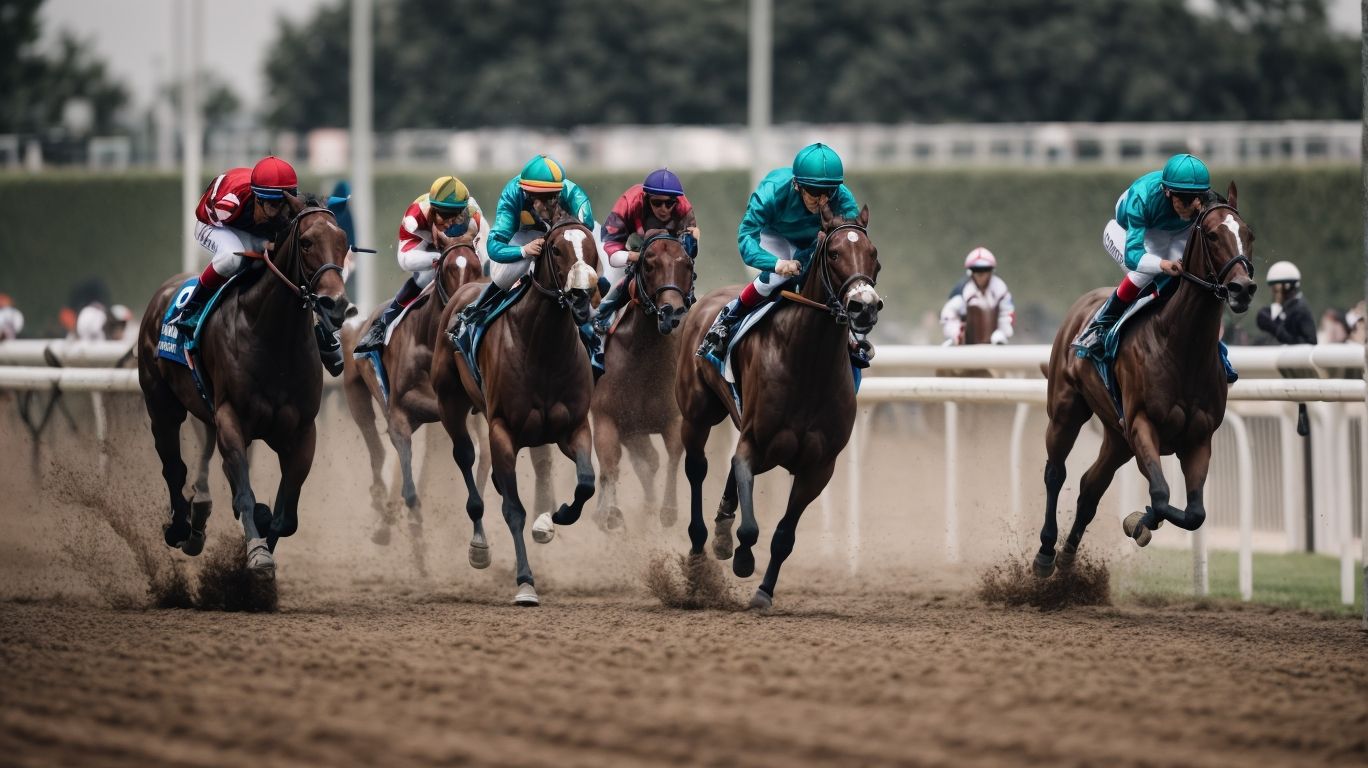
Racehorse ownership refers to the legal and financial possession of a racehorse, entitling the owner to make decisions regarding the horse’s training, racing activities, and breeding.
Owning a racehorse is a multifaceted responsibility that involves providing proper care and management for the horse, including nutrition, exercise, and medical attention.
Racehorse ownership also grants the privilege of participating in the prestigious world of horse racing, experiencing the thrill of watching your horse compete, and potentially reaping the rewards of victory. In addition, owners have the opportunity to engage in the breeding process, influencing the future of the sport by producing high-quality offspring.
What Are The Different Types Of Racehorse Ownership?
Racehorse ownership encompasses various types, including individual ownership, partnerships, syndicates, and breeding entities, each presenting distinct structures and financial obligations.
Individual ownership involves a single person owning a racehorse, bearing full responsibility for all costs and management decisions. On the other hand, partnerships enable multiple individuals to co-own a horse, sharing the financial burden and decision-making. Syndicates operate similarly but involve a larger group of individuals who collectively own and manage racehorses, spreading the risk and cost among members. In contrast, breeding entities specialize in breeding and raising racehorses for sale or racing purposes, focusing on the breeding aspect rather than direct racing ownership.
How Much Does It Cost To Own A Racehorse?
The cost of owning a racehorse varies significantly, encompassing initial purchase expenses, training fees, veterinary costs, and ongoing maintenance, making it essential for owners to carefully consider the financial commitments involved.
Initial expenses of racehorse ownership often include the purchase price of the horse, which can range from a few thousand to several million dollars, depending on the horse’s pedigree, performance history, and potential. Alongside this, there are recurring training fees, which cover the services of trainers, jockeys, and exercise riders among others. Ongoing expenses such as boarding, feed, supplements, grooming supplies, and medical care quickly accumulate. Owners should also factor in the potential unpredictability of income due to the uncertainties in race winnings, breeding revenue, and various ancillary income sources.
What Are The Initial Costs Of Owning A Racehorse?
The initial costs of racehorse ownership include the purchase price of the horse, acquisition expenses, insurance premiums, and transportation costs, constituting a significant financial investment for potential owners.
A racehorse’s purchase price can vary widely, spanning from a few thousand to several million dollars, depending on factors such as breed, age, pedigree, and racing history. Acquisition expenses encompass costs related to veterinary examinations, pre-purchase inspections, and legal fees. Additionally, insurance considerations are crucial to protect the investment, with factors such as mortality coverage, loss of use, and medical coverage being central components.
Potential owners need to account for ongoing expenses, including training fees, boarding costs, and race entry fees, which further contribute to the financial investment required for racehorse ownership.
What Are The Ongoing Costs Of Owning A Racehorse?
The ongoing costs of racehorse ownership involve training fees, veterinary expenses, boarding charges, and competition-related outlays, requiring owners to maintain a consistent financial commitment to support the horse’s racing activities.
Training fees encompass the costs of a professional trainer to ensure the racehorse is in peak physical condition and receiving proper instruction.
Veterinary expenses cover routine check-ups, vaccinations, and unexpected medical treatments, which are essential for the horse’s well-being and performance.
Boarding charges are associated with housing the racehorse in a suitable facility that offers the necessary amenities and care.
Competition-related outlays include entry fees, transportation costs, and any additional expenses incurred during racing events, supporting the horse’s participation in various competitions.
What Are The Potential Ways To Make Money With A Racehorse?
Racehorse owners have several potential avenues to make money, including winning prize purses, selling successful racehorses, generating income from breeding, and seeking sponsorship and endorsements within the racing industry.
Prize purses are a major source of income for racehorse owners. A successful racehorse can win significant sums of money in major races and competitions. Successful racehorses can be sold for substantial profits. Breeding operations offer another avenue for generating income, as owners can earn money by breeding successful racehorses. Seeking sponsorship and endorsements can provide valuable financial support and recognition within the racing industry, contributing to the overall revenue of racehorse owners.
Winning Prize Money
Winning prize money in horse racing represents a significant source of income for racehorse owners, with prestigious races like the Kentucky Derby, Preakness, and Belmont Stakes offering substantial purses for victorious horses.
For instance, the Kentucky Derby is known to offer a purse of around $3 million, making it one of the most lucrative races in the industry. Winners of the Preakness Stakes can also expect a substantial reward, with the prize money typically exceeding $1 million. Similarly, the Belmont Stakes is another prestigious event where the victorious horses can earn a significant purse, often reaching the multimillion-dollar mark.
Aside from these marquee events, there are numerous other races throughout the year that provide substantial prize money for the winning horses and their owners. The accumulation of these winnings can contribute significantly to the overall financial success of racehorse ownership, attracting investors and enthusiasts seeking lucrative returns in the racing industry.
Selling The Racehorse
Selling a successful racehorse can be a lucrative opportunity for owners to capitalize on the horse’s achievements, with top performers commanding substantial prices at auctions such as Goffs UK Premier Yearling and attracting interest from prominent breeding programs like Blandford Bloodstock.
These auctions provide a platform where outstanding racehorses can fetch impressive sums, reflecting their potential for generating significant financial returns. The high-profile events draw the attention of prominent buyers, including industry leaders, breeders, and investors keen on acquiring top-tier bloodstock.
Successful racehorses often attract the attention of reputed breeding programs. The involvement of such programs not only ensures a lucrative sale but also enhances the horse’s future potential by associating it with respected bloodlines and influential pedigrees.
Breeding The Racehorse
Breeding a successful racehorse can yield substantial income for owners through stud fees and the commercial value of offspring, with renowned stallions like Rich Strike, Galileo, and Dubawi Mischief commanding significant fees for their breeding services.
Stud fees represent a major source of income for the owners of the stallions. A successful racehorse with a proven track record can attract high fees for its breeding services. The offspring of these prized stallions are highly sought after in the industry, fetching lucrative prices in sales and auctions. The next generation of potential champions carries a significant commercial value, which adds to the financial rewards of successful breeding programs. As such, investing in the right bloodlines and breeding strategies can offer substantial long-term financial benefits for racehorse owners.
Sponsorship And Endorsements
Racehorse owners can pursue sponsorship and endorsements within the racing industry, leveraging the horse’s performance and visibility to secure partnerships with prominent brands and companies seeking to associate with successful horses, such as Coca-Cola, Nike, and McDonald.
Such collaborations offer owners a substantial source of income generation and provide brands with a unique and compelling marketing opportunity. Through strategic partnerships, owners can access financial resources to support their horses’ training, healthcare, and competition expenses. In return, brands can benefit from the extensive reach of horse racing events, gaining exposure to diverse audiences and strengthening their brand image through association with renowned racehorses.
What Are The Risks Involved In Racehorse Ownership?
Racehorse ownership carries inherent risks, including the potential for injury or illness affecting the horse, challenges related to performance and competition, and the substantial expenses associated with maintaining and racing thoroughbreds.
Owning a racehorse involves navigating the delicate balance between maximizing the horse’s potential and managing the risks. These magnificent creatures are prone to various injuries, such as fractures, tendon strains, and soft tissue damage, which can have a significant impact on their health and racing career. Illness and disease can sideline a racehorse, leading to prolonged recovery periods and potential setbacks.
Performance challenges also add to the complexities of ownership; each horse has unique abilities and limitations that can affect its competitiveness in races. Even the top-performing horses can experience periods of subpar performance, which can be frustrating and financially burdensome for owners, trainers, and jockeys.
Injury Or Illness Of The Racehorse
The risk of injury or illness affecting a racehorse can have significant implications for owners, potentially impacting the horse’s career, financial investments, and the emotional well-being of those involved in the care and training of the animal.
When a racehorse sustains an injury or falls ill, it can result in the horse being sidelined from competitive events, leading to potential loss of earnings and diminished prospects for success in racing. Owners may also face the burden of expensive veterinary care, rehabilitation, and prolonged periods of rest for the horse, which could strain their financial resources.
Emotionally, the well-being of the owners, trainers, and handlers can be deeply affected as they develop strong bonds with the horses and are invested in their success and well-being. The uncertainties surrounding the extent of the injury or illness, the recovery process, and the potential long-term effects on the horse’s performance can create stress and anxiety for those involved in the horse’s care.
Lack Of Performance Or Wins
Racehorse owners face the risk of disappointing performance or lack of wins, impacting the horse’s value, competition opportunities, and the financial returns expected from racing activities, necessitating careful management and strategic decision-making.
When a racehorse fails to meet expectations in terms of performance or fails to secure wins, it can have far-reaching consequences for the owners. The value of the horse may decrease significantly, affecting potential returns on investment. Moreover, competition opportunities may diminish, leading to a decreased likelihood of achieving desired success on the track. This in turn can impact the financial returns expected from racing activities, highlighting the importance of robust management strategies and well-considered choices in racehorse ownership.
High Competition And Expenses
The racing industry’s high competition and associated expenses pose significant risks for owners, requiring substantial financial investments in training, jockey fees, race entries, and maintenance to sustain a competitive presence in events held at renowned venues like Happy Valley and Sha Tin.
The financial burdens in the racing industry extend beyond the initial investment, encompassing ongoing expenses for veterinarian care, stabling, and transportation, which are essential for maintaining the welfare and peak performance of the racehorses.
Amidst this, the competition dynamics add another layer of complexity, as owners and trainers vie for limited opportunities at prestigious race meetings, such as the Prix de l’Arc de Triomphe and the Kentucky Derby, where the stakes are high in terms of both reputation and financial rewards.
What Are The Steps To Owning A Racehorse?
The process of owning a racehorse involves essential steps such as thorough research and education, finding a reputable trainer and stable, purchasing the racehorse, completing registration and insurance procedures, and actively managing the horse’s racing career.
Before diving into ownership, it is crucial to conduct thorough research, understanding the intricacies of the racing world, its regulatory framework, and the business aspects. Once equipped with knowledge, the next pivotal step is to identify a reputable trainer and stable aligned with the horse’s potential and suitability for racing. Equally important is the purchase process, during which one should engage with experienced professionals to ensure a smooth transaction and a sound investment.
Subsequently, registering the racehorse with relevant authorities and obtaining insurance coverage are fundamental to secure the legal and financial aspects of ownership. And lastly, actively managing the horse’s racing career demands attentive care, training, and strategic planning, all of which contribute to the success of the racehorse and the ultimate fulfillment of ownership.
Research And Education
Prospective racehorse owners should prioritize comprehensive research and education, familiarizing themselves with industry regulations, horse evaluation criteria, and the roles of organizations such as the British Horseracing Authority and AQHA.
Research and education play pivotal roles in equipping individuals with the necessary knowledge and skills to make informed decisions in racehorse ownership. Understanding industry regulations is essential for compliance and ethical practices, ensuring the welfare of the horses and fair competition. Thorough knowledge of horse evaluation criteria, encompassing conformation, pedigree, and performance, enables owners to select horses best suited for their intended pursuits. Organizations like the British Horseracing Authority and AQHA provide valuable resources, guidelines, and support, further emphasizing the significance of ongoing education in this dynamic industry.
Finding A Trainer And Stable
Selecting a reputable trainer and stable is a crucial step for racehorse owners, as it directly impacts the horse’s development, well-being, and performance, necessitating careful evaluation of professionals and facilities such as the New York Thoroughbred Breeding Development Fund Corporation.
When evaluating trainers and stables, racehorse owners should consider factors such as the trainer’s experience, expertise in specific racing disciplines, success rate, and the quality of their training methods and facilities.
Examining the stable’s environment, including the level of care, nutrition, exercise programs, and overall management, is pivotal for the horse’s welfare and performance.
Many prominent organizations, including the Thoroughbred Owners and Breeders Association and the American Association of Equine Practitioners, provide resources and guidelines for selecting reputable professionals and facilities, helping owners make well-informed decisions.
Purchasing The Racehorse
The process of purchasing a racehorse involves evaluating potential acquisitions, conducting pre-purchase examinations, and navigating sales events and transactions, requiring owners to consider factors such as bloodlines, conformation, and auction dynamics at events like Tattersalls and Keeneland.
When evaluating potential acquisitions, prospective owners need to thoroughly research the bloodlines of the racehorse to assess its pedigree and performance potential. Conformation, which refers to the physical structure and build of the horse, plays a crucial role in determining its racing suitability and long-term soundness. Pre-purchase examinations, including extensive medical checks and soundness evaluations, are paramount to ensure the horse’s health and fitness for its intended purpose.
Navigating sales events like Tattersalls and Keeneland demands a keen understanding of the auction dynamics and the ability to make informed decisions amidst competitive bidding and vivid showcases of equine talent. Owners also need to be well-versed in the transactional aspects, such as price negotiations, terms of sale, and post-purchase care agreements, to ensure a smooth and transparent acquisition process.
Registering And Insuring The Racehorse
Completing registration and insurance formalities is crucial for racehorse owners, entailing the submission of pedigree documentation, microchipping procedures, and securing comprehensive insurance coverage against potential risks and liabilities.
Registering a racehorse involves meticulous attention to detail. It begins with the submission of accurate pedigree documentation to the relevant regulatory body, typically detailing the horse’s lineage, breeding history, and ownership records. Microchipping procedures, which involve the implantation of a unique identification chip beneath the horse’s skin, are essential for proper identification and traceability.
Equally vital is the insurance aspect, which serves as a safeguard against unforeseen adversities. Securing comprehensive insurance coverage is imperative to protect the investment in the racehorse, covering potential illness, injury, loss of use, or even mortality.
Racing And Managing The Racehorse
Active racehorse ownership involves overseeing the horse’s racing activities, managing training schedules, and collaborating with professional jockeys and trainers to optimize the horse’s performance and competitive engagements at venues like the Jockey Club and renowned racing events.
As a racehorse owner, you are responsible for ensuring that the horse is in top physical condition through a well-structured training program. This involves working closely with the trainers to tailor specific workouts, monitor progress, and address any health or fitness concerns. You must also liaise with experienced jockeys, selecting the most suitable rider for each race and strategizing to maximize the horse’s chances of success.
Managing the horse’s competitive engagements is crucial. From deciding which events to enter to evaluating the competition, your expertise is vital in positioning the horse for optimal performance at prestigious venues and well-known racing events like the Kentucky Derby and Melbourne Cup around the world.
Frequently Asked Questions
Can You Make Money Owning A Racehorse?
Yes, it is possible to make money owning a racehorse but it is not guaranteed. Racehorse ownership involves significant financial investment and there are many factors that can affect the profitability of owning a racehorse.
What are the main costs associated with owning a racehorse?
The main costs include purchasing the horse, training fees, veterinary care, insurance, transportation, and entry fees for races. Additional expenses may include jockey fees, stable fees, and marketing costs.
How do racehorse owners make money?
Racehorse owners can make money through prize money won in races, stud fees if the horse is successful in breeding, and potential resale value if the horse proves to be a good investment. Some owners also make money through sponsorships or endorsements.
What are the risks of owning a racehorse?
There are several risks associated with racehorse ownership, including the possibility of injury or illness to the horse, the horse not performing well in races, and the high costs associated with ownership. It is important to carefully consider these risks before investing in a racehorse.
Are there tax benefits to owning a racehorse?
In some countries, there may be tax benefits for racehorse owners such as deductions for expenses related to the horse or exemptions for income earned through racing. However, it is important to consult with a tax professional for specific information related to your location.
Is owning a racehorse a good investment?
Owning a racehorse can potentially be a good investment if the horse performs well in races and is successful in breeding. However, it is not a guaranteed investment and there are risks involved. It is important to carefully research and consider all factors before investing in a racehorse.

