Horse Anatomy

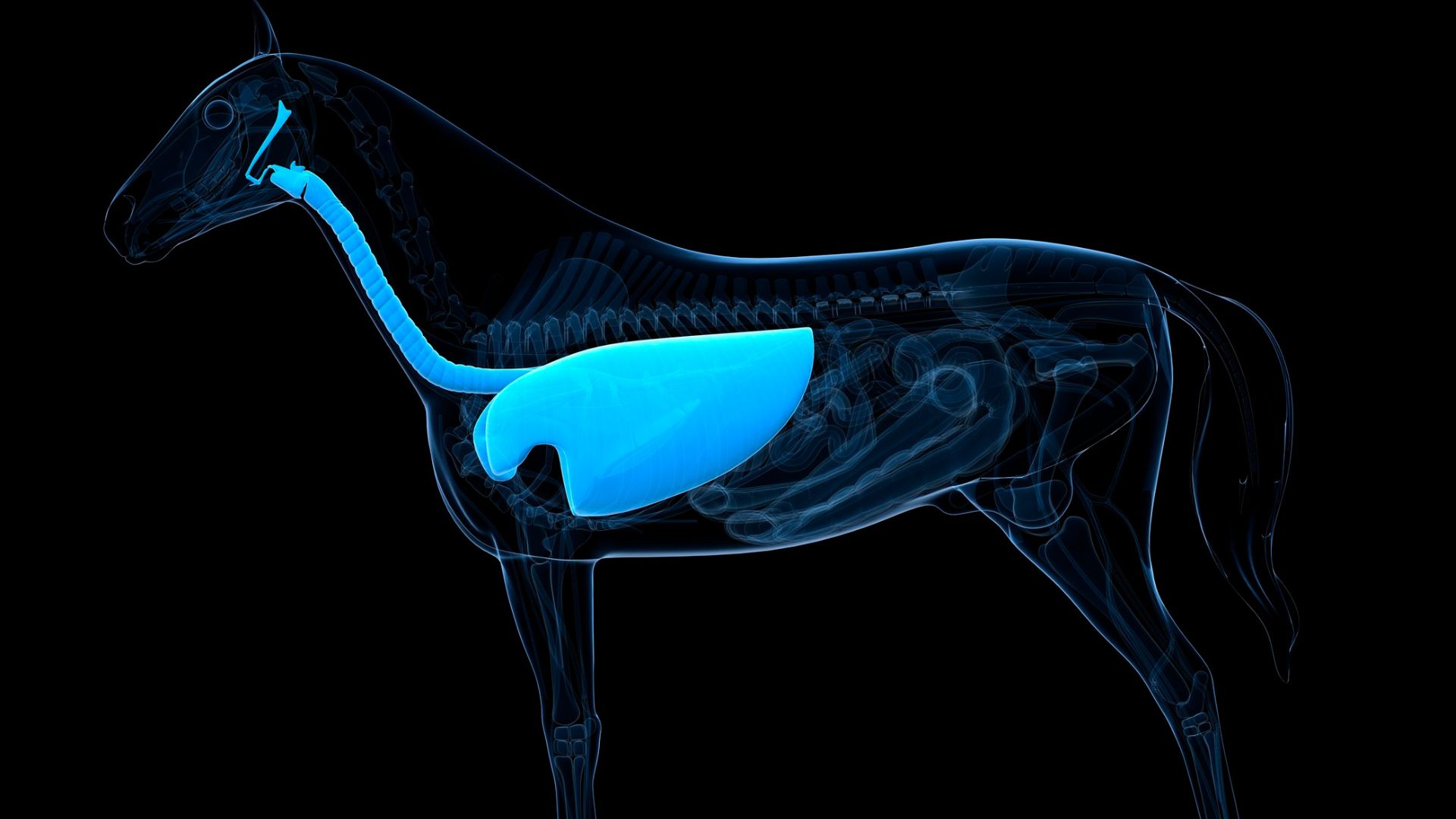
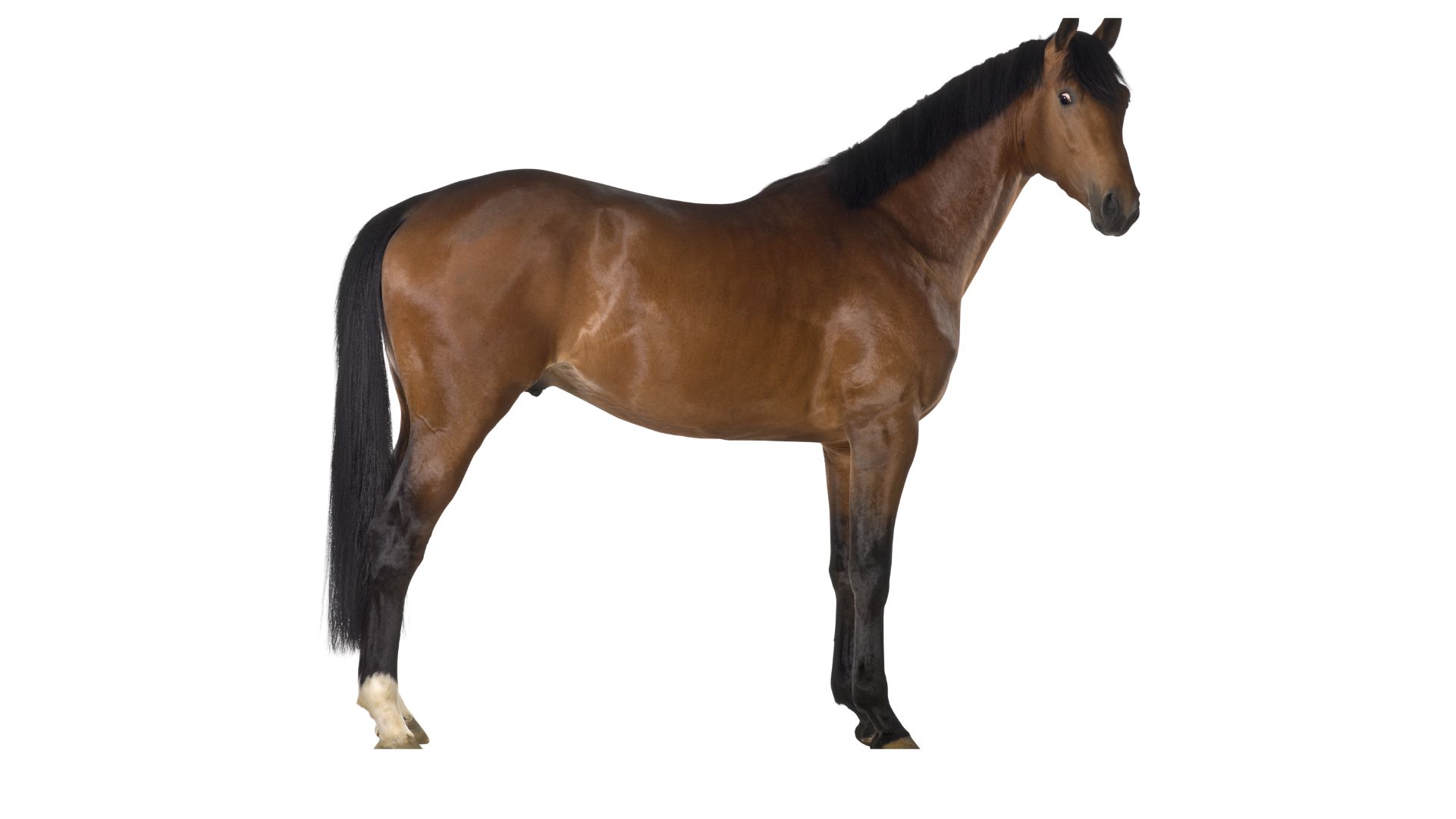
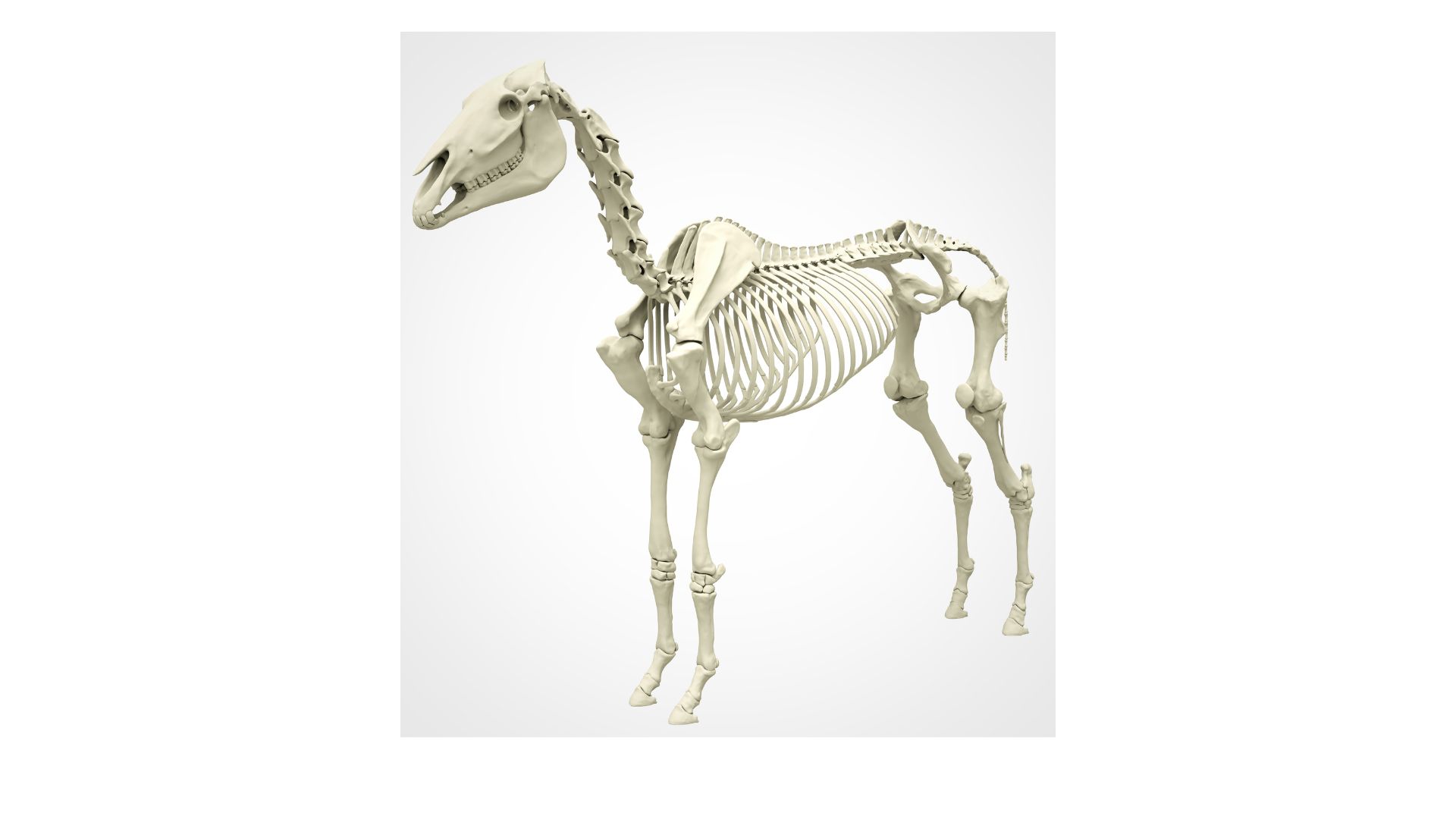
Horse anatomy is a captivating study of the intricate structure and functionality of these majestic creatures. At the core of a horse’s anatomy is its powerful musculoskeletal system, providing the framework for its remarkable strength and grace. The large, muscular hindquarters enable the horse to generate tremendous power for running and jumping. A horse’s legs are marvels of engineering, with flexible joints and strong tendons and ligaments that support the animal’s weight during movement. The horse’s heart and lungs work tirelessly to supply oxygen-rich blood to its muscles, facilitating endurance and speed. Their expressive eyes, sensitive ears, and acute sense of smell contribute to their alertness and communication. Furthermore, the digestive system of a horse, featuring a complex, large cecum and specialized teeth for grinding fibrous vegetation, showcases their adaptability as herbivores. Understanding horse anatomy is essential for their proper care, health, and the equestrian’s ability to foster a harmonious relationship with these magnificent animals.

Sub-category of Horse Anatomy

External Anatomy

The external anatomy of a horse is a study in elegant form and function, a testament to nature's precision. At the front of the horse,...

Internal Anatomy

Internal anatomy is a fascinating and intricate aspect of the horse's physiology. At the core of a horse's internal anatomy is its digestive system, featuring...

Understanding Kissing Spines In Horses

Kissing spines in horses can be a concerning issue for horse owners and equestrians. It is essential to have a comprehensive understanding of this condition, including its causes, symptoms, diagnosis, treatment options, and preventive measures, in order to ensure the well-being and performance of our equine companions. In this article, we will delve into the

Understanding Kissing Spines In Horses Read More »

Ryegrass Staggers In Horses

Rye-grass staggers is a serious neurological disorder that can affect horses, causing a range of debilitating symptoms. Understanding the causes, symptoms, diagnosis, treatment, and prevention of this condition is essential for horse owners and anyone involved in equine management. In this article, we will delve into the intricacies of rye-grass staggers, exploring the role of

Ryegrass Staggers In Horses Read More »

Heaves In Horses

Heaves in horses, also known as recurrent airway obstruction, is a common respiratory condition that can significantly impact a horse’s health and performance. In this comprehensive article, we will delve into the intricacies of heaves, exploring its causes, symptoms, diagnosis, treatment, prevention, and prognosis. From understanding the potential allergens and environmental factors that can trigger

Heaves In Horses Read More »

Grass Risks For Laminitic Horses

Laminitis is a serious and painful condition that affects horses, particularly those who are exposed to lush grass or overfeeding. Understanding the causes, signs, treatment, and prevention of laminitis is crucial for horse owners and caretakers. In this comprehensive guide, we will delve into the intricacies of laminitis, including its causes, risk factors, signs and

Grass Risks For Laminitic Horses Read More »

Understanding Epm In Horses

Equine Protozoal Myeloencephalitis (EPM) is a potentially debilitating neurological disease that can affect horses. Understanding the causes, symptoms, diagnosis, treatment, prevention, and prognosis of EPM is essential for horse owners and caretakers. In this article, we will delve into the intricate details of EPM in horses, including the protozoan infection, exposure to opossums, and weakened

Understanding Epm In Horses Read More »