
Horse Anatomy

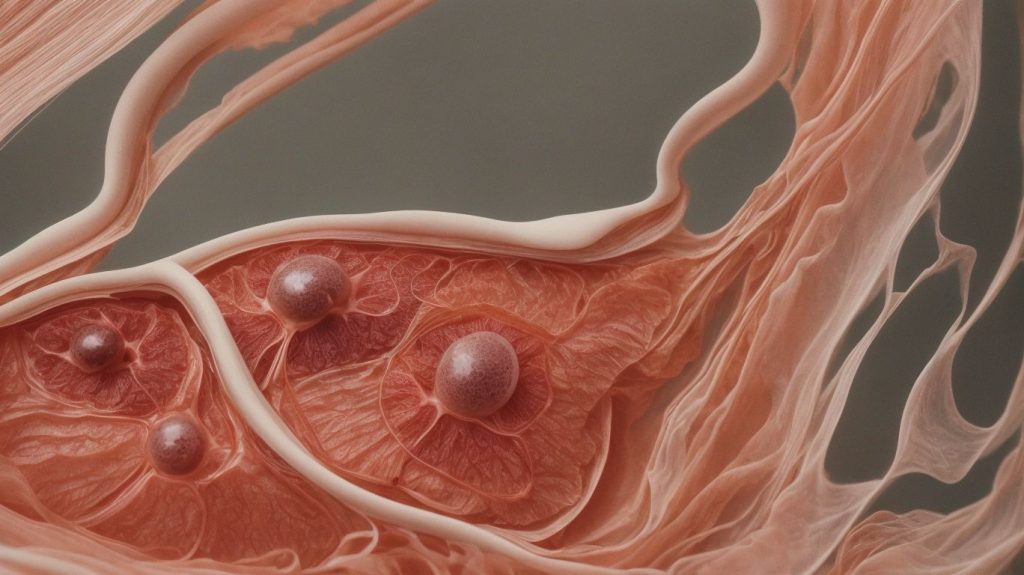
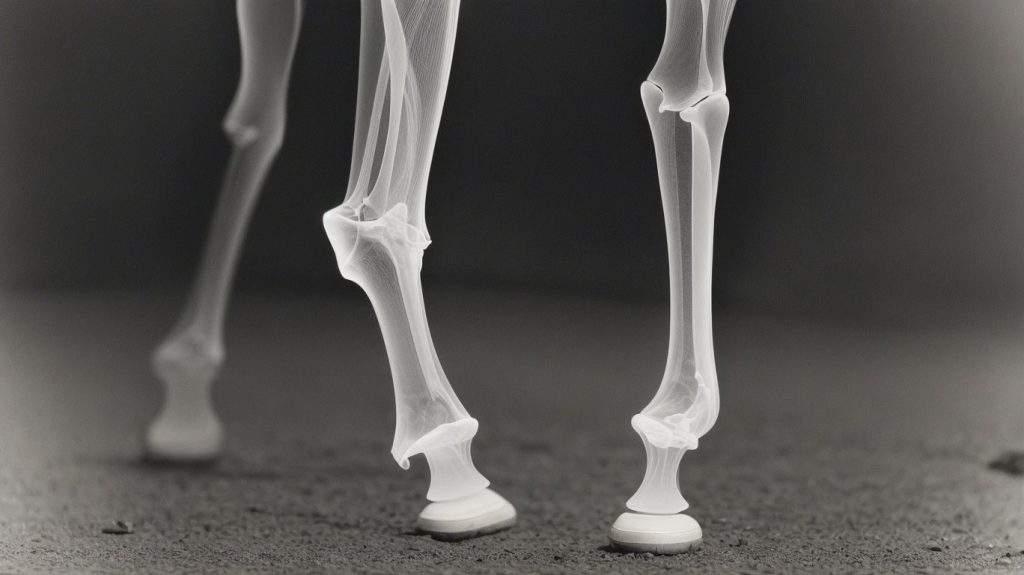
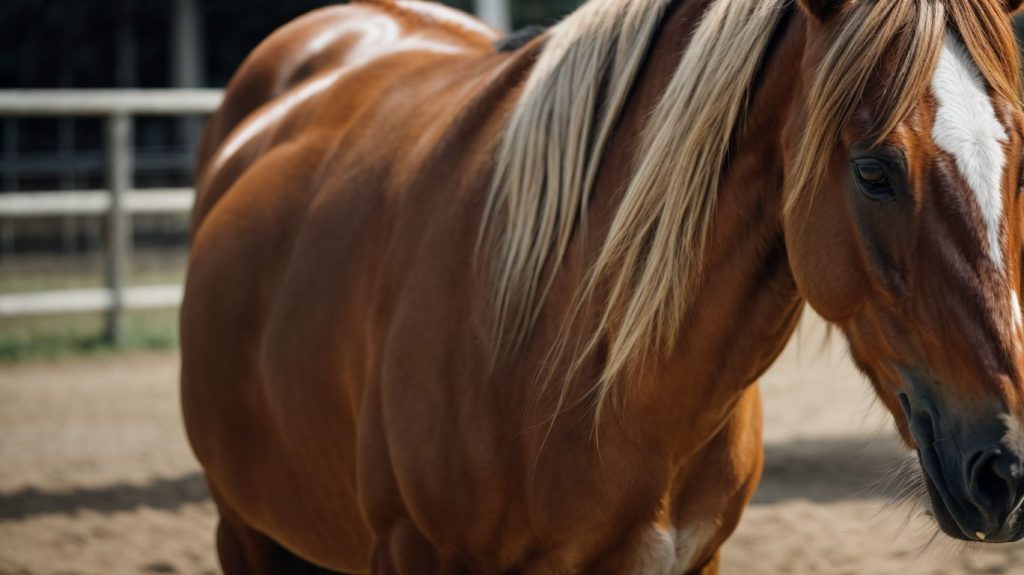
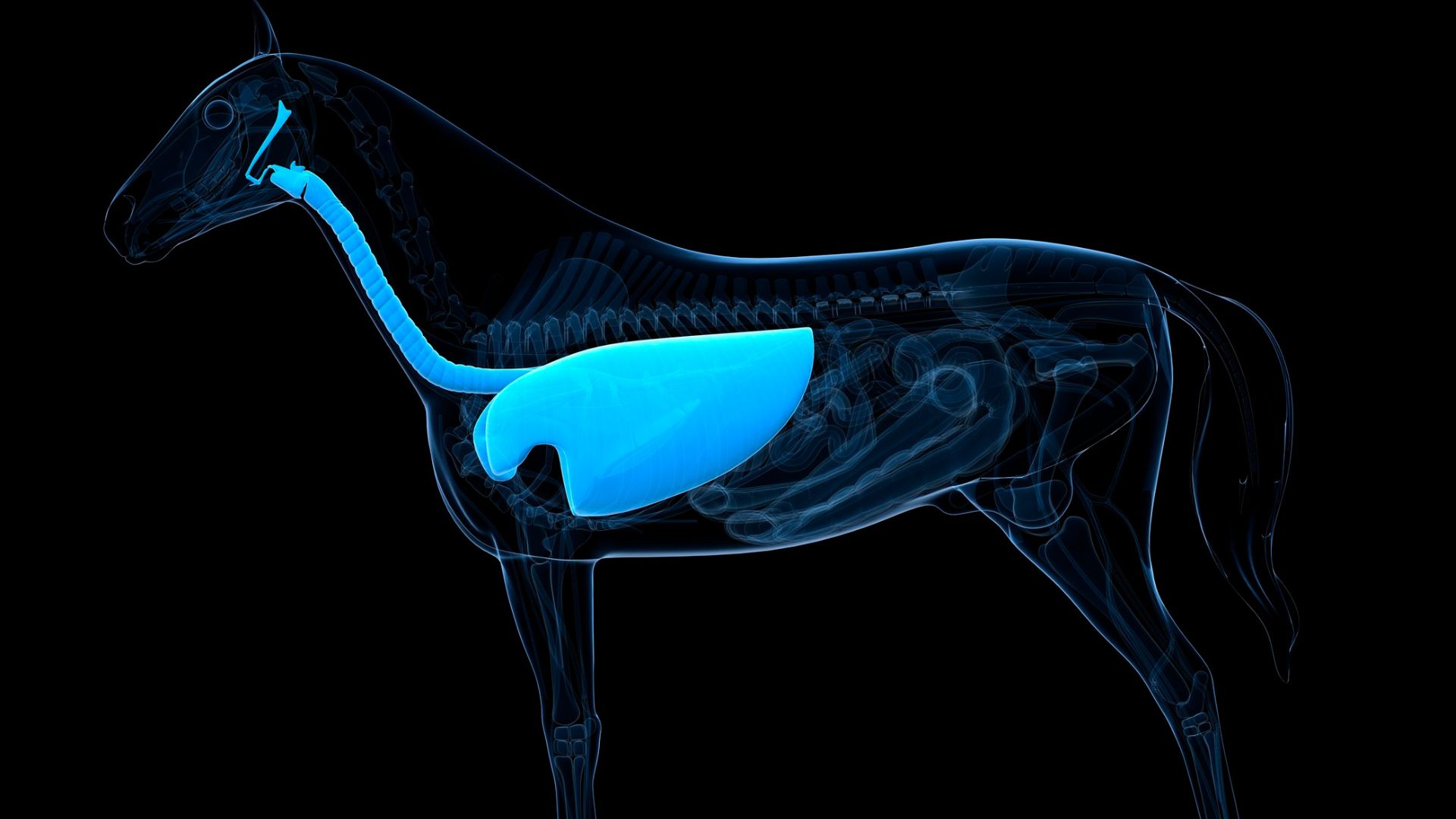
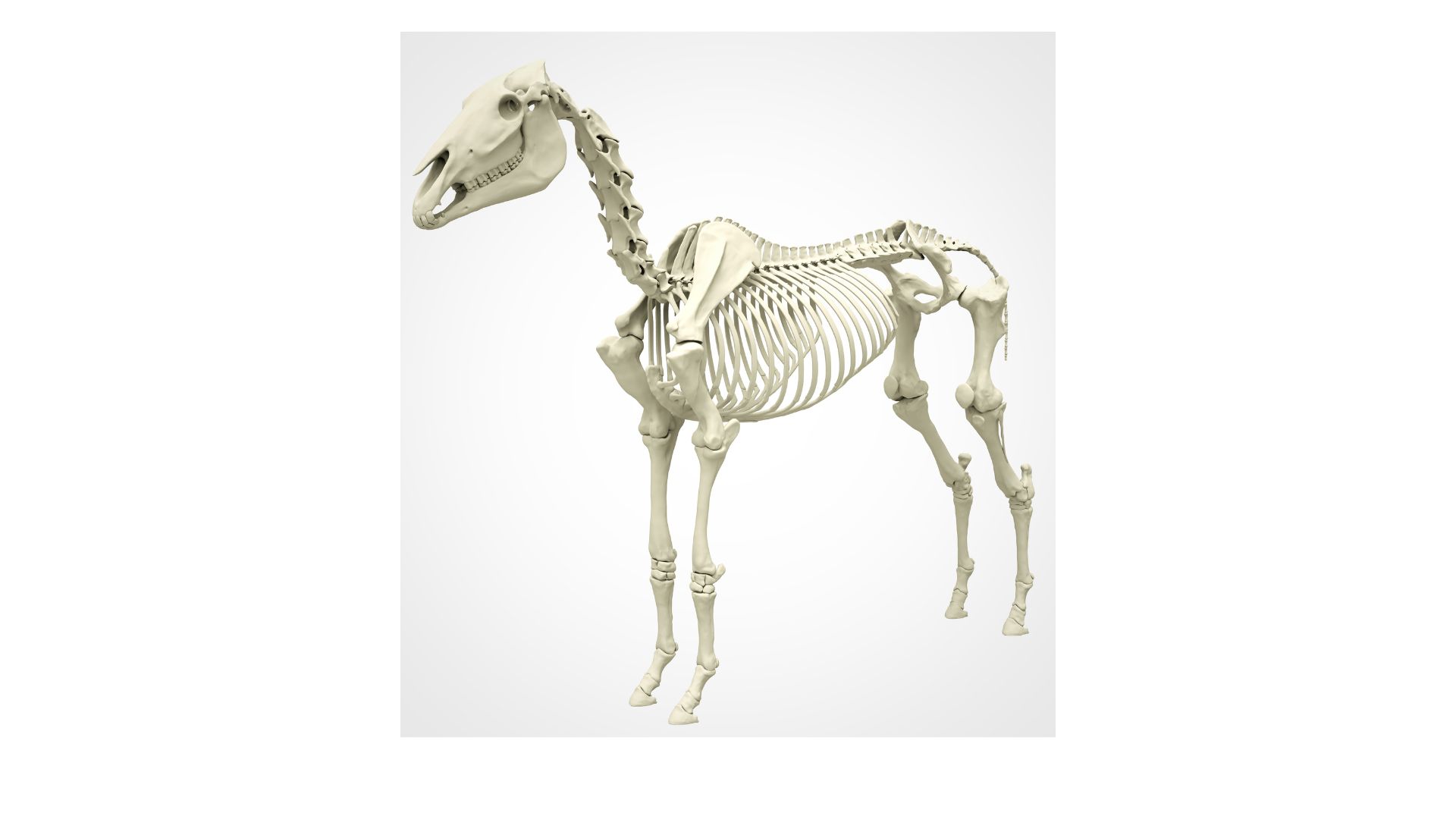
Horse anatomy is a captivating study of the intricate structure and functionality of these majestic creatures. At the core of a horse’s anatomy is its powerful musculoskeletal system, providing the framework for its remarkable strength and grace. The large, muscular hindquarters enable the horse to generate tremendous power for running and jumping. A horse’s legs are marvels of engineering, with flexible joints and strong tendons and ligaments that support the animal’s weight during movement. The horse’s heart and lungs work tirelessly to supply oxygen-rich blood to its muscles, facilitating endurance and speed. Their expressive eyes, sensitive ears, and acute sense of smell contribute to their alertness and communication. Furthermore, the digestive system of a horse, featuring a complex, large cecum and specialized teeth for grinding fibrous vegetation, showcases their adaptability as herbivores. Understanding horse anatomy is essential for their proper care, health, and the equestrian’s ability to foster a harmonious relationship with these magnificent animals.

Sub-category of Horse Anatomy

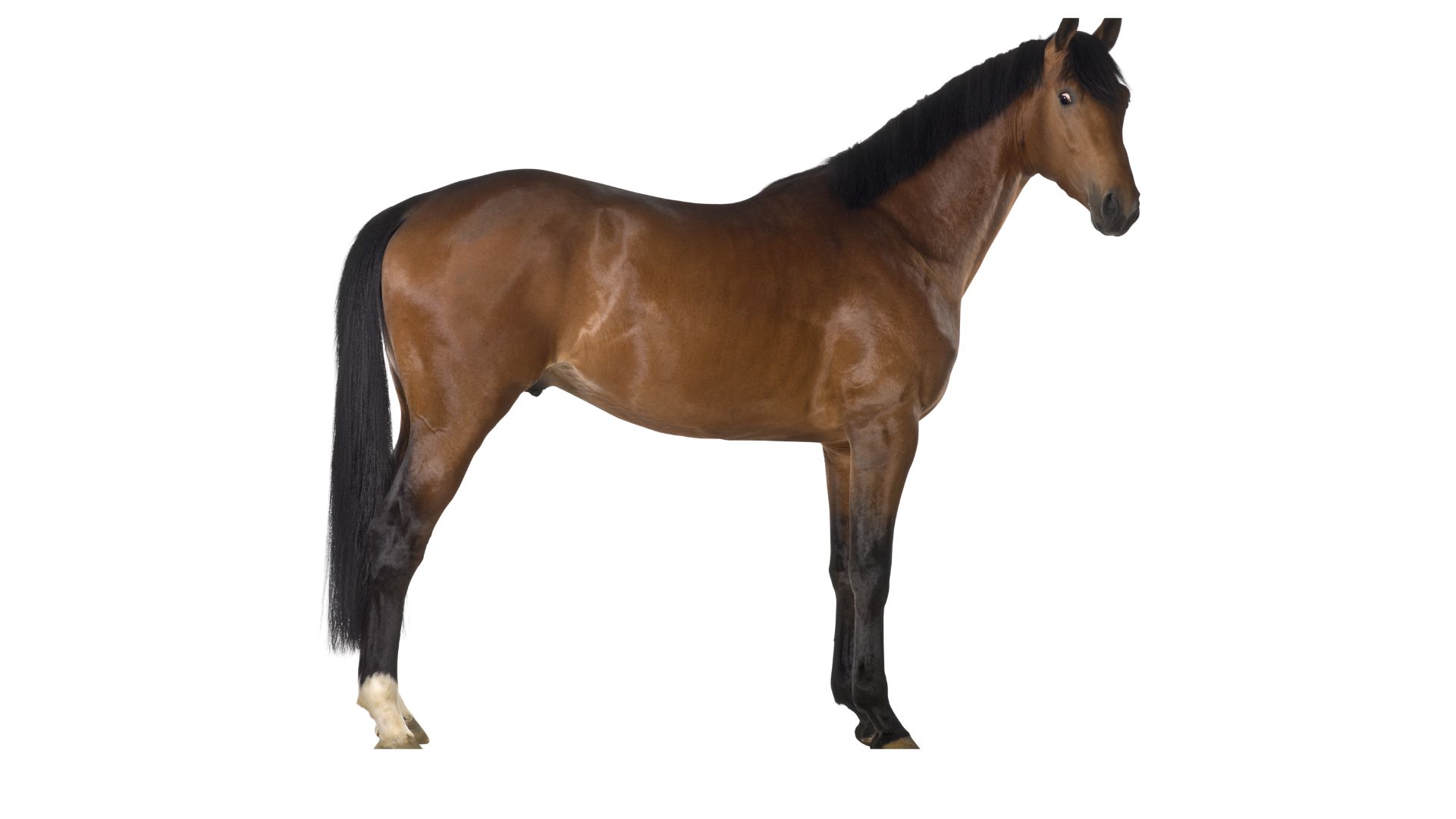
External Anatomy

The external anatomy of a horse is a study in elegant form and function, a testament to nature's precision. At the front of the horse,...

Internal Anatomy

Internal anatomy is a fascinating and intricate aspect of the horse's physiology. At the core of a horse's internal anatomy is its digestive system, featuring...

Understanding Equine Neurologic Diseases

Equine neurologic diseases are a complex and challenging medical issue that can affect horses of all breeds and ages. In this comprehensive guide, we will explore the most common neurologic diseases in horses, their causes, symptoms, and how they can impact a horse’s movement and behavior. We will delve into the diagnostic process, including the […]

Understanding Equine Neurologic Diseases Read More »
Symptoms Of Worms In Horses

None Key Takeaways: Worms in horses can be contracted through ingesting infected feces, grass, or contaminated water. Symptoms of worms in horses include weight loss, poor coat condition, pot belly appearance, diarrhea, colic, decreased appetite, lethargy, coughing, and anemia. Treatment options for worms in horses include deworming medications, natural remedies, and proper management practices. What

Symptoms Of Worms In Horses Read More »

Sesamoid Injuries In Horses

Sesamoid injuries in horses are a common concern for equine owners and caretakers, impacting the health and performance of these majestic creatures. Understanding the types, causes, symptoms, diagnosis, and treatment of sesamoid injuries is crucial for ensuring the well-being of horses. In this comprehensive guide, we will delve into the intricacies of sesamoid injuries, exploring

Sesamoid Injuries In Horses Read More »

Equine Respiratory Supplements Guide

None Key Takeaways: Equine respiratory supplements come in different forms such as herbal, vitamin and mineral, essential oil, and homeopathic, and can help with respiratory conditions, boost the immune system, improve performance, and reduce inflammation. Choosing the right equine respiratory supplement requires consulting with a veterinarian and following dosage instructions, while monitoring for any adverse

Equine Respiratory Supplements Guide Read More »

Labored Breathing In Horses

Labored breathing in horses is a concerning condition that can have serious implications for their health and well-being. Understanding the causes, symptoms, diagnosis, and treatment options for labored breathing is crucial for horse owners and caretakers. In this article, we will delve into the intricacies of labored breathing in horses, exploring the potential causes, symptoms,

Labored Breathing In Horses Read More »