
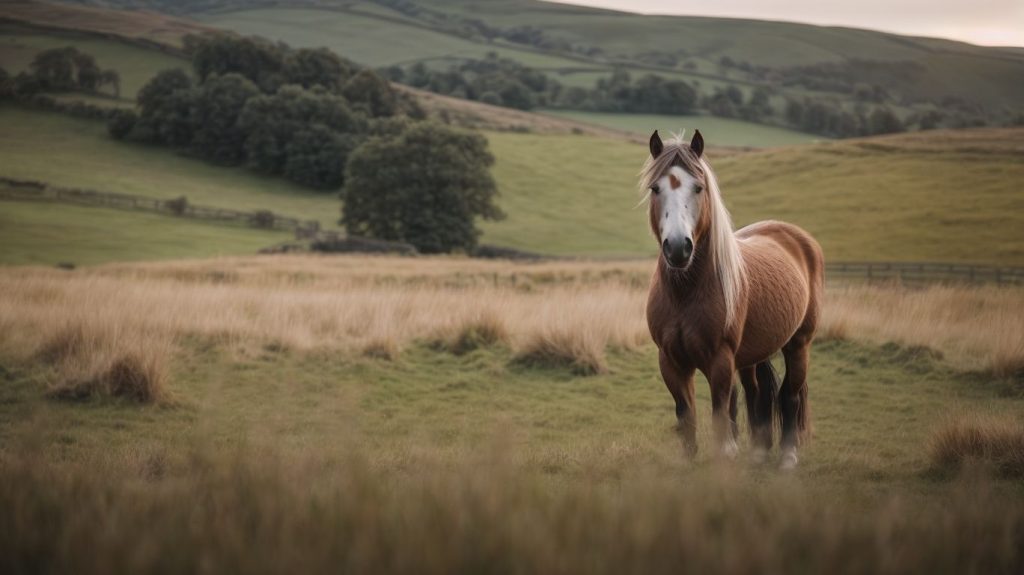
The Dales Pony, a breed renowned for its strength, intelligence, and versatility, has a rich history dating back centuries. From their origins in the rugged hills of northern England to their present-day roles in various equestrian activities, Dales Ponies have captured the admiration of horse enthusiasts worldwide.
In this comprehensive guide, we will delve into the captivating world of Dales Ponies, exploring their history, physical characteristics, temperament, and modern-day uses. Whether you’re a seasoned equestrian or simply intrigued by these remarkable creatures, this article will provide valuable insights into the fascinating world of Dales Ponies. So, let’s embark on an exploration of the captivating Dales Pony and uncover the traits that make them such beloved equine companions.
Key Takeaways:
What Is a Dales Pony?
The Dales Pony is a native breed of pony originating from the Dales area of Northern England, particularly Northern Yorkshire.
Known for its hardiness and strength, the Dales Pony has a long history of use as a workhorse and pack animal in the rugged and challenging terrain of the Dales. Its distinctive conformation includes a well-defined head, broad forehead, and a slightly concave profile, lending it an alert and intelligent expression. Standing between 14 and 14.2 hands high, the Dales Pony is recognized for its power, docility, and sure-footedness, making it a versatile and reliable companion for various equestrian activities.
The breed standard, established by the Dales Pony Society, emphasizes the pony’s sturdy build, deep body, strong hindquarters, and flat, strong legs with dense bone. Its clean, dense, and profuse mane and tail add to its striking appearance. Recognized for its contribution to agriculture, transportation, and leisure, the Dales Pony played a crucial role in towing canal barges, carrying lead from mines, and being a dependable work partner on farms.
The breed, with its roots dating back to the Celtic era, embodies a rich heritage. It is revered as a symbol of resilience and endurance, having been selectively bred over centuries to navigate the challenging landscape of the Dales. The Dales Pony holds an esteemed place as a valued native breed, cherished not only for its physical capabilities but also for its unwavering loyalty and gentle nature.
History of Dales Ponies
The history of Dales Ponies is deeply rooted in the landscapes and traditions of Northern England, where these hardy ponies have been cherished for their versatility, strength, and resilience for centuries.
How Did Dales Ponies Originate?
The origins of Dales Ponies can be traced back to the native mountain moorland breeds native to the Dales area of Northern England, where the strong and sure-footedness ponies were developed to thrive in challenging terrains.
These hardy ponies have a rich heritage that spans centuries, with their ancestors believed to have roamed the rugged landscapes of the Pennines and North Yorkshire Moors. The Dales Pony’s roots can be linked to the ancient Celtic ponies and the Roman occupation of Britain, influencing their sturdy build and resilience.
Their compact yet muscular physique, intelligent demeanor, and exceptional stamina are testaments to the breed’s adaptability and hardiness in their natural habitat. These characteristics have made them invaluable as working ponies, excelling in agricultural tasks and transportation across the demanding terrains of the Dales.
What Were Dales Ponies Used For in the Past?
Dales Ponies were extensively used for various purposes in the past, including as versatile working horses in lead mining activities and as reliable mounts for endurance riding and driving trials across the rugged terrains of Northern Yorkshire.
Their distinctiveness lies in their ability to navigate steep and challenging landscapes, a skill that made them critical in lead mining where they transported heavy loads through rugged terrain, contributing significantly to the industry’s productivity. Their compact yet robust build and strong work ethic made them exceptionally suited for these demanding tasks.
Their endurance and sure-footedness also made them popular for endurance riding, the demanding sport of covering long distances within specific time frames. Dales Ponies excelled in these challenges, proving their physical resilience and stamina.
Along with their roles in lead mining and endurance riding, Dales Ponies were also favored for driving, where their strength and agility were essential for hauling and maneuvering carriages and other loads through challenging conditions.
Physical Characteristics of Dales Ponies
The physical characteristics of Dales Ponies are defined by their sturdy build, compact frame, and distinctive coat colors, which adhere to the breed standards established by reputable breed associations in Northern England and beyond.
These ponies are known for their average height of around 14 hands high, with a weight ranging between 700-800 pounds, reflecting their stocky and robust constitution. Their coat colors typically include various shades of black, brown, bay, or grey, often with a thick mane, tail, and feathering on the legs, adding to their captivating appearance.
The breed associations play a pivotal role in preserving the cherished attributes of Dales Ponies, emphasizing the importance of maintaining their compact yet powerful physique, strong limbs, and hardy nature. Through selective breeding, these associations aim to uphold the characteristic features of the breed, ensuring their continued recognition and suitability for various equestrian pursuits.
What Is the Average Height and Weight of a Dales Pony?
The average height of a Dales Pony ranges from 14 to 14.2 hands, while their weight typically falls between 800 to 1,000 pounds, adhering to the established breed standard that reflects their heritage and robust build.
These sturdy and compact ponies are known for their powerful physique and exceptional strength. With a broad chest, strong hindquarters, and well-defined muscular structure, they exemplify the qualities required of a hardworking breed. Their average size allows them to comfortably carry adult riders and handle various tasks, making them highly versatile.
Dales Ponies possess a distinct appearance, marked by a refined head, expressive eyes, and a beautifully arched neck.
What Colors Are Dales Ponies?
Dales Ponies exhibit a range of colors, including black, bay, brown, and occasionally roan or gray, with each hue reflecting the breed’s rare and strong genetic heritage.
This variety in coat colors adds to the visual appeal and genetic robustness of Dales Ponies. The black coat is often seen and cherished for its deep, lustrous hue. In contrast, bay colored ponies display a rich reddish-brown body with black points, lending them a striking appearance. The brown coats, ranging from light to dark shades, are equally captivating, emphasizing the breed’s diversity. Occasionally, the appearance of roan or gray adds a touch of rarity, highlighting the genetic strength and resilience of Dales Ponies.
What Is the Typical Conformation of a Dales Pony?
The typical conformation of a Dales Pony is characterized by a strong, muscular build, well-defined limbs, and a broad, expressive head, reflecting the breed’s adaptation as hardy ponies in challenging terrains, a feature meticulously preserved by dedicated breeders and recognized by the international Museum.
These ponies’ powerful physique allows them to navigate rugged landscapes with ease, showing remarkable endurance and strength. The sturdy, well-defined limbs contribute to their surefootedness, making them adept at traversing rough terrains. Their broad, expressive heads are a distinguishing feature, with intelligent eyes reflecting their keen awareness of their surroundings.
Dedicated breeders have worked diligently to preserve these defining traits, ensuring that the breed’s resilience, adaptability, and distinctive conformation remain unchanged. This commitment to maintaining the breed’s physical attributes has been acknowledged by authoritative institutions, such as the international Museum, further solidifying the Dales Pony’s reputation as a prime example of a hardy and resilient pony breed.
Temperament of Dales Ponies

Credits: Horselife.Org – Richard Campbell
The temperament of Dales Ponies is renowned for its gentle and docile nature, coupled with a strong work ethic that makes them well-suited for various activities, including interactions with children.
Known for their gentle and patient demeanor, Dales Ponies prove to be an ideal choice for children due to their calm and reliable nature. Their strong work ethic allows them to excel in roles such as driving, riding, and even participating in agricultural work, showcasing their versatility.
These ponies are often described as intelligent, willing, and loyal, forming strong bonds with their human companions. Their adaptability and easygoing temperament make them suitable for various activities, from pleasure riding to competitive events, offering both novice and experienced riders a rewarding and enjoyable experience.
Are Dales Ponies Known for Being Gentle and Docile?
Dales Ponies are widely recognized for their gentle and docile temperament, a trait carefully nurtured by dedicated breeders to ensure that the breed maintains its amiable and cooperative nature.
Through thoughtful selection and breeding practices, these dedicated professionals have prioritized temperament alongside the breed’s physical attributes. Their efforts have contributed significantly to the calm and willing nature of Dales Ponies, making them sought after for both work and leisure activities.
By prioritizing sires and dams with exemplary temperaments, breeders continue to safeguard the breed’s predisposition for kindness and reliability. This focus on temperament has not only solidified the breed’s reputation as an ideal equine companion but has also ensured the preservation of these endearing traits for future generations of Dales Ponies.
Do Dales Ponies Have a Strong Work Ethic?
Dales Ponies are characterized by a strong work ethic, a testament to their heritage as hardy ponies with a rich history of serving as reliable driving ponies that excel in various challenging tasks.
From their origins in the rugged hills of northern England, Dales Ponies have adapted to varied terrains and climates, showcasing their remarkable versatility. Whether it’s farm work, riding, driving, or even pulling heavy loads, these ponies demonstrate a remarkable resilience and determination. Their reputation for being dependable, willing workers has made them valuable assets in agriculture and transportation for centuries. It’s no wonder that they have earned a place in the hearts of horse enthusiasts who appreciate a tireless and dedicated equine partner.
Are Dales Ponies Good for Children?
Dales Ponies are regarded as excellent companions for children, offering a gentle and reliable temperament that makes them ideal for family-oriented activities across the United Kingdom.
These ponies are well-suited for children due to their calm and predictable nature, making them a popular choice for young equestrians. Their sturdy build and high level of intelligence enable them to participate in a variety of activities, including trail rides, pony club events, and even children’s competitions.
Their adaptable and patient disposition allows them to interact comfortably with kids, fostering a strong bond and providing a sense of security. Whether it’s introducing children to horsemanship, guiding them on scenic rides through the countryside, or participating in pony-assisted therapies, Dales Ponies exhibit a remarkable versatility that enhances family-centric pursuits.
Uses of Dales Ponies Today

Credits: Horselife.Org – Peter Flores
Dales Ponies continue to serve a multitude of purposes today, contributing to activities such as riding, driving, and occasionally, traditional farm work, showcasing their enduring versatility and utility.
Their strength and sure-footedness make them well-suited for trail riding, where their compact size allows them to maneuver through challenging terrain with ease. In addition, they are valued as reliable driving ponies, excelling in both competitive driving events and leisurely carriage rides.
With their gentle disposition and robust build, Dales Ponies remain prominent in traditional farm work, such as transporting equipment and even participating in plowing or forestry tasks. Their adaptability extends to therapeutic riding programs, where their calm nature provides comfort and support to individuals with diverse needs.
What Types of Activities Are Dales Ponies Used For?
Dales Ponies are actively involved in a diverse range of activities, including endurance riding, a testament to their rare and enduring qualities that resonate with enthusiasts in the United States and beyond.
Along with their impressive performance in endurance riding, Dales Ponies are also skilled in driving, dressage, and jumping. Their versatility allows them to excel in various equestrian activities, attracting a growing number of admirers in the United States. Their adaptability and endurance make them particularly well-suited for long-distance riding, capturing the attention of outdoor enthusiasts and competitive riders alike. Their rising popularity in endurance riding competitions has solidified their position as prized equine companions in the United States.
Are Dales Ponies Still Used for Farm Work?
Dales Ponies retain their relevance for farm work, upholding a rich tradition of contributing to agricultural tasks and endeavors, with historical ties to serving in the British Army’s agricultural units.
These hardy ponies, steeped in history and tradition, have been integral to farm work for centuries. Renowned for their strength, sure-footedness, and versatility, Dales Ponies have capably assisted in plowing fields, hauling supplies, and even pulling carts. Their adaptability and resilience have endeared them to farmers, particularly in the rugged terrain of the Yorkshire Dales. The breed’s association with the British Army’s agricultural units further underscores their vital role in sustaining agricultural activities during significant historical periods.
Are Dales Ponies Suitable for Riding and Driving?
Dales Ponies are highly suitable for both riding and driving pursuits, showcasing their versatility and adaptability as reliable mounts and driving ponies, a quality that resonates with enthusiasts across Europe and beyond.
Their sturdy build and strong limbs make them well-equipped for carrying adult riders or pulling carriages, while their calm and gentle temperament adds to their appeal. In riding activities, their stamina and sure-footedness make them ideal for traversing varied terrains, from gentle trails to challenging landscapes. Their agile and responsive nature allows them to excel in driving events, where precision and control are essential.
Whether it’s leisurely rides through picturesque countryside or competing in driving trials, Dales Ponies consistently impress with their reliability and versatility, earning them a devoted following among equestrian communities.
Frequently Asked Questions
What is a Dales Pony?
A Dales Pony is a breed of pony originating from the Dales region in northern England. They are typically used for work and riding, known for their strength and endurance.
What is the average height and weight of a Dales Pony?
Dales Ponies are typically between 13 and 14 hands tall and weigh around 900 to 1,000 pounds. However, height and weight can vary depending on the individual pony.
What is the history of Dales Ponies?
Dales Ponies have been around for centuries, and are believed to be descended from the Celtic Pony. They were originally used as pack animals, hauling lead from the mines in the Dales.
What is the temperament of Dales Ponies?
Dales Ponies are known for their gentle and willing nature. They are intelligent, hardworking, and have a calm disposition, making them suitable for both work and riding.
What is the color and appearance of a Dales Pony?
Dales Ponies are typically black, but they can also come in brown, bay, and gray. They have a sturdy build, with a strong neck and well-muscled body. Their mane and tail are thick and often have a slight wave to them.
What is the current status of Dales Ponies?
Dales Ponies were once a popular breed but saw a decline in numbers during the Industrial Revolution. Today, they are listed as a rare breed by the Rare Breeds Survival Trust and efforts are being made to increase their numbers.

