

Is your horse losing weight despite eating well? Understanding the reasons behind your horse’s weight loss is crucial for their overall health and well-being. In this comprehensive guide, we will delve into the potential causes of weight loss in horses, the indicators to look out for, and most importantly, how to help your horse regain lost weight.
From dental issues and parasitic infestations to stress and poor nutrition, we will explore the various factors that could be contributing to your horse’s weight loss. We will provide practical tips on monitoring your horse’s weight, preventive measures to avoid future weight loss, and strategies to support their weight gain.
Whether you are a seasoned equestrian or a new horse owner, this article aims to equip you with the knowledge and tools needed to ensure your horse maintains a healthy weight and optimal well-being.
Key Takeaways:
Why Is My Horse Losing Weight?
Weight loss in horses can be a concerning issue with various underlying causes that need to be addressed promptly and effectively to ensure the well-being of the animal.
One potential reason for weight loss in horses is poor forage quality, which can lead to inadequate nutrient intake. Dental problems, such as sharp points or missing teeth, may also contribute to difficulty in consuming and digesting food, resulting in weight loss. In addition, parasite infestation can lead to reduced nutrient absorption and overall poor body condition. Stress, caused by changes in environment or social dynamics, can also result in weight loss in horses.
What Is Considered Healthy Weight For A Horse?
Determining a healthy weight for a horse involves assessing its body condition score and ensuring it is free from malnutrition or underlying liver and kidney malfunction.
Body condition scoring (BCS) is a key tool for assessing a horse’s weight, involving visual and palpable assessment of fat cover. An ideal score is usually around 5, varying slightly based on breed and build. Proper nutrition, including a balanced diet of hay, grain, and supplements, plays a crucial role in maintaining the horse’s weight. The functioning of organs such as the liver and kidneys is vital for metabolism and nutrient processing, directly impacting the animal’s ability to maintain an optimal weight.
What Are The Possible Causes Of Weight Loss In Horses?

Credits: Horselife.Org – Frank Hall
Weight loss in horses can stem from a variety of causes, including dental issues, parasite infestation, stress, poor diet, and underlying medical conditions.
Regarding dental problems, issues like malocclusion, periodontal disease, or dental abscesses may inhibit a horse’s ability to chew properly, leading to reduced feed intake and subsequent weight loss. Effective parasite control is also crucial, as heavy infestations can cause gastrointestinal disturbances and nutritional depletion, resulting in weight loss. Additionally, nutritional deficiencies in key nutrients such as protein, vitamins, and minerals can affect a horse’s overall health and cause weight loss.
Dental Issues
Dental issues, such as dental disease and malocclusions, can significantly impact a horse’s ability to chew and digest food properly, leading to weight loss and nutritional deficiencies.
Regular dental examinations are crucial to identify and address these issues early. Dental disease management may involve procedures such as filing sharp points, removing hooks, and addressing overgrowths to ensure proper occlusion. The influence of dental problems on forage and feed consumption can result in behavioral changes, reduced appetite, and even the development of stereotypic behaviors. It’s essential to prioritize dental care as part of a horse’s overall health management for optimal well-being and performance.
Parasites
Parasitic infestations, such as strongyles and roundworms, can lead to poor digestion, nutrient absorption, and overall health, contributing to weight loss in horses if not addressed through regular deworming protocols.
When parasites multiply within the horse’s gastrointestinal tract, they obstruct the passage of food and can cause inflammation, ulceration, and even perforation in severe cases. As a result, the horse’s ability to digest and absorb essential nutrients, including proteins, vitamins, and minerals, is significantly compromised. This not only affects the horse’s physical condition but also weakens its immune system, making it more vulnerable to diseases.
Stress or Anxiety
Stress and anxiety, often stemming from social hierarchy issues, changes in environment, or training practices, can lead to various health problems, adversely affecting a horse’s weight and well-being.
When horses experience excessive stress, their hormone levels can be disrupted, leading to weight loss or gain. Social hierarchy, such as aggressive behavior from dominant horses, can create anxiety in the herd, impacting the overall stress levels. Changes in environment, including sudden shifts in stabling or pasture companions, can also trigger stress responses. Furthermore, training stressors like overexertion or poor handling can contribute to elevated anxiety, influencing the horse’s mental and physical health.
Poor Diet or Nutrition
Inadequate diet or poor nutrition, characterized by malnutrition, forage quality, and imbalanced feed, can significantly contribute to weight loss and impact the digestive health of horses.
Quality forage plays a critical role in ensuring proper nutrition for horses. It provides essential fiber to support digestive function and maintain a healthy weight. A well-balanced feed that meets the horse’s nutritional requirements is vital for overall health and well-being. Malnutrition, on the other hand, can lead to deficiencies in essential nutrients, impacting the horse’s ability to maintain weight and increasing the risk of digestive issues.
Underlying Medical Conditions
Underlying medical conditions, such as ulcers, hindgut issues, or liver and kidney malfunction, can contribute to weight loss in horses, necessitating advanced diagnostics and prompt veterinary intervention.
Weight loss in horses can often be an indication of health issues that require careful examination. Ulcers, for example, can cause discomfort and reduced feed consumption, leading to weight loss despite no apparent changes in diet. Hindgut problems, on the other hand, can hinder proper digestion and nutrient absorption. Liver and kidney malfunction may disrupt metabolic processes, affecting the horse’s overall health and weight. Advanced diagnostic tests, including endoscopy, ultrasound, and blood work, are crucial for identifying these conditions. Veterinary consultation is essential for formulating a comprehensive treatment plan tailored to the specific medical issue.
How Can I Tell If My Horse Is Losing Weight?
Detecting weight loss in horses involves monitoring the body condition score and observing specific clinical signs that indicate malnutrition or health issues affecting the animal’s weight.
Regular visual assessments are vital in evaluating the overall appearance of the horse, including its muscle tone, fat distribution, and overall body shape. An awareness of the horse’s normal weight range is essential for detecting any deviations. In conjunction with body condition scoring, monitoring feed intake, digestive health, and physical activity levels can help identify potential contributors to weight loss. It is also crucial to be alert for signs of ill health, such as a dull coat, behavioral changes, or decreased energy levels, which could indicate an underlying health issue impacting the horse’s weight.
Body Condition Scoring
Body condition scoring is a crucial method for assessing a horse’s overall health and nutritional status, enabling the early detection of malnutrition and weight loss.
This method involves evaluating the amount of body fat, muscle development, and overall body shape to determine if a horse is underweight, overweight, or in ideal condition. Proper body condition scoring helps in understanding the impact of nutrition and exercise on a horse’s well-being, allowing for adjustments to feeding and management practices. By regularly monitoring a horse’s body condition, owners and caretakers can ensure that the animal maintains an optimal weight, preventing health issues associated with malnutrition and obesity.
Weight Tape Measurement
Utilizing a weight tape for regular measurements can help track changes in a horse’s weight, providing valuable insights into potential health problems or weight loss issues.
Weight tape measurements offer a practical and non-invasive method to monitor a horse’s weight. By regularly measuring a horse’s weight, owners and caretakers can identify any deviations from the norm, which might indicate an underlying health issue. This data is especially crucial for horses on prescribed diets, recovering from illness, or in training programs, where accurate weight management is vital. Weight tape measurements serve as an essential indicator of a horse’s overall well-being and can help prevent health complications before they escalate.
Regular Weight Checks
Implementing a routine of regular weight checks allows for proactive identification of weight loss issues and the early detection of potential health problems and clinical signs affecting the horse’s well-being.
Regular weight checks are essential for monitoring a horse’s body condition score, ensuring optimal nutritional intake and the timely identification of any underlying health concerns. By regularly assessing the horse’s weight, owners and veterinarians can address any imbalance in the diet, tailor an appropriate feeding regimen and exercise plan, and provide timely interventions to maintain the horse’s optimal health. Consistent weight monitoring facilitates the early detection of metabolic disorders, such as insulin resistance or equine metabolic syndrome, allowing for prompt management and improved long-term health outcomes for the horse.
What Can I Do To Help My Horse Regain Weight?
Credits: Horselife.Org – Zachary Sanchez
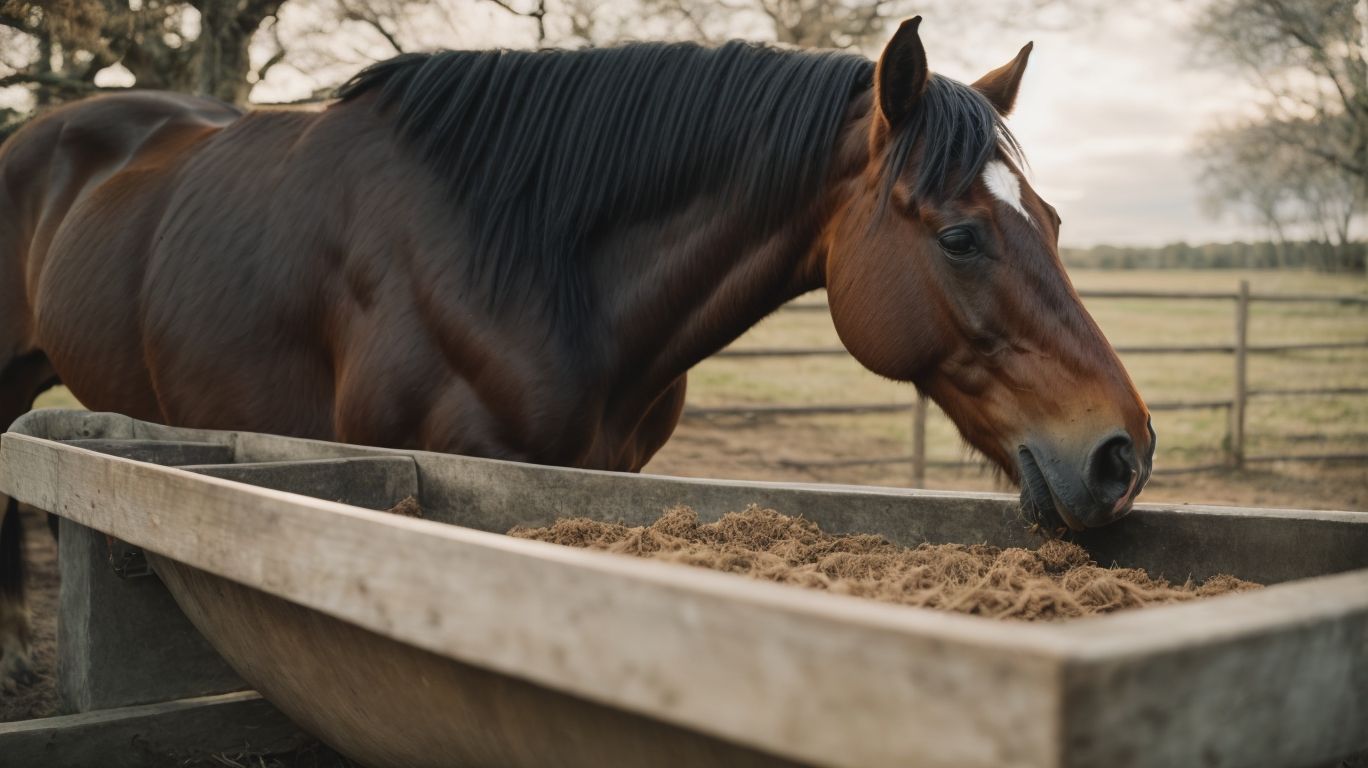
Assisting a horse in regaining weight involves adjusting its diet and nutrition, addressing any dental issues, implementing parasite control, and minimizing stress factors, with the guidance of a veterinarian.
Regarding diet adjustments, ensure that the horse receives high-quality forage, balanced concentrates, and access to clean water at all times. Regular dental check-ups are crucial, as proper dental care contributes to efficient chewing and digestion.
Moreover, parasite control is essential in preventing intestinal worms and related weight loss issues. Stress reduction techniques, such as providing a comfortable environment, regular exercise, and social interaction, can greatly contribute to the horse’s mental well-being and overall weight management.
It is imperative to involve a trusted veterinarian throughout this process for tailored advice, examination, and potential medical interventions.
Adjust Diet and Nutrition
Tailoring the horse’s diet and nutrition to promote weight gain involves adjustments in feed quality, forage selection, and the inclusion of supplements to address nutritional deficiencies and support healthy weight management.
When considering feed quality, it’s crucial to provide a balanced mix of essential nutrients such as protein, carbohydrates, fats, vitamins, and minerals. The forage selection should prioritize high-quality hay or pasture to ensure adequate fiber, which promotes healthy digestion and overall weight gain.
Supplements play a vital role in compensating for any nutritional deficiencies, particularly in horses with increased nutrient requirements. They can range from protein-based supplements to those containing essential vitamins and minerals, tailored to the specific needs of the individual horse.
Address Any Dental Issues
Resolving dental issues through regular examinations and necessary treatments is crucial for promoting proper chewing, digestion, and facilitating weight gain in horses.
Regular dental examinations and treatments play a pivotal role in maintaining the overall health and well-being of horses. By addressing dental problems such as periodontal disease and malocclusions, veterinarians can contribute significantly to the horse’s nutritional status. Proper alignment of teeth is essential for efficient mastication, enabling horses to derive maximum nutrients from their feed. Untreated dental issues can lead to discomfort, and consequently, decrease feed intake, hindering the animal’s capacity to achieve optimal body condition and weight gain.
Deworm Regularly
Regular deworming protocols are essential for managing parasite infestations and supporting the horse’s overall health and weight gain efforts.
By implementing regular deworming protocols, horse owners can effectively prevent the negative impact of parasitic infestations on the horse’s digestive system and overall well-being. Proper parasite control promotes an optimal environment for nutrient absorption, which directly contributes to healthy weight gain in equines.
Reduce Stress and Anxiety
Minimizing stress and anxiety factors through environmental and management changes is crucial for promoting weight gain and mitigating potential health problems in horses.
One effective strategy for reducing stress is to ensure a consistent and predictable routine in the horse’s daily activities, including feeding, turnout, and exercise.
Environmental enrichment can include providing access to pasture, social interaction with other horses, and mental stimulation through toys or challenges. Creating a quiet and calm atmosphere in the barn, stable, or riding area can help reduce anxiety in horses. The use of herbal supplements or calming aids, under veterinary guidance, can also aid in managing stress and promoting relaxation.
Consult with a Veterinarian
Seeking professional guidance from a veterinarian is crucial for developing a comprehensive plan to aid the horse in regaining weight, addressing health problems, and conducting advanced diagnostics if necessary.
Professional veterinary consultation plays a pivotal role in understanding the underlying causes of weight loss in horses and devising effective strategies for weight gain and overall health management. Veterinarians possess the expertise to conduct thorough examinations, evaluate the horse’s diet, and recommend appropriate nutritional supplements. They can perform advanced diagnostics, such as blood tests, imaging studies, and fecal analyses, to identify any underlying medical conditions that may be hindering weight gain. By integrating professional guidance from a veterinarian, horse owners can ensure a holistic approach to addressing the horse’s nutritional needs and overall well-being.
How Can I Prevent My Horse From Losing Weight In The Future?
Preventing future weight loss in horses involves regular veterinary check-ups, proper nutrition and diet management, attentive dental care, and effective parasite control measures.
Regular veterinary check-ups are crucial for monitoring the overall health, weight, and nutritional needs of horses.
Nutritional considerations include providing a balanced diet with appropriate levels of forage, grains, and supplements. It’s essential to consider the horse’s age, activity level, and any underlying health conditions.
Dental health should not be overlooked, as proper dental care ensures efficient chewing and digestion.
Parasite control measures require regular deworming and pasture management to prevent infestations.
Regular Vet Check-Ups
Regular veterinary check-ups play a critical role in preventive care, enabling early detection of potential health problems and implementing proactive measures to maintain the horse’s weight and well-being.
Equine health is influenced by numerous factors, and maintaining proper nutrition and weight management are essential for overall well-being.
Veterinary check-ups provide an invaluable opportunity to assess the horse’s body condition, identify any signs of weight loss, and address any potential underlying issues that may contribute to it. These check-ups allow for the evaluation of the horse’s diet, exercise regimen, dental health, and overall lifestyle, enableing owners and caretakers to make informed decisions in line with the horse’s specific needs.
Proper Nutrition and Diet
Ensuring proper nutrition and diet management, including high-quality forage and balanced feed, is essential for maintaining a healthy weight and overall well-being in horses.
High-quality forage provides essential nutrients such as fiber, vitamins, and minerals, playing a crucial role in the digestive health of horses. It is important to consider the nutritional content of the forage, as well as its freshness and palatability.
A balanced feed helps to meet the specific dietary needs of each horse, taking into account factors such as age, activity level, and overall health. By carefully considering these dietary considerations, horse owners can help prevent weight loss and ensure optimal nutrition for their equine companions.
Regular Dental Care
Regular dental care, including examinations and necessary treatments, is vital for preventing weight loss and promoting proper chewing and digestion in horses.
Equine dental health is essential for the overall well-being of the horse. Regular examinations can detect and address dental abnormalities such as sharp points, overgrowths, and dental infections, which can lead to discomfort and hinder proper food intake. By ensuring prevention and early intervention, horse owners can significantly reduce the risk of weight loss and associated health issues.
Moreover, preventive measures play a crucial role in maintaining equine dental health. This includes proper nutrition to support dental function, routine dental checks, and promoting good oral hygiene practices. Timely identification and treatment of dental problems can prevent secondary complications and help maintain a horse’s overall health and performance.
Proper Parasite Control
Effective parasite control measures, including deworming protocols and preventive strategies, are essential for preventing weight loss and maintaining overall health in horses.
Parasites can cause various health issues in horses, leading to weight loss, decreased performance, and even more serious problems if left unchecked. Deworming helps in eliminating internal parasites such as strongyles, roundworms, and tapeworms, which can significantly impact the horse’s digestive system and nutrient absorption. Implementing a strategic deworming schedule, based on fecal egg counts and risk assessment, is crucial for preventing resistance and ensuring the effectiveness of anthelmintic drugs. Good pasture management practices and maintaining a clean environment play a vital role in reducing the risk of parasite infestation.
Conclusion
Proactive measures in nutrition, veterinary care, dental health, and parasite control are vital for mitigating weight loss and ensuring the overall well-being of horses.
To maintain equine weight and health, it is crucial to implement a balanced nutrition plan tailored to the horse’s age, activity level, and specific dietary needs. Regular consultations with a knowledgeable veterinarian are essential for assessing the horse’s overall health, addressing any potential medical concerns, and developing a personalized healthcare plan. Frequent dental check-ups and proper oral care are critical to prevent issues with chewing, food consumption, and overall digestive health. A well-structured parasite control program, including strategic deworming and pasture management, is pivotal in safeguarding the horse from internal parasites and their adverse effects on weight management.
Frequently Asked Questions
Why is my horse losing weight even though he is eating well?
There are a few possible reasons for this. It could be due to a dental issue, where your horse is having trouble chewing and properly digesting their food. It could also be a sign of an underlying health problem, such as ulcers or a parasite infestation. It’s important to have your horse checked by a veterinarian to determine the cause.
How can I tell if my horse is eating well?
One way to monitor your horse’s eating habits is to keep track of their weight and body condition score. A healthy horse should have a consistent weight and a body condition score of 5-6 on a scale of 1-9. You can also observe your horse while they eat to ensure they are consuming their full ration and are not leaving any food behind.
What should I do if my horse is losing weight?
The first step is to consult with your veterinarian to rule out any underlying health issues. They may also recommend a change in diet or adding supplements to help your horse gain weight. It’s important to address weight loss in horses as it can lead to numerous health problems.
Can stress affect a horse’s weight?
Yes, stress can have a significant impact on a horse’s weight. Horses that are in high-stress environments, such as competition or traveling frequently, may experience weight loss due to increased energy expenditure and decreased appetite. It’s important to ensure your horse has a low-stress environment and to monitor their weight during times of stress.
Is hay the only food that can help my horse gain weight?
While hay is a crucial part of a horse’s diet, it may not be enough to help them gain weight. Depending on your horse’s specific needs, your veterinarian may recommend adding a high-quality concentrate feed or supplement to their diet to help them consume more calories. It’s important to follow your vet’s recommendations and monitor your horse’s weight and body condition score closely.
Can certain health conditions cause a horse to lose weight even if they are eating well?
Yes, some health conditions, such as Equine Cushing’s Disease or thyroid dysfunction, can cause weight loss in horses even if they are eating well. These conditions can affect a horse’s metabolism and cause them to have difficulty maintaining a healthy weight. If you suspect your horse may have a health issue, consult with your veterinarian for proper diagnosis and treatment.

