
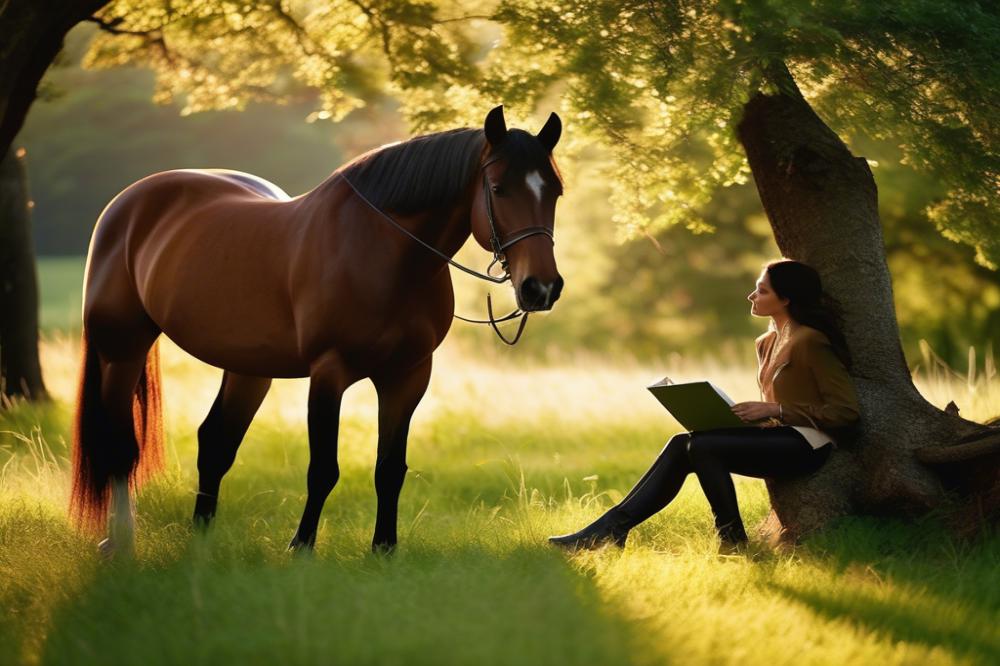
How Science Explains the Bond Between horses and Humans
For centuries, a profound connection has existed between us and these magnificent animals. Understanding this relationship delves deeply into both biology and psychology. Research highlights how instincts shaped interactions, creating an enriching dynamic that is unlike any other. Emotions play a pivotal role; they guide the ties formed in various settings, from ranches to equestrian centers. Grounded in both history and science, this bond reflects deeper truths about companionship and communication.
Studies showcase the intricacies of the horses-from-ancient-to-modern-times” target=”_blank”>human-animal bond. Evidence suggests that even before domesticity, early connections laid the groundwork for mutual understanding. Horses, with their acute senses, respond deeply to our emotions, often mirroring our state of mind. Whether it’s a moment of joy or a wave of anxiety, their reactions teach us more than words ever could.
Behavioral patterns reveal how we interact on various levels. Fascination often stems from observing subtle cues; these non-verbal signals enhance communication. Recognizing a whinny or a nicker fosters an exchange that goes beyond mere instinct. Additionally, the evolutionary journey of these creatures further underscores their unique role in our lives. Parallel paths have intertwining histories that enhance our appreciation of this companionship.
The scientific community has begun to unpack the physiological responses triggered by this interaction. Endorphins surge during moments of connection, creating feelings of joy in both species. This chemistry does more than cement ties; it invigorates passion for life. Riding or simply being near them can deepen the experience, carving memories that last a lifetime. An innate curiosity drives the exploration of these interactions, illuminating the complexities surrounding them.
Thus, this exploration of our intertwined journeys encourages further inquiry. The allure of horses can entice anyone to learn more. Each encounter serves as a reminder of how deeply we connect, inspiring individuals to continue unraveling these mysteries.
The Nature of equine Behavior
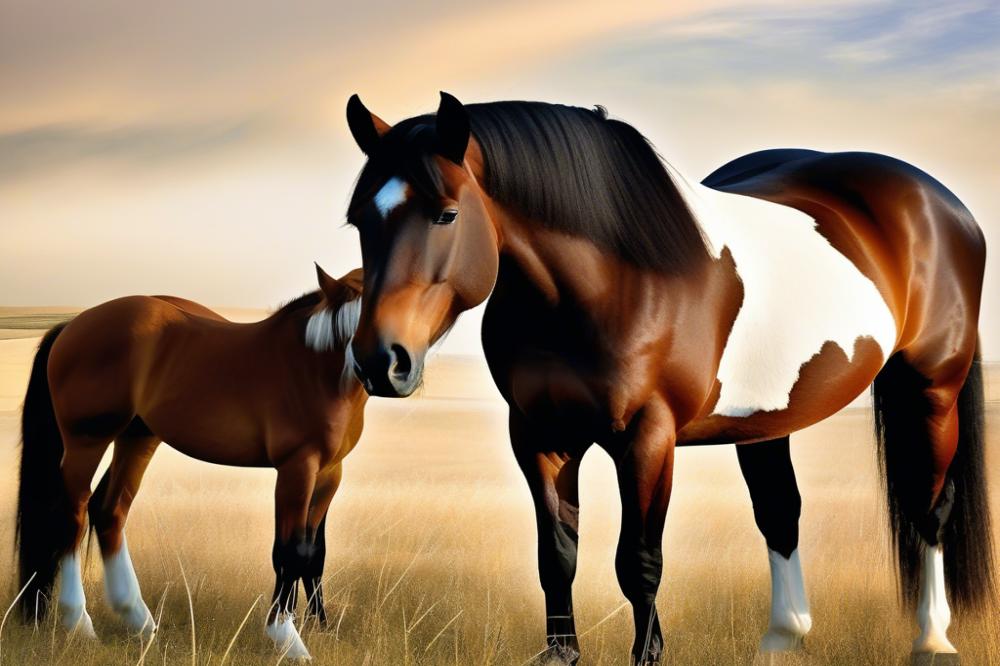
Understanding the innate behaviors of equines offers incredible insights into their interactions with people. These animals are inherently social beings, thriving in structured groups known as herds. The dynamics within these collections are complex, dictated by hierarchy and individual roles. Each horse has its place in the social order, which can influence how it interacts with both its peers and humans.
When observing a group, one can notice how certain individuals assume lead roles, while others play supporting positions. This social structure reflects a natural instinct to bond and cooperate. Horses communicate with one another through a combination of vocalizations, body language, and subtle movements. Recognizing these forms of communication can unravel much of the mystery behind their behavior.
As a horse-owner or enthusiast, being attuned to these signals can enhance interactions tenfold. A sudden flick of the ear might signal irritation, while an inviting stance can indicate curiosity or comfort. Taking the time to understand these subtle cues fosters a stronger connection with the animal. This connection is essential for training, grooming, and everyday care.
Within the herd, relationships are not just about survival; they exhibit empathy, much like humans do. Horses can recognize their companions’ emotions, and they respond accordingly. They have an innate ability to sense fear or anxiety in nearby individuals, often mirroring those sentiments. It’s fascinating to witness how one horse’s calm demeanor can soothe a nervous counterpart.
Different breeds may exhibit variations in behavior. For instance, some breeds are known for their spirited nature, while others showcase a more docile temperament. By understanding these tendencies, a person can tailor their approach to different animals. This customization is crucial for fostering a harmonious relationship. It’s like meeting someone new; recognizing their personality can pave the way for friendship.
Observing play behavior among young foals showcases the importance of social interaction. They engage in playful bouts, testing boundaries and establishing skills necessary for later life. This playful exploration reflects a crucial aspect of learning. When humans engage with young horses during playtime, it builds trust and aids in developing a solid foundation for future training.
In essence, interpreting the behaviors of these magnificent animals reveals profound truths about their nature. When individuals take the time to understand herd dynamics, they unlock the door to a more responsive partnership. Interactions become richer and infused with mutual respect, which often leads to better teamwork. Like a well-tuned orchestra, every part must be in harmony for the performance to shine.
Communication Between Horses and Humans
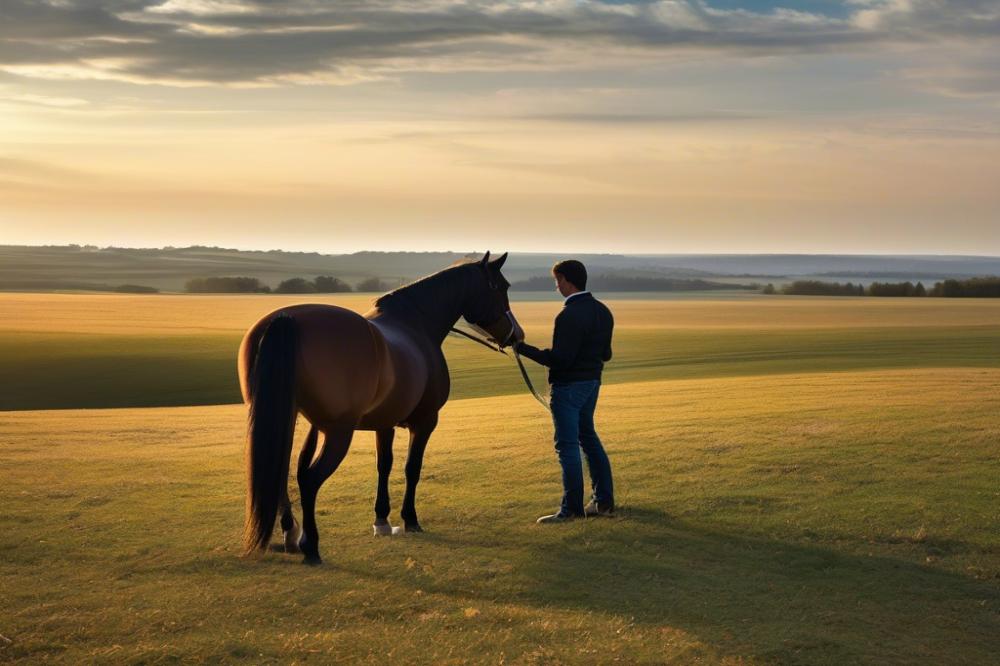
Understanding the intricate ways these magnificent creatures convey their thoughts and feelings can illuminate the bond between them and people. Horses employ a delightful array of communication methods, each as rich and varied as a painter’s palette. These include vocalizations, body language, and even subtle facial expressions that often speak louder than words.
Vocalizations are among the first cues one might notice. Whinnies, nickers, and snorts serve different purposes. A nicker might indicate excitement or a greeting, while a snort often expresses curiosity or a sense of alarm. Imagine hearing a soft nicker after a long day—it’s like the warm hug your favorite buddy gives you.
Equally insightful is body language. Each movement conveys volumes. Ears that swivel about can indicate attentiveness, or a pinned-back disposition can signal irritation or discomfort. When a horse stands with an open posture, it suggests relaxation and trust. Watch closely. A simple shift in stance can change the entire mood of an encounter.
Facial expressions play a pivotal role, too. Horses have a remarkable ability to communicate emotions through their eyes and mouths. A relaxed mouth can suggest calm, while a wide-eyed stare may convey anxiety. It’s like having a conversation without saying a single word, creating an avenue for deeper connection.
This effective back-and-forth dialogue fosters the essential trust necessary in any relationship. When caretakers learn to interpret these signals, the groundwork for companionship becomes solid. It’s akin to deciphering a secret code—each message reveals more about their needs and feelings. There’s something profoundly gratifying about understanding a gentle nudge means “Let’s go for a walk!”
Over time, the nuances of this communication build a bridge between animals and humans. Bonds may grow stronger with shared experiences, fueling mutual understanding. A partner who recognizes when a creature might be feeling playful versus anxious creates a harmonious environment.
Humor often graces these interactions as well. Picture a horse side-eyeing a feed bucket as if to say, “Do you really think I’m going to eat those old carrots?” Such moments remind caretakers of the personality and witty nature that these beings possess, enriching everyday experiences.
Sharing these delicate lines of communication can lead to remarkable adventures. Whether galloping across a field or simply enjoying a quiet moment in a stable, these interactions transform lives. Embracing this understanding is a vital step in nurturing a truly symbiotic relationship.
Psychological Insights into the Human-Horse Bond
The relationship between humans and their equine companions runs deep. A fundamental aspect of this connection involves empathy. It’s that ability to understand and share the feelings of another being. People often find themselves drawn to the expressive nature of horses. Their large eyes seem to hold endless stories, reflecting emotions that resonate with our own.
Emotional intelligence plays a significant role in this bond. Knowing how to interpret non-verbal cues is essential. After all, not every feeling is expressed through words. A subtle flick of an ear or a soft snort can reveal a horse’s mood. These small signals provide insight into what they might be feeling, forging a deeper understanding.
Interestingly, horses are adept at picking up on human emotions. Studies have shown they can differentiate between happy and angry faces. This responsiveness enhances the connection. When humans approach with calmness, horses often mirror that tranquility. Conversely, a tense or frantic demeanor can provoke anxiety in these sensitive creatures. It becomes a dance, requiring both parties to be in tune with each other’s feelings.
Moreover, the presence of a horse can provide emotional support. Many find comfort in their equine partners during moments of stress or sadness. It’s as if these animals carry an innate wisdom, knowing when to lean in close or offer a gentle nudge. Their silence speaks volumes and creates a safe space for reflection.
Humans thrive on interactions that foster connections. Within this framework, the bond with a horse represents a model of mutual respect and understanding. Engaging with such a sensitive being encourages personal growth. Individuals become more attuned to their own feelings while also recognizing the emotions of another.
Riding, grooming, or simply spending time near these magnificent animals can evoke a variety of emotions. There are moments of joy, anxiety, and perhaps humor. For example, the first time someone tries to saddle up may lead to laughter as the horse playfully sidesteps. Such instances create shared experiences, essential for building rapport.
Horses also provide a recurring reminder of the present moment. Engaging with them encourages mindfulness, prompting humans to focus on the here and now. In a world brimming with distractions, tuneful moments of interaction can be rare.
In essence, the bond between these creatures and their human partners showcases a unique blend of psychological insights. Both parties learn to navigate a landscape of emotions. This emotional synergy not only enriches individual lives but also assures the overall welfare of both.
Trust and Training in the Equine-Human Relationship
Trust forms the bedrock of the relationship between a trainer and their equine partner. Without this crucial element, the nuances of communication remain obscured. When horses sense genuine intent, they are more likely to respond positively during training sessions.
Positive reinforcement techniques serve as the key to unlocking that trust. By rewarding desired behaviors with treats, praise, or gentle pats, the bond strengthens. Imagine offering a carrot after a successful maneuver. Suddenly, that simple snack becomes a symbol of appreciation. It is not merely about the reward; it’s a message that says, “You’ve done well!”
Compliance stems naturally from this environment where encouragement is prioritized over punishment. When individuals focus on what the animal can do rather than what it cannot, frustration diminishes. Horses, much like humans, learn better when they feel secure and valued. A gentle nudge or a soft tone can speak volumes more than the sharp crack of a whip.
Understanding each other’s body language further enhances this connection. The flick of an ear or a shift in weight can indicate how a horse feels about a particular lesson. Therefore, a trainer must develop keen observational skills. Noticing these subtle hints can lead to a more harmonious training experience.
As trust deepens, the horse’s willingness to engage increases. Each training session builds upon the previous one, creating a tapestry of shared experiences that are rich in emotion. This delicate interplay resembles a dance; the rhythm is set by mutual understanding and respect.
Humor can often diffuse tension, too. A trainer who cracks a light joke about a misstep creates a relaxed atmosphere. Finding laughter in the moments, even when things go awry, fosters a sense of camaraderie. A playful spirit encourages exploration and learning.
The Benefits of Human-Horse Companionship
Emotional and psychological benefits abound when humans bond with these majestic animals. Therapeutic effects emerge through countless interactions, each offering a glimpse into a potential for healing. One of the striking aspects of this companionship involves the way horses mirror human emotions. A gentle nudge from a horse can echo our own unspoken feelings, providing companionship in ways words often can’t.
Equine interactions serve as a form of therapy, often referred to as equine-assisted therapy. This method promotes emotional growth and psychological healing. Many people experiencing anxiety or depression have found solace in spending time around these gentle giants. The rhythmic sound of their gait can bring a calming effect, almost like a heartbeat that reassures, grounding individuals in moments of chaos.
Building a connection with these creatures fosters a sense of responsibility and trust. Participants in various programs quickly discover that engaging with horses requires empathy, patience, and attentiveness. Such skills can translate back to everyday life, encouraging individuals to be more patient—not just with their equine friends, but with themselves and others, too. It’s like learning to dance: one must listen to the rhythm and adjust accordingly.
Horses thrive on non-verbal communication, which can be a refreshing change from our often chatter-filled lives. They respond to body language and energy, teaching human counterparts the power of silence and presence. Many have experienced the profound impact of being truly seen, even if that means just being acknowledged by a warm, intelligent gaze.
This partnership, while deeply rooted in nature, can also lead to surprising benefits for physical well-being. Regularly engaging with these animals can promote outdoor activities, encouraging exercise that naturally uplifts moods. Just spending time in their presence can lower stress hormones, allowing for a more tranquil mind. It’s not just about riding; simply brushing or leading them brings joy and a sense of purpose that often feels hard to come by in conventional settings.
Humans occasionally find themselves sharing their deepest secrets with horses, perhaps because these animals never judge. Their steadfast ability to listen without bias creates a safe space for vulnerability. This unbreakable bond often leads to personal revelations, allowing for emotional breakthroughs that individuals may not have experienced elsewhere. Three hours might seem long, but it can feel like a comforting moment stretched into eternity when in the company of a horse.
Some people have described this connection as therapeutic, saying it goes beyond simple companionship. These magnificent beings possess an innate ability to sense our moods. When feeling down, a horse can nuzzle in close, offering a palpable sense of encouragement. It is as if they possess an ancient wisdom of emotional awareness, responding not just to individual feelings, but to the collective energy surrounding them.
In short, the bond between humans and these creatures invites individuals to explore emotions, confront fears, and find inner peace. Engaging in this companionship often results in laughter, joy, and companionship that is hard to rival. No judgment, no expectations, just a shared moment of existence. What more could anyone want?
The Enduring Connection
This intricate interplay between species reveals profound insights into behavior and emotions. A relationship forms based on mutual understanding and respect, transcending mere companionship. Research indicates that interactions can trigger physiological changes, mirroring feelings and erasing emotional boundaries. Communication flows in both directions; the silent whispers of equine posture convey messages as powerfully as spoken words.
The nuances of each bond can be compared to a finely woven tapestry of experiences. Trust acts as a foundation, built over time through shared moments, training sessions, and gentle grooming. With every trot and gallop, a shared rhythm emerges, illustrating a harmony that deepens understanding. This connection fosters empathy, enabling one to better perceive the needs of another, bridging the gaps between species.
Scientific inquiry underscores the relevance of emotional intelligence in both parties. As horses demonstrate their sensitivity to human emotions, the implications extend beyond the stable and impact daily life. Engaging with these magnificent creatures encourages personal reflection and emotional growth. Artistic expressions, such as riding or performance, serve to highlight the beauty of this relationship, creating heart-stirring experiences.
In exploring this profound bond, one discovers the essence of what it means to coexist. Every interaction is an opportunity to learn about oneself, fostering growth and understanding. Just as hydration supports physical vitality in our equine friends, emotional nourishment strengthens relational ties. For those seeking deeper insights, resources such as this ‘equine’ guide are invaluable.
Recognizing these connections invites everyone to explore the potential for transformation. Opportunities abound to engage more fully, whether through riding, training, or even simple walks. Take a moment to reflect on your relationship with these graceful beings. Discover more about their feelings and communication through this ‘companionship’ resource.
Embrace the chance to expand your journey into this captivating world. It awaits, filled with lessons about loyalty, trust, and freedom. Enthusiasts and novices alike can benefit from deeper exploration. Seize the day and join a community that shares your passion by signing up here: Sign Up.

