
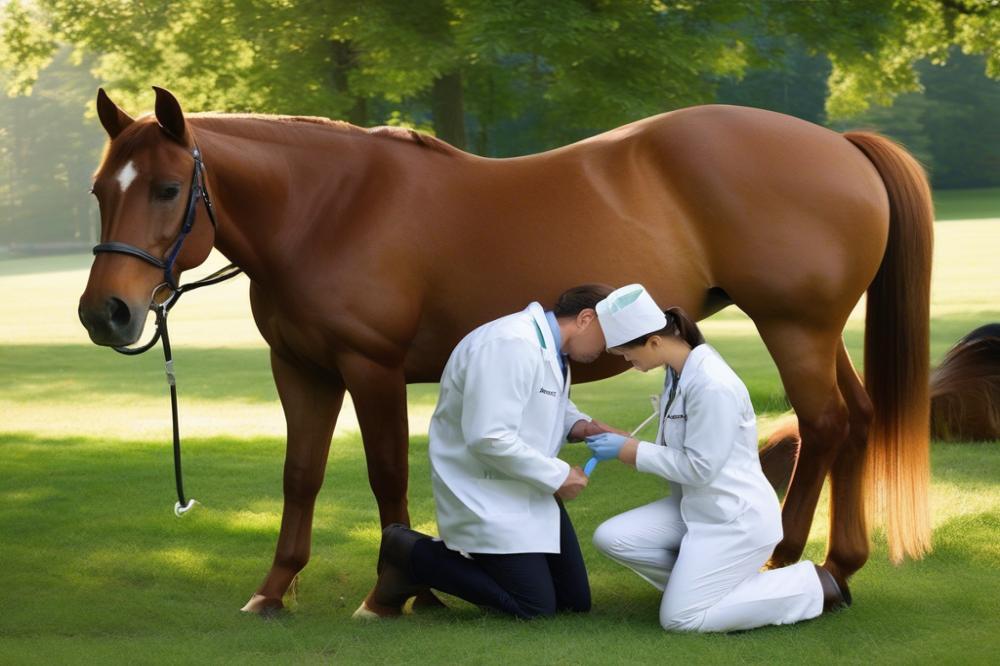
How to Keep a Horse’s Teeth Healthy: Common Problems and Solutions
Caring for a horse’s teeth is essential for its overall well-being. Just like humans, horses rely on their teeth for proper nutrition. Healthy teeth allow them to chew food effectively, which contributes to digestion and overall health. Neglecting dental care can lead to various issues that might affect a horse’s quality of life.
Common dental problems include sharp edges on teeth, misalignments, and decay. These conditions can cause pain, discomfort, and difficulty in eating. For instance, a horse with sharp teeth may experience cuts in its mouth, leading to reluctance to eat. Misaligned teeth might result in uneven wear, complicating things further.
Fortunately, solutions exist for these issues. Regular check-ups from a qualified veterinarian or equine dentist are crucial. These professionals can identify problems early and recommend appropriate treatments. Floating, a common procedure, helps to smooth out sharp edges, making chewing more comfortable. Feeding diets that support dental health is another great option.
In summary, understanding the importance of dental care can greatly influence a horse’s health. With proper attention and timely interventions, many common dental problems can be managed effectively. A horse’s well-being greatly depends on the state of its teeth, highlighting the need for vigilant care.
Understanding horse teeth health
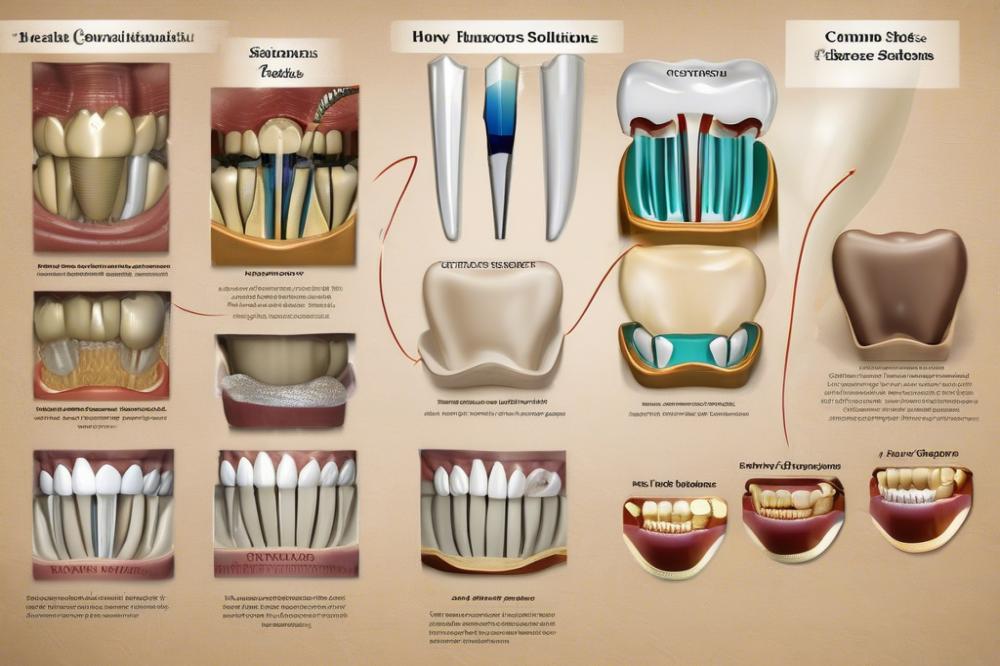
A horse’s dental anatomy is quite complex. They have twelve incisors, which are used for biting off grass and feed. Behind the incisors, there are twenty-four molars that grind down food. This structure supports their herbivorous diet. Additionally, the shape of a horse’s jaw impacts how their teeth fit together.
Regular dental care is essential for keeping teeth healthy. Unlike humans, horses continue to grow their teeth throughout their lives. As horses chew, their teeth wear down. This natural wearing process can lead to uneven surfaces that trap food. Over time, dental problems can lead to pain and difficulty eating, affecting their overall health.
Teeth develop in a unique pattern. Foals are born with their baby teeth, which begin to emerge around two weeks after birth. These teeth are gradually replaced by permanent ones as the foal matures. The transition from baby to adult teeth typically finishes by the time they reach five years old. Understanding this development is crucial for horse owners.
Over the years, wear and tear can significantly change a horse’s dental condition. Biting habits, diet, and even age can contribute to issues like sharp edges or decay. Regular check-ups help in identifying these problems early. Keeping a watchful eye on dental health promotes a horse’s overall well-being.
Identifying Dental Problems
Dental health is crucial for horses. Common issues can affect their overall well-being. Among these, abnormal wear and tear is frequently observed. This can occur from uneven chewing or hard feed. Over time, these factors damage the enamel and lead to painful conditions.
Misalignment also poses a significant problem. Improperly aligned teeth can cause discomfort while eating. Additionally, horses may develop wolf teeth, which are small vestigial teeth. These can interfere with the bit and cause behavioral issues. Monitoring for these abnormalities is important for a horse’s comfort.
Tooth decay is another concern. Bacteria can accumulate, leading to cavities and infections. An abscess may develop as a result, causing considerable pain. Signs of decay might not always be obvious. Regular checks are essential to catch these problems early.
Observing your horse for signs of dental issues is key. Difficulty eating is a major indicator. If a horse drops food or hesitates while chewing, something may be wrong. Weight loss can follow if they are not able to eat properly. Take note of any changes in appetite or eating habits.
Moreover, bad breath is another sign that should not be overlooked. A foul odor can indicate infection or decay. Regular dental examinations help detect these problems before they escalate. Keeping an eye on these signs can lead to timely interventions. Being attentive to your horse’s dental health will contribute to a happier and healthier animal.
Regular Dental Maintenance
Regular dental exams for horses are essential to maintain their overall health. Just like humans, animals require professional care to check for problems. Ignoring dental health can lead to serious issues. This is why equine dental checks should be part of a routine health plan.
During a dental exam, you can expect several key procedures. A veterinarian will begin by examining the horse’s mouth visually. They might use tools like speculums to get a better view of the teeth and gums. Common problems can include sharp points, infections, or misaligned teeth. These issues can cause pain and discomfort if not addressed. After the examination, the vet may perform floating, a process to smooth out any sharp edges on the teeth.
How often should you schedule these dental check-ups? Most experts recommend once a year for healthy horses. However, younger and older horses may require more frequent visits. Foals should have their first dental exam around six months of age. Older horses, especially those over fifteen, might need exams every six months. Keeping a regular schedule helps catch any problems early.
Tooth Floating
Tooth floating refers to the process of filing down uneven teeth in a horse’s mouth. Over time, a horse’s teeth wear down differently, leading to sharp edges and points. These irregularities can cause pain and discomfort while eating. Using specialized dental tools, a veterinarian or equine dentist can smooth out these rough spots, helping the horse chew more easily. The procedure typically involves sedation to keep the horse calm and to allow for a thorough examination.
Regular tooth floating is crucial for maintaining dental health in horses. An imbalanced bite can lead to many complications, including difficulty eating and digestive issues. Issues with teeth can create further problems, such as infections. Therefore, keeping teeth properly aligned can prevent these challenges. Floatation is usually performed annually, but some horses may require it more often depending on individual needs.
A veterinarian should perform this procedure whenever there are signs of dental discomfort. Symptoms may include excessive salivation, difficulty chewing, or noticeable weight loss. Additionally, regular veterinary check-ups can spot dental problems before they become serious. Owners might not realize how much dental health affects a horse’s overall well-being. Taking proactive steps to maintain a horse’s dental condition is vital. Upset stomach and behaviors like head shaking can hint at underlying dental concerns.
In summary, tooth floating is a routine yet important procedure. It ensures that horses can eat comfortably and stay healthy. Equine dental care should not be overlooked for any horse owner who wants the best for their animal.
Dental Treatments and Solutions
Many horses face dental issues as they age. Regular check-ups are vital to catch problems early. Different treatments exist based on the specific problem. Routine dental care can prevent serious issues that affect a horse’s health and performance.
Common Treatments for Dental Problems
Floating is a standard procedure. During this process, a vet files down sharp edges on a horse’s teeth. This removes points that can cause pain or discomfort. Some horses may also develop loose teeth. Extraction can be necessary if a tooth is severely impacted or infected.
Addressing Specific Issues
Uneven wear can lead to significant problems. Owners should watch for any signs of discomfort while eating. If a horse seems to favor one side while chewing, it may have uneven wear. In these cases, the vet might recommend adjustments to the molars.
The Role of the Veterinarian
A qualified veterinarian plays an essential role in dental care. Annual dental exams should be a standard part of a horse’s health routine. Vets can perform various treatments and offer tailored advice. They might suggest a treatment plan based on the horse’s unique dental structure and age.
Preventative Measures
Regular dental check-ups are not the only way to maintain health. Providing high-quality forage helps maintain good dental health. Avoiding excessive sugary treats can also benefit a horse’s teeth. Training horse owners about dental problems is vital, so they can recognize warning signs early.
Keeping a horse’s mouth healthy requires a proactive approach. Communication with a vet is critical for crafting an effective dental care plan. Ultimately, consistent attention can lead to fewer health issues down the line.
Horse Nutrition and Dental Health
Proper nutrition plays a crucial role in maintaining a horse’s dental health. Horses are natural grazers, and their teeth are designed to chew fibrous plant material. When they eat, the grinding action not only breaks down food but also helps wear down their teeth evenly.
A balanced diet is key to preventing dental issues. Providing enough roughage is important. Forage, like hay or grass, should make up a significant part of their diet. If horses lack sufficient fiber, they may chew less, leading to uneven wear. This can cause sharp edges that are painful and may require veterinary intervention.
In addition to forage, consider the quality of grains and supplements. High-starch feeds can lead to digestive problems and may indirectly affect dental health. Horses should have access to a diet that includes vitamins and minerals. Nutritional deficiencies can manifest in various health problems, including their teeth.
Feeding practices also matter. Regular feeding schedules help maintain a horse’s digestive health. Grain should be offered in measured portions rather than large amounts at once. This reduces the risk of choking and helps develop a healthy chewing pattern.
Encouraging chewing is essential. Providing dental chews or specially designed toys can promote natural chewing behavior. These items stimulate the gums and help reduce plaque build-up. It’s an easy way to support their dental care.
Water is another significant factor. Make sure your horse has fresh water daily. Dehydration can lead to dry food, which can be harder for them to chew and digest. When horses are well-hydrated, they are likely to maintain better overall health.
Monitoring dental health should be a regular part of your horse care routine. Watching for signs of discomfort or difficulty while eating can help catch problems early. Regular dental check-ups are vital, but a good diet will go a long way in keeping their teeth in good condition.
Preventative Care for Healthy Teeth
When it comes to maintaining a horse’s dental health, preventative care is key. Regular dental check-ups are essential. These visits allow a veterinarian to examine the mouth and spot potential issues early on. Getting a professional’s opinion can identify problems before they become serious.
A proper diet plays a vital role in ensuring healthy teeth. Horses need a balanced mix of hay, grains, and fresh water. Chewing abrasive materials helps wear down their teeth naturally. Introducing harder foods, like carrots or apples, can also be beneficial. However, it’s important to monitor their intake to maintain overall health.
Horse owners should keep an eye out for signs of dental trouble. Dropping feed or excessive salivation can indicate issues. Behavioral changes, such as difficulty in chewing or signs of pain while eating, should also raise concern. Early detection is crucial in preventing more extensive dental work later.
Maintaining fresh water availability is equally important. Horses might refuse to drink if their mouths are sore. Providing clean water encourages them to stay hydrated and promotes good digestion. In addition, avoiding tough or overly processed feeds can help protect their teeth.
Implementing a routine where you check your horse’s mouth can be valuable. By looking for signs of wear or inflammation, you can catch issues sooner. Feeling for any sharp edges on the teeth is helpful, too. If you do notice anything unusual, contacting a veterinarian for advice is wise.
Lastly, consider using dental treats or toys. These can help keep the teeth cleaner while providing mental stimulation. Choosing the right type of treat can make it easier for horses to maintain their dental health. Remember, a little attention goes a long way in keeping your horse’s teeth in great shape.
Final Thoughts on Dental Care for Horses
Maintaining a horse’s dental health is crucial for their overall well-being. Just like humans, horses need good teeth to eat properly and stay healthy. Ignoring dental issues can lead to serious problems, including pain, weight loss, and behavioral changes. Regular check-ups can help identify any dental problems before they become severe.
Being proactive about dental care is essential. Owners should schedule routine veterinary visits to monitor their horse’s teeth. Trained professionals can spot issues like uneven wear or decay that might go unnoticed. Additionally, investing time in learning about equine dental care can empower you to take better care of your horse.
If you notice any signs of discomfort, seeking help promptly is important. Signs like difficulty eating or excessive drooling should never be overlooked. Remember, your horse relies on you for their health. By taking steps now, you provide your horse with a brighter future full of healthy eating and a happier life. Prioritize their teeth health; it truly makes a difference.

