

Overview of the horse breeding business
Entering the world of horse breeding can be an exciting venture. There are many aspects to consider in this industry. Breeders often focus on various goals, such as producing top-notch performance horses, racehorses, or simply beautiful companions. Each goal shapes the overall approach and success in the breeding process.
Understanding equine genetics is crucial for anyone starting a horse farm. Genetics help determine the traits that foals inherit from their parents. Things like speed, temperament, and conformation all come from genetic lines. Knowledge in this area allows breeders to make informed decisions. Selecting the right stallions and mares can lead to healthier, more capable offspring.
Numerous benefits come with entering the horse industry. Building connections with fellow equestrians can enrich your experience. Learning about husbandry and care adds valuable skills. There is also the potential for financial gain, should you sell quality horses at a fair price. Passion drives many to this field, making it more rewarding. For those with a love for horses, the horse breeding business offers a pathway to both fulfillment and profits.
Understanding equine genetics
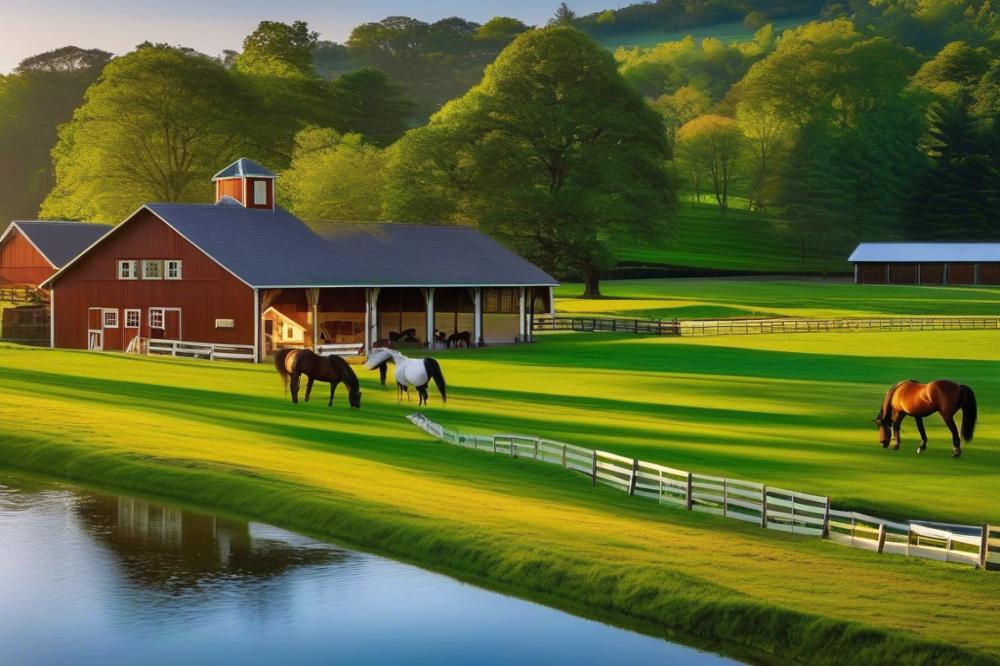
Basics of Equine Genetics and Heredity
Genetics is the study of how traits are passed from parents to offspring. Horses inherit genes from both their mothers and fathers. Each gene carries information that can affect color, size, and behavior. These inherited traits shape the overall characteristics of a horse. Understanding these basics is crucial for anyone interested in breeding horses. Knowledge of genetics helps predict what traits a foal may display.
Importance of Genetics in Breeding Programs
Genetics plays a vital role in developing a breeding program. Selecting the right parents can enhance desirable traits in future generations. Breeders strive to create animals that excel in performance and health. A strong genetic background can lead to a better success rate in competitions or work. The selection process requires careful consideration of each horse’s pedigree.
Choosing the Right Stallions and Mares
The choice of stallions and mares holds great importance. Each horse brings its own traits to the mix. Look for traits that align with your breeding goals. For instance, if you aim for speed, select horses known for their racing ability. Consider not just the horse’s achievements but also its lineage. A strong bloodline can often indicate potential.
How Genetics Affect Horse Performance and Health
Genetics significantly influence both performance and overall health. Certain genetic markers can predispose horses to specific health issues. Knowledge of these markers can guide breeding decisions. Performance traits, such as agility and stamina, are also affected by genetics. Desired skills can be enhanced by smart pairings based on genetic strengths. A focus on health, combined with performance, creates a well-rounded approach to breeding.
Developing a Business Plan
Creating a business plan sets the foundation for your horse breeding venture. Important elements should cover various aspects of the operation. Start with thorough market research. Understanding the horse industry is crucial. Analyze demand for specific breeds, competition, and pricing trends.
Essential Components of a Horse Breeding Business Plan
A strong business plan includes several essential components. First, outline your vision and mission. What do you want to achieve in breeding? Define your target market. Who will buy your horses? Moreover, include strategies for marketing your services. This might involve social media, local shows, or equestrian events.
Market Research and Analysis of the Horse Industry
Conducting market research helps understand current industry dynamics. Identify popular horse breeds and their requirements. Look into demographics of potential clients. For instance, different breeds attract varied audiences. Once you gather information, analyze your competitors. Know who else is breeding horses in your area and what they offer.
Setting Financial Goals and Budget Considerations
Financial goals guide your operations. Start by estimating startup costs. This may include purchasing horses, facilities, and equipment. Think about ongoing expenses too. Food, veterinary care, and staff will add up over time. Establish a budget that considers all these factors for sustainability.
Legal Requirements and Regulations for Breeders
Understanding legalities is crucial in this industry. Local and state regulations may apply to horse breeding. Licensing requirements vary, so check local laws. Many areas may also mandate animal welfare standards. Be prepared for inspections or audits to comply with these rules.
Breeding Management Practices
Planning and managing a breeding program
Creating a breeding program requires thoughtful planning. First, set clear goals for your horses. Do you want to focus on performance, appearance, or specific traits? Having a target in mind will guide your decisions. Next, lay out a timeline. This will help you stay organized and efficient. Maintaining detailed records is vital. Keep track of pedigrees, health histories, and breeding dates. Regular evaluations of your stock will help identify areas for improvement. It’s also important to stay educated about industry trends. Attend workshops, read journals, and connect with other breeders. Continuous learning can provide new insights and strategies.
Selecting and managing stallions: considerations and strategies
Choosing the right stallion is a key part of breeding. Consider the stallion’s pedigree, temperament, and performance record. Look for strong genetics that complement your mares. Visiting stallions can help you assess their physical characteristics and behavior. Building a good relationship with the stallion’s owner is also beneficial. They can provide valuable information about the stallion’s history. Once you’ve selected a stallion, managing his health is crucial. Regular veterinary check-ups and vaccinations are necessary. Make sure he has proper nutrition to maintain optimal health. Lastly, consider your stallion’s breeding methods. Live covers, artificial insemination, or frozen semen all have different requirements and implications.
Mare care: health, nutrition, and reproductive management
Caring for mares requires attention to detail. Health management starts with routine veterinary care. Regular vaccinations and dental check-ups keep your mares in good shape. Nutrition also plays a critical role. A balanced diet promotes reproductive health and overall well-being. Provide high-quality forage and consider supplements if necessary. Monitoring weight helps prevent issues related to reproduction. When a mare is in heat, her behavior will change. Observe these signs closely and document them. This will assist in future breeding plans. Establishing a routine will make reproductive management easier. Remember, mares require a safe and comfortable environment to thrive.
Timing of breeding and understanding the reproductive cycle
Timing is essential in horse breeding. Understanding a mare’s reproductive cycle helps determine the right moment for breeding. Estrus cycles typically last about 21 days. A mare will show signs of heat during this time. These signs can include restless behavior, increased vocalization, and a willingness to accept a stallion. Keeping a breeding calendar can help track these cycles. Be aware that mares may have variations in their cycles too. Once a mare is in heat, plan for breeding within a specific window. This window usually lasts about 5 to 7 days. Proper timing improves the chances of successful conception. Employing methods like ultrasound can help monitor ovulation and optimize breeding timing.
Horse Care for Breeding Success
Daily Care Requirements for Pregnant Mares and Foals
Caring for pregnant mares needs attention every day. Check their health and behavior regularly. Maintain a clean and comfortable environment. Mares should have access to fresh water and good quality hay. Foals require special care once they arrive. They are fragile and need warmth and protection. Daily observation helps catch any health issues early. Keep a close watch on the foal’s nursing habits and mobility. Both mare and foal will thrive with consistent daily management.
Importance of Veterinary Care and Vaccinations
Veterinary care plays a vital role in maintaining the health of breeding horses. Regular check-ups help prevent disease and monitor the pregnancy. Vaccinations are necessary for mares and their foals. They protect against common illnesses that could impact their well-being. Work closely with a trusted veterinarian. Discuss a vaccination schedule tailored for pregnant mares. This practice will help improve the safety and health of your breeding program.
Nutrition and Feeding Programs Specific to Breeding Horses
Proper nutrition is crucial for the health of mares and foals. Pregnant mares require a balanced diet to support their growing foals. Consider special feeds designed for breeding horses. High-quality grains, vitamins, and minerals can benefit both mother and child. Monitor their weight and adjust feeding as needed. Foals need extra nutrients for rapid growth. A good feeding program can influence development and future performance.
Preparing Young Horses for Sales and Future Training
Preparing young horses for their new homes takes time and patience. Begin handling them gently from a young age. This helps them become more comfortable with people. Training that focuses on basic commands will be beneficial. Young horses should be exposed to different environments. This exposure helps them adapt easily to future situations. When the time comes for sales, ensure they are healthy and well-trained. Having a good foundation will increase their marketability.
Marketing and Selling Horses
Strategies for Marketing Your Breeding Business
Promoting your breeding operation is essential for success. Start by creating a professional website that showcases your horses. Include high-quality photos and detailed descriptions. Highlight each horse’s lineage and any achievements. Print brochures or flyers to distribute at shows and events. Engage with local riding clubs or organizations to spread the word.
Setting Prices for Horses Based on Genetics and Training
Determining the right price for your horses is crucial. Consider breeding, bloodlines, and training. Horses with strong genetics deserve higher prices. Assess their skills and age when setting costs. Use local and online market research to gauge what similar horses are selling for. Adjust your pricing based on demand during different seasons.
Utilizing Online Platforms and Social Media for Sales
The internet is a powerful tool for selling horses. List your horses on popular equestrian websites to reach a wider audience. Social media platforms like Facebook and Instagram can showcase your horses visually. Share stories about each horse’s training journey and personality. Regularly post updates to engage potential buyers and create excitement.
Networking in the Equestrian Community and Industry
Building relationships is vital in the horse world. Attend local shows to meet other breeders and potential buyers. Join equestrian groups online to connect with enthusiasts. Building trust can lead to referrals and repeat customers. Offer to help at local events to further establish your presence. Personal connections can open doors to new opportunities.
Wrapping Up Your Horse Breeding Journey
Starting a horse breeding venture can be a rewarding experience. Focus on the critical steps we discussed to set a strong foundation. Researching equine genetics will help you select the best breeds and pairings. Knowledge about horse care is also essential, as it impacts the health of both the mares and foals. Sound financial planning cannot be overlooked, either. Consider your costs and potential earnings carefully.
For those who dream of becoming equestrian entrepreneurs, diving into this field may seem daunting. Each day offers new learning opportunities. With dedication and a willingness to adapt, you can navigate challenges confidently. Connect with the equine community for support and inspiration. Building relationships with other breeders can provide insights that are invaluable.
Passion plays a vital role in achieving success. Those who genuinely love horses often find the work fulfilling. Combining enthusiasm with knowledge creates a powerful team. No matter the obstacles, stay committed to your goals. Remember the reasons why you began this journey. Keep that passion alive, as it can fuel your perseverance.
As you move forward, embrace the unique aspects of your breeding business. Every horse has its own story and potential. Taking the time to understand each animal can lead to enriching experiences. Ultimately, your commitment to learning and growth will shape your path in the world of horse breeding.

