
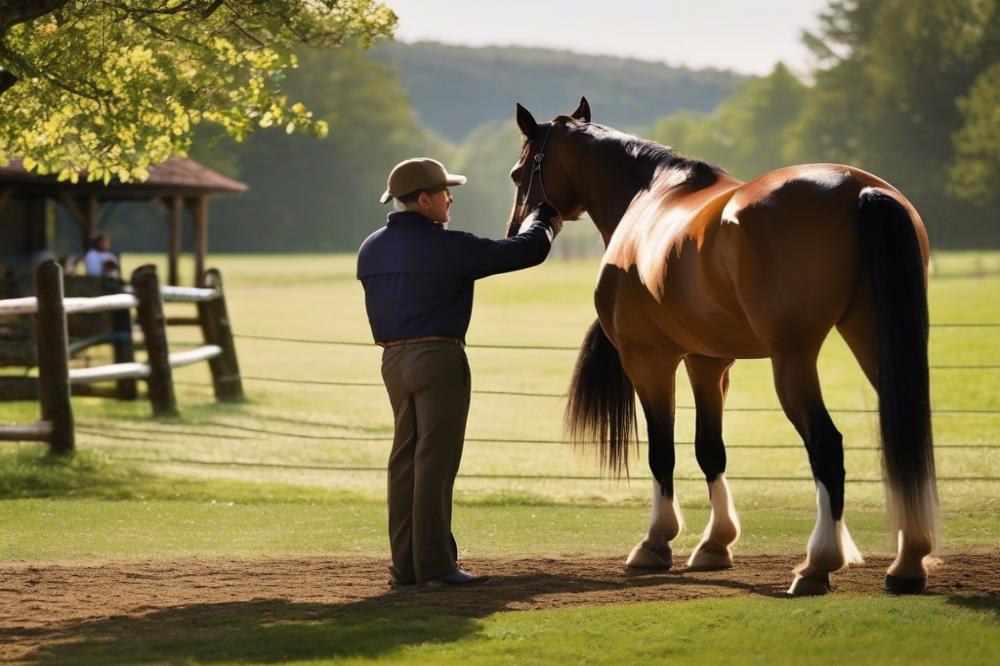
Understanding the Importance of Veterinary Calmness
Veterinary visits can be stressful for horses and their caretakers. Many animals experience what is known as veterinary anxiety. This anxiety can stem from unfamiliar environments, strange smells, and the presence of strangers. Such stress affects not only the horses but also the veterinarians trying to provide care. A nervous horse may become unmanageable, making examination and treatment difficult.
calm horse training can make a significant difference in how a horse handles these situations. When a horse remains composed, it allows the vet to perform necessary procedures efficiently. Horses that are calm during exams are often easier to handle, leading to faster and more effective treatment. Stress-free visits also help prevent injuries to both the horse and the veterinary staff.
Moreover, a relaxed horse is more likely to receive proper care without complications. This not only improves the health of the horse but also enhances the overall experience for everyone involved. Implementing effective training techniques to reduce anxiety is vital. It helps create a positive atmosphere, ensuring the horse feels safe and secure during these visits. By recognizing the importance of teaching calmness, horse owners can foster a better relationship between their animals and veterinary professionals. This ultimately promotes a healthier equine environment.
Understanding horse behavior
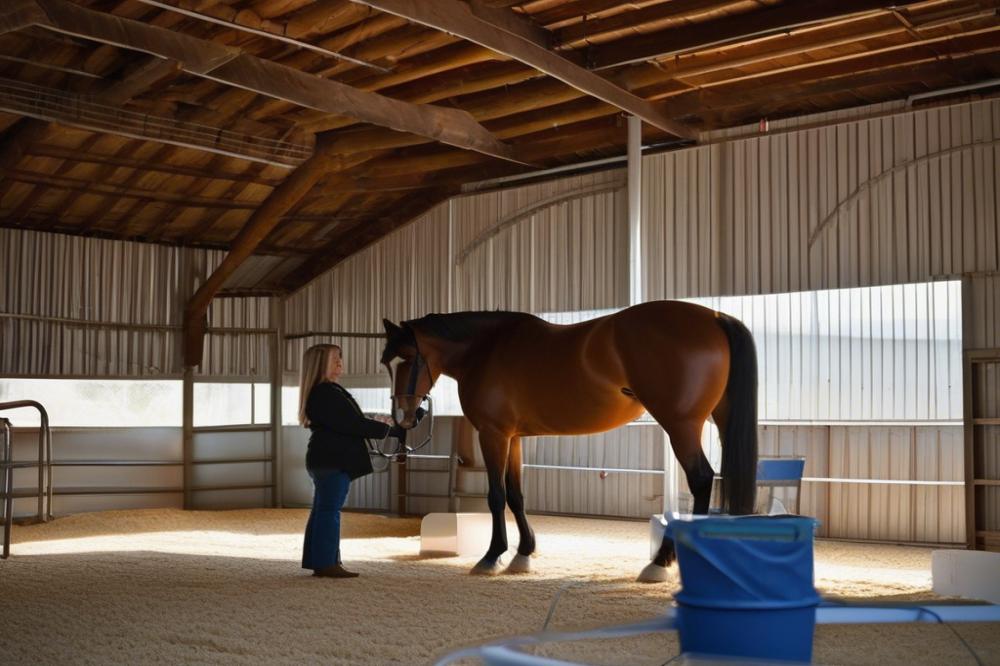
To manage anxiety in horses, it’s important to first understand their behavior. Horses are prey animals, which means they have a natural instinct to flee from danger. This instinct can lead to nervousness during unfamiliar situations, such as veterinary visits. Knowing what triggers stress is essential for a calm experience.
One common sign of stress in horses is increased heart rate. You might notice your horse snorting, sweating, or pacing. These are clear signals that your horse feels uncomfortable. Other signs include pinned ears, flaring nostrils, and a tense posture. Paying close attention to these behaviors can help you identify anxiety early on.
Temperament plays a significant role in how horses react to new experiences. Some horses are naturally more sensitive and can become anxious quickly. Others may be more laid-back and handle stress better. Understanding your horse’s unique personality can guide your approach to training and handling them during stressful events.
Even small changes in routine can cause stress. For example, moving to a different location or having unfamiliar people nearby can trigger anxiety in sensitive horses. It’s crucial to create a calm environment whenever possible. Offering a familiar item, like a favorite blanket or halter, can provide comfort.
Body language is also an important aspect of horse behavior. A horse that is relaxed will have a soft expression, with relaxed ears and a lowered head. When a horse is anxious, its body may become stiff, and it might avoid eye contact. Being aware of these subtle cues can lead to better interactions and reduce stress levels.
Causes of veterinary anxiety
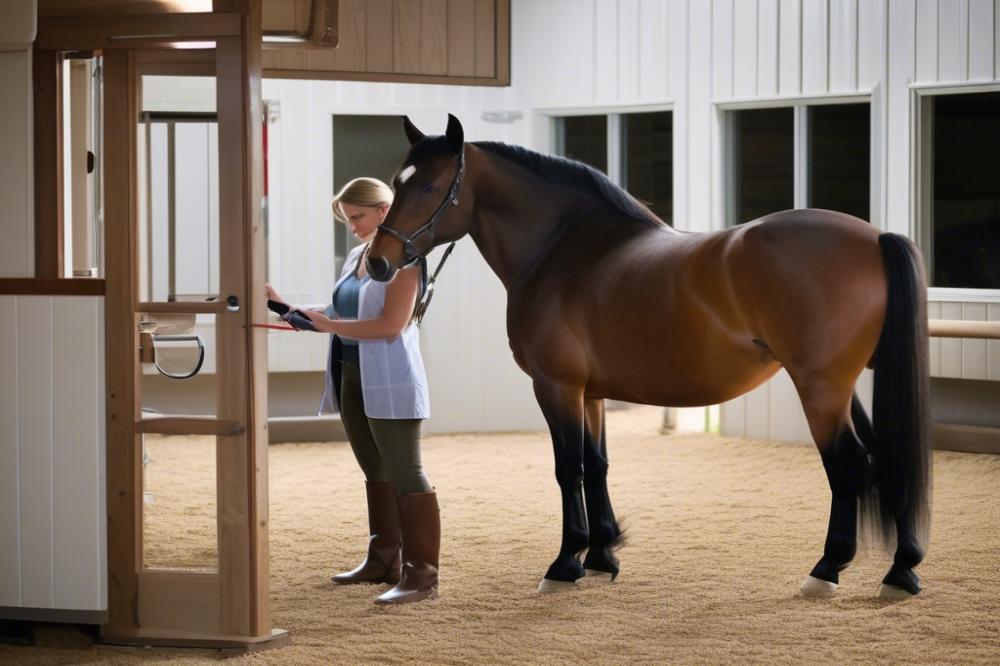
Anxiety during veterinary visits is common among horses. Recognizing triggers is essential for addressing this issue. Past experiences can heavily influence a horse’s behavior. If a horse has had a traumatic event during a vet visit, it may become fearful during future appointments. Loud noises, like the clattering of instruments or the sudden arrival of a veterinary team, can heighten anxiety.
Handling techniques during previous visits can also shape a horse’s reaction. Gentle and calm handling can foster trust. Conversely, rough or hurried interactions might create a sense of fear. Horses are sensitive animals. They pick up on the emotions of humans around them. An anxious owner will likely contribute to the horse’s stress.
Environmental factors are equally important. A new or unfamiliar location can be disorienting. The presence of other animals, strange smells, or even the vets themselves can add to a horse’s unease. Familiar environments often help in reducing anxiety. When a horse is accustomed to its surroundings, it may feel more secure.
Understanding these triggers is pivotal for developing effective training methods. Identifying specific fears allows you to tailor your approach. Gradual exposure to veterinary settings and procedures can help break this cycle of anxiety. Fostering positive experiences is necessary as well. With the right strategies, a horse can learn to remain calm and collected. Building trust through consistent handling is essential in this process.
Pre-Vet Visit Preparation
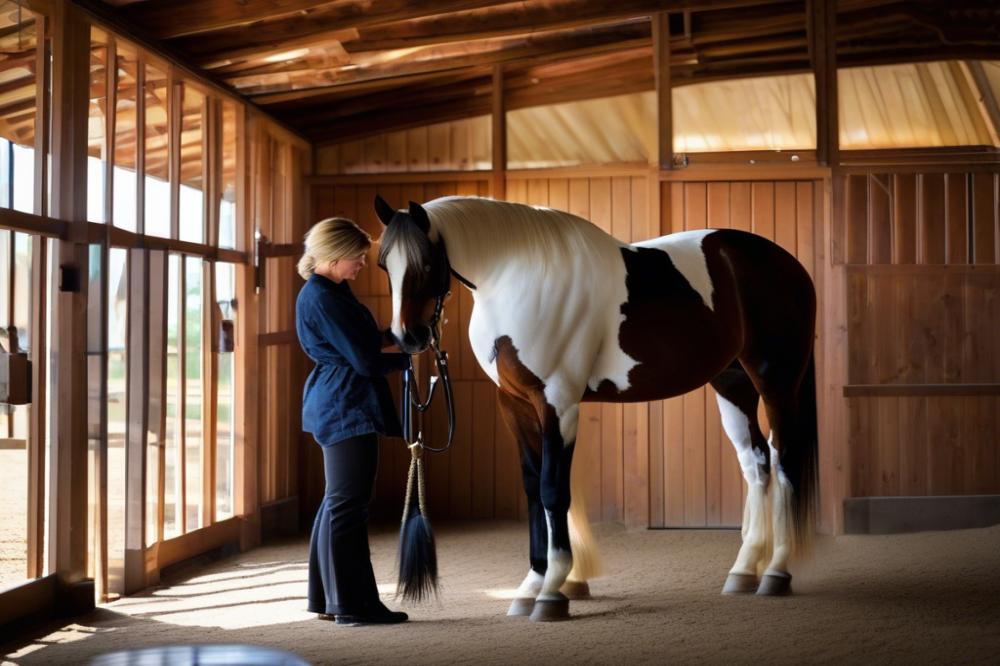
Preparing a horse for a veterinary visit can make a big difference. Start by familiarizing your horse with handling practices. Grooming your horse regularly helps build trust and comfort. Touching various parts of the body allows the horse to become more accustomed to being handled. This can reduce discomfort and anxiety during an actual appointment.
Creating positive associations with veterinary tools is also essential. Show your horse a stethoscope or a thermometer. Let them sniff the items and even reward them with treats when they do. This tactic helps the horse see these tools as non-threatening. Over time, they will learn that these objects are part of a safe interaction.
Desensitization techniques are helpful in creating a calmer mindset. Gradually introduce your horse to new sights and sounds related to vet visits. For instance, play recordings of a dog barking or a truck passing by. Allow your horse to explore new environments, such as a stable where other animals are present. Make sure to provide reassurance during these experiences.
Practice leading your horse calmly. They should respond to your commands without panic. Take short walks near your barn or even at a nearby field. This technique helps demonstrate that you are in control. Horses often benefit from a routine. Keeping a consistent schedule can help maintain a sense of security.
Finally, work on basic ground manners. Teach your horse to stand quietly while tied. This skill transfers over to various situations, including vet visits. When a horse learns to stay put and relax, it reduces stress for both horse and owner. With careful preparation, you can create a positive experience for your horse during these necessary check-ups.
Training Techniques for Stress Management
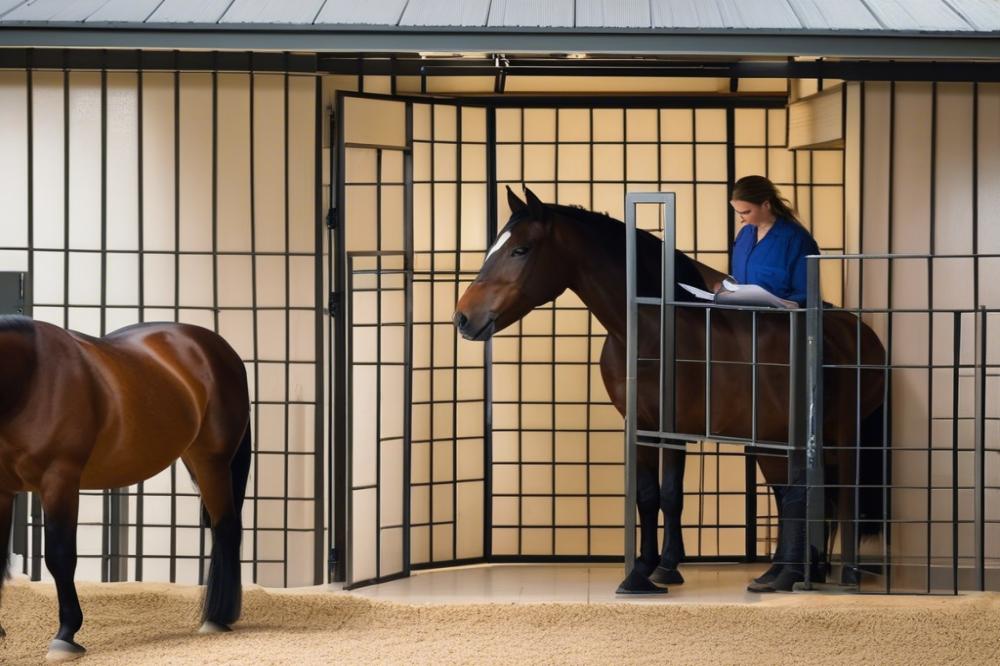
Teaching a horse to remain calm during veterinary visits is crucial for their health and well-being. Two effective methods are desensitization and positive reinforcement. These approaches build trust and confidence, making a difference during stressful situations.
Desensitization Exercises
Start with simple desensitization exercises. Introduce your horse to various objects slowly. A tarp or a plastic bag can be used for this purpose. Allow the horse to investigate these items at his own pace. Horses often react to unfamiliar things with fear. Gradually, they will learn that these objects are harmless.
Next, you can mimic some veterinary procedures. For example, use a halter and lead rope to simulate being handled. This helps the horse get used to being touched in sensitive areas, like the legs or belly. Use a calm demeanor during this process. Keep your movements slow and steady to avoid startling the horse.
Positive Reinforcement Techniques
Positive reinforcement involves rewarding your horse for calm behavior. Use treats or verbal praise when your horse stays relaxed during handling. Timing is important; rewards should come immediately after a desired behavior. This encourages the horse to repeat that behavior in the future.
Practice these exercises in short sessions. A few minutes each day can be more effective than a long, tiring session. This keeps the horse engaged and prevents boredom. Consistency helps strengthen the connection between calmness and rewards.
Building Trust through Handling
Handling your horse frequently can foster trust. Start by grooming your horse regularly. This not only helps keep your horse clean but also creates a bonding experience. Gentle brushing helps the horse feel secure in your presence.
Be mindful of your own body language. Horses are sensitive to human emotions. Calm and confident energy from you will make the horse feel safer. Avoid sudden movements or loud noises that might create stress.
Introducing the Vet Gradually
When it’s time for an actual veterinary visit, consider a gradual introduction. Allow the horse to see the vet’s equipment before the appointment. You can bring the vet to your stable for a familiar environment. This helps the horse associate positive experiences with the vet.
Practicing these techniques regularly will help the horse associate veterinary visits with safety, not fear. Over time, your horse can develop a calm demeanor when faced with the unfamiliar environment of a vet clinic.
Implementing Positive Reinforcement
Positive reinforcement is a method used in horse training that involves rewarding desired behaviors. This technique can significantly reduce anxiety during veterinary visits. When a horse is rewarded for calmness, it associates the experience with something good. Over time, this can lead to a more relaxed horse.
To practice this approach, start by selecting a high-value treat. Horses often respond better to carrots or apples than to regular feed. Make sure the reward is something your horse enjoys. Next, observe your horse’s behavior in various situations. When it remains calm in the presence of a vet or during examinations, offer a treat immediately. Timing is key; rewards must come right after the desired action.
You can also use verbal praise as a form of reinforcement. Simple phrases, like “good boy” or “well done,” help create a positive environment. Consistent encouragement builds trust and makes your horse more receptive to the vet’s work. Keep your tone cheerful and enthusiastic.
To create an effective routine, practice these techniques prior to scheduled appointments. Introduce your horse to the vet clinic before the actual visit. This exposure helps your horse become familiar with the surroundings. While there, reward calm behavior. If your horse shows signs of stress, like pawing or shifting, ignore the unwanted behavior. The goal is to focus on rewarding positive actions instead.
Incorporate short training sessions at home to reinforce this behavior. Begin in a familiar setting and gradually introduce distractions. When your horse stays calm, give praise and treats. Repeated sessions help solidify good behavior. Short and consistent training periods work better than long, drawn-out sessions.
With patience and practice, your horse will learn to associate veterinary visits with positive experiences. A calm horse during these appointments reflects the effectiveness of positive reinforcement. This method not only improves veterinary visits but also strengthens the bond between horse and owner. With time, your horse will be happier and more relaxed in these situations.
Handling Horses During Veterinary Visits
When it comes to managing horses during veterinary examinations, having the right strategies can make all the difference. First, a calm environment is essential. Soft lighting and minimal noise can help to soothe anxious animals. An unfamiliar setting can easily stress a horse, so creating a comfortable area is critical.
Positioning is another key element. Stand beside the horse’s shoulder, close enough to provide comfort but not too close to invade their space. This placement allows you to guide the horse while keeping it relaxed. It’s important to stay aware of the horse’s body language. Signs of stress such as pinned ears or a swishing tail indicate that the animal needs reassurance.
Calming techniques are valuable tools. Using a gentle voice can provide a sense of security. Additionally, offering treats can create positive associations with the vet. Praise plays a significant role during these visits. Positive reinforcement helps build trust and reduces anxiety over time.
A supportive atmosphere benefits both the horse and the veterinary staff. Handlers should communicate clearly with the veterinarian. Sharing relevant information about the horse’s behavior can help the vet approach the animal more effectively. This teamwork ensures that both horse and vet feel secure throughout the process.
Finally, remember that patience is key. Sometimes horses need extra time to adjust to the situation. Keeping a steady demeanor helps the horse stay calm. Slow movements and soft touches can significantly lower stress levels. By focusing on maintaining a safe, tranquil environment, the exam can proceed with minimal anxiety for everyone involved.
Monitoring Progress and Adjusting Techniques
Encouraging horse owners to frequently evaluate their animal’s demeanor is essential. Keeping track of changes can help identify what is working and what is not. Owners should observe their horse’s reactions during practice sessions. Noticing small improvements can boost confidence for both the horse and the handler. Also, it can reveal areas that might need more attention.
Adjustments to training methods may be necessary as the horse learns. Some techniques might produce better results while others may need to be modified or replaced. Listening to the horse provides critical insights. If a specific approach seems to cause stress, it is time for a change. Trying different environments or distractions can help find what calms the horse the most.
Patience plays a crucial role during this process. Developing new behaviors takes time, and frustration can hinder progress. Continuous support and gentle encouragement will make a difference in the training journey. Staying calm as an owner is vital; horses often mirror their handler’s emotions. Therefore, managing one’s feelings during sessions is equally important.
Consistency is key in all training efforts. Repeating the same techniques helps reinforce learning. Regularity ensures the horse understands what to expect during veterinary visits. However, recognizing when to take a break is equally important. Consistent practice followed by occasional rest can produce a well-rounded routine.
Creating a safe environment forms the foundation of successful training. Horses thrive in spaces where they feel secure and relaxed. Avoid rushing the process, as this could lead to setbacks. Each horse has its own unique pace of learning. Emphasizing a steady and firm approach fosters a trusting relationship between the owner and the horse. That bond is essential for long-lasting calmness and cooperation.
Wrapping Up
Teaching a horse to stay calm during veterinary visits is essential for their health and well-being. Horses are sensitive creatures, and they can easily pick up on the stress in their environment. By training them to relax, owners can make these necessary appointments smoother for both the horse and the veterinarian.
Utilizing effective training techniques is key. These methods can range from desensitization exercises to positive reinforcement. Consistent practices create a routine, allowing the horse to feel more secure. Patience plays a significant role in this process. Each horse is unique, necessitating individual approaches to manage their specific reactions and anxiety triggers.
Managing veterinary anxiety should not be an afterthought. It is vital for the safety of the horse and the veterinary staff. Owners hold the responsibility to remain proactive. Flexible training strategies can help reduce stress and improve behavior during those critical visits.
Caring for your horse’s emotional state is as important as attending to physical needs. A calm horse is more likely to cooperate, which benefits everyone involved. Remember, building trust takes time. With commitment and empathy, owners can foster an environment where their horse feels comfortable and secure.

