
Introduction
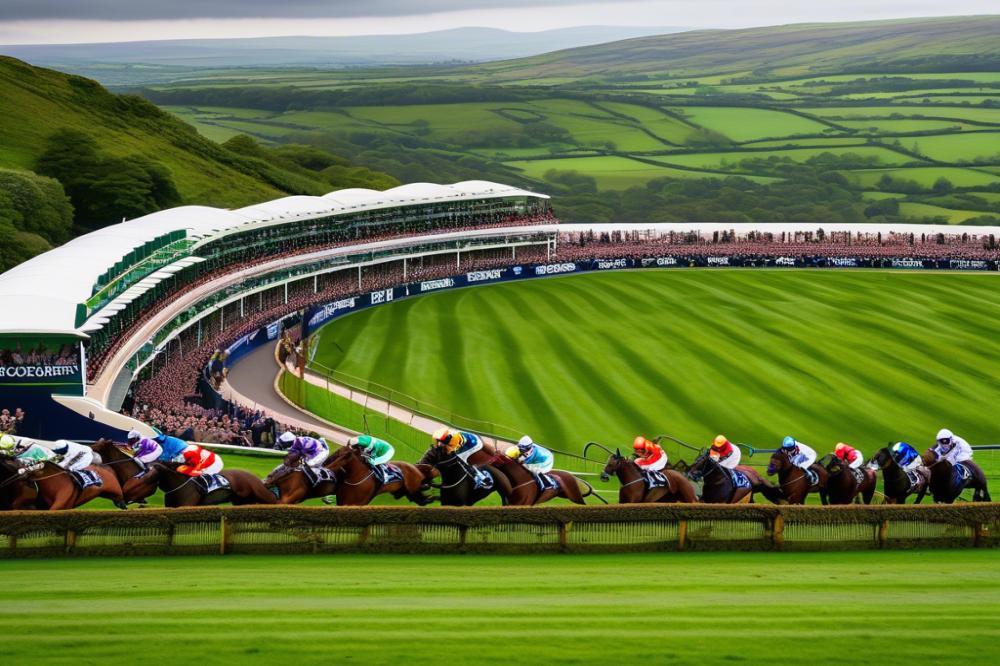
Ireland is renowned for its deep connection to horse racing and equestrian culture. Racecourses across the country serve as focal points for this love of horses. These venues are not just places to watch thrilling races; they are also vital in celebrating and maintaining the rich traditions surrounding horses in Ireland.
Racing events attract thousands of spectators, uniting families and communities in a passion for the sport. They stimulate economic activity while preserving a historical love that has existed for centuries. These courses provide an essential platform for breeders, trainers, and fans to come together and showcase their talents.
Preserving Equine Heritage is an important aspect of this landscape. Through racing, breeding programs, and various competitions, the history of horses is kept alive. It allows future generations a glimpse into the past, connecting them with the devotion that has characterized Ireland’s equestrian scene.
Additionally, events held at Ireland’s Racecourses highlight the skills and beauty of these magnificent animals. Watching a racegoer’s anticipation as they cheer for their favorite horse reflects a bond that resonates beyond the track. In many ways, these experiences are crucial for keeping the spirit of horse culture vibrant and strong.
Ireland’s Racecourses: Historical Significance
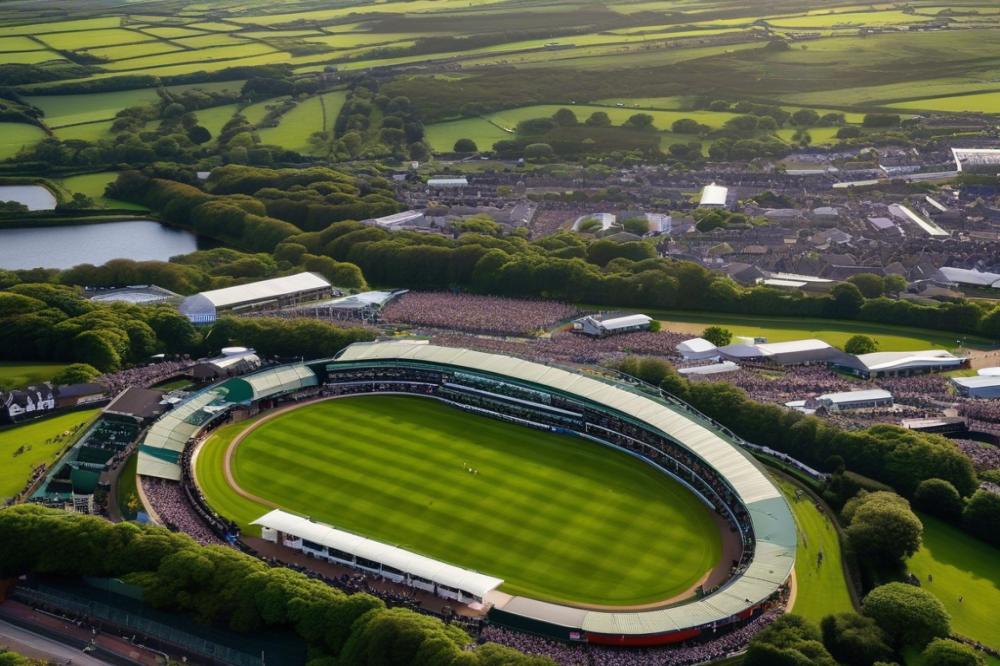
Racecourses have long played a pivotal role in the history of Ireland. Dating back to the 18th century, these venues provide a backdrop for thrilling competitions and community gatherings. Events at these tracks connect local culture with the allure of horse racing. Many of the famous courses, such as the Curragh and Punchestown, have rich heritages steeped in tradition.
Over time, racing developed alongside the thoroughbred breeding industry. Breeders sought the best bloodlines to cultivate horses that would excel on the track. This close relationship fostered advancements in training techniques, enhancing the quality of the sport. As a result, some horses gained legendary status, shaping the narrative of Irish racing.
Certain races have etched themselves into the national consciousness. The Irish Derby remains a highlight on the racing calendar, attracting enthusiasts from all regions. Additionally, the Galway Races draw crowds that celebrate not just the sport but also community spirit. These events contribute significantly to the local economy, showcasing the importance of racing in everyday life.
The evolution of racecourses mirrors the triumphs and challenges of Irish society. As times changed, so did the nature of racing events. Enthusiastic crowds, vibrant fashion, and a sense of camaraderie create a unique atmosphere. While the world evolves, the essence of racing remains, binding generations through shared experiences.
In essence, racecourses serve as a testament to Ireland’s deep-rooted Equine Heritage. They symbolize the country’s passion for horses and the bond between man and beast. Each race, each win, tells a story of perseverance, skill, and pride, echoing through the ages. The legacy of these tracks continues, promising excitement for future generations.
The Role of Racecourses in Equine Heritage Preservation
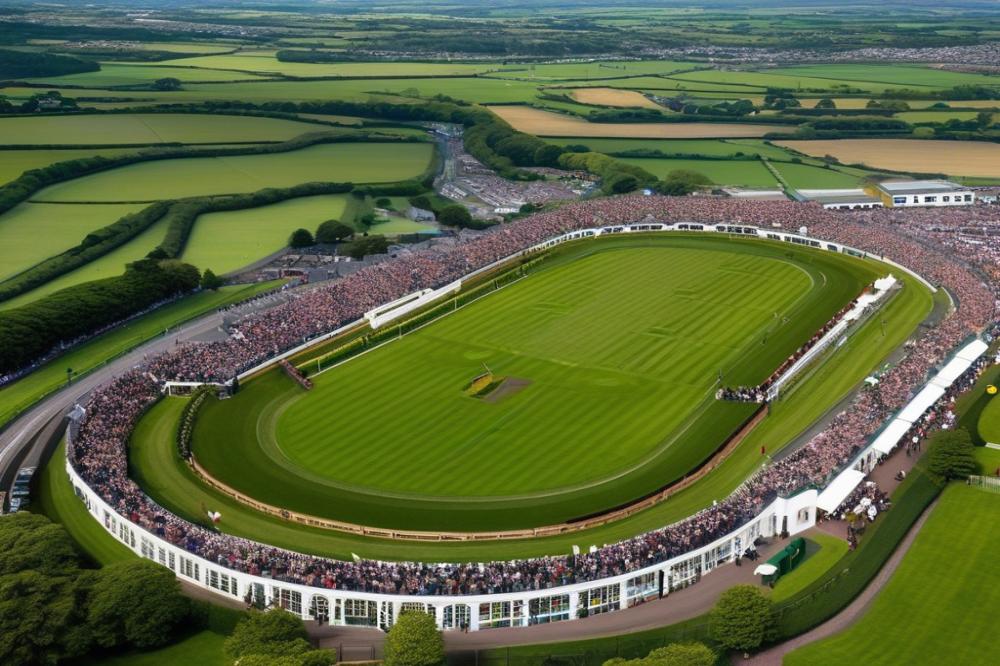
Racecourses in Ireland serve as important landmarks that uphold the nation’s equestrian culture. They provide a venue for showcasing the beauty and skill of horses. Heritage surrounds these tracks, capturing stories of the past. Traditions of racing have been passed down through generations, keeping the connection to history alive.
Traditional racing practices contribute significantly to preserving this rich culture. Events held at these locations bring together people from all walks of life. Families often gather to watch races, sharing experiences that bond them to equestrian pursuits. Racing days are filled with excitement, but they are also steeped in tradition. This blend of thrill and culture adds layers to the experience.
Breeding programs affiliated with racecourses play a vital role in maintaining the quality of Irish horses. Expertise in breeding has been nurtured over many years. Reputable programs focus on traits that enhance performance, health, and temperament. Knowledge gained through generations informs these practices, ensuring the legacy continues. Horse enthusiasts recognize the importance of preserving bloodlines that have made history.
The impact on future generations is profound. Young people are introduced to horses at these venues. They learn not only about the sport but also about care and respect for animals. Programs aimed at youth encourage involvement in riding and training. This involvement fosters a sense of responsibility and appreciation for equine heritage.
Maintaining a connection to the past is crucial for the identity of the nation. Racecourses serve as more than venues for competition; they are a bridge to history. As communities gather to celebrate this heritage, they elevate the significance of equestrian sports. From the thunder of hooves to the cheers of the crowd, each race retells the enduring story of Ireland’s bond with horses.
Engagement with the equine world develops a sense of pride among locals. Race days often attract tourists, enhancing cultural exchange. Such gatherings create an atmosphere that resonates with the importance of keeping traditions alive. Ceremonies, awards, and shared memories reinforce the value placed on equestrian heritage. Through these interactions, racecourses play a crucial role in the ongoing narrative of Irish equine culture.
Economic and Community Impact of Racecourses
Ireland’s racecourses serve as vital hubs for local economies. These venues attract thousands of visitors during racing events, bringing much-needed revenue to surrounding areas. Not only do they enhance tourism, but they also foster community engagement. Families and friends gather to enjoy a day out, filled with excitement and anticipation.
The influx of visitors benefits local businesses significantly. Hotels, restaurants, and shops see increased customers on race days. People often seek a meal or a place to stay, and local markets thrive as racegoers explore the area. Beyond direct spending, these events create jobs. Positions in hospitality and services grow, supporting many families.
Racing events have become more than just shows; they promote a sense of community. Local charities often partner with racecourses to organize fundraisers. This collaboration strengthens community ties while supporting important causes. People come together for a common interest, fostering friendships and connections.
Equine-related activities receive a boost from racing events. Riding schools and stables notice more interest as spectators become curious about horses. Many attendees take Riding and training lessons or get involved in horse care, stimulating this niche market. Schools also benefit, as children become inspired by the sport and its cultural significance.
Furthermore, racecourses encourage local artisans and vendors. Craft makers set up stalls, showcasing their products during events. This exposure provides small businesses a platform to reach a wider audience. Many find that racing days become great opportunities to promote equine heritage.
Overall, racecourses play a crucial role in sustaining the economy and bolstering community bonds. Their impact stretches far beyond the racetracks, intertwining with the lives of the people and businesses they touch. Ensuring the vibrancy of local culture, these venues continue to be a proud aspect of Ireland’s equine legacy.
The Future of Horse Racing in Europe: Challenges and Opportunities
The landscape of horse racing in Europe faces a variety of challenges. One pressing issue is the declining interest among younger generations. Many young people today are drawn to different forms of entertainment. Digital media often captures their attention more effectively than traditional sports.
Environmental concerns also pose significant problems. Racecourses must adapt to climate change and sustainability goals. This may require restructuring facilities or innovating new practices that reduce their carbon footprint.
Modernization has transformed racecourses. Newer technology enhances the experience for spectators, but it can also impact the charm of historic venues. Some worry that the essence of equine heritage might diminish amidst new developments. Traditionalists advocate for preserving the unique culture that surrounds horse racing.
Additionally, the industry confronts economic hurdles. Rising costs for the maintenance of racehorses and facilities can strain budgets. Striking a balance between profitability and preserving heritage will be crucial for future growth.
Strategies for sustainability are essential. Enhancing community engagement can drive interest and participation. Hosting events that celebrate both the sport and its history may attract diverse audiences. Collaborating with local businesses could fortify financial support and create a more vibrant atmosphere.
Public relations campaigns highlighting racing’s role in cultural heritage could draw in fans. Education plays a pivotal role too. Families may become more involved if they understand the depth of history behind the sport. With appropriate outreach, horse racing may regain its appeal.
Ultimately, the future of racing will require adaptability. Embracing changes while honoring tradition can pave a path forward. The focus will need to remain on both preserving equine heritage and attracting new fans for the long haul.
Final Thoughts
The role of racecourses in preserving Ireland’s rich equine heritage cannot be overstated. These venues are more than just places for horse racing; they embody a historical connection to the nation’s diverse equestrian culture. From supporting breeding practices to hosting events that celebrate the bond between horses and humans, racecourses serve as vital hubs of tradition.
A look into the future reveals challenges as well as opportunities for horse racing in Europe. Changing social attitudes and economic pressures can affect attendance and participation. However, the importance of racecourses in enhancing local economies and fostering community spirit remains evident. They attract tourism, drive job creation, and act as venues for social gatherings, solidifying their place in both the cultural and financial landscape.
Stakeholders must recognize the significance of preserving this heritage. It is essential for industry leaders, local governments, and enthusiasts to collaborate. Commitment to maintaining and promoting these unique spaces will help keep the equine legacy alive. Together, we can celebrate and protect the horses and traditions that are integral to our identity. Embracing this mission will safeguard a cherished part of our culture for generations to come.

