
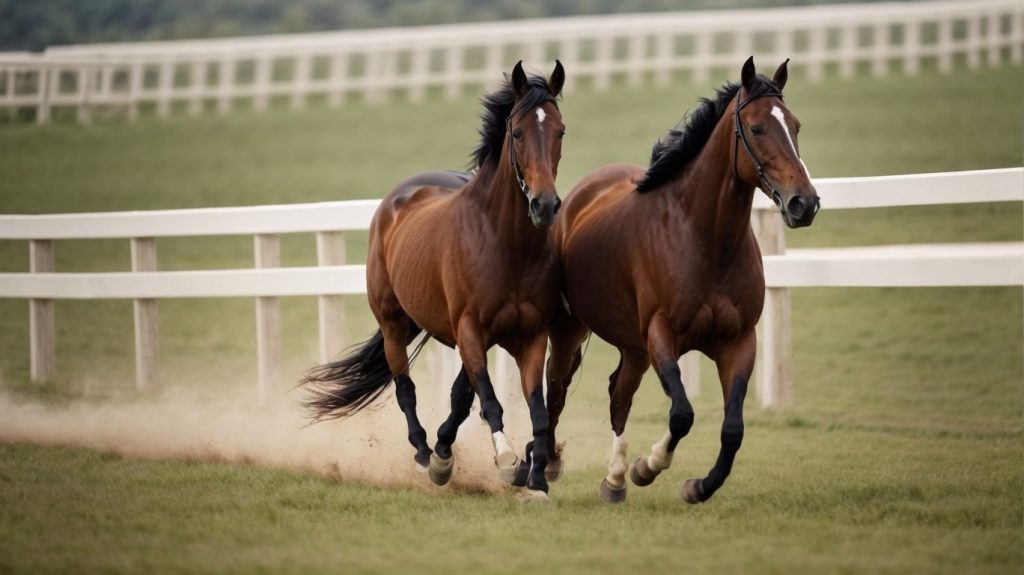
In the world of equine enthusiasts, the debate between Mustangs and Thoroughbreds has been ongoing for generations. Each breed bears its own distinctive traits, from physical characteristics to temperament, uses, training, and similarities. Whether you are a seasoned equestrian or considering adding a horse to your life, understanding the differences and similarities between these two iconic breeds is essential. In this comprehensive guide, we will delve into the distinct physical differences, temperament variations, uses, training and handling disparities, and important similarities between Mustangs and Thoroughbreds. By the end, you’ll have a clearer understanding of which breed may align best with your needs and preferences. So, let’s explore the world of Mustangs and Thoroughbreds and uncover which breed reigns supreme.
Key Takeaways:
What are the Physical Differences between Mustang and Thoroughbred?
The physical differences between Mustang and Thoroughbred horses encompass various aspects including body type, height and weight, as well as coat color and markings.
Mustangs are known for their compact, sturdy build with strong, well-defined muscles and a deep chest, typically standing between 13 to 15 hands high. Their coats come in a myriad of colors, from bay and black to chestnut and palomino, often with primitive dun factors like zebra striping or dorsal stripes.
In contrast, Thoroughbreds are renowned for their elegant, athletic physique, usually ranging from 15.2 to 17 hands high, with a slender body, long legs, and powerful hindquarters. Their coats can present a wider spectrum of colors, including bay, black, chestnut, and gray, often with unique facial markings such as blazes or socks.
Body Type
The body type of Mustang and Thoroughbred horses exhibits noticeable disparities in terms of conformation, musculature, and overall physique, reflecting their respective breed characteristics.
Mustangs, known for their hardy, resilient nature, typically feature a compact, muscular build. Their conformation is robust with well-defined, strong limbs and a deep chest, reflecting their ability to withstand harsh environments and long distances.
On the other hand, Thoroughbreds are renowned for their elegant, athletic physique. They have a well-proportioned body, long legs, and a refined, slender neck, emphasizing their exceptional speed and agility, key traits in the world of horse racing.
Height and Weight
The height and weight differences between Mustang and Thoroughbred horses are evident in their respective dimensions, with variations in stature and body mass that reflect their breed distinctions.
Mustang horses are known for their rugged build and compact frame, with an average height ranging from 13 to 15 hands (52 to 60 inches) and weight between 800-1,000 pounds. Conversely, Thoroughbred horses exhibit a more refined and elegant physique, standing taller at 15 to 17 hands (60 to 68 inches) and weighing between 1,000 to 1,200 pounds. These differences in height and weight contribute to the unique athleticism and endurance displayed by each breed.
Coat Color and Markings
The coat color and markings of Mustang and Thoroughbred horses contribute to their visual appeal and serve as distinguishing features, showcasing the diversity of equine coloration within each breed.
Mustangs are renowned for their wide range of coat colors, including bay, black, chestnut, and grey, often with various white markings such as stockings or facial blazes. Their rugged appearance is often accentuated by primitive markings like dorsal stripes or zebra stripes on the legs, adding to their distinctiveness.
On the other hand, Thoroughbreds are commonly found in solid colors like bay, chestnut, black, or grey, occasionally with subtle white markings. Their elegant and refined appearance is complemented by well-defined muscles and a sleek coat, reflecting their athletic prowess.
What are the Differences in Temperament between Mustang and Thoroughbred?
The differences in temperament between Mustang and Thoroughbred horses encompass distinct behavioral traits, personalities, and characteristic temperamental inclinations inherent to each breed.
Mustangs, known for their resilience and adaptability, often exhibit a strong independent streak forged by their feral ancestry. Their free-spirited nature and keen survival instincts translate into a cautious yet curious demeanor.
On the other hand, Thoroughbreds are recognized for their high energy, athleticism, and competitive spirit. Bred for speed and agility, they are often characterized as spirited, lively, and quick learners, which can also make them more prone to impulsive behavior. While Mustangs tend to be more stoic and self-reliant, Thoroughbreds typically display a more sensitive and reactive nature, reflecting their selective breeding for performance and athleticism.
Mustang Temperament
The temperament of Mustang horses is renowned for its wild, free-spirited nature, characterized by independent behavior, resilience, and adaptability shaped by their unique heritage and environment.
These majestic equines exhibit a strong sense of autonomy, reflecting their heritage as descendants of domesticated horses that returned to the wild. Their innate ability to thrive in diverse terrains and withstand harsh conditions showcases their remarkable resilience. Wild Mustangs exemplify adaptive traits derived from generations of living in challenging environments, contributing to their unique allure and spirited disposition.
Thoroughbred Temperament
Thoroughbred horses exhibit a spirited, energetic temperament characterized by high levels of athleticism, agility, and spirited behavior, reflecting their lineage and performance-oriented breeding.
Despite their spirited nature, Thoroughbreds are highly trainable and possess remarkable intelligence, enabling them to excel in various equestrian disciplines such as racing, show jumping, and dressage. Their vibrant energy and bold demeanor make them captivating athletes, drawing admiration for their graceful movements and powerful strides. This spirited temperament, combined with their innate agility, contributes to their success in competitive events, showcasing their natural athleticism and zest for performance.
What are the Differences in Uses between Mustang and Thoroughbred?
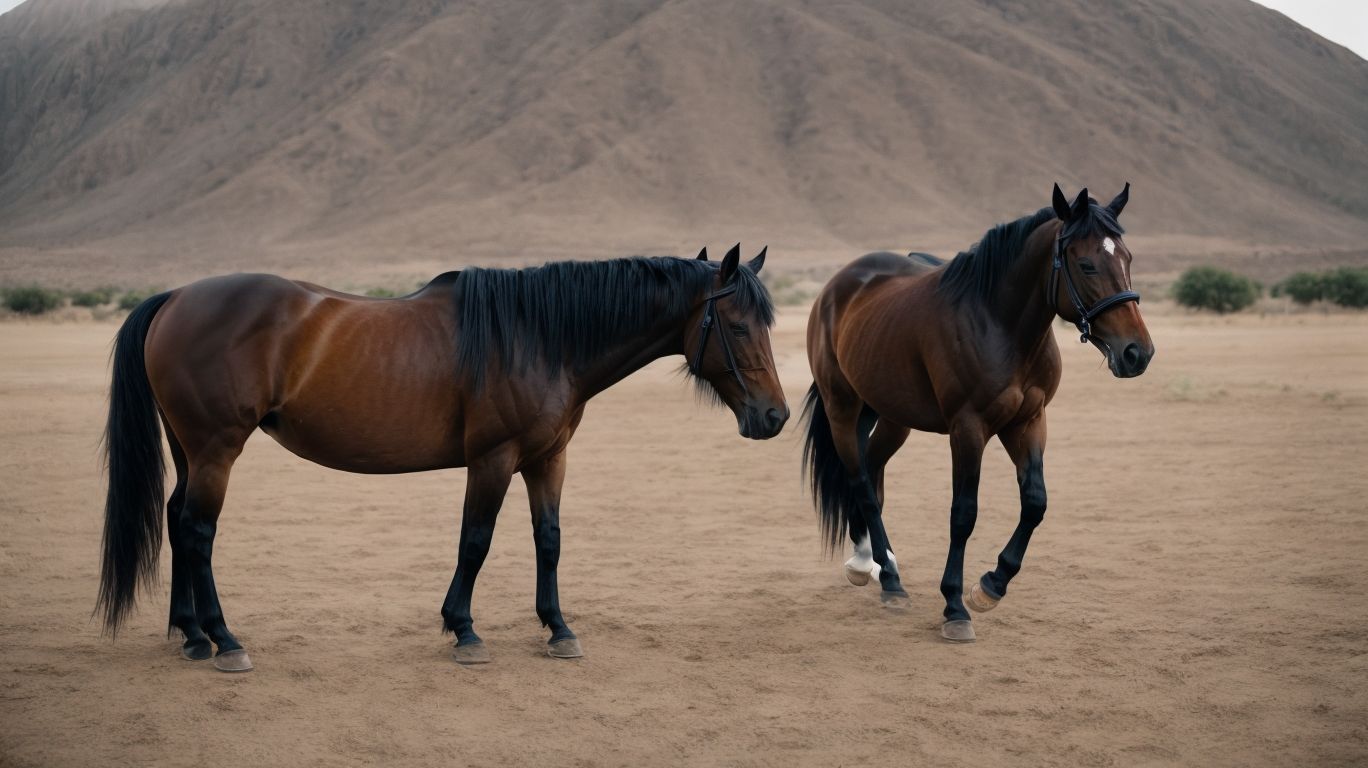
Credits: Horselife.Org – Michael Taylor
The differences in uses between Mustang and Thoroughbred horses encompass diverse disciplines, activities, and specialized roles that cater to their unique breed attributes and capabilities.
Mustangs, revered for their hardiness and resilience, are often utilized in endurance riding, ranch work, and as trusted companions for trail riding. Their agility and sure-footedness make them well-suited for navigating rugged terrains and long distances.
Conversely, Thoroughbreds excel in the realm of racing, prized for their speed, stamina, and competitive spirit. Widely celebrated in the world of equestrian sports, Thoroughbreds dominate the fields of flat racing, steeplechasing, and show jumping, showcasing their exceptional athleticism and spirited nature.
Mustang Uses
Mustang horses are utilized in a range of activities and disciplines, showcasing their versatility, endurance, and adaptability across diverse equestrian pursuits, reflecting their natural resilience and heritage.
These remarkable equines are not only adept at working cattle, ranching, and endurance riding, but they also excel in various competitive arenas such as reining, dressage, and show jumping. Their keen intelligence and strong build make them suitable for roles in mounted police units and therapeutic riding programs. Their ability to thrive in harsh environments and cover long distances with minimal care also makes them ideal for trail riding and pack trips through rugged terrains.
Thoroughbred Uses
Thoroughbred horses are primarily renowned for their involvement in racing disciplines and competitive events, showcasing their exceptional speed, agility, and competitive prowess in the realm of equestrian sports.
Their athletic build, combined with centuries of selective breeding, has honed their innate ability to sprint and endure the rigors of intense races, making them prime contenders on the turf and track. These remarkable equine athletes are favored for their innate ability to reach impressive speeds, effortlessly galloping towards the finish line with grace and power.
What are the Differences in Training and Handling between Mustang and Thoroughbred?
The differences in training and handling between Mustang and Thoroughbred horses encompass distinct approaches, disciplines, and conditioning methods tailored to their respective discipline, stamina, and training requirements.
Mustang horses, renowned for their resilience and adaptability, often undergo gentler, patient handling during their initial training to build trust and establish a strong foundation. Their training focuses on developing agility, endurance, and adaptability to various terrains, mirroring their wild origins.
In contrast, Thoroughbred horses, with their legacy of speed and athleticism, receive specialized training for their specific disciplines, such as racing or show jumping. This often includes rigorous sprint workouts, precision-focused exercises, and thoroughbred-specific dietary and conditioning regimens to optimize their speed and stamina.
Mustang Training and Handling
The training and handling of Mustang horses often entail natural horsemanship techniques, focusing on endurance, adaptability, and the development of a strong partnership between horse and handler.
Mustang horses, known for their spirited nature and resilience, require a unique approach to training and handling. Natural horsemanship techniques, such as round pen training and liberty work, are often used to build trust and cooperation with these intelligent animals.
Endurance training plays a significant role in preparing Mustangs for various activities, including trail riding and competitive events. Exercises aimed at improving stamina, agility, and responsiveness are essential for ensuring the horse’s physical and mental well-being.
Establishing a strong bond between the horse and the handler is paramount in Mustang training. It involves consistent groundwork, clear communication, and a deep understanding of equine behavior. By embracing a patient, empathetic approach, handlers can earn the respect and willingness of these remarkable animals.
Thoroughbred Training and Handling
The training and handling of Thoroughbred horses involve specialized conditioning, discipline-specific training, and the development of athletic prowess tailored to the demands of competitive racing and performance disciplines.
Thoroughbred horses are renowned for their speed, agility, and endurance, making their training and handling highly specialized. The conditioning process focuses on building strength, stamina, and flexibility through a combination of carefully planned exercise regimens, proper nutrition, and sufficient rest.
Discipline-specific training encompasses activities such as gallop and sprint work, as well as schooling in the starting gate and practicing racing tactics. Each aspect of their training is designed to fine-tune their physical abilities and mental focus.
The development of their athletic prowess involves careful monitoring of their progress, regular veterinary check-ups, and appropriate rehabilitation methods to prevent injuries and maintain peak performance levels.
What are the Similarities between Mustang and Thoroughbred?
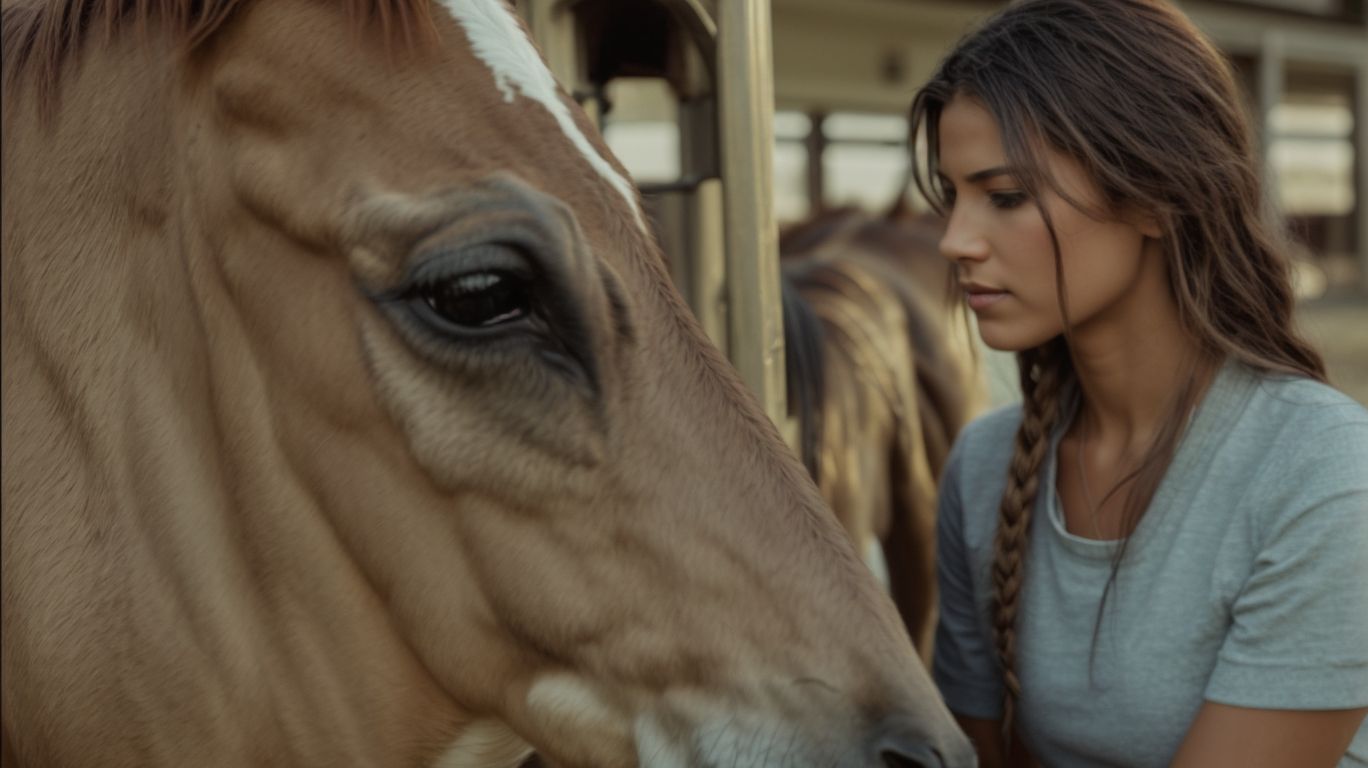
Credits: Horselife.Org – Dennis Campbell
Despite their differences, Mustang and Thoroughbred horses share commonalities in their origin, dietary requirements, lifespan, and the essential aspects of health and care, reflecting universal facets of equine management and husbandry.
Both the Mustang and Thoroughbred horses trace their origins to selective breeding and environmental adaptation. While the Mustang evolved in the wild, adjusting to harsh terrain and limited resources, the Thoroughbred has been refined through selective breeding for speed and racing prowess.
In terms of dietary needs, both breeds require a balanced diet rich in fiber, protein, and essential nutrients to support their overall health and performance. Their lifespan averages around 25-30 years, with proper care and nutrition playing a critical role in their longevity.
In terms of health and care, regular veterinary check-ups, dental care, proper hoof maintenance, and a suitable exercise regimen are vital for both Mustang and Thoroughbred horses to thrive.
Origin
Both Mustang and Thoroughbred horses have unique origins steeped in rich history and heritage, reflecting their distinctive lineage and the cultural significance of their respective breed development.
Mustangs, descendants of horses brought to the Americas by Spanish explorers in the 16th century, roamed the wild plains and mountains, adapting to rugged terrains and harsh climates. Their resilience and versatility have made them a symbol of American freedom and independence.
Thoroughbreds, on the other hand, trace their roots back to 17th-century England, selectively bred for speed and stamina for racing. Their bloodlines are meticulously maintained, with an emphasis on performance, resulting in a heritage deeply intertwined with the evolution of modern horse sports and equestrian culture.
Diet and Nutrition
Both Mustang and Thoroughbred horses require specific dietary provisions, including quality nutrition, balanced feeding, and suitable forage, to maintain optimal health and performance, reflecting the importance of tailored nutrition in equine management.
Meeting the dietary requirements of Mustang and Thoroughbred horses is integral to their overall well-being and capacity for physical exertion. Quality nutrition forms the foundation, requiring a well-balanced combination of proteins, carbohydrates, fats, vitamins, and minerals. Balanced feeding is equally crucial, ensuring that the horses receive the appropriate amount of feed based on their size, activity level, and metabolic needs.
Suitable forage, such as high-quality hay or pasture, serves as a vital component in their diet, providing essential fiber and promoting digestive health. It is essential to consider the unique nutritional needs of each horse, taking into account factors such as age, breed, activity level, and any existing health conditions.
Lifespan
The lifespan of both Mustang and Thoroughbred horses follows similar patterns of longevity, aging, and overall life expectancy, reflecting fundamental aspects of equine lifespan and aging processes.
For Mustang horses, known for their hardiness and adaptability, the average lifespan ranges between 15 to 20 years in the wild, while those in captivity may live into their mid-20s. Factors such as genetics, diet, exercise, and healthcare play vital roles in determining their longevity.
In contrast, Thoroughbred horses, renowned for their agility and speed, typically have a slightly longer lifespan, averaging between 25 to 30 years, with some individuals living well into their 30s with proper care and management.
As with all equines, the aging process of both Mustangs and Thoroughbreds involves the gradual decline in sensory perception, dental health issues, and a higher susceptibility to certain age-related diseases. Understanding these factors is essential for ensuring the well-being and quality of life for these remarkable equine breeds.
Health and Care
The health and care requirements for both Mustang and Thoroughbred horses encompass essential aspects of grooming, veterinary attention, and overall well-being, reflecting the universal principles of equine health and husbandry.
Proper grooming for Mustang and Thoroughbred horses involves regular brushing to remove dirt, debris, and loose hair, as well as cleaning hooves to prevent infections and discomfort. Ensuring a balanced diet, sufficient exercise, and access to clean water are fundamental for their well-being. Veterinary care, including routine check-ups, vaccinations, deworming, and dental care, is crucial for preventing and managing health issues.
Creating a safe and stimulating environment, as well as providing mental stimulation through varied activities, can contribute significantly to their overall happiness and welfare. Equine-specific considerations, such as specific dietary needs, exercise requirements, and breed-related health tendencies, play vital roles in maintaining optimal health and vitality for these magnificent animals.
Conclusion: Which is Better, Mustang or Thoroughbred?
The question of which is better between Mustang and Thoroughbred horses does not have a definitive answer, as their value lies in their unique attributes, capabilities, and the specific roles they fulfill within the diverse equestrian landscape.
Mustangs, known for their resilience and adaptability, are descendants of Spanish, Arabian, and Barb breeds, embodying strength and endurance perfected over generations in the wild. Their agility and sure-footedness make them well-suited for rugged terrains, appealing to those in search of a hardy and independent equine companion.
On the other hand, Thoroughbreds are renowned for their exceptional speed, grace, and athleticism, which have made them stars in racing and show jumping arenas. Bred for performance, they excel in competitive disciplines, with a blend of power and elegance that captivates enthusiasts worldwide.
Frequently Asked Questions
What is the difference between a Mustang and a Thoroughbred?
A Mustang and a Thoroughbred are two different breeds of horses. A Mustang is a feral horse that is found in the wild, while a Thoroughbred is a breed that is specifically bred for racing.
How can you tell the difference between a Mustang and a Thoroughbred?
One way to tell the difference between a Mustang and a Thoroughbred is by their physical characteristics. Mustangs typically have a stockier build and a thicker mane and tail, while Thoroughbreds have a leaner build and a fine mane and tail.
Which breed is better for riding, Mustang or Thoroughbred?
This really depends on personal preference and the intended use. Mustangs are known for their hardiness and endurance, while Thoroughbreds are known for their speed and athleticism. Both can make excellent riding horses with proper training.
Are Mustangs and Thoroughbreds good for beginners?
Generally, both Mustangs and Thoroughbreds require experienced riders due to their high energy and sensitivity. However, with the right training and handling, they can make suitable horses for beginners.
Can Mustangs and Thoroughbreds compete in the same events?
Yes, both breeds can compete in a variety of events such as dressage, jumping, and trail riding. However, Thoroughbreds are more commonly used for racing and Mustangs are often seen in events that showcase their natural agility and endurance.
Are Mustangs and Thoroughbreds endangered?
While Mustangs are considered a protected species in the United States and have populations in the wild, Thoroughbreds are not endangered. However, there are efforts to preserve the breed and prevent overbreeding in the racing industry.

