
Namibia‘s Desert Adapted wild horses: A Remarkable survival Story
Feral horse populations can be found across various parts of the world. They roam freely in places like North America, Australia, and even Spain. Each region has its own challenges, but that does not stop these horses from surviving. Some populations are thriving, while others face threats from habitat loss or hunting.
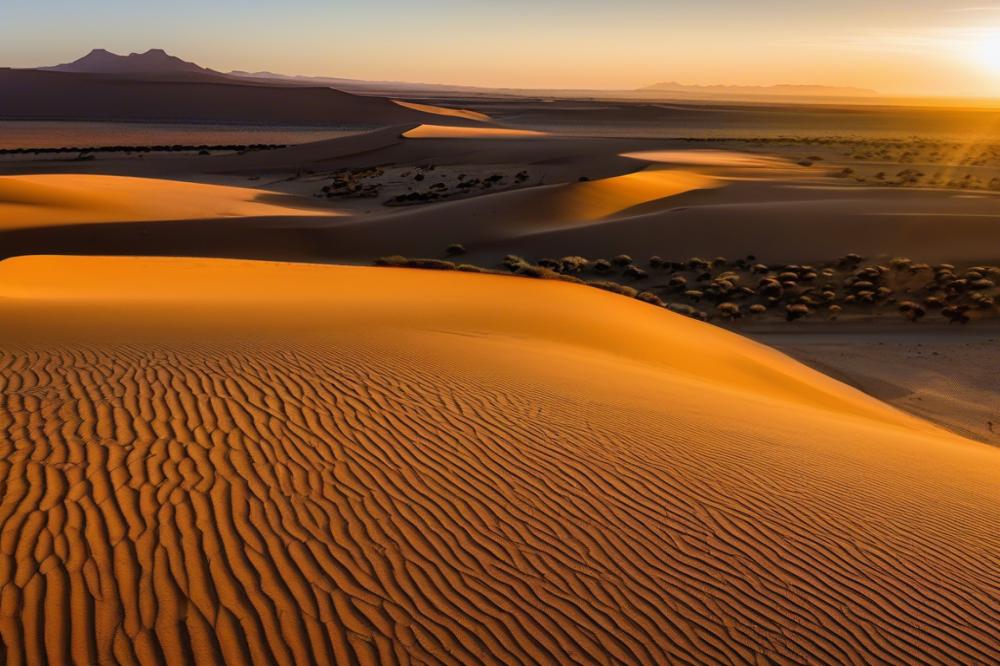
In a remote part of southern Africa lies a remarkable group known as desert adapted wild horses. These horses, a fascinating sight against the backdrop of rugged landscapes, possess traits that help them endure extreme conditions. Their existence highlights nature’s ability to adapt and evolve. Understanding these remarkable creatures offers insights into resilience in harsh environments.
Studying these wild horses holds great importance. Their ability to thrive where water is scarce and food is limited teaches us valuable lessons. They possess unique behaviors and strategies that allow them to navigate the challenges of the arid landscape. Learning about their lives can inspire conservation efforts and help us understand the complex relationships within ecosystems.
The Origins of Namibia‘s Desert Adapted Wild Horses
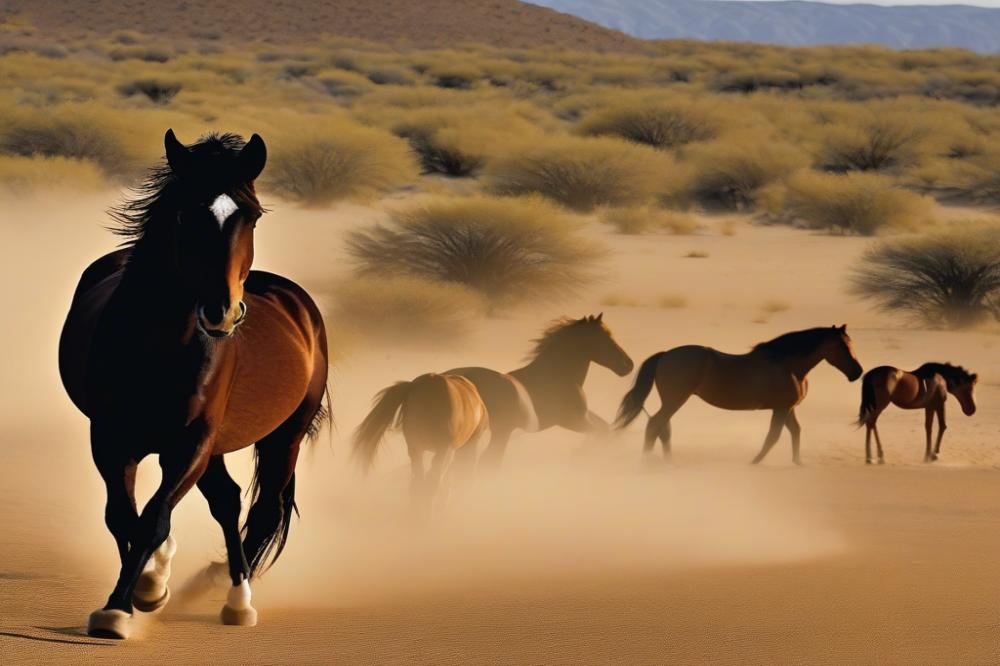
The wild horse populations in Namibia have a fascinating history. These horses are not just any descendants. They have evolved under challenging conditions that shape their existence today. Their story began in the early 20th century when various horse breeds were brought to the region. Some horses escaped or were abandoned, giving rise to a distinct line of survival. Over time, they adapted to the harsh environment around them.
Understanding their genetic background is crucial to grasping their resilience. These horses carry traits from several breeds, including the Burchell’s zebra and the Arabian horse. Through adaptation, their lineage reflects a mix of strength and endurance. This genetic diversity helps them thrive in severe conditions, such as heat and scarcity of water.
Migration patterns played a significant role in the establishment of these horses in the Namib Desert. As they roamed the arid terrain, they learned to seek resources efficiently. They became experts at navigating the landscape, finding water holes and grazing areas. Their ability to cover vast distances has contributed to their survival. Each season demands that they adapt their movements based on the availability of food and water.
The settlement in the desert was not random. Natural barriers and climatic changes influenced where they could thrive. This journey shaped not only their physical traits but also their social structure. As herds formed, they developed social bonds that enhanced their survival. This aspect showcases their remarkable adaptability amid adversity.
desert adaptation and Survival Strategies
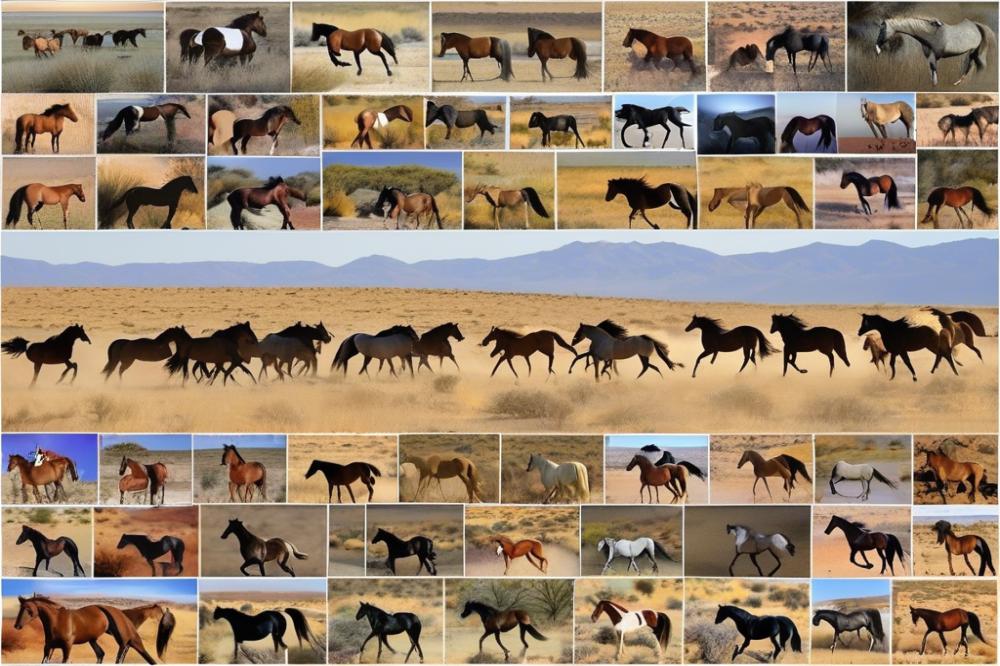
The desert-adapted wild horses exhibit fascinating physical traits that help them survive in arid conditions. Their body structure reflects a blend of strength and endurance. Long legs enable them to cover large distances in search of food and water. Moreover, these horses have adapted to have shorter coats. This trait helps reflect the harsh sunlight, reducing body heat during the sweltering days.
In terms of behavior, these horses display remarkable strategies to thrive in their environment. Observations show that they are most active during cooler times, such as early morning and late evening. This timing helps them avoid the scorching heat of midday. Social structures also play a vital role in their survival. By forming small groups, they benefit from added protection against predators and can share information about food and water sources.
Water conservation is crucial for their survival. These horses can endure long periods without drinking. They obtain moisture from their food, especially when consuming greens or roots. Foraging strategies are equally important. They are not picky eaters. The ability to graze on tough, dry grass and shrubs allows them to extract nutrients from plants that other animals might ignore. This adaptability highlights their unique survival skills.
Social Behavior and Herd Dynamics
Structure of Horse Herds in Desert Environments
Horse herds in desert regions exhibit fascinating structures. Typically, a herd consists of a dominant stallion, several mares, and their young. This arrangement promotes stability and security among the group. Stallions often protect the herd against threats. They maintain order and help lead their families to resources like water and food.
Groups may vary in size, sometimes numbering up to twenty individuals. Larger herds can better defend against predators. However, smaller groups often allow for closer social bonds. Each horse plays a role, and this contributes to the herd’s overall success in the harsh conditions found in arid areas.
Social Interactions and Herd Cohesion
Social interactions among these horses are critical for their survival. Horses communicate using body language and vocalizations. Grooming behaviors foster close ties. This helps build trust and cooperation within the group. Frequent interactions strengthen relationships. These connections offer emotional security, especially during stressful times.
Observing these herds reveals that members watch out for one another. They often form strong friendships, working together to find food and water. Individuals may share roles in protecting young foals. This cooperation forms the backbone of herd cohesion.
Importance of Social Behavior for Survival and Reproduction
Social behavior plays a vital role in survival. Herds work together to find scarce resources in their dry environment. A united front helps fend off predators. Young horses learn essential skills by watching adults. They observe behavior and pick up knowledge critical for their future.
Reproduction is also impacted by social dynamics. Strong bonds between stallions and mares lead to successful mating. Healthy, well-socialized horses often produce healthier offspring. The stability within the herd encourages foals to thrive. Being part of a cohesive group provides the support needed for growth and development.
In the unforgiving landscape, social structures create a safety net. Without these connections, survival would be much harder for wild horses in the desert.
Biodiversity and Ecosystem Impact
Desert adapted wild horses play a vital role in their ecosystem. They interact with the land in ways that influence various plants and animals. Their presence is crucial for maintaining a balance in this arid habitat.
These horses compete for resources like water and food. This competition can benefit other species by promoting a variety of plant growth. When horses graze, they help to control the dominance of certain plant species. This creates space for new plants to thrive and flourish.
Wild horses also participate in seed dispersal as they move across their territory. When they eat, seeds often get excreted elsewhere. This movement contributes to greater plant diversity, which can support a range of other wildlife. In turn, this can lead to a healthier ecosystem overall.
The interaction between these horses and other wildlife is equally significant. Various animals rely on the same water sources. Predators and scavengers, such as hyenas or vultures, can benefit from the resources created by horse movement. Their actions can create microhabitats that support insects, birds, and other animals.
Vegetation patterns change due to the presence of these animals. Grazing impacts the landscape, often leading to different land use patterns. Over time, areas might become more open or dense based on horse activity. Such changes can affect how other organisms thrive in these spaces.
Land management authorities sometimes monitor horse populations. This helps in understanding the impacts on the broad environment. The continuous movement of wild horses creates a dynamic landscape. Adaptations in vegetation and soil health can stem from their presence.
Ultimately, these wild horses embody resilience in a challenging environment. Their role in this ecosystem illustrates the connections between species and habitats. As the horses thrive, they enrich their surroundings, showcasing the beauty of interdependence in nature.
Conservation Efforts and Challenges
Conservation initiatives for wild horses in the arid regions of southern Africa focus on protecting their natural habitats. Various organizations work to monitor and study these horses. They aim to understand behaviors and needs, vital for their survival. Education programs also involve the local communities. Raising awareness about the importance of these horses can lead to better protection efforts.
Nevertheless, significant challenges threaten their existence. Droughts have become more frequent, affecting the scarce water sources these horses rely on. Overgrazing by livestock further degrades the land they inhabit. Additionally, competition for resources adds pressure to their populations. Climate change presents another layer of difficulty by altering the environment they have adapted to over generations.
Addressing habitat preservation is crucial for the future of these animals. Natural ecosystems provide critical resources necessary for survival. Without balanced ecosystems, the horses may struggle to find food and water. Sustainable management practices must be a priority. Engaging local communities is essential in achieving this goal. Only by working together can we hope to maintain the delicate balance of this unique environment.
The Unique Species of Namibia’s Markets
Namibia’s wild horses, known for their resilience, stand apart from other feral horse populations around the world. While many feral horses are descendants of domesticated stock, these distinct animals exhibit remarkable adaptations to their harsh environment. Their ability to survive and thrive in the arid Namib Desert showcases their strength and ingenuity. Unlike typical feral horses that roam freely, these wild horses have developed unique behavioral traits shaped by their specific habitat.
Preserving this remarkable species is crucial for future generations. They are not just animals; they are symbols of endurance and adaptation. Protecting them helps maintain the balance of the ecosystem. If these horses disappeared, it would alter the landscape and wildlife in ways we cannot fully predict. The effort to safeguard their existence underscores a commitment to biodiversity and ecological health.
Tourism plays a significant role in local economies. Many tourists visit just to see these wild horses in their natural setting. This kind of wildlife tourism creates numerous jobs and supports small businesses. Guides, hotels, and vendors all benefit when visitors come to witness the beauty and strength of these horses. Their presence draws people from around the globe, bringing economic benefits to rural communities.
These animals attract photographers and nature lovers alike. Their striking appearance against the backdrop of golden sands creates memorable experiences. Fostering appreciation for this species encourages conservation efforts. Every visitor leaves with a story, enhancing global awareness about the importance of protecting such unique wildlife.
Final Thoughts on a Remarkable Survival Story
The tale of the desert-adapted wild horses stands out as a testament to nature’s resilience. These horses have learned to thrive in one of the harshest environments on Earth. Their ability to survive against overwhelming odds showcases the power of adaptation. Over the years, they have become a symbol of endurance and strength. In many ways, their story reflects the broader challenges faced by wildlife in changing climates.
Continued research and conservation efforts are crucial. Understanding these animals’ behavior and needs can inform strategies to protect them. Investing resources into their habitat is equally important. Without support, these remarkable creatures could face threats that may compromise their future. Scientists and conservationists emphasize the need for outreach and education to raise awareness about their plight.
Everyone can play a role in safeguarding this natural heritage. Whether advocating for conservation policies or supporting local initiatives, each action counts. By fostering a sense of responsibility, communities can help protect the fragile ecosystems that sustain these wild horses. Preserving biodiversity is not just about saving one species; it’s about maintaining the balance of the entire environment. As we reflect on this inspiring narrative, let’s commit to protecting both the wild horses and the diverse ecosystems they inhabit. Together, we can help secure their existence for generations to come.

