
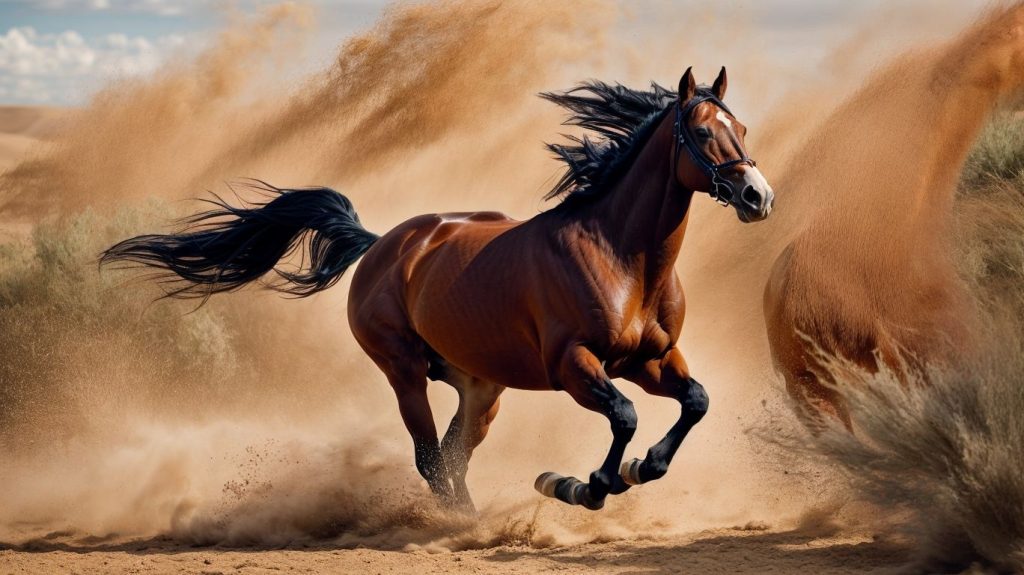
Are you curious about the differences between two of the most beloved horse breeds, Paint and Arabian? In this comprehensive article, we’ll explore every aspect of these remarkable equine companions, from their origins and physical characteristics to their uses, temperament, and care requirements. We’ll delve into their popularity, cost, and maintenance, as well as their unique color patterns and markings. Join us as we unravel the nuances of these two distinct breeds, their significance in various cultures, and their future outlook in the world of equestrianism. Whether you’re an experienced equestrian or simply fascinated by these magnificent creatures, this article will provide you with valuable insights into the Paint and Arabian breeds.
Key Takeaways:
What Is Paint?
The Paint Horse is a distinctive horse breed known for its unique coat patterns and versatility in various equestrian disciplines.
Known for its striking coat patterns, the Paint Horse typically displays large patches of white and another color, such as bay, black, or chestnut, creating visually captivating patterns that vary from horse to horse. The ancestors of the modern Paint Horse can be traced back to the horses brought to the Americas by Spanish conquistadors. Their versatility is evident in the way they excel in activities such as ranch work, trail riding, and even in the show ring, making them highly sought-after by riders of all levels.
What Is Arabian?
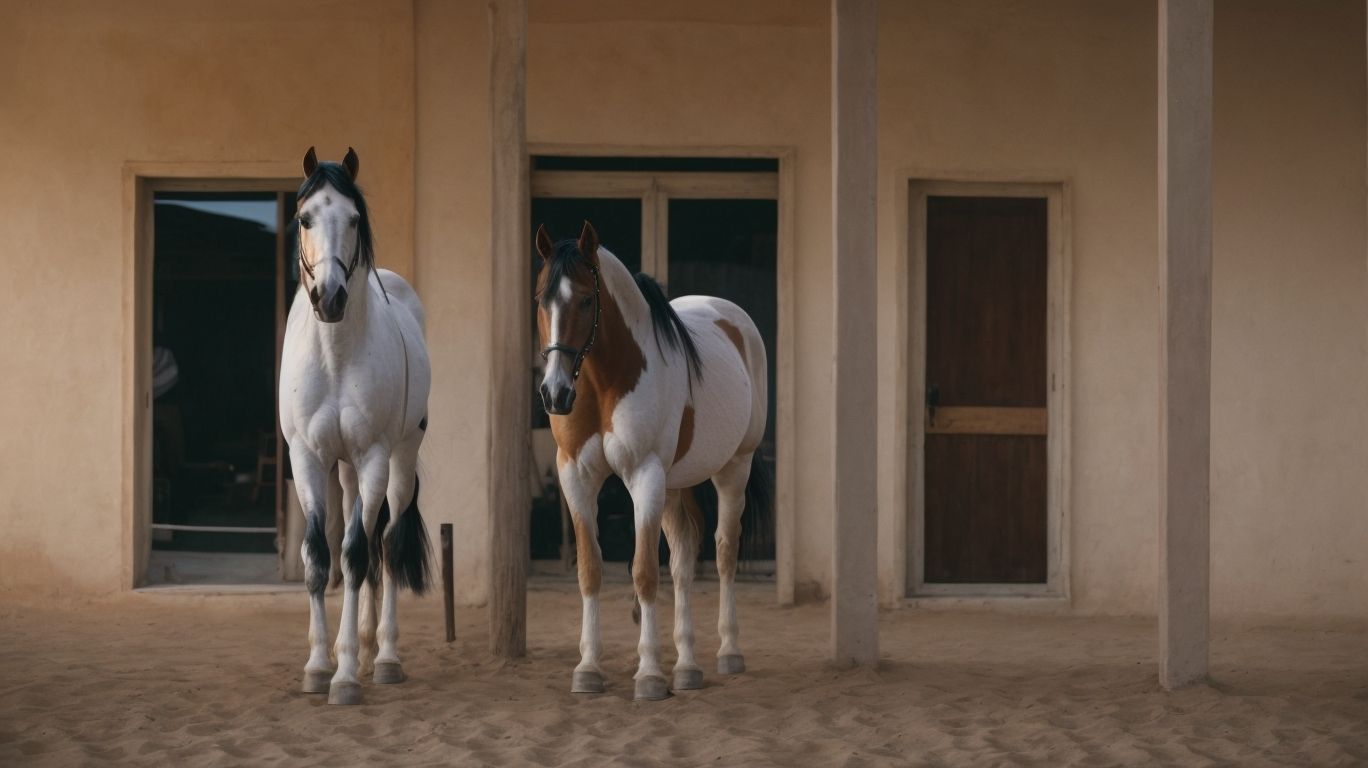
Credits: Horselife.Org – Harold Lopez
The Arabian horse, also known as the Arab horse, is one of the oldest and most influential horse breeds, renowned for its endurance, versatility, and significant influence on various modern horse breeds.
With a history dating back thousands of years, Arabian horses have played a pivotal role in shaping the equine world. Their distinctive traits, such as a dished face, high-set tail, and refined head, set them apart. Renowned for their spirited nature and intelligence, they have become prized assets for endurance riding, equestrian sports, and as foundation stock for creating other superior horse breeds.
What Are the Differences Between Paint And Arabian?
The Paint Horse and Arabian Horse differ in various aspects, including their distinct bloodlines, coat patterns, and specialized uses in equestrian disciplines.
The Paint Horse, known for its distinctive coat patterns characterized by large, irregular splashes of color, is a versatile breed often utilized in Western riding, ranch work, and rodeo events. Its bloodline traces back to the Quarter Horse and Thoroughbred, resulting in a robust and sturdy build ideal for working in the rugged terrain.
On the other hand, the Arabian Horse, with its elegant and refined appearance and a lineage dating back thousands of years, is prized for its speed, endurance, and agility. This breed excels in long-distance trail riding, endurance racing, and traditional native costume events, showcasing its graceful and spirited nature.
Origin and History
The origin and history of various horse breeds, such as the American Saddlebred and Morgan horse, reflect the rich heritage and diverse bloodlines that have shaped their development and influence within the equine world.
The American Saddlebred, known for its elegant and lively movements, traces its roots back to the 18th century American colonies, where it descended from the Narragansett Pacer and Canadian Pacer. Developed as a versatile mount, it gained popularity for its smooth gaits and striking appearance, becoming a favored breed for show competitions and pleasure riding.
On the other hand, the Morgan horse originated from the stallion Figure, known for its versatility, strength, and gentle temperament. It played a significant role in the development of many American horse breeds, serving as a foundation for the Standardbred, American Quarter Horse, and Tennessee Walking Horse. The history of these breeds embodies the rich tapestry of equine evolution, each contributing unique qualities and legacies to the equine industry.
Physical Characteristics
The physical characteristics of stock-horse breeds, exemplified by the American Quarter Horse, emphasize robust conformation, muscular build, and agility, reflecting their historical association with ranch work and versatility in various equine activities.
Their strong, well-muscled bodies with a deep chest, powerful hindquarters, short back, and sturdy legs exemplify the ideal stock-horse conformation. The American Quarter Horse, in particular, is known for its well-defined and chiseled head, expressive eyes, and alert ears, which add to its overall appeal. These physical attributes, combined with their compact and solid build, provide them with the necessary strength and agility for tasks such as cutting cattle, barrel racing, and roping.
The history of stock-horse breeds, including the American Quarter Horse, is rich with their contribution to the development of the American West, and their adaptability continues to make them a popular choice for various disciplines in the equine world.
Uses and Disciplines
The diverse uses and disciplines associated with horse breeds, such as the American Saddlebred, encompass a wide range of equestrian activities, including western pleasure, endurance riding, and parade participation, showcasing their adaptability and versatility.
These stunning and elegant American Saddlebreds are exceptionally versatile and demonstrate remarkable skill in a variety of equestrian disciplines. Their graceful movement and high-stepping gait make them perfect for parade events, where they excel in displaying their natural flair and showmanship. Their smooth gaits and gentle temperament are well-suited for western pleasure riding, allowing riders to enjoy a comfortable and elegant ride.
Their endurance and stamina make them exceptionally well-suited for endurance riding, an equestrian sport that tests the horse and rider’s ability to cover long distances over varied terrain. Their adaptability and willingness to perform make them stand out in these demanding and challenging disciplines.
Temperament and Personality
The temperament and personality of the Arabian Horse are characterized by intelligence, endurance, and a spirited nature, contributing to its reputation as a versatile and resilient breed with a strong bond with its human counterparts.
Arabian Horses are known for their sharp intelligence and keen awareness, traits that have made them valuable partners for centuries. Their remarkable endurance allows them to excel in long-distance races and challenging terrains. Coupled with their spirited nature, these horses exhibit a remarkable resilience and adaptability to various environments, making them sought after as working and riding companions. Their strong bond with humans is a testament to their loyal and affectionate nature, which further enhances their exceptional reputation in the equestrian world.
Training and Handling
The training and handling of the Paint Horse require a balanced approach that caters to its gentle nature, agility, and adaptability, making it an ideal choice for equestrians seeking a versatile and responsive equine partner.
Understanding the unique characteristics of the Paint Horse is essential in developing effective training methodologies. Their intelligence and willingness to learn make them highly responsive to positive reinforcement techniques, such as clicker training and reward-based methods. The adaptability of the Paint Horse also allows for diverse equestrian activities, from Western riding disciplines like trail and ranch work to English riding including show jumping and dressage.
When handling a Paint Horse, it’s crucial to establish a bond built on trust and mutual respect. Patience and clear communication are key when teaching new skills and building confidence. By creating a harmonious partnership, equestrians can tap into the Paint Horse’s natural athleticism and versatility, achieving success in various equestrian pursuits.
Popularity and Demand
The popularity and demand for the Morgan horse breed have steadily increased, driven by its versatile capabilities, gentle disposition, and suitability for various equestrian pursuits, including adoption and therapeutic programs.
Known for their elegant appearance and exceptional athleticism, Morgan horses are gaining recognition as a breed that excels in diverse activities. From pleasure riding and driving to competitive disciplines such as dressage and endurance riding, these versatile horses capture the hearts of equestrians seeking companionship and high-performance partners.
What sets the Morgan breed apart is its innate ability to form strong bonds with humans, making them ideal candidates for adoption and therapeutic programs. Their gentle nature and intuitive understanding play a crucial role in equine-assisted therapy and healing interactions, providing individuals with emotional support and give the power toment.
As more people recognize the invaluable contribution of Morgan horses to the equestrian world, their popularity continues to soar, leading to a surge in adoption and integration into various equestrian pursuits and programs.
Cost and Maintenance
The cost and maintenance considerations associated with Miniature Horses reflect their unique care requirements, compact size, and specialized management needs, shaping their appeal for individuals seeking equine companions with reduced space and maintenance demands.
Miniature Horses have significantly lower maintenance costs compared to full-sized counterparts, making them an attractive choice for budget-conscious equine enthusiasts.
Due to their smaller size, Miniature Horses require less acreage for grazing and exercise, further reducing the overall upkeep expenses.
Their specialized diet, which includes high-fiber, low-calorie hay and smaller portions of grain, also contributes to cost savings.
Health and Care
The health and care requirements of the Thoroughbred breed encompass specialized attention to its athleticism, musculoskeletal health, and nutritional needs, reflecting its status as a premier choice for various competitive equestrian disciplines.
Thoroughbred horses are known for their agility, speed, and grace, making them valued and sought after in the competitive equestrian world. Due to their high athletic demands, their musculoskeletal health is of utmost importance. Owners and trainers need to carefully manage their training regimens to avoid overexertion and the risk of strains and injuries. This involves a personalized approach to exercise, including regular stretching, proper warm-ups, and cooldowns.
Maintaining Thoroughbreds’ nutritional needs is also vital. A well-balanced diet rich in high-quality hay, grains, and essential vitamins and minerals is crucial for their well-being. Adequate hydration is equally important, especially after intense workouts and competitions.
Color and Markings
The color and markings exhibited by Pinto horses, similar to those seen in Appaloosas, showcase a diverse array of striking patterns and variations, contributing to their visual appeal and distinct recognition within the equine community.
Pinto horses are often adorned with large, irregular patches of white and another color, creating an eye-catching contrast that captivates onlookers. These colors can range from black, bay, chestnut, or even dilute variations such as palomino and buckskin.
Similarly, Appaloosas are recognized for their unique spotted coat patterns, which can include blanket, leopard, snowflake, or marbleized markings, often with a distinctive white sclera around their eyes. These striking characteristics set them apart from other horse breeds and make them easily recognizable.
Competition and Performance
The competition and performance capabilities of the American Quarter Horse, recognized by organizations like the American Paint Horse Association (APHA), underscore its prowess in diverse disciplines, including speed events, stock work, and pleasure classes.
The American Quarter Horse stands out as a versatile breed, excelling in various competitive arenas. Its exceptional speed and agility make it a dominant force in speed events, with a remarkable ability to sprint over short distances. This breed’s strength and intelligence also make it well-suited for stock work, where precision and responsiveness are crucial.
In pleasure classes, the American Quarter Horse showcases its gentle, adaptable nature, making it a popular choice for riders of all skill levels. The breed’s strong work ethic, combined with its versatility, has solidified its reputation as a top performer in a wide range of equine competitions.
Breed Associations and Registries
Breed associations and registries, such as those overseeing toveros, play a pivotal role in promoting and preserving the heritage, versatility, and achievements of horse breeds involved in disciplines like endurance riding and ranch work.
By maintaining detailed records and pedigrees, these associations ensure the purity and genetic integrity of toveros. They also facilitate events and competitions specifically tailored to showcase the breed’s prowess in disciplines like endurance riding, where the unique attributes of toveros, such as their agility and stamina, are highlighted. Breed registries provide a platform for breeders, trainers, and enthusiasts to exchange knowledge, experiences, and best practices, thereby contributing to the continuous improvement and recognition of toveros in the equestrian community.
Availability and Accessibility
The availability and accessibility of horse breeds, supported by initiatives like My Right Horse, contribute to their widespread presence and suitability for diverse roles, ranging from ranch work and parade appearances to recreational riding and therapeutic engagements.
My Right Horse, an organization dedicated to connecting potential adopters with horses, has significantly increased the accessibility of various horse breeds. This initiative has not only facilitated the adoption of horses but also ensured that individuals can find the ideal equine partner for their specific needs. Whether it’s a sturdy quarter horse for ranch work, a majestic Clydesdale for parade appearances, a gentle Arabian for recreational riding, or a calm therapy horse for engaging with individuals with diverse needs, the diverse roles that horses can fill are a testament to their adaptability and the efforts of initiatives like My Right Horse.
Crossbreeding and Hybridization
The practice of crossbreeding and hybridization, particularly in the context of Pintos, yields fascinating results, creating new opportunities for developing equine traits and characteristics that cater to specific disciplines and aesthetic preferences.
One of the most intriguing aspects of crossbreeding and hybridization in the realm of Pintos is the way it opens up a realm of possibilities for creating unique combinations of traits. Whether it’s enhancing coat patterns, refining athletic abilities, or tailoring temperaments, these practices have the potential to bring forth a whole spectrum of innovative characteristics.
The interplay of various genetic backgrounds through crossbreeding allows for the introduction of diverse elements that can fully amplify the traits desired for specific disciplines, be it in the realm of performance, showmanship, or versatility. For more information on the difference between an Arabian horse and a paint horse, please visit this reputable source.
Cultural Significance
The cultural significance of horse breeds, including the role of Arabians in parades and traditional events, reflects their enduring presence and symbolic value within various cultural and ceremonial contexts, enriching the tapestry of equine heritage.
Arabian horses, revered for their elegance and gentle temperament, have been integral to the grandeur of parades and traditional events in numerous cultures. With their graceful strides and majestic presence, they embody pride and tradition, captivating spectators and adding an unmistakable charm to the festivities. In many societies, the Arabian horse symbolizes nobility, courage, and loyalty, becoming a cherished emblem of identity and heritage, often revered and celebrated through art, folklore, and equestrian traditions.
Future Outlook
The future outlook for horse breeds like the Morgan horse appears promising, driven by the sustained interest of equestrians, evolving trends in recreational riding, and the breed’s adaptability to modern equine pursuits, ensuring its continued relevance and impact.
As equestrian activities continue to captivate enthusiasts, the Morgan horse, with its esteemed lineage and remarkable versatility, stands to gain further popularity. Its agility and intelligence make it an ideal partner for contemporary equestrian pursuits, including dressage, driving, and versatility competitions. The breed’s rich history and unwavering spirit resonate with riders seeking a connection to the traditions of horsemanship. With the ongoing evolution of recreational riding, the Morgan horse exemplifies a breed that seamlessly transitions to meet the diverse needs of modern riders.
Frequently Asked Questions
What is the difference between a Paint horse and an Arabian horse?
Paint horses and Arabian horses are both popular breeds, but they have distinct characteristics. Paint horses are known for their colorful coat patterns and are often used in western riding, while Arabian horses have a refined appearance and are often used in activities such as endurance riding.
Can Paint and Arabian horses be used for the same activities?
While both breeds can be used for a variety of activities, they excel in different areas. Paint horses are often used in western riding disciplines such as reining, cutting, and ranch work, while Arabian horses are known for their endurance and excel in long-distance riding.
Which breed is more suitable for beginners, Paint or Arabian?
Both breeds can be suitable for beginners, but it ultimately depends on the individual horse’s temperament and training. Paint horses are known for their calm and steady nature, while Arabian horses can be more spirited and require an experienced rider.
Do Paint and Arabian horses have different grooming and care requirements?
While both breeds require regular grooming and care, there are some differences in their specific needs. Paint horses may require more grooming due to their longer and thicker coats, while Arabian horses have more delicate skin and may need additional protection from the sun and insects.
Are Paint and Arabian horses considered good family pets?
Both Paint and Arabian horses can make great family pets, but it’s important to consider the individual horse’s personality and training. Paint horses are often more docile and can be great for families, while Arabian horses may be better suited for experienced riders.
Which breed is more versatile, Paint or Arabian?
Both breeds have their own unique strengths and can be versatile in their own way. Paint horses are known for their athletic abilities and are used in a variety of western riding disciplines, while Arabian horses excel in endurance and can also be trained for other activities such as dressage and jumping.

