
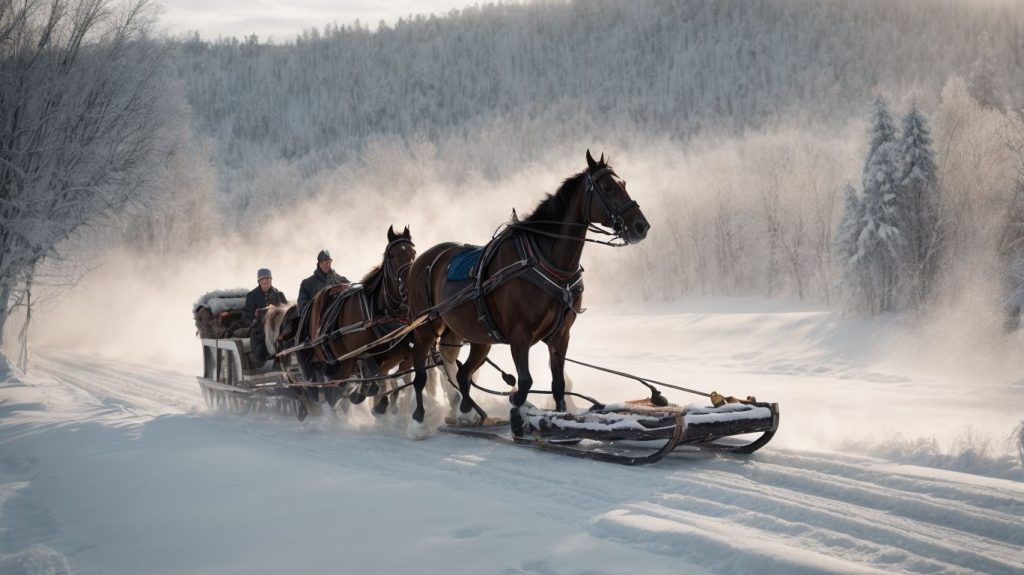
The Russian troika, a captivating symbol of Russian culture, holds a rich history and cultural significance. Originating as a mode of transportation, the troika has evolved into a prominent symbol in Russian folklore, art, and literature. This article will explore the origins of the troika, its historical use as a mode of transportation, and its symbolism in Russian culture. We will delve into the components of the troika, the different types of troikas, and its modern-day uses. We will address the safety concerns associated with the troika, including animal welfare, accidents, and regulations. Join us on this fascinating journey through the captivating world of the Russian troika.
Key Takeaways:
What Is The Russian Troika?
The Russian Troika is a traditional mode of transportation that symbolizes speed and grace, deeply rooted in Russian culture and history. It consists of a carriage drawn by three horses, typically used for postal deliveries, competitions, and cultural events.
Historically, the Russian Troika holds significant importance as it was not only a mode of transportation but also a representation of the spirit of unity and strength in Russia. This iconic form of travel dates back to the 18th century when it played a crucial role in connecting distant regions of the vast Russian empire, facilitating communication and trade. The rhythmic sound of the horses’ hooves and the swiftness of the troika became synonymous with the power and grandeur of the Russian nation.
In literature, the troika has been immortalized by renowned writers such as Nikolai Gogol in his novel “Dead Souls”. Gogol’s vivid descriptions of troika rides through the Russian countryside evoke a sense of exhilaration and evoke images of the vast landscapes of Russia. The troika is also celebrated in various cultural events and festivals as a symbol of tradition and pride, demonstrating its enduring significance in Russian heritage.
What Is The History Of The Russian Troika?
The history of the Russian Troika dates back to the 17th century when it was initially used as a swift and efficient mode of transportation, especially for postal services and official travel. Over time, it evolved into a cultural icon celebrated in literature, art, and national events.
Originating from the Russian word ‘troika’ meaning ‘three,’ this traditional horse-drawn sled was integral to the winter travel across the vast Russian landscapes. Initially, troikas were employed by the elite, and later became a symbol of Russian identity and folklore. The powerful imagery of the troika found its way into many works of literature and artistic expressions, immortalizing its significance in Russian culture. Notably, historical figures like Tsar Nicholas I and Peter the Great were associated with troikas, elevating its cultural reverence.
Origins Of The Troika
The origins of the Troika can be traced back to the reign of Peter the Great, who promoted its use for official travels and postal services. The Orlov Trotter, a breed known for its speed and endurance, became the preferred horse for troika teams, contributing to the vehicle’s prominence in Russian culture and history.
During its early adoption, the Troika gained immense popularity in Russia, especially in the vast terrains and harsh winters. Its association with specific regions, such as the Russian countryside, not only established the Troika as a practical mode of transportation but also embedded it in the cultural identity of the country.
The Troika’s significance in Russian history is evident in its role in various cultural events and celebrations. It has been prominently featured in traditional Russian folk songs, literature, and art, symbolizing swiftness, power, and the spirit of unity.
Addition to its use in official travels and postal services, the Troika also played a vital role in modernizing Russia’s transportation infrastructure. Its efficiency in covering vast distances made it essential in connecting different parts of the country, contributing to the growth and development of the nation.
Use As A Mode Of Transportation
The troika gained popularity as a primary mode of transportation for postal deliveries, official travels, and even leisurely rides in various regions of Russia, particularly in Vologda, Kostroma, and Yaroslavl. Its presence in the Russian Duma and portrayal in cultural festivals like Maslenitsa further solidified its cultural significance.
The troika, distinguished by its three-horse team pulling a carriage, played a pivotal role in enhancing the efficiency of postal services across vast expanses of the Russian landscape. It facilitated the swift delivery of mail and parcels, overcoming the challenges posed by rugged terrain and harsh weather conditions.
This iconic mode of transportation was not merely limited to functional purposes; it became a symbol of power and grandeur during official trips of dignitaries and members of the Russian aristocracy, exuding a sense of prestige and authority as it traversed the countryside.
Locally, the troika became deeply entrenched in Russian traditions and folklore, serving as a captivating spectacle during celebratory events and festivals. Its presence in Maslenitsa illustrates its enduring relevance and cultural exuberance, as communities come together to revel in the heritage that this timeless symbol represents.
Symbolism In Russian Culture
The troika holds a profound symbolic value in Russian culture, often depicted in literature, paintings, and music. It serves as a cultural emblem, embodying the spirit of speed, grace, and tradition, as evidenced by its portrayal in works by iconic figures such as Gogol, Kustodiev, and Prokofiev.
In literature, the troika symbolizes the unity of three, representing strength, cooperation, and harmony. Paintings often capture the troika in full gallop, highlighting its dynamism and vitality, while musically, the troika motif is incorporated in compositions to evoke a sense of movement and energy. The troika’s presence in Russian culture extends beyond mere transportation; it encapsulates the essence of unity, tradition, and collective determination, providing a rich source of inspiration for various artistic expressions.
What Are The Components Of The Russian Troika?
The Russian Troika comprises three horses harnessed together, pulling a sleigh, and steered by a skilled driver. The rhythmic jingle of bells and the ornate harnesses are also integral components that contribute to the troika’s visual and auditory splendor.
Each horse in the Troika ensemble plays a specific role. The lead horse sets the pace, followed by the middle horse, and the third horse brings up the rear. These horses are selected for their strength, endurance, and ability to work in unison.
The sleigh, or ‘creak’, is crafted with a curved bottom to glide smoothly over the snow, and typically features intricate carvings and colorful designs. This vehicle is a symbol of traditional Russian culture and transport, often adorned with elaborate patterns and lively paintings.
The driver is an essential figure, skillfully guiding the troika through its journey. Their expertise lies in maintaining control of the horses while navigating through varied terrains and swiftly reacting to changes in the environment.
Three Horses
The troika is propelled by a team of three horses, often Orlov Trotters known for their speed and endurance. Their coordinated movement and elegant harnesses contribute to the troika’s iconic imagery and historical significance.
The Orlov Trotters are specifically bred for their strength and agility, making them well-suited for pulling the troika’s weight as a team. Each horse is meticulously harnessed with specialized equipment, including ornate bridles and decorative bells, adding to the visual spectacle of the troika’s appearance.
While the leading horse sets the pace and direction, the side horses maintain balance and stability, working together to navigate various terrains. This setup enables the troika to traverse vast distances with remarkable speed and efficiency, symbolizing unity and harmony among the horses.
A Sleigh
The sleigh of the troika is a masterpiece of traditional craftsmanship, adorned with intricate carvings and embellishments. The rhythmic jingle of bells attached to the sleigh adds to the overall allure and cultural significance of the troika.
Each aspect of the sleigh’s design is a testament to the skilled artisans who meticulously crafted it. The sweeping curves and ornate details evoke a sense of elegance and grandeur, characteristic of traditional Russian craftsmanship.
The bells that adorn the sleigh are not merely for decoration, but carry cultural symbolism. In Russian folklore, the jingle of the bells is believed to ward off evil spirits and bring good fortune to the travelers.
The tradition of adorning the troika’s sleigh with bells dates back centuries, representing a blend of practicality and aesthetic expression, deeply ingrained in the cultural heritage.
A Driver
The driver of the Russian Troika is a skilled and experienced individual responsible for guiding the horses, ensuring smooth navigation, and maintaining control over the sleigh. The driver’s expertise and traditional attire further enhance the troika’s traditional charm and historical legacy.
The troika’s driver plays a pivotal role in ensuring the safety and efficiency of the troika ride. Their deep understanding of the horses’ behavior and the terrain is essential in navigating through varied landscapes and challenging weather conditions.
The driver’s traditional attire, often adorned with bright colors and historical significance, adds to the visual spectacle of the troika, reflecting the rich cultural heritage of Russia.
What Are The Different Types Of Russian Troikas?
The Russian Troika has evolved into different variations, including traditional, sporting, and modern troikas, each catering to specific purposes and preferences.
The traditional troika, steeped in history and tradition, is characterized by its iconic three-horse configuration, with the middle horse trotting and the outer pair galloping in unison. This classic setup embodies the essence of Russian folklore and transport, typically used for ceremonial and cultural displays.
On the other hand, sporting troikas emphasize speed and agility, often featuring lighter, more aerodynamic sleighs and highly trained horses for competitive races and exhibitions.
Modern troikas, influenced by technological advancements and contemporary preferences, may incorporate motorized vehicles or alternative means of propulsion while retaining the three-element composition. These adaptations cater to practicality and recreational motivations, bringing the enduring charm of the troika into the modern era.
Traditional Troika
The traditional troika embodies timeless cultural elegance, featuring the iconic Orlov Trotters, ornate harnesses, and melodious bells. It continues to symbolize grace, heritage, and the rich traditions of Russia, captivating both locals and visitors with its nostalgic charm.
The troika holds a significant place in Russian history, closely associated with the country’s passion for horsemanship and its vast snowy landscapes. Its formation, typically consisting of three horses in harness running side by side, represents a harmonious blend of speed, strength, and coordination.
Accompanied by the jingle of the bells and adorned with intricate embellishments, the troika splendidly showcases the artistic craftsmanship that reflects the meticulous attention to detail prevalent in Russian decorative arts.
For centuries, it has been an integral part of rural life, transporting people, goods, and even mail through the snow-covered terrain, playing a vital role in Russia’s transportation system.
Sporting Troika
The sporting troika is tailored for competitive events, exuding a dynamic blend of speed, agility, and modern craftsmanship. It represents the fusion of tradition and athleticism, attracting enthusiasts and participants to showcase the troika’s prowess in various competitions and sporting spectacles.
The troika exemplifies a harmonious synergy between precision engineering and athletic prowess, making it the preferred choice for speed-based competitions such as horse racing, chariot races, and sled-dog racing. Its sleek design and aerodynamic build allow it to navigate through challenging terrains with finesse, making it an essential asset in sports requiring quick maneuverability and dexterity.
The troika’s association with speed and agility extends beyond sporting events to cultural festivals and ceremonial processions, where it embodies the spirit of tradition and celebrates the rich heritage of equestrian and canine companionship. The troika’s adaptability and versatility have also found applications in modern recreational activities, adventure sports, and leisure pursuits, catering to a diverse audience seeking exhilarating experiences and dynamic performance.
Modern Troika
The modern troika reflects contemporary adaptations and innovations while preserving its cultural essence and historical legacy. Its versatility and relevance in modern times highlight its enduring role as a symbol of Russian tradition and cultural pride.
The troika, a unique and iconic element of Russian culture, has evolved to embrace contemporary influences without compromising its traditional roots. This three-horse sleigh, often adorned with ornate designs and colors, has become a visual representation of the blending of old and new in modern society. Beyond its aesthetic charm, the troika continues to captivate enthusiasts and spectators, showcasing a harmonious convergence between heritage and innovation.
What Are The Uses Of The Russian Troika Today?
The Russian Troika continues to be cherished in various capacities, serving as an attraction for tourists, a centerpiece of traditional celebrations, and a participant in competitive sporting events. Its presence embodies the enduring spirit of Russian cultural heritage and elegance.
As an attraction for tourists, the Russian Troika offers a unique and immersive experience, allowing visitors to witness the traditional mode of transport in Russia while enjoying the picturesque scenery. It holds a revered place as a centerpiece of traditional celebrations, such as maslenitsa (Butter Week) and other folk festivals, where its grandeur and historical significance add depth to the cultural experience.
The troika’s agility and strength have made it a symbol of excellence in competitive sporting events, featuring in:
- sled dog races
- horse racing competitions
- and special exhibitions
.
Tourist Attractions
The Russian Troika stands as a captivating tourist attraction, offering visitors a glimpse into Russia’s cultural elegance and historical heritage. Its presence at various tourist destinations underscores its enduring allure and its ability to evoke a sense of nostalgia and wonder.
Visitors are drawn to the troika’s historical significance and its representation of Russian tradition through its three-horse carriage, displaying the country’s rich cultural heritage with every rhythmic hoofbeat. This traditional mode of transportation not only offers a fascinating glimpse into the past but also showcases the timeless elegance of Russia’s history and folklore.
The troika’s poetic charm isn’t limited to its historical relevance; it serves as a living embodiment of Russia’s rich history and rural traditions, lending an air of authenticity to the nation’s cultural identity. Through this iconic symbol, visitors can witness Russia’s age-old customs and the enduring echoes of its legendary past.
Traditional Celebrations
In traditional Russian celebrations and festivals, the troika takes center stage, embodying cultural pride, elegance, and a link to the country’s rich heritage. Its presence infuses festive occasions with a sense of tradition and spectacle, captivating participants and onlookers alike.
The iconic image of three horses pulling a sleigh, with the middle horse in full gallop, evokes a sense of unity, strength, and harmony – reflective of the close-knit communities and the spirit of togetherness cherished in Russian culture. The troika symbolizes the timeless customs and values that have been passed down through generations, serving as a reminder of the enduring legacy of Russian traditions.
During festivals, the sight of beautifully adorned troikas racing across snow-covered landscapes or parading through streets creates an atmosphere of exhilaration and wonder. The rhythmic jingle of sleigh bells and the graceful movements of the horses enchant all who witness it, adding an extra layer of enchantment and joy to the festivities.
Competitive Sport
The troika demonstrates its prowess in competitive sports, participating in events that showcase its speed, agility, and the harmonious coordination between horses and driver. Its presence in sporting competitions adds a dynamic and captivating element, illustrating its enduring relevance in modern athletic pursuits.
These majestic three-horse teams exhibit remarkable speed and dexterity as they navigate through challenging racecourses, demonstrating exceptional fitness and athleticism. The synchronized movements of the horses and the driver exemplify a seamless partnership, highlighting the trust and coordination essential for success in competitive sports.
With their origins deeply rooted in traditional Russian culture, troikas embody a rich history of competitive racing, embodying the spirit of fierce determination and competitive drive. Their participation in various sporting events not only celebrates their historical significance but also showcases their adaptability and enduring prowess in contemporary athletic competitions.
What Are The Safety Concerns With The Russian Troika?

Credits: Horselife.Org – Gabriel Martinez
While the Russian Troika exudes cultural charm and historical significance, safety concerns regarding animal welfare, potential accidents, and the need for regulations and guidelines have also emerged. Addressing these issues is crucial to ensure the continued preservation and responsible usage of this iconic cultural symbol.
The welfare of the animals involved in the Troika, typically horses, is of paramount importance. Proper care, feeding, and rest are essential to ensure their well-being. Measures to prevent accidents, such as thorough training for drivers and regular maintenance of equipment, are imperative. Regulations and guidelines can play a vital role in establishing standards for animal treatment and safety protocols, thereby safeguarding both the heritage of the Troika and the well-being of the animals and participants involved. For more information on Russian Troika facts and history, please visit the Russian Troika Facts And History.
Animal Welfare
Ensuring the welfare of the horses used in the troika is paramount, demanding adherence to specific regulations and standards to protect their well-being and ensure responsible harnessing and driving practices. The preservation of the troika’s cultural heritage must align with ethical treatment of its equine participants.
It is essential to recognize that these majestic animals are not just tools for entertainment or transport, but living creatures that require care and consideration.
Animal welfare in troika activities should encompass monitoring their health, ensuring proper nutrition, and providing suitable rest periods to prevent exhaustion.
Regulations should encompass training and handling practices, emphasizing the importance of positive reinforcement instead of coercive methods to maintain the horses’ mental well-being.
Responsible practices also entail regular veterinary care, assessments to determine the horses’ suitability for troika participation, and measures to minimize any potential risks or injuries during performances.
Accidents And Injuries
The potential for accidents and injuries in troika-related activities necessitates a focus on safety measures, driver training, and adherence to safety protocols. Mitigating such risks is essential to preserve the troika’s cultural legacy while prioritizing the well-being of its participants and spectators.
Ensuring the safety of troika events involves comprehensive risk assessment and the implementation of strategic safety measures.
Driver proficiency in handling troikas, characterized by their three-horse teams and high-speed maneuvers, is crucial to reduce the likelihood of accidents.
Regular inspections and maintenance of equipment, such as sleds and harnesses, are imperative to prevent potential malfunctions that could lead to mishaps.
Education and awareness among participants and management of troika events contribute significantly to the proactive prevention of injuries, promoting vigilance and responsible conduct during practices and competitions.
The establishment of clear safety guidelines and protocols, in accordance with troika traditions and modern safety standards, enhances overall event safety.
Regulations And Guidelines
Establishing comprehensive regulations and guidelines for troika activities is essential to ensure the safety of participants, spectators, and the preservation of its cultural heritage. A balanced approach that respects tradition while prioritizing safety forms the foundation for responsible troika usage.
These regulations are vital in ensuring the well-being of both the human and equine participants, as they define safety standards for equipment, track design, and participant skill levels, ultimately minimizing the risk of accidents or injuries. Guidelines play a crucial role in the preservation of the troika’s cultural significance, asserting the necessary measures to honor, protect, and promote the historical and traditional elements inherent to these events.
Frequently Asked Questions
What is the Russian troika?
The Russian troika is a traditional three-horse sled used for transportation in Russia, particularly during the winter months. It was a popular mode of transportation from the 17th century until the 20th century.
What is the history of the Russian troika?
The Russian troika has a long history, with evidence of its use dating back to the 17th century. It was initially used by the Russian aristocracy for transportation and later became a popular mode of transportation for farmers and merchants.
How did the Russian troika get its name?
The word “troika” comes from the Russian word “тройка” which means “three”. This refers to the three horses that were traditionally used to pull the sled.
What were the traditional uses for the Russian troika?
The Russian troika was primarily used for transportation, but it was also used for leisurely rides and as a status symbol for the wealthy. It was also used in races, with skilled drivers showing off their speed and agility.
What are some interesting facts about the Russian troika?
– The horses used for the troika were specially trained and groomed and were often considered prized possessions.
– The troika was typically driven by a skilled driver who would use a series of whips to guide the horses.
– The troika was often decorated with colorful and ornate designs, showcasing the wealth of the owner.
– The troika was featured in many Russian folktales and songs, highlighting its importance in Russian culture.
Is the Russian troika still used today?
While the Russian troika is no longer used for transportation, it is still used in traditional celebrations and events. It is also a popular attraction for tourists, who can experience a ride in a troika and learn about its history and significance.

