

The Art of Riding an Andalusian for Competitive Dressage
Andalusian dressage holds a special place in the world of competitive equestrian sports. This discipline showcases the grace and power of the Andalusian horse, known for its spirited nature and elegant movements. Equestrians often seek these qualities for their performances. With strong musculature, a refined appearance, and agility, the Andalusian is particularly well-suited for the art of dressage.
These horses exhibit a natural talent for rhythm and balance, essential traits for any successful performance. Their intelligence plays a crucial role as well, as they can learn complex exercises with relative ease. In the competitive arena, this combination of beauty and skill attracts both judges and spectators alike. Success in dressage, however, does not solely depend on the horse’s attributes. Experienced riders must develop effective techniques to build a harmonious partnership with their Andalusians.
riding techniques are vital in achieving success in competitive riding. A rider must understand how to communicate effectively with their horse. Subtle movements of the reins, legs, and body can influence the horse’s actions significantly. With patience and practice, riders can harness the potential of their Andalusians, creating performances that resonate with clarity and artistry.
This partnership thrives on trust and mutual respect. As riders delve deeper into the complexities of dressage, they uncover the rich history and tradition of the Andalusian breed. This heritage adds another layer of significance to the discipline. Competing is not only about winning ribbons but also about celebrating the bond between horse and rider.
Understanding the Andalusian horse

The Andalusian horse stands out in the world of competitive dressage. Known for its elegant movement and striking appearance, this breed has a rich history rooted in the Iberian Peninsula. Originating from Spain, Andalusians were originally bred for versatility. They served in various roles including war mounts and cattle herders.
Physical traits contribute significantly to their unique abilities. Andalusians typically possess a compact, muscular build that enhances their agility. Their long necks and well-defined withers allow for remarkable balance. These features play a crucial role during complex movements in dressage, such as pirouettes and changes of lead.
Temperament is another defining characteristic of this breed. Andaluisians are known for their calm and gentle nature. This temperament makes them well-suited for the focused discipline of dressage. Horses that are more relaxed and willing create a productive partnership with their rider. Trust and communication are pivotal in competitive environments.
Movement is where the Andalusian truly shines. Their natural ability to collect and extend sets them apart from other breeds. The animation in their gaits captivates judges and audiences alike. This captivating stride, paired with natural suspension, allows for impressive performances. Each step showcases their strength and athleticism.
Understanding the biomechanics of the Andalusian is vital for riders. The horse’s body structure encourages effective energy use. With proper training, riders can optimize this energy, facilitating powerful movements. Each exercise demands a different combination of strength and finesse, and this breed excels in adapting to those needs. Competing at high levels requires a deep understanding of these dynamics.
The Andalusian is more than just beautiful; it is a partner that requires dedication and skill. Successful riders connect with their horses on multiple levels. Mutual respect and understanding create a harmonious relationship, essential for success in dressage. Observing these incredible animals in action reveals their artistry and grace.
Essential riding techniques for Andalusian dressage
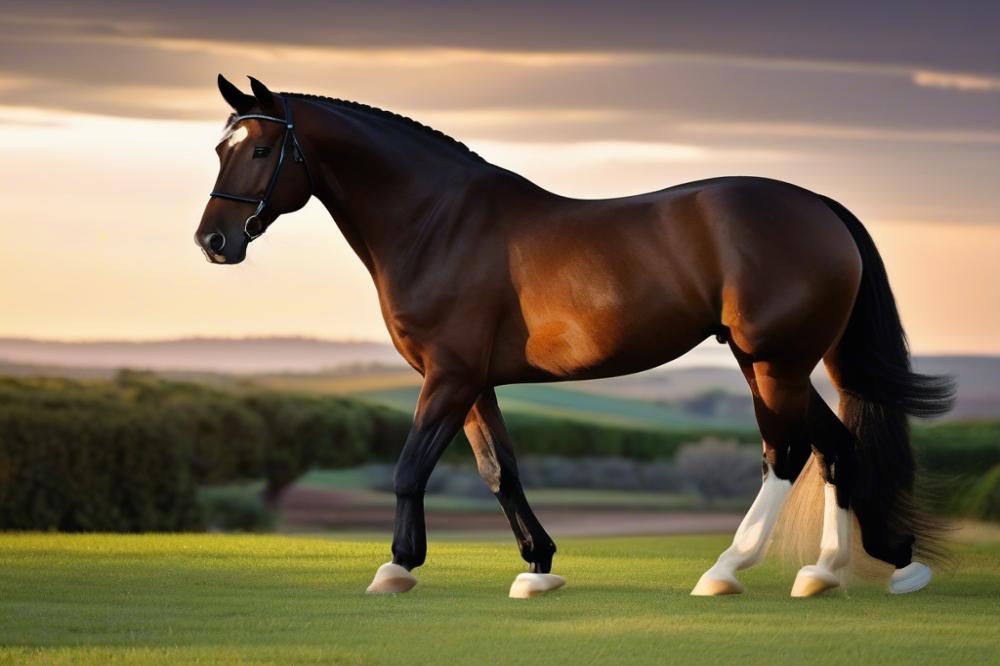
Riding an Andalusian horse for dressage requires specific techniques that help both horse and rider excel. The balance and posture of the rider play a critical role in appealing performances. Maintaining an upright position, with relaxed shoulders and aligned hips, is important. A balanced seat allows the rider to influence the horse more effectively.
Effective use of aids is another vital aspect. Riders must communicate clearly with their legs, hands, and voice. Subtle movements can create a world of difference. For instance, using the legs to ask for transitions or more engagement helps in achieving fluid movements. Hands must remain steady, providing gentle guidance rather than force. This fosters a deeper trust between the horse and rider.
Cues should be precise and consistent. Horses thrive on repetition and learn to respond to familiar signals. This consistency builds reliability. An Andalusian is known for its responsiveness, and riding can highlight this trait. Therefore, a rider must ensure their signals are distinct and understandable.
Beyond just function, these techniques enhance the overall connection between horse and rider. Good posture allows the rider to move in harmony with the horse. As balance improves, so does the ability to influence the horse’s movements. The interplay between the two becomes a true partnership. The more effective the communication, the smoother the performance. Each technique contributes significantly to the overall success in competitions.
Every aspect of riding influences how the horse responds. Keen awareness of the body and surroundings can transform the training experience. Using body weight shifts can indicate a change in direction or pace. This can be particularly effective with Andalusians, as they are highly attuned to their riders. The subtlety involved can be astonishing.
Finally, each ride should feel like a dialogue between horse and rider. The combination of techniques fosters mutual understanding. As riders refine their skills, they gain a deeper appreciation for the animal’s abilities. This connection is essential for achieving excellence in dressage.
dressage training Strategies

Training an Andalusian horse for competitive dressage requires a well-structured approach. Riders must focus on creating a solid foundation before attempting advanced maneuvers. Each phase of training builds upon the last, ensuring progress is steady and thoughtful.
Starting with basic movements, emphasis is placed on skills like walking, trotting, and cantering. These gaits should be smooth and controlled. Exercises such as circles and serpentines help develop balance and flexibility. Transitions between these gaits are crucial. Practicing them often builds responsiveness in the horse.
Once the basics are established, riders can introduce more challenging tasks. Lateral movements like shoulder-in and haunches-in enhance the horse’s suppleness and coordination. They also improve the rider’s understanding of the horse’s body. Engaging in groundwork can make a significant difference. It helps to strengthen the bond between horse and rider.
Advanced Techniques
After mastering the fundamentals, attention turns to advanced skills. Movements like the canter pirouette and piaffe require great precision. They demonstrate the horse’s athletic ability and training. Exercises that focus on collection are essential at this stage. Making slight adjustments to a horse’s frame helps to achieve the desired results.
Integration of classical dressage principles remains vital throughout all stages. Riders should prioritize harmony and communication. Establishing a rhythm between horse and rider creates a trusting relationship. This bond fosters both confidence and clarity, which are essential for success in competition.
Utilizing pole work can enhance strength and coordination. Setting up poles in various formations challenges a horse and rider team. This method keeps training interesting while improving skills. Additionally, incorporating age-appropriate exercises maintains the horse’s enthusiasm and engagement.
Finally, routine evaluations of progress are important. Regular feedback aids in identifying strengths and areas for improvement. Both horse and rider should remain adaptable to changing needs. When riders respect their horse’s individuality, training becomes more effective and fulfilling.
Competition Preparation
Preparing for a dressage competition with an Andalusian horse requires careful planning and focused training. The first step is to establish a solid mental approach. Riders need to visualize their performance. Picture the test movements flowing together. This kind of mental rehearsal can build confidence. Stress and nerves can easily sneak in. Keeping a positive mindset helps counteract these feelings.
Fitness is another vital component. Both horse and rider need to be in peak condition. Daily workouts should combine strength training and endurance. Lunging sessions help build muscle and flexibility. Regular exercises focused on stamina improve overall performance. Attention to diet is also critical. Well-nourished horses perform better and recover faster.
Practicing the specific test movements is essential. Rehearse each part of the test multiple times. Focus on accuracy and timing. Each transition between movements should feel smooth and natural. Working with a trainer can provide valuable feedback. They can point out areas that need improvement, ensuring that both horse and rider are ready.
Consistency plays a key role in training. Establishing a routine allows the horse to anticipate what comes next. Regular practice builds a deeper bond between horse and rider. Small, daily improvements lead to significant gains over time. Sticking to a schedule helps in managing the pressure leading up to the event.
On the day of the competition, preparation doesn’t stop. Earlier in the day, it’s crucial to warm up the horse properly. Warm-ups should mimic the movements from the test. This helps the horse feel relaxed and focused. Taking a few quiet moments to breathe can calm nerves. Staying composed is not only beneficial for the rider but also for the horse.
Setting realistic goals before the competition creates a positive mindset. Remember that every competition is a learning experience. The combination of mental strength, fitness, focused practice, and a stable routine ultimately leads to success. It’s about the journey rather than simply achieving a score.
Show Performance Techniques
Performing well in competitive dressage involves many elements. Rhythm plays a crucial role in the overall presentation. This quality allows movements to flow seamlessly, creating an impressive picture for the judges. An Andalusian horse, known for its graceful movements, thrives in an environment where rhythm reigns. Maintaining tempo is essential for both horse and rider.
Harmony between horse and rider is another key aspect. When both partners are in sync, they create a captivating performance. Every cue from the rider should match the horse’s natural rhythm. Trust is built through practice, and significant time must be dedicated to developing this bond. Ride with confidence, and your horse will sense that assurance.
Precision is vital in dressage. Each movement, from halts to changes of pace, must be executed with accuracy. Even slight deviations can impact scores. Riders should focus on clear communication with their horses. Anticipate each transition well in advance. This preparation will result in a polished routine.
Nerves often accompany show day. Handling these feelings is as important as practicing the routine. Deep breathing can help calm anxiety. Visualize the performance going smoothly before entering the arena. Imagine every movement flowing perfectly. This mental exercise can greatly enhance focus.
On show day, maximizing success isn’t just about riding well. Arriving early helps establish a sense of calm. Give yourself time to warm up and connect with your horse. A relaxed approach allows for better execution during the performance. Make sure your tack is secure and everything is in order before entering the ring. Preparation leaves less room for last-minute surprises.
Moreover, remember to enjoy the experience. Competitions provide a chance to showcase the hard work and dedication put into training. Rather than viewing each show as a test, consider it an opportunity to perform. Celebrate the achievements, no matter how small, and learn from any missteps.
Final Thoughts on Riding an Andalusian for Competitive Dressage
The journey of mastering the art of riding an Andalusian horse is one filled with challenges and rewards. Effective riding techniques form the foundation of a successful partnership between horse and rider. They can make a significant difference in performance, as precision and timing are crucial in executing complex movements. Every rider should prioritize ongoing education in these techniques.
Thorough training is vital. This includes not only developing the horse’s natural abilities but also enhancing the rider’s skills. Regular practice helps build not just physical strength but also confidence. Understanding the nuances of this breed is essential, as the Andalusian’s unique characteristics contribute to its grace in competitions.
Preparation cannot be overstated. Mental readiness plays an important role alongside physical training. Riders must stay focused and calm in the arena, especially during competitive events. Planning routines and practicing diligently help to solidify each element, ensuring that performances are smooth and polished.
Ultimately, appreciation for the beauty and artistry of this discipline enhances the riding experience. Observing the elegance and power of the Andalusian horse in motion is nothing short of breathtaking. Engaging fully in the nuances of dressage training enriches not only the competition but also the bond between rider and horse. This journey is as much about personal growth as it is about winning. Celebrate every step of the way!

