
Introduction
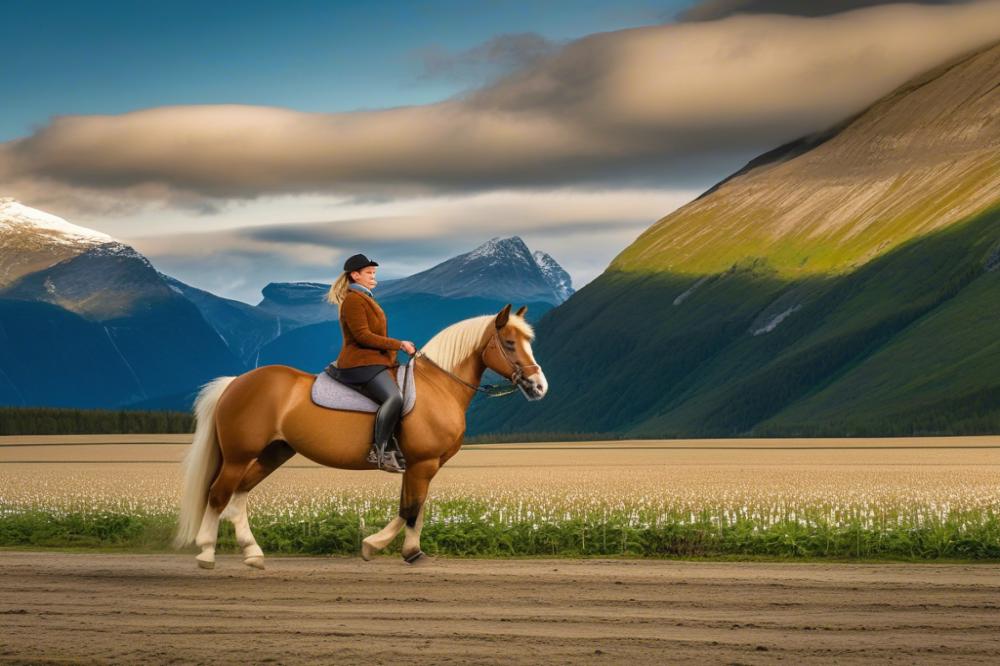
The Fjord Horse is a remarkable breed known for its distinctive appearance and strong physique. Originating from Norway, this animal is a reliable partner in various agricultural tasks. Their calm temperament and strength make them well-suited for work on farms, where they excel in tasks like plowing and hauling loads.
riding techniques are crucial for anyone working with these horses. Proper control and communication between rider and horse can greatly improve efficiency on the farm. Understanding how to direct and support the Fjord Horse ensures both safety and productivity, which is important for successful Agricultural Work.
Using Fjord horses in sustainable farming offers numerous advantages. They help reduce reliance on machinery, promoting a more eco-friendly approach. Additionally, their ability to navigate varied terrain makes them incredibly valuable for small-scale farms that prioritize land preservation.
Understanding the Fjord Horse
Characteristics of Fjord Horses
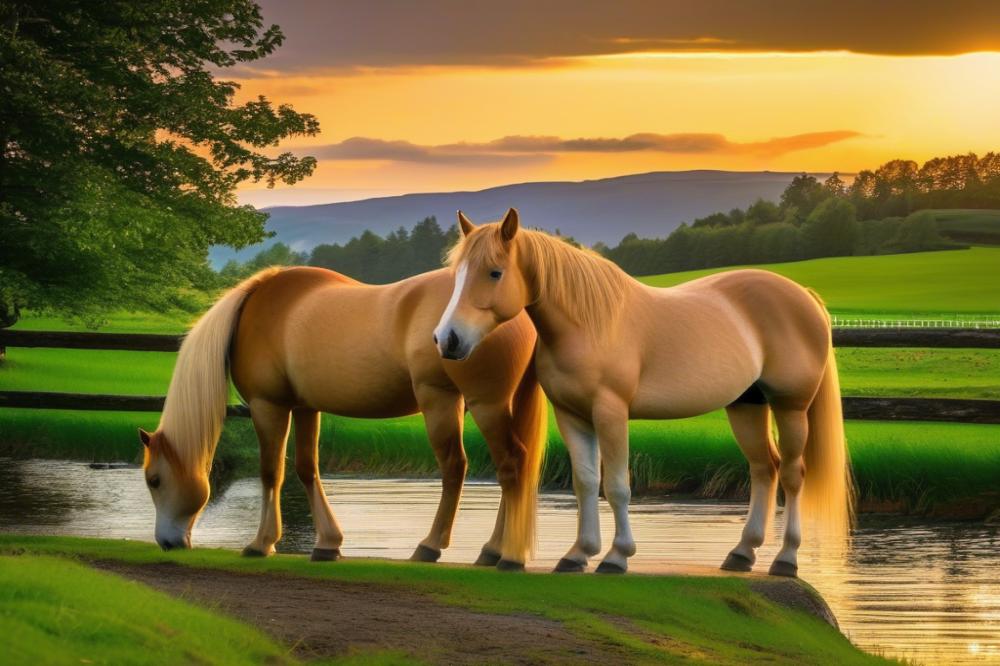
Fjord horses are known for their strong build and thick manes. These animals typically stand between 13 to 15 hands tall. Colors vary, but shades of dun are the most common, often with characteristic dorsal stripes. Their stocky structure helps them carry heavy loads. Additionally, they possess a calm demeanor, which makes them easy to handle. Many people appreciate their friendly nature and strong work ethic.
Their Unique Strengths and Abilities for farm work
When it comes to farm tasks, these horses shine. They have incredible stamina and can work for long periods without tiring. Pulling plows or carts is a natural fit for their muscular frames. Their sure-footedness allows them to traverse difficult terrains with ease. Many farmers find this breed reliable in diverse weather conditions. A calm attitude often helps with stressful situations on the field. Overall, they are well-suited for numerous agricultural chores.
Historical Context of Fjord Horses in Agriculture
The history of these horses stretches back centuries. Originating in Norway, they played a significant role in farming life. Fjord horses were essential for plowing fields and transporting goods. Their size and strength were advantageous in harsh conditions. This breed has remained popular due to their adaptability. Many modern farms still utilize them, showcasing their long-standing importance. Understanding this history enriches appreciation for their value in Agricultural Work.
Essential riding techniques for Fjord Horses
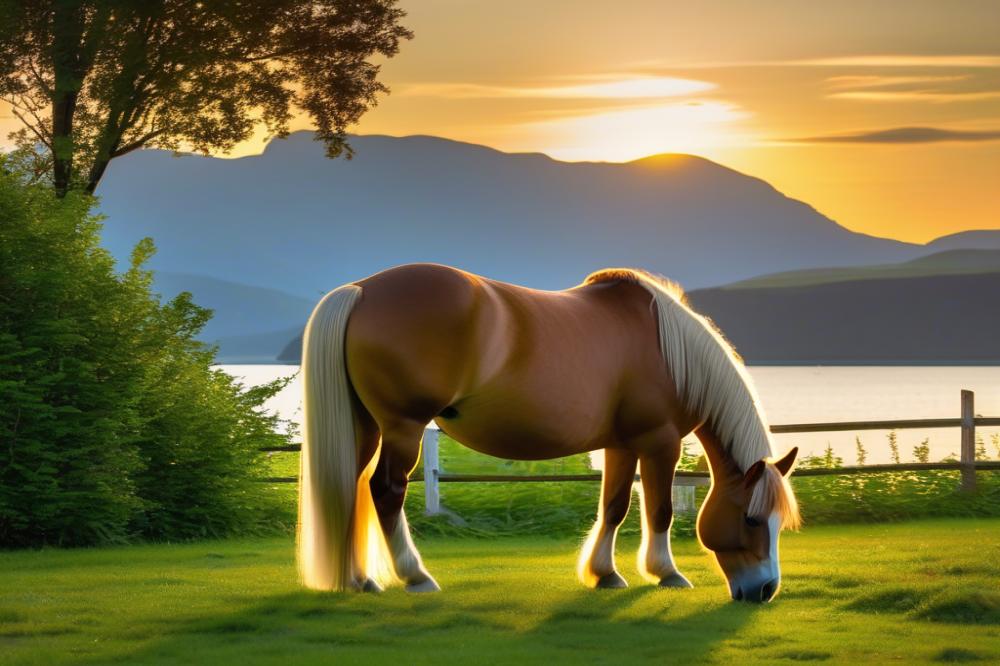
Riding a Fjord horse for agricultural work requires specific techniques. Understanding how these animals respond to cues is important. Their calm demeanor is helpful, but it also means you must remain attentive. A soft approach leads to better results.
Balance plays a vital role. Staying centered in the saddle allows for smoother movements. Keep your shoulders back and your weight evenly distributed. This posture enables the horse to respond comfortably to your signals. Avoid leaning too far forward or backward; slight shifts in weight can confuse them.
Posture affects how your horse behaves under you. An upright stance gives the horse confidence. It becomes clear that you are in control. Flexibility is key, allowing your body to move with the horse’s movements. When your body is aligned correctly, your Fjord is more likely to remain focused on its task.
Effective Communication with Your Horse
Communication is about more than just reins and legs. Body language is equally significant. Subtle shifts and soft cues will help develop trust. Every interaction builds a bond that can improve performance in the field. Use gentle squeezing of the legs to ask for motion. Keep your hands steady on the reins while maintaining a soft grip.
Verbal commands can also aid communication. Clear, consistent words help your Fjord understand what you want. Phrasing matters; each command should be distinct. This makes it easier for the horse to learn and remember your commands. Always praise good behavior to reinforce positive responses.
Patience is essential when developing these skills. Every horse is different, and understanding your Fjord’s temperament will take time. Building a solid relationship promotes effective communication. Experiment with different approaches and find what works best for you both.
Training Your Fjord Horse for Agricultural Efficiency

Basics of horse training for farm work
Training begins with building a foundation of basic commands. Start with simple cues like “walk,” “trot,” and “stop.” Consistency is crucial. Use clear voice signals and body language. Patience helps create a calm learning environment. Regular, short sessions keep the horse engaged. Daily routine allows your horse to anticipate tasks, making work smoother.
Introduce farm equipment gradually. Horses may feel uncertain at first. Allow the horse to sniff and explore unfamiliar tools. This familiarization reduces anxiety. Reinforce positive behavior with praise and rewards. Each step forward can deepen your bond. Establishing a good routine aids in developing skills that benefit agricultural tasks.
Techniques to enhance equine strength and endurance
Strength-building exercises are essential. Implement hills or uneven terrain during rides. This workout helps develop muscles effectively. Lunging is another method to improve fitness. It builds endurance and teaches the horse to respond to commands without a rider. Remember to progress slowly to avoid strain.
Utilizing weight pulling can maximize strength training. Start with lightweight loads and gradually increase as your horse builds capability. Regular breaks during exercises prevent fatigue. Observing your horse’s body language is important. Signs of tiredness, like a lowered head, indicate it’s time to pause. Long, slow rides help improve stamina over time.
Developing trust and partnership between horse and rider
Building trust takes time and patience. Spend quality moments with your horse outside of work. Grooming sessions promote relaxation and connection. Use a calm voice and gentle touch to instill confidence. Horses respond well to emotional cues. Engaging positively encourages improved partnership.
During work, strive for open communication. Ensure your horse understands commands clearly. Be attentive to any signs of discomfort or confusion. Listening helps strengthen the relationship. Celebrate small victories together to create a sense of accomplishment. This mutual respect fosters a strong bond. Forming a team with your horse leads to remarkable agricultural efficiency.
Sustainable Farming and the Role of Working Horses
Using working horses in agriculture aligns well with sustainable farming practices. These animals contribute in ways that machines cannot fully replicate. Fjord horses are particularly suited for this role due to their strong build and calm demeanor. Their ability to navigate rough terrains without damaging the soil is a significant asset. Unlike heavy machinery, these horses do not compact the ground, which helps maintain soil health.
Animal husbandry benefits greatly from the inclusion of working horses. They bond well with farmers and can be integrated into daily routines smoothly. This companionship fosters a connection that enhances the overall work environment. Additionally, engaging with these animals often leads to more mindful farming. A farmer using a horse may learn to appreciate daily tasks in a way that is easily lost in the hustle of modern machinery.
Comparing traditional horse power to contemporary equipment reveals interesting differences. Modern machinery is undeniably efficient, but it comes with its drawbacks. Fuel costs are rising, and maintenance can become a significant burden. Furthermore, tractors and other machines can be noisy and intimidating to livestock. Horses, on the other hand, present a quieter and more calming presence on the farm.
Certain challenges exist when relying solely on technology. Machines require fuel, repairs, and often come with a hefty price tag. This can be a deterrent for small-scale farmers looking for economical options. In contrast, the initial investment in a working horse may pay off over time through improved soil and animal health. A farmer can establish a more harmonious working environment, balancing natural and mechanical methods.
Safety Considerations and Best Practices
Safety Tips for Riding Fjord Horses in Agricultural Settings
When working with horses in agricultural areas, safety should always be a priority. Always wear a properly fitted helmet while riding. This can protect you in case of any unexpected movements. It is also wise to avoid riding alone. Having someone nearby can provide assistance if needed.
Keep an eye on your surroundings. Watch out for uneven ground, obstacles, and other animals. These can pose risks to both you and the horse. Make sure that all equipment is in good condition before heading out. Broken tack can lead to accidents that may be avoided.
Always approach a horse calmly. Sudden movements can startle them. Speak softly to reassure the horse as you approach. This builds trust and reduces the chance of accidents.
Best Practices for Caring for Working Horses
Work horses need daily care. Provide them with clean, fresh water at all times. Good hydration is essential for their health, especially during long work hours. Regular grooming is also a must. This helps to check for injuries and keeps their coat in good condition.
Feeding a balanced diet is crucial. Consult with a veterinarian or equine nutritionist to determine appropriate feed for your horse’s workload. Regular turnout in a safe area allows them to stretch their legs. It also provides mental stimulation which is beneficial.
Building a bond with your horse improves behavior and cooperation. Spend time together outside of work. Simple activities, like walking or grooming, can strengthen your relationship.
Importance of Regular Veterinary Care and Health Checks
Regular veterinary visits are key for maintaining a healthy horse. Schedule routine check-ups for vaccinations and dental care. Hoof health is equally essential; ensure a farrier checks their feet every six to eight weeks. These steps can prevent serious health issues down the road.
Watch for any changes in behavior or physical condition. Reduced energy, changes in appetite, or signs of discomfort should prompt a visit to the vet. Being proactive about health can keep your working horse in top shape.
Involvement in your horse’s health not only keeps them fit but also enhances their performance. Healthy horses are more resilient to work demands. This allows them to be more productive and reliable partners in the field. Prioritizing veterinary care and regular health checks pays off in the long run.
Final Thoughts
Recapping the key points discussed in this article highlights the importance of technique when riding these sturdy animals. Understanding how to effectively communicate with your horse sets the foundation for successful farm work. Proper riding not only improves efficiency but also builds a strong bond between horse and rider.
Incorporating the right balance and cues while on the saddle can unlock the full potential of the Fjord horse. Gentle guidance allows these remarkable creatures to excel in various agricultural tasks. Whether it’s plowing or transporting goods, skilled riders can optimize their contributions on the farm.
Recognizing the benefits of good riding habits is essential. Careful attention to posture and rhythm increases control. Riders should practice patience and consistency, reinforcing trust with each session. This approach fosters a productive partnership that stands the test of time.
Exploring the advantages of working with these incredible animals opens up new possibilities. Engaging in horse riding offers not just physical labor, but also a chance to connect with nature. Embrace the journey, and let the Fjord horse help you discover the rewarding experience that comes from working together.

