

Introduction
Crossbreeding is a method used in agriculture and animal husbandry to create new breeds or enhance existing ones. In the context of horses, this practice involves breeding two different breeds to produce offspring with desirable traits from both parents. The main goal is often to improve performance, temperament, or physical features. Breeders aim to combine strengths and reduce weaknesses found in individual breeds.
This process can create exciting possibilities in equine Genetics. Many horse owners and breeders believe that mixing breeds can lead to a more versatile horse, capable of excelling in various disciplines. From dressage to jumping, a crossbred horse might outperform its purebred counterparts in specific areas. Such enhancements can be essential for competition and recreational purposes alike.
Understanding the significance of Crossbreeding in breeding practices is crucial. It allows for innovation within the equine world. The blending of characteristics may increase genetic diversity, which can be beneficial for the overall health of horse populations. By exploring these genetic combinations, breeders seek to produce animals that meet the demands of modern equestrian sports and hobbies.
Understanding Crossbreeding
What is crossbreeding?
Crossbreeding involves mating two different breeds of animals. The goal is to combine desirable traits from each breed. This method can lead to offspring that possess characteristics neither parent has fully. Farmers and breeders often explore this for various purposes, such as improving health, strength, or appearance in animals.
Difference between crossbreeding and selective breeding
Selective breeding focuses on mating individuals within the same breed. This method aims to highlight specific traits over generations. In contrast, crossbreeding introduces genetic diversity by mixing different breeds. While selective breeding retains traits, crossbreeding can result in entirely new qualities. Each approach has its benefits. Selective breeding may produce predictable results. Crossbreeding can yield surprises that might enhance vitality and adaptability.
Techniques used in horse crossbreeding
Breeders often use various techniques when working with horses. Artificial insemination is a common method. This technique allows for the mixing of sperm from one stallion with a mare from another breed, increasing genetic options. Another approach is embryo transfer. In this process, veterinarians can implant embryos from one mare into the uterus of another. This method also helps in enhancing genetic diversity.
Natural breeding remains a straightforward technique. It involves directly mating the selected horses to produce offspring. Each of these methods serves a different purpose, depending on the desired outcome. Understanding these techniques provides insight into the complex world of animal breeding.
Pros of Crossbreeding
hybrid vigor and its implications
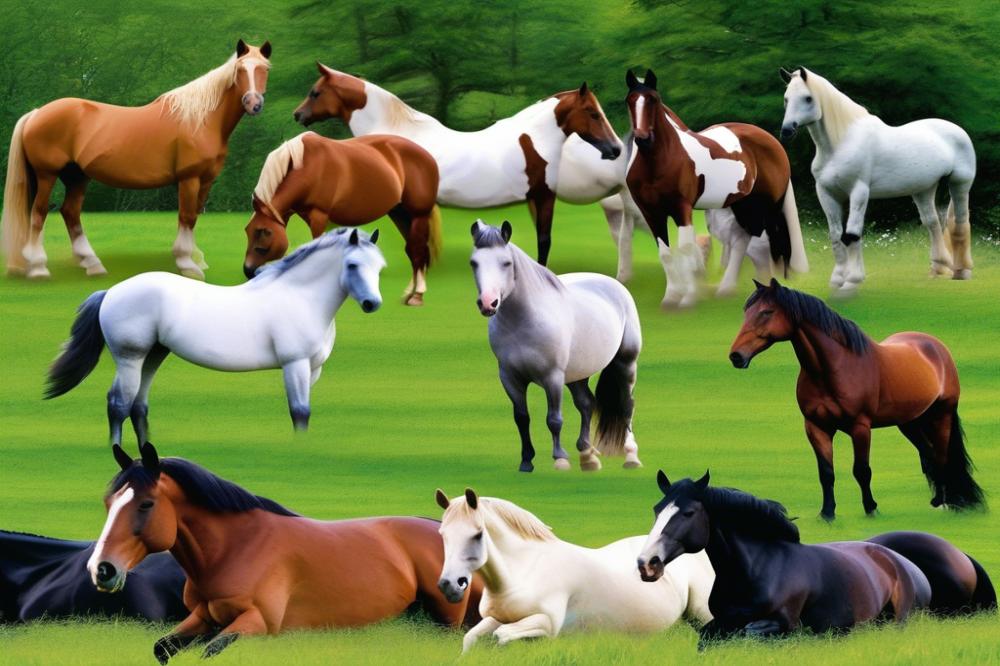
hybrid vigor, also known as heterosis, occurs when two different breeds are mixed. This phenomenon often leads to offspring that are stronger and more robust than their parents. Healthier individuals tend to emerge because they combine the best traits of both parents. Such advantages can translate into better performance in various activities, whether for work or competition. The implication of this vigor is significant, especially for those breeding animals for specific purposes.
Enhancing genetic diversity in horse populations
Introducing new breeds can greatly enhance the genetic diversity within populations. A broader gene pool is vital for the overall health of a species. Genetic diversity helps prevent issues like inbreeding depression, which can lead to health problems and lower fertility rates. Ensuring that horse populations remain diverse contributes to their adaptability in different environments. A diverse gene pool also fosters resilience against diseases.
Improving traits through strategic combinations
Carefully selecting parent breeds allows for the enhancement of specific traits. Breeders can target particular qualities, such as speed, temperament, or stamina. By mixing breeds known for those traits, they can create offspring that excel in desired areas. This strategy benefits not just breeders but also consumers looking for horses that meet specific needs. Improved traits can lead to better satisfaction for owners and better outcomes in various tasks.
Disease resistance and adaptation to environmental changes
Crossbreeding can lead to greater disease resistance in offspring. Mixing different breeds can introduce genes that make animals less susceptible to certain ailments. This resistance can be crucial as diseases evolve and change over time. Moreover, hybrid animals may adapt better to varying environmental conditions. In a world where climate change poses challenges, this adaptability is becoming increasingly important for survival.
Cons of Crossbreeding
One significant drawback is the potential loss of breed-specific traits. Purebred horses possess characteristics that define their breeds. When different breeds are mixed, some of these features may be diluted or lost altogether. This loss can affect performance, appearance, and temperament.
Managing hybrid horses presents its own set of challenges. Breeders may have a harder time predicting the offspring’s behavior and physical traits. Each hybrid horse can vary widely, leading to uncertainty in training and handling. This unpredictability can frustrate owners and complicate care.
Genetic issues and health concerns often arise with crossbred animals. Mixing breeds can sometimes bring genetic disorders to the forefront. These hidden problems may not show up until later in life, affecting the horse’s overall well-being. Potential owners should be vigilant about health screenings and genetic testing.
Unintended consequences can derail specific breeding goals. Aiming for certain characteristics, breeders might end up with unexpected traits. This can lead to confusion and disappointment when the offspring do not meet the initial expectations. Adjusting breeding plans can be time-consuming and costly.
Crossbreeding in Agricultural Context
Role of Crossbreeding in Crop Improvement
Crossbreeding can significantly enhance crops. This method combines traits from different varieties. Farmers often seek improved yields and resistance to disease. By mixing genes, plants can gain desirable features from both parent types. For instance, some crops can grow faster or withstand harsh weather better. These advantages make food production more efficient. Increased nutritional content may also result from these practices. This can directly benefit consumers. Ultimately, improved crops can lead to higher profits for farmers.
Comparison with Animal Breeding Practices
Comparing animal breeding to crop improvement reveals interesting similarities. Both practices aim to create offspring with better qualities. Farmers may look for traits like size, health, or temperament in livestock. In plants, traits often focus on yield and resilience. Breeders in both areas monitor which combinations work best. However, the methods may differ. Plants can reproduce quickly through seeds, while animals often require longer gestation periods. These differences impact how efficiently breeders can achieve their goals.
Impact on Livestock Management and Sustainability
Livestock management benefits greatly from careful breeding techniques. Healthy animals can lead to more sustainable farming practices. Stronger animals may require less medical care, lowering costs for farmers. Additionally, well-bred livestock may produce more milk, meat, or eggs. This can help meet food demands. Sustainable practices also encompass the responsible use of resources. Crossbreeding can help maintain an ecological balance. Farmers who focus on good breeding will notice improved productivity over time. Greater efficiency allows for a more stable food supply, supporting communities.
Case Studies and Examples
Successful Crossbreeding Stories in Horses
Crossbreeding in horses has produced notable success stories. Many breeders have created hybrids that excel in different areas. For instance, the Arabian horse, known for stamina, has been crossed with Thoroughbreds. The resulting offspring often showcase exceptional endurance and speed. These combinations have led to horses that perform well in various disciplines.
Show jumping and dressage have also benefited from these crossbreeds. Many riders appreciate the agility and intelligence inherited from these unique pairings. Horses like the Warmblood breed stand as a testament to this. Their versatility makes them popular among competitive equestrians. Breeders have found that selecting certain traits can lead to remarkable performance improvements in these animals.
Impact on Performance and Usability
The effects of mixing breeds often extend beyond simple measurements of speed. Riders frequently comment on enhanced temperament and trainability. Crossbred horses tend to have a blend of characteristics that make them easier to handle. This adaptability makes them suitable for a range of activities. Some may excel in shows while others shine in leisure riding.
Moreover, many performance metrics reveal promising results. Jumping height and canter quality are common points of discussion. Breeders focus on specific traits to create horses that perform well in competitions. This focus has led to a rise in popularity for versatile breeds. Riders find that these animals can transition seamlessly from one discipline to another.
Insights from Breeders and Veterinarians
Breeders often share valuable insights into the process. Many emphasize the importance of genetic diversity. A wider gene pool can increase the chances of healthier offspring. Vets frequently support this idea, noting the benefits of hybrid vigor. Healthy animals typically have fewer health problems, which is a significant advantage.
Communication between breeders and veterinarians is crucial. It helps ensure the best practices are followed. This collaboration can lead to better choices regarding which breeds to combine. Recommendations often include monitoring the health and traits of both parent breeds. These steps can improve the overall quality of the crossbred horses.
Veterinarians also highlight the need for proper care post-breeding. Understanding the distinct needs of each hybrid is key. Regular check-ups can help catch potential issues early on. These professionals play an essential role in supporting the breeding process. Insights from their experiences can guide future breeding decisions.
Ethical Considerations
Animal welfare in crossbreeding
Animal welfare is a crucial concern when engaging in crossbreeding. Many animals may face health risks due to genetic mixing. Some breeds can inherit serious diseases from their parents. An animal’s quality of life must be a priority. Understanding the potential risks is key to responsible breeding.
Furthermore, breeders should pay attention to the living conditions of the animals. Stressful environments can lead to various issues, both physical and mental. Regular veterinary checks can help maintain animal health. Each decision made during breeding impacts the well-being of animals. It is important to approach this practice with compassion.
Maintaining standards in breeding practices
Maintaining high standards in breeding practices is vital. Poor practices can lead to unpredictable results. Ethical breeders follow strict guidelines to ensure the health of their breeds. Transparency in breeding processes helps build trust with the public. Certification programs can provide a framework for ethical breeding. Keeping records of breeding history can aid in monitoring potential health issues.
Educating breeders on best practices also improves overall outcomes. Workshops or training sessions can cover essential topics. The focus should be on producing healthy and well-adjusted animals. Numerous organizations exist to support ethical standards in the breeding community. Collaboration among breeders can raise the level of care across the board.
The balance between innovation and tradition
Balancing innovation and tradition is challenging in the world of breeding. On one hand, new techniques can lead to advancements in animal characteristics. On the other, tradition holds valuable knowledge and practices that benefit the animals. Some might argue that attempting to create new breeds disregards heritage. However, innovation can also enhance positive traits or reduce genetic problems.
It is essential to respect established practices while exploring new ideas. The future of animal breeding requires both past wisdom and modern technology. Each step taken should be well thought out to avoid potential harm. Listening to both sides of the debate is important. Open discussions can lead to better understanding and informed choices. Striving for a harmonious blend can ultimately support better animal welfare.
Final Reflections on Crossbreeding Practices
Summary of Pros and Cons
Crossbreeding has both advantages and drawbacks. One benefit is hybrid vigor, which often leads to healthier offspring. Improved traits can emerge as a result of merging different breeds. However, potential challenges also exist. Issues such as unpredictable characteristics and risks of health problems may arise. Understanding these pros and cons is essential for anyone considering this practice.
Final Thoughts on Responsible Practices
Engaging in responsible breeding is critical. Selecting the right breeds ensures better outcomes for both the animals and their future owners. Careful consideration of Genetics will promote strength and resilience in the offspring. A balanced approach can foster desirable traits while minimizing potential risks. Each decision made in this journey impacts the horses’ lives.
Future Trends in Horse Breeding
Looking to the future, genetic diversity will play a significant role. Breeders may increasingly seek to combine different bloodlines to enhance overall quality. Advances in technology could provide deeper insight into genetic traits. These insights will facilitate better decisions and improve breeding outcomes. As practices evolve, the equine world stands poised for exciting developments ahead.

