
Introduction
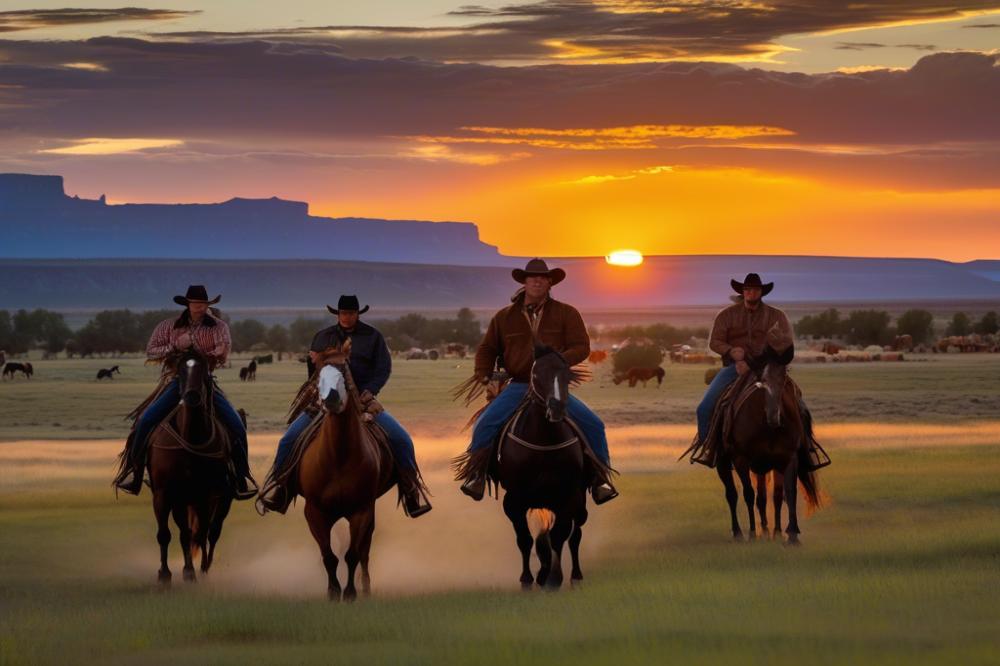
The horses-in-the-traditional-folk-music-and-dance-of-andalusia”>cowboy lifestyle is rich with history and tradition. It is often associated with vast landscapes and rugged independence. Cowboys have played an integral part in North American culture, symbolizing adventure and resilience. This way of life is not just about wrangling cattle but about community, family, and the spirit of the open range.
Throughout various cultures, horses have held significance that transcends mere transportation. For centuries, these animals have been companions, workers, and even symbols of status. Different societies, from Native American tribes to European settlers, recognize the deep bond shared with these majestic creatures. The role of horses has shifted with time, but their impact remains firmly rooted in human history.
In North America, horses are central to the cowboy culture. They are essential partners in everyday tasks such as herding cattle or traversing the vast grasslands. The relationship between a cowboy and a horse is often highlighted in stories and songs, reflecting the trust and understanding built over time. Without horses, the challenges of ranch life would be greatly intensified. Their strength and agility enhance the effectiveness of ranching. This powerful bond defines much of what it means to live as a cowboy today.
The Historical Significance of Horses in Cowboy Culture
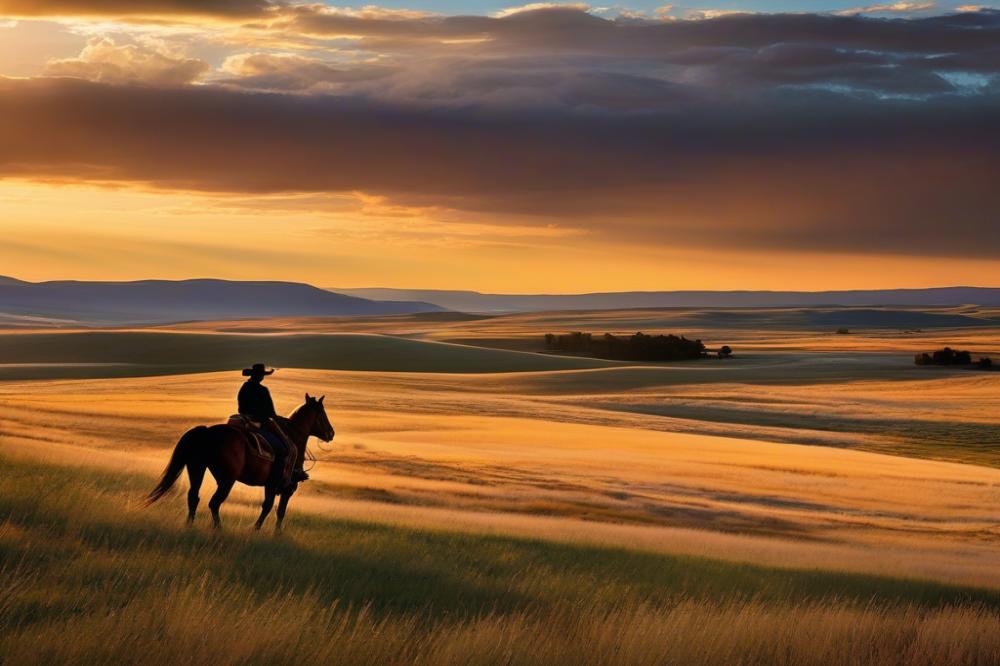
Horses have played an important role in North American history. Their arrival began with the Spanish explorers in the 16th century. Horses were first domesticated many centuries earlier in Europe and Asia.
When they arrived in the Americas, they changed everything. Native American tribes quickly adapted to using horses for hunting and transportation. This new mode of travel allowed them to cover large distances and access resources more effectively.
With horses, many tribes became more agile and mobile. They could now follow buffalo herds and expand their territories. This transformation made a significant impact on their daily lives.
Later, these animals became essential to the cowboys and ranching way of life. The introduction of horses marked a shift for ranchers. They needed reliable mounts to tend to cattle across vast plains and rugged terrain.
Cowboys relied on these animals for work and travel. Roping, rounding up, and herding cattle became easier with a dependable horse. Skills like horseback riding became crucial for anyone in this lifestyle.
Horses also fostered a deep bond between cowboys and their animals. A good horse could mean the difference between success and failure on a ranch. This relationship highlighted loyalty and trust, key elements of cowboy culture.
Over time, various horse breeds emerged, each with unique strengths. Breeds like the Quarter Horse became favorites for cowboys due to their speed and agility. These distinct types helped shape the skills of ranchers and their work.
As the cowboy lifestyle evolved, so did the role of horses. Today, they remain symbols of freedom and rugged spirit. The connection between cowboys and horses is an enduring part of American history.
rodeo and Equestrian Activities
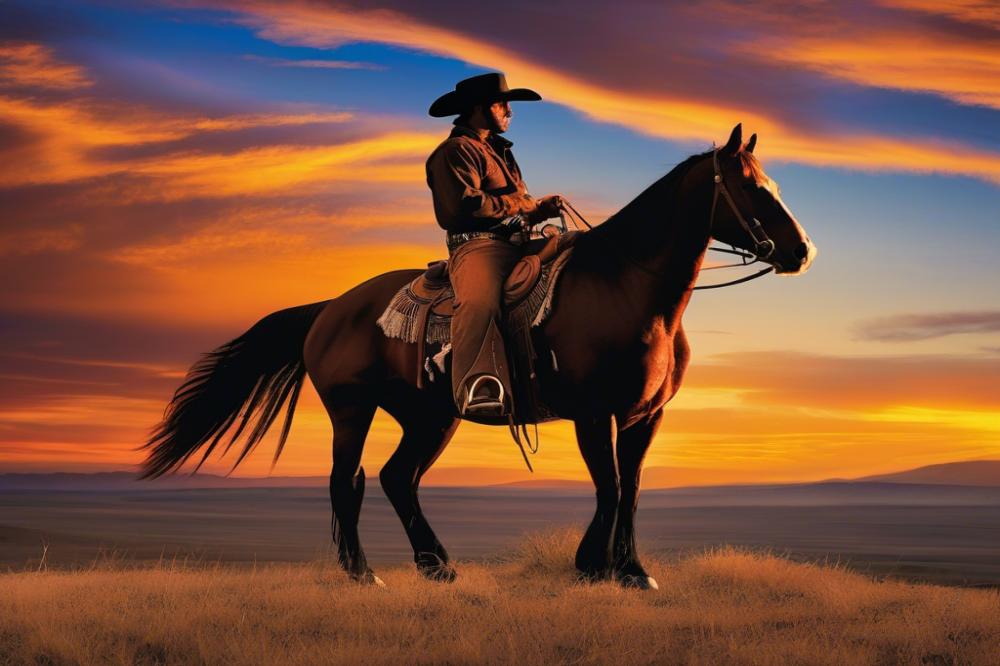
rodeo events represent the heart of equestrian culture in the cowboy lifestyle of North America. They showcase various skills that reflect a rich heritage of ranching and horsemanship. Events such as bull riding, barrel racing, and roping attract countless spectators. These competitions are not just entertainment; they highlight the hard work and dedication of cowboys and cowgirls.
Horses play an essential role in rodeo competitions. They partner with riders, allowing them to perform challenging tasks. In events like team roping, a horse’s speed and precision are paramount. Without trusty steeds, the rodeo would lose its dynamism. Horse-human partnerships are built on trust and training, making each performance a testament to this bond.
Participating in rodeo helps individuals develop important equestrian skills. Riders learn to control their horses in various situations, enhancing both their abilities and confidence. Close interactions teach them how to understand equine behavior. Skills like timing, balance, and agility become second nature through practice and competition. They also learn responsibility, as caring for a horse is a commitment that goes beyond the arena.
Many participants find camaraderie within the rodeo community. Relationships formed between riders often extend beyond events. Sharing tips and experiences creates a strong network. This supportive atmosphere encourages the growth of aspiring cowboys and cowgirls alike. Ultimately, the rodeo scene serves as a vibrant hub for preserving equestrian culture.
Cattle Ranching and Horse Training
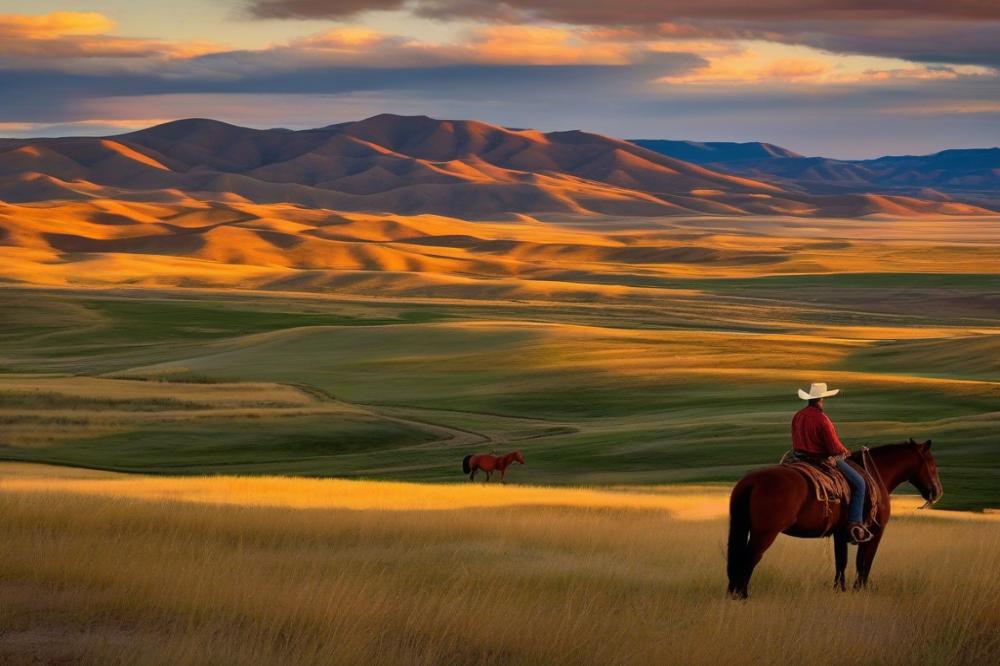
Role of horses in cattle herding and ranch operations
Horses are essential in cattle ranching. They allow ranchers to cover vast distances quickly. Cowboys often ride to gather cattle from open fields. This partnership between horses and cowboys is vital for managing herds. Without horses, handling cattle would be much tougher. Working with livestock requires skill and teamwork. A well-trained horse can respond to commands with precision. They help guide and control the movement of cattle effectively. Using horses also reduces stress on the animals. This makes the herding process smoother and more efficient.
Techniques in horse training for ranching tasks
Training a horse for ranch work involves various techniques. Groundwork is often the first step. Here, handlers establish trust and respect. Horses learn to listen to commands before riding begins. Riders use a gentle approach during this process. Consistent practice helps horses become reliable partners. Utilizing their natural instincts is crucial. Many ranchers employ round pen training techniques. This allows horses to understand body language and balance. Once a horse is comfortable with basic commands, they can start performing ranch tasks. Practice with cattle helps solidify their training.
Essential horse breeds for cattle ranching
Certain horse breeds excel in ranching environments. Quarter Horses are among the most popular choices. Their speed and agility make them ideal for herding cattle. Another breed frequently seen on ranches is the Appaloosa. Known for their distinctive spots, they also possess good stamina. Paint Horses feature a mix of colors and are equally effective for ranch work. Each breed offers specific traits ideal for different tasks. Understanding the characteristics of these breeds aids ranchers in making informed choices. A well-chosen horse enhances productivity on the ranch.
Trail Riding and the Cowboy Experience
Popular Trails and Their Significance
There are numerous trails across North America that hold special meaning for cowboys and cowgirls. The historic Chisholm Trail, once used for cattle drives, stretches from Texas to Kansas. Following its path connects riders to a rich heritage. Trails like the Tonto National Forest in Arizona offer beautiful views while providing a sense of adventure. Many people find that trail riding on these historic paths brings the past to life, allowing a direct connection to cowboy culture.
The Experience of Trail Riding in Western Landscapes
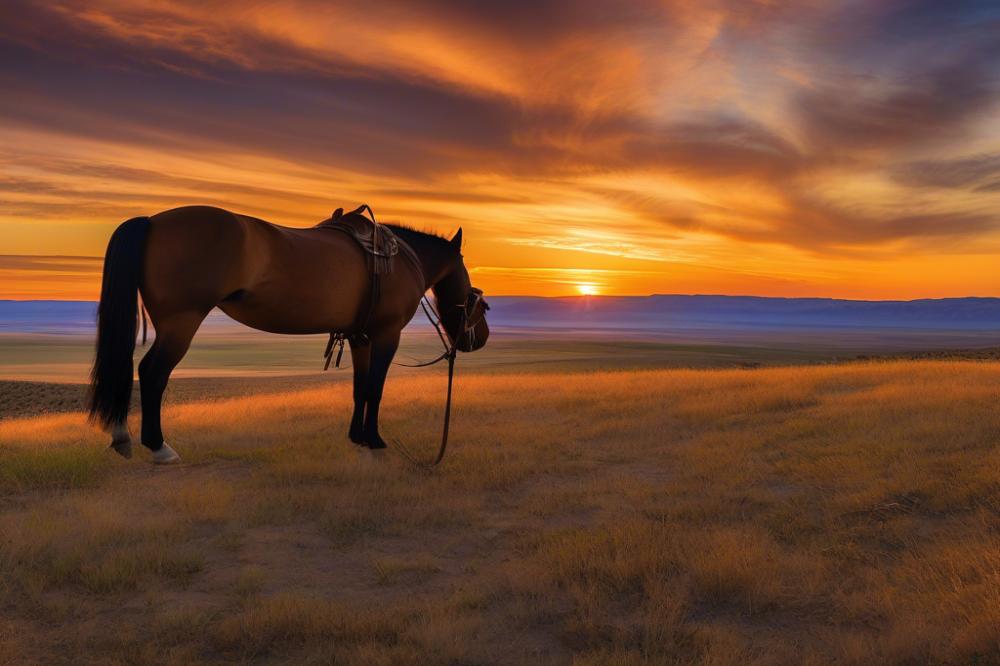
Western landscapes reveal breathtaking panoramas. Riders traverse rolling hills, vast plains, and rugged mountains. The air feels different out there; it’s fresh and invigorating. Each journey offers something new, whether it’s spotting wildlife or meeting fellow riders. The sun often paints the sky with vibrant colors at dawn and dusk. Such sights can inspire awe and reflection. Trail riding is more than just exercise. It’s an exploration of nature and self.
The Social Aspect of Trail Riding Among Cowboys
Friendships form easily on the open trails. Being part of a group enhances the experience. Conversations flow as riders share stories from the past. Laughter rings out, making the ride lively. The community spirit thrives in these gatherings. Riders often attend events or competitions too. Bonding over shared passions strengthens connections among them. Trail riding allows cowboys to come together, celebrate traditions, and nurture friendship. Those moments shared under open skies shape the rich tapestry of the cowboy lifestyle.
The Influence of Western Culture on Horse Use
Western culture has significantly shaped how people in North America view horse ownership and riding. Horses were not just tools for work; they became symbols of freedom and adventure. Spaniards introduced horses to the Americas in the 16th century. This introduction transformed the lifestyles of many Indigenous peoples and settlers alike.
Cowboys developed their riding styles based on practicality and the rugged outdoors. Different environments called for various techniques. For instance, riding through the plains required different skills compared to maneuvering through canyons or rough terrains. Over time, these riding styles became iconic, reflecting a deep connection between the rider and the horse.
The Evolution of Saddles and Equipment for Cowboys
As horses became central to work and life on ranches, the tools cowboys used evolved as well. The saddle transformed from a basic seat into a sophisticated piece of equipment. Design changes incorporated comfort and functionality for the rider. The Western saddle, known for its high cantle and wide fenders, became popular for its ability to support long hours in the saddle.
Other equipment also saw improvements. Stirrup design enhanced stability, while lariats became essential for managing cattle. Gear became specialized, catering to different tasks such as roping or branding. Each piece served a purpose, showing how the cowboy lifestyle adapted and grew with its needs.
Contemporary Views on the Cowboy Lifestyle and Horses
The Enduring Legacy of Horses in Cowboy Culture
Horses have always been central to the cowboy lifestyle. From herding cattle on vast ranches to showcasing skills at rodeos, these animals are deeply woven into the fabric of life for many cowboys and cowgirls. The bond formed between rider and horse transcends mere utility; it represents trust, partnership, and a shared journey.
Throughout history, horses have symbolized freedom and adventure in North America. They enabled cowboys to explore wild terrains and manage large herds of cattle efficiently. The rhythm of hooves pounding against the earth evokes a sense of nostalgia, reminding us of a time when the West was still untamed. The unique relationship with these creatures has shaped not only the lifestyle of cowboys but also broader cultural narratives.
As society evolves, so too does the role of horses. While traditional ranching practices remain vital, modern influences are emerging. Innovations in technology and changes in lifestyle may affect how horses are used on ranches and during rodeos. Despite these shifts, the admiration people have for horses is unlikely to fade. They are more than just tools; they are companions that reflect the spirit of independence and ruggedness.
Looking ahead, it will be fascinating to see how horses continue to fit into the cowboy culture. New generations of cowboys are finding fresh ways to celebrate their heritage, integrating modern practices while cherishing longstanding traditions. As both work partners and beloved friends, horses will remain invaluable as this culture evolves. Their legacy is not merely about the past but a living, breathing part of the future.
In essence, horses are much more than a means of transportation. They embody the heart and soul of ranch life and rodeo, carrying with them stories of resilience and adventure. Their constant presence speaks volumes about the enduring allure of the cowboy way of life.

