
Introduction
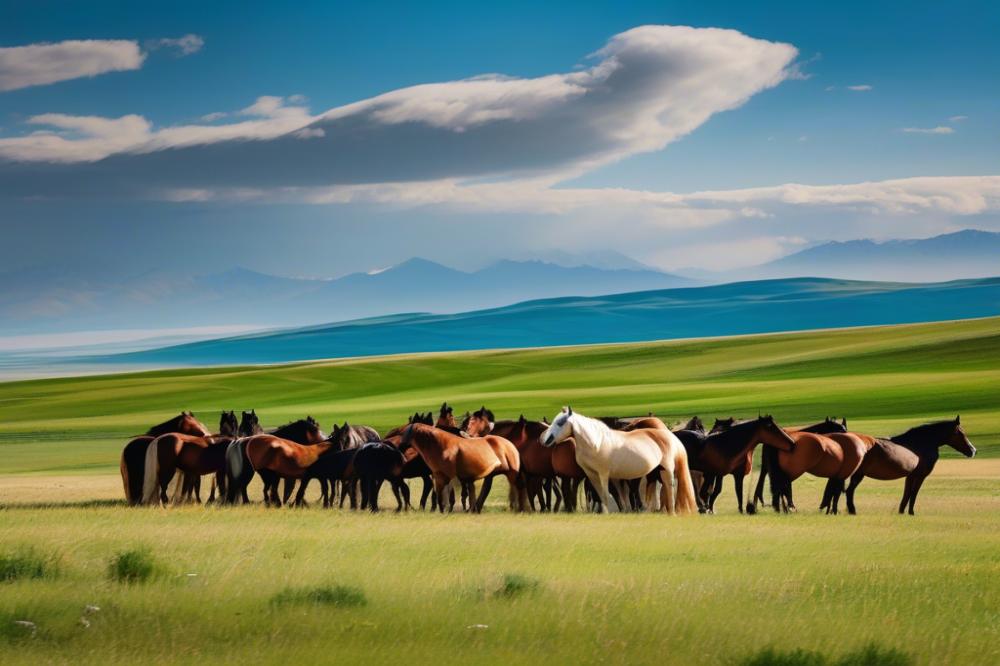
Horses have played a vital role in the culture of Kazakhstan for centuries. This land, stretching across vast steppes and rugged terrains, has shaped a deep bond between horses and its people. In the context of Nomadic tribes, these animals are more than just a mode of transportation. They symbolize freedom, strength, and a way of life that has endured through generations.
For the Nomadic tribes, horses are integral to survival. They help transport goods, food, and families across the expansive landscapes. These creatures stand as companions, reflecting a lifestyle that thrives on mobility and connection with nature. Herding livestock and roaming the open fields are tasks made easier with horses.
The importance of this topic extends beyond practicality. Horses are central to various cultural practices and rituals among nomadic tribes. Festivals often showcase horsemanship, and these events celebrate community and heritage. Understanding the relationship between horses and these tribes offers insights into their identity and traditions.
Exploring this connection can reveal much about how nomadic tribes adapt to their environment. The unique patterns of life, shaped by their reliance on horses, highlight a forgotten world of harmony with nature. Through examining this relationship, we can appreciate the true essence of life in Kazakhstan.
Horses in Kazakhstan
Historical perspectives on horse domestication
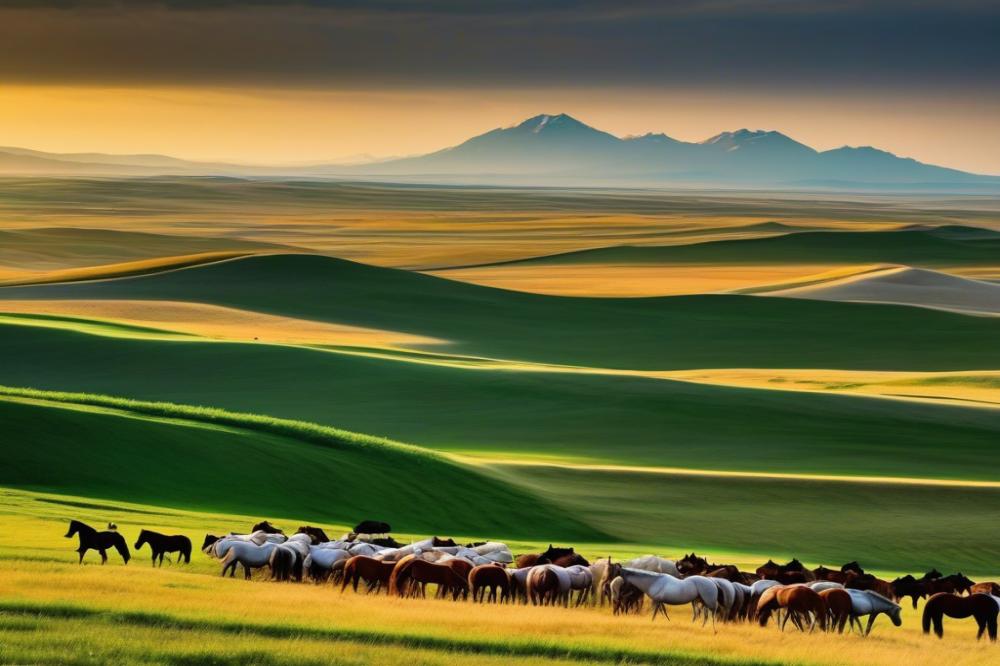
Horses have played a crucial role in the history of Kazakhstan. Their domestication dates back thousands of years. Early people used horses for transportation and hunting. This relationship marked the beginning of a deep bond. Over time, horses became integral to the culture of various tribes. As nomadic groups roamed the vast steppes, these animals facilitated movement across large distances. Their endurance allowed households to travel for trade and gather resources.
The relationship between horses and the nomadic lifestyle
Nomadic tribes relied on horses for more than just travel. They served as companions and symbols of status. Horses shaped social interactions within communities. For many, owning a large herd was a marker of wealth. Daily life revolved around these animals, dictating routines and activities. During festivals and celebrations, horses took center stage, showcasing the tribe’s heritage. Each horse was often treated with great care, demonstrating affection and respect.
Role of horses in pastoralism and agriculture
Pastoralism heavily depended on the horse. Tribes used them to herd livestock across wide expanses. This practice ensured access to fresh pastures and water sources. Agriculture also benefited from the strength and speed of horses. For planting and harvesting, these animals helped pull plows and carts. Their labor lightened the burden of farming tasks. Daily interactions with horses instilled skills and knowledge in young tribe members. Learning to care for horses became a rite of passage for many.
In conclusion, horses are far more than animals in Kazakhstan; they represent freedom, livelihood, and community. The connection between people and horses endures, enriching both sides of this ancient partnership.
Horse Culture Among Nomadic Tribes
Traditional practices involving horses
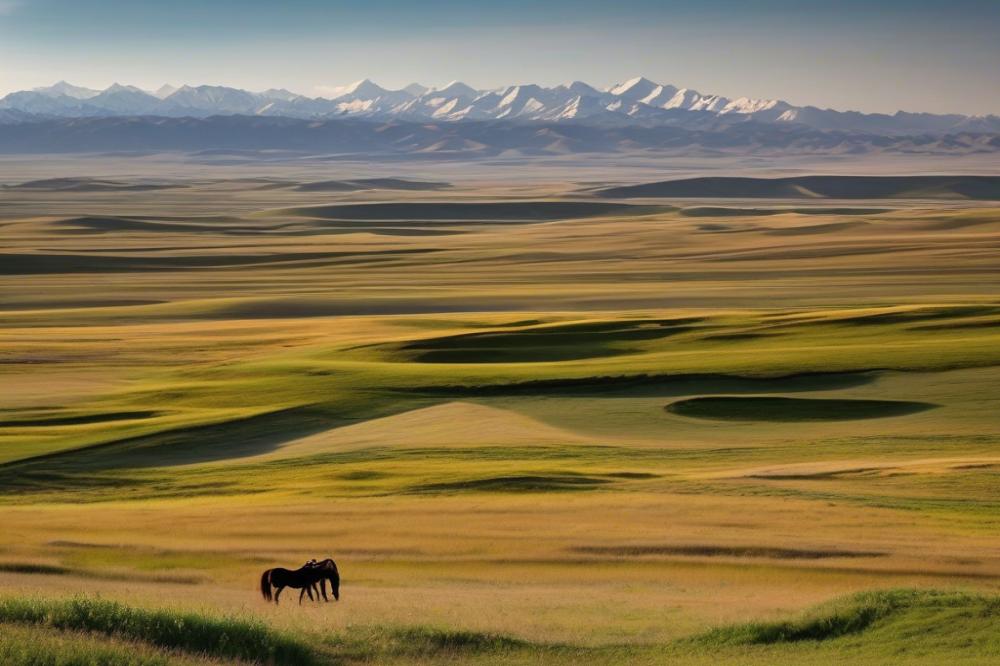
Nomadic tribes in Kazakhstan have a long history with horses. These animals are central to their culture and daily practices. Traditionally, tribes use horses for herding livestock and migration. The bond between horse and rider is strong, built through generations. Many tribes consider horses valuable companions. Celebrations often feature elaborate horse games and races. This emphasizes not just speed but also the skills of both horse and rider. Festivals showcase the beautiful tack, intricate designs, and colors that adorn these animals.
Horses in daily life: transportation and sustenance
Transportation relies heavily on horses in nomadic life. Riders traverse vast steppes, covering large distances to find grazing land. For many families, horses also provide sustenance through milk and meat. Mare’s milk is a staple, often fermented into a drink called kumis. This beverage is enjoyed by both adults and children. Moreover, horse meat holds cultural significance and is served during gatherings. Daily routines often involve tasks centered around caring for these animals.
Equestrian skills and training methods
Training methods for horses vary among tribes. Young riders start learning at an early age. They develop basic riding skills through practice and observation of elders. Techniques include gentle training strategies that focus on trust and respect. Skilled trainers use positive reinforcement to encourage obedience. Developing a thriving partnership with the horse is essential. Tribes also emphasize the importance of teamwork during rides. Competitions showcase not only speed but also agility and coordination. Through these experiences, riders become highly adept equestrians, reflecting the deep connection shared with their horses.
Horses in Hunting and Warfare
The use of horses in hunting practices
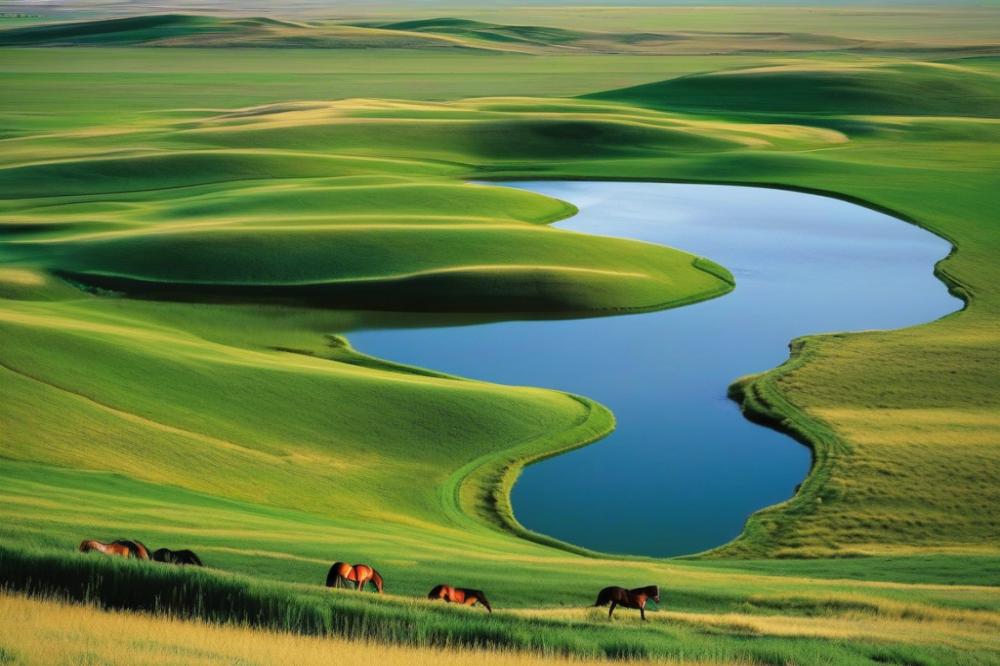
Horses played a critical role in the hunting traditions of nomadic tribes in Kazakhstan. Riders would mount their horses to swiftly track and pursue game across the vast steppes. This method increased their chances of successfully catching animals like antelope and and wolves. Speed and agility allowed hunters to cover larger areas in less time. Traditional hunting games often included the use of trained falcons alongside horses, showcasing a harmonious bond between human, horse, and bird.
Role of horses in conflict and defense
In times of conflict, horses were essential for mobility and strategy. Tribes relied on them for quick retreats or for surprising attacks. Mounted warriors could easily flank their enemies and outrun foot soldiers. The strength of horses also offered a physical advantage during battles, as riders could strike while remaining less vulnerable. Warriors used horses not only for combat but also as symbols of status and power in their communities.
Impact on tribal mobility and strategy
Horses enhanced the mobility of these tribes, allowing them to travel long distances. Daily life involved relocating to find fresh pastures for their herds. Moving on horseback made these migrations smoother and quicker. Strategic planning revolved around where to find food, water, and shelter, all made easier with reliable mounts. This adaptability was vital in an environment where resources could vary greatly from season to season. Without horses, their way of life would likely have been unrecognizable.
cultural significance of horses
Symbolism of Horses in Kazakh Folklore and Traditions
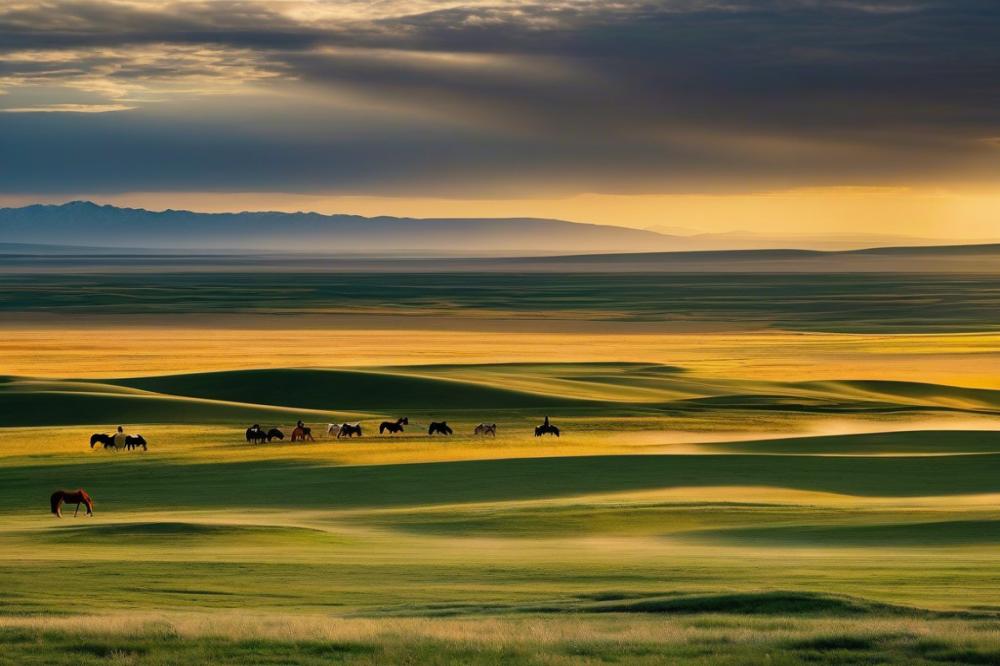
For the Kazakh people, horses hold a special place in their folklore. Legends often describe heroic characters riding majestic steeds. These stories emphasize the bond between humans and horses. They are not just animals; they symbolize freedom and strength. In many tales, the horse appears as a wise companion, guiding the hero through challenges. This bond goes beyond mere utility. Horses represent resilience, tying together the spirit of the Kazakh nomadic lifestyle.
Horses in Rituals and Celebrations
Rituals often feature horses as central figures. During significant holidays, horse races gather communities together. Energy fills the air as spectators cheer on their favorites. These events are not just competitions; they celebrate culture and heritage. Traditional ceremonies, such as weddings, also incorporate horses. Grooming a horse for such occasions reflects pride and love. It shows respect for the animal’s role in everyday life and special moments alike.
Influence on Identity and Community Cohesion
Horses play a vital role in shaping community identity. Shared experiences with these animals create strong bonds among members. In remote areas, horse ownership signifies status and connection to ancestors. People often gather to share skills related to horse care, strengthening their ties. Horse culture brings people together, fostering cooperation and mutual support. A community that celebrates these animals thrives on shared values and traditions. It nurtures a sense of belonging and identity across generations.
Horse Breeding Practices
Historical and Modern Breeding Methods
Horse breeding in Kazakhstan has deep roots. Nomadic tribes have relied on these animals for centuries. Traditionally, breeding was based on the needs of the community. Skills were passed down through generations. Families selected horses for specific traits. Speed, strength, and endurance were highly valued. Today, methods have changed but hold onto some ancient practices. Modern breeders often integrate scientific techniques. They analyze bloodlines and employ veterinary care. This blend of old and new helps enhance horse quality.
Genetic Diversity and Native Breeds
Genetic diversity is essential for horse populations. It promotes strong and resilient animals. Various native breeds exist, each with distinct characteristics. The Kazakh horse, for instance, is known for its toughness. These horses adapt well to harsh climates and rugged terrains. Other breeds, like the Akhal-Teke, are notable for their beauty and speed. Maintaining this diversity ensures long-term sustainability. Breeders must be careful to preserve these unique genetic lines. Close attention protects against health issues and ensures vitality.
Economic Importance of Horse Breeding in Nomadic Societies
Horse breeding holds significant economic value for nomadic people. These animals serve as key assets. They provide transportation, labor, and even food. Many families depend on horses for their livelihood. Selling horses can bring in vital income. Additionally, tourism offers new opportunities. Travelers are often drawn to the culture surrounding horses. Festivals and events celebrate this rich heritage. Such activities not only boost local economies but also promote cultural understanding. Engaging with the community helps maintain traditions while ensuring future growth.
The Lasting Impact of Horses in Nomadic Tribes
Throughout history, horses have played a central role in the lives of nomadic tribes in Kazakhstan. These magnificent animals were not merely a means of transportation; they were essential for survival. From herding livestock to facilitating trade, horses were integral to the nomadic lifestyle. The relationship between Kazakh people and their horses is characterized by deep respect and reliance.
Culturally, horses are part of the Kazakh identity. They influence traditional music, stories, and art. Festivals frequently feature equestrian events, showcasing the skills that have been honed over generations. This bond shapes social practices and community gatherings, reflecting the values of these tribes.
The impact extends beyond practical purposes. Horses are woven into the very fabric of Kazakh society, symbolizing freedom and strength. Family ties often revolve around these animals, as seen when young people learn to ride and care for horses from an early age. Such experiences not only educate the youth but also strengthen connections within families and communities.
In closing, the legacy of Horses in Kazakhstan remains strong. As lifestyles evolve, the historical significance of these animals continues to resonate. They embody a way of life that celebrates resourcefulness and resilience. Even today, the spirit of the horse remains a cherished emblem of Kazakh heritage, bridging the past with the present.

