
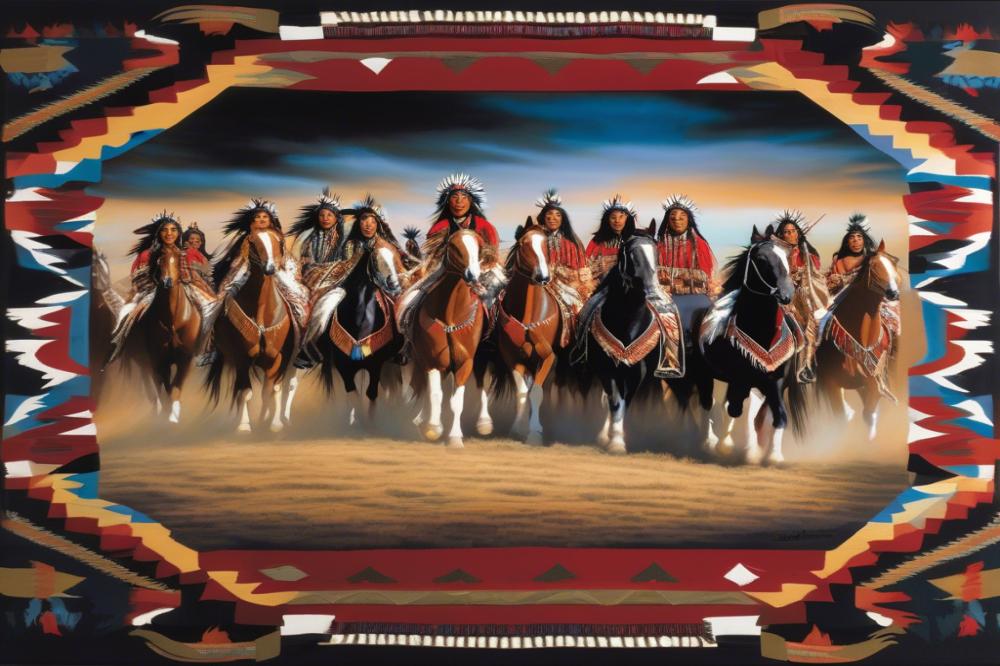
The Role of Horses in the Plains Tribes of North America
Throughout history, many cultures have revered animals for their utility and significance. In North America, few animals have had a broader impact than the horse. This magnificent creature has played a crucial role in shaping societies, transforming economies, and influencing spiritual beliefs. For Native American tribes, especially those residing on the Great Plains, the arrival of Horses marked a turning point in their way of life.
The Plains Tribes, including the Lakota, Cheyenne, and Comanche, developed a relationship with horses that was unlike any other. When horses were introduced to the Americas in the 16th century, these tribes seized the opportunity to change their lifestyles. Traveling became easier, hunting more efficient, and trade expanded. With this new mode of transportation, the dynamics of their communities shifted dramatically.
Horses provided more than just practicality; they also held deep cultural importance. Tribes began to incorporate them into rituals and ceremonies, symbolizing strength and freedom. The connection between the Plains Tribes and horses went beyond mere ownership. It became interwoven into their identity, shaping both their social structures and spiritual beliefs.
As we explore the role of horses within these communities, it becomes clear that they were central to the lives of the Plains Tribes. Their impact influenced everything from daily tasks to larger social dynamics. The arrival of these animals reshaped the landscape of Native American life, highlighting the intricate bond formed between the tribes and these powerful creatures.
The Historical Context of Horses in Plains Tribes
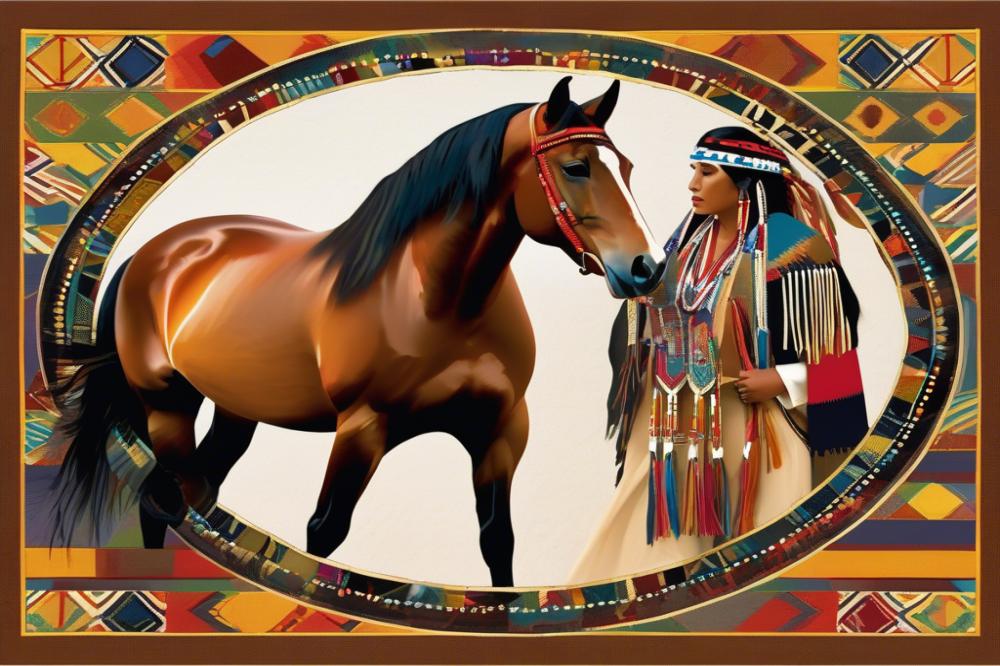
Arrival of Horses in North America and Their Initial Impact
Horses first arrived in North America with Spanish explorers in the 16th century. This event changed the lives of many indigenous groups. Initially, they were rare and valued possessions. Over time, tribes began to acquire them through trade and raiding. By the late 17th century, horses spread rapidly across the plains. This new mode of transportation offered various advantages. Mobility increased, enabling tribes to hunt and gather more efficiently. With the ability to travel greater distances, the dynamics of trade altered significantly.
Transition from Foot-Based Lifestyles to Horse-Based cultures
Life for Plains tribes shifted dramatically as horses became common. Hunting and warfare evolved into more strategic endeavors. Society began to organize around their use, creating specialized roles. Some individuals became skilled horsemen, while others focused on breeding and caring for these animals. This transformation influenced social structures and family life within the tribes. Descendants of hunters took on new identities as mounted warriors. With the introduction of horses, the hunting of bison became an entirely new pursuit. It involved greater speed and improved tactics, essential for success.
Historical Accounts of Horse Use Among Plains Native Americans
Numerous historical accounts illustrate the importance of these animals. Travelers and explorers often wrote about the impressive horsemanship of various tribes. They described thrilling scenes of warriors riding into battle with confidence. Many reported that horses were more than mere transportation; they held spiritual significance. Some tribes believed horses brought strength and protection. Legends emerged, highlighting the bond between horses and their riders. Through storytelling, these relationships were celebrated and preserved. Even today, the legacy of these majestic animals remains woven into tribal culture.
Horses as a Means of Transportation
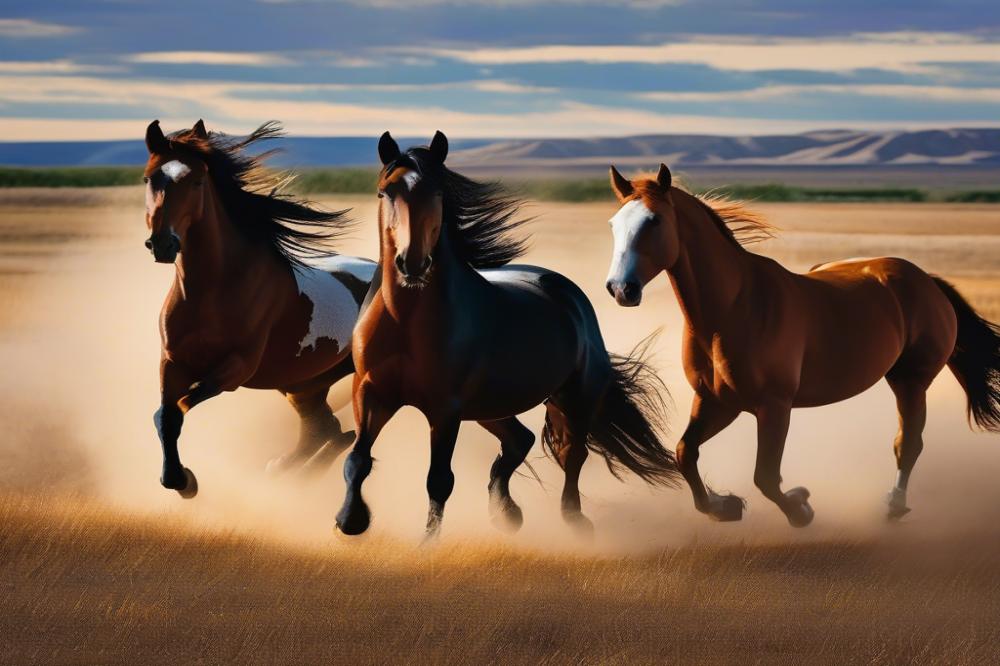
Mobility across the plains transformed dramatically with the introduction of these animals. Tribes could travel farther and faster than ever before. Previously, people relied on foot and basic tools for carrying goods. Now, they could move swiftly across vast open lands.
Using the animals changed settlement patterns significantly. Groups often chose locations near water sources and grasslands, making travel easier for hunters and gatherers. Seasonal migrations became less challenging. Families could follow herds and find new resources, adapting to the changing environment with greater ease.
Trade routes emerged as key connections between tribes. This development fostered more frequent interactions among different groups. With enhanced mobility, tribes exchanged goods, stories, and ideas. Such exchanges strengthened relationships and created a network of cultural sharing across the plains.
Living in closer proximity allowed for cooperation and collaboration. Tribes could send messages quickly between families or allies. They learned to rely on one another for support in times of need, further enriching their community life.
The impact of these creatures on daily life was undeniable. Hunting became more effective, allowing for larger game to be pursued. Social structures shifted as well; roles in the community evolved with this new way of life. Each tribe adapted uniquely, molding traditions that reflected their experiences and surroundings.
Horses in Hunting Practices
The arrival of horses transformed the hunting practices of the Plains tribes. Speed and mobility increased significantly for hunters chasing bison and other game. As these tribes adapted to horseback riding, they developed new strategies that reshaped their approach to hunting. This change offered them an advantage in tracking and stalking animals. For instance, hunters could cover greater distances quickly, making it easier to locate herds.
One important technique that emerged was the use of mounted hunters to drive bison into traps. These traps could be natural ravines or pits that made it easier to capture the animals. Additionally, hunters learned to work together in groups, coordinating efforts while on horseback. This teamwork not only improved their success rates but also fostered social bonds among tribe members.
Access to horses had a profound impact on food security for these communities. The ability to hunt more efficiently led to a surge in food availability, allowing tribes to stockpile resources. Greater quantities of meat supported larger populations and contributed to healthier communities. Gathering practices also changed; with more food, tribes could focus on trade and other activities rather than mere survival.
The reliance on mounted hunting shifted priorities. Instead of simply hunting when necessary, tribes could plan elaborate hunting expeditions. Such expeditions became significant events, filled with cultural importance and communal participation. In many ways, horses became central to the identity of these tribes, symbolizing power, wealth, and connection to the land.
Social Structure and the Role of Horses
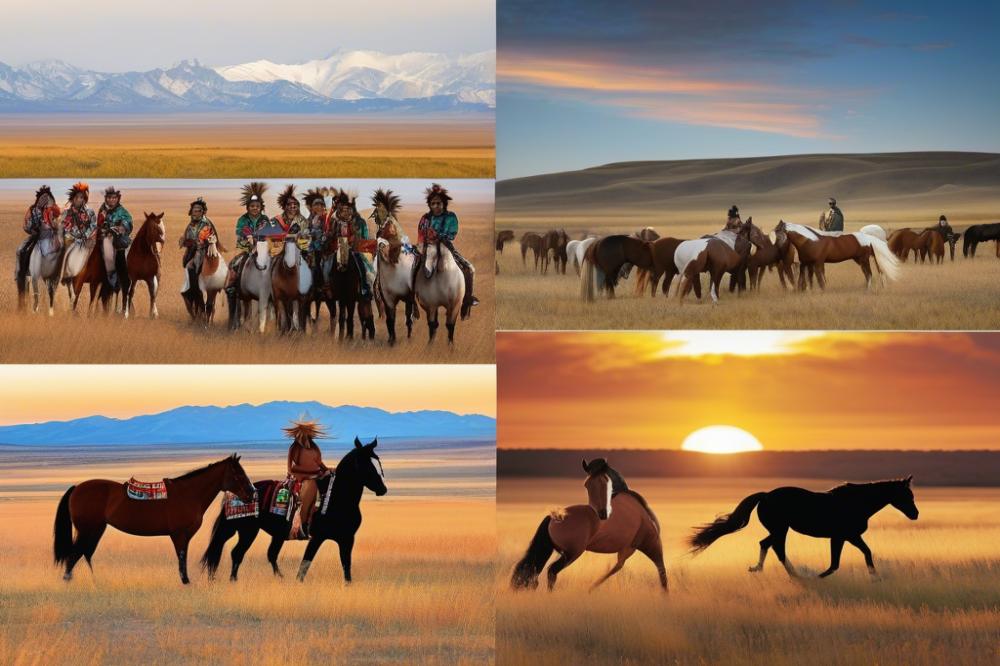
In the Plains tribes, horses symbolized status and wealth. Tribes like the Lakota and Cheyenne valued these animals deeply. Wealth was often measured by the number of horses a person owned. This created clear social divisions within their communities.
Ownership of horses influenced social hierarchy. Leaders often had the largest herds, which established their status. Families also enjoyed increased prestige when they owned more horses. Kinship ties became stronger through horse ownership. People shared and traded animals among relatives, reinforcing bonds.
Cultural rituals and ceremonies frequently centered on the animals. Events like the Sun Dance included horse-related elements. Races, gifts, and sacrifices showcased respect for these important creatures. Such rituals celebrated not only the animal but also the relationships built around them.
Celebrations often featured songs and stories that honored equines. Some tribes even had special dances dedicated to them. All these practices highlighted their importance in daily life and the community’s identity. For many, these animals were much more than mere possessions.
Connection to the land and lifestyle revolved around these animals too. They were key to hunting and transportation, influencing movement of tribes across plains. With every gallop, they provided a unique way of life for countless families. Their presence impacted culture, economy, and social interactions dramatically.
Economic Impact of Horses
How Horses Transformed the Economy of Plains Tribes
Horses brought significant changes to the lives of Plains tribes. Before their introduction, travel and trade were slow and labor-intensive. With these animals, mobility improved greatly. Tribes could move more efficiently across vast distances. This shift allowed for increased hunting opportunities and larger areas to explore. Consequently, communities became more interconnected.
Horses in Trade Networks: Exchange of Goods and Services
The arrival of these animals sparked new trade networks among tribes. Goods flowed more freely from one community to another. Buffalo hides, tools, and food were exchanged regularly. Horses became an essential item in these trades, valued for their utility and strength. As tribes participated in these networks, relationships formed. Bartering expanded beyond simple goods, leading to the exchange of culture and ideas.
Role of Horses in Agricultural Practices and Pastoralism
In addition to trade, horses influenced agricultural practices. Cultivating land became easier with better transportation of goods. Fields could be tilled more efficiently, increasing crop yields. Some tribes adopted pastoralism, raising livestock to meet their needs. Horses allowed for better herding techniques, leading to improved animal management. This adaptation contributed to more stable food sources for various tribes.
Spiritual Significance of Horses
Horses held deep spiritual meaning for many Plains tribes. They were not merely animals; they were intertwined with the community’s beliefs and cultural practices. In various narratives, they symbolized freedom, strength, and status. Many tribes believed these creatures could connect them to the spirit world, acting as guides or protectors.
In traditional mythology, horses often represented transformation and personal power. Various stories spoke of warriors riding into battle with sacred gifts from the horse. Such tales illustrated the horse’s role in enhancing courage and bravery. Legends conveyed that horses had their own spirits, deserving respect and care from their human counterparts.
Integration into Rituals and Ceremonies
Various ceremonies prominently featured these creatures. Dances celebrating the horse were common, expressing gratitude and reverence. Important events, such as marriages or coming-of-age ceremonies, sometimes included rituals involving the animal. Music, prayer, and dance blended together to honor the spirit of the horse.
Communities also engaged in ceremonies for blessings and protection. By offering gifts or performing rituals, tribes sought a harmonious relationship with the animal. Such practices fostered a shared understanding of the importance of nature and its elements. In this way, horses played a vital role in reinforcing communal bonds.
In summary, the spiritual significance of the horse transcended physical attributes. They became symbols of unity, strength, and cultural identity. The relationship between these tribes and their horses reflected a deep respect for life and nature.
The Lifestyle of Plains Tribes and Horses
Daily life for the Plains tribes revolved around a close connection with the land and the animals that lived there. Horses were integral to their routines. Initially, these tribes relied on hunting and gathering. Over time, the introduction of horses transformed their methods. Moving camp became much easier. Cultivating relationships with neighboring groups also improved. Trade became more efficient, and journeys for sustenance were less daunting.
Combat strategies were also influenced significantly by this new animal. Warriors trained with these animals for battle. Mobility in confrontations often meant the difference between victory and defeat. Tactics evolved as riders learned to command their mounts during skirmishes. Groups utilized these animals to flank, charge, or retreat. This shifting dynamic changed how tribes defended their territories. Overall, horses became symbols of strength and skill on the battlefield.
Cultural identity was deeply shaped by this relationship. Storytelling often featured prominent figures riding with great prowess. Art and craftsmanship reflected the beauty and power of these animals as well. Ceremonies included rituals that honored this bond. Traditions passed down through generations reinforced their importance. The connection ran deeper than practical use; it became a part of their heritage. Today, the legacy of these tribes remains tied to the influence of that animal on their way of life.
Final Thoughts on the Role of Horses in Plains Tribes
The multifaceted role of these animals in the culture of Plains tribes can hardly be overstated. They transformed not just daily life but also social structures and economies. Many Native Americans relied on them for hunting, travel, and trade, making them essential for survival in the vast plains. As hunting became more efficient, communities could expand their territories and food sources.
Moreover, the bond between people and these animals is deeply woven into stories, songs, and rituals. Horses were symbols of status and wealth. They represented power and strength in both war and peace. Communities took immense pride in their horses, reflecting their connection to the land and their identity as a people.
Looking back, the impact of these animals on Native American history remains significant. They helped shape not only the lives of individuals but also the trajectory of entire tribes. The adjustments made after their introduction marked a turning point. Understanding this legacy is crucial for appreciating the vast and varied history of Indigenous cultures.
In contemporary discussions about Native American identity, preserving these stories is vital. They offer insights into the resilience, adaptability, and rich traditions of Indigenous peoples. Talking about horses is more than celebrating a past; it connects us to a deeper understanding of present-day cultures. Remembering these narratives helps us appreciate the complexities of Indigenous life and the enduring spirit that continues today.

