
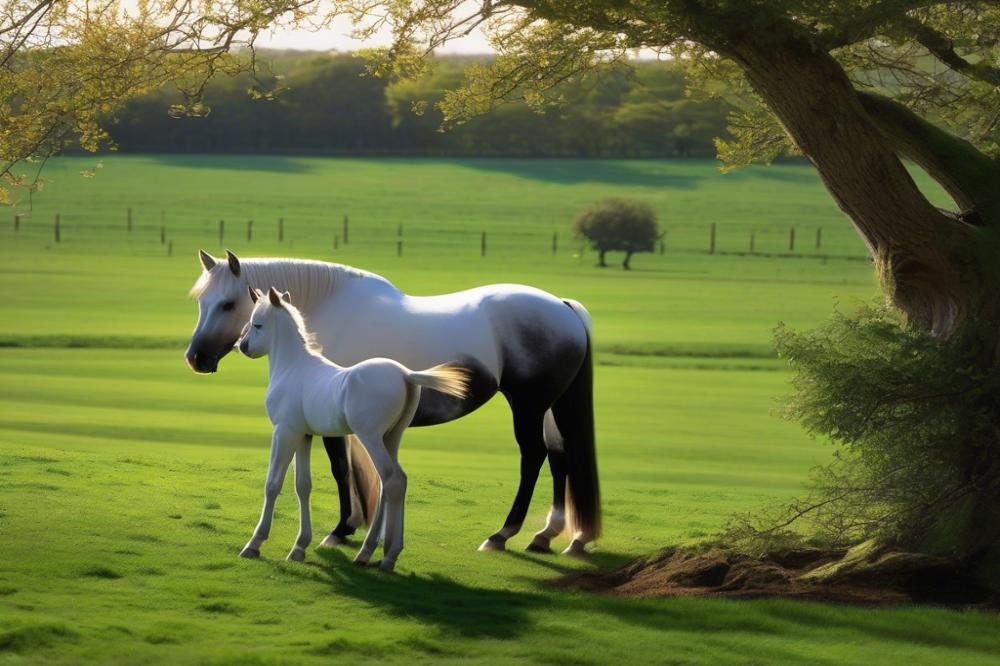
The Role of Nutrition in Breeding and Gestation
The significance of Nutrition in Breeding horses cannot be overstated. Proper nutritional management is vital for both the stallion and the mare. Healthy horses are more likely to conceive and produce healthy foals. Balancing nutrients helps support reproductive functions, ensuring that both parents are fit for the breeding process.
When we talk about nutrition in breeding, we focus on how dietary choices affect reproduction and the development of offspring. Every nutrient plays a critical role in this process. For instance, proteins are essential for muscle growth and repair, while vitamins and minerals support overall health and reproductive success. Poor nutrition can lead to complications, lower fertility rates, and unhealthy foals.
The goal of this article is to explore how maternal nutrition, particularly during gestation, impacts reproductive health. Pregnant mares require specific nutritional needs to support their own well-being and the developing fetus. Gestation Nutrition has a lasting effect on the foal’s growth, development, and future performance.
Maternal nutrition can have profound effects. Research indicates that a well-nourished mare will have a more successful breeding experience. This further translates into the foal being born healthier and stronger, which can improve its potential for success in the future. Thus, understanding the role of nutrition is essential for breeders who want to optimize their results. Each meal planned and each nutrient considered can lead to the difference between a thriving foal and one that struggles.
Nutrition in Breeding
Nutrition plays a vital role in the breeding process. Every animal needs the right diet to maintain reproductive health. Mares and stallions have specific nutrient requirements. Failing to meet these needs can lead to fertility issues. This may affect breeding outcomes significantly.
For stallions, high-quality protein is essential. This nutrient supports muscle development and overall vitality. Additionally, vitamins and minerals, especially zinc and selenium, are crucial for sperm production. A balanced diet consisting of grains, forages, and concentrates can provide these needs.
Mares have different nutritional requirements compared to stallions. They need adequate energy to support their reproductive cycle. A proper balance of carbohydrates and fats can help achieve this. Furthermore, folic acid is important for fetal development once they become pregnant.
Both stallions and mares benefit from consistent access to clean water. Hydration affects bodily functions, including reproduction. Fresh water should always be available, especially during the breeding season. It helps maintain optimal health and performance.
Vitamins A, D, and E have particular importance in a breeding diet. These vitamins support reproductive functions and can enhance fertility rates. Antioxidants are also beneficial, as they help protect cells from damage. This is crucial for the health of both the mare and the developing embryo.
Minerals play a key role as well. Calcium and phosphorus are required for strong bones and overall well-being. Adequate amounts of these minerals support both the mare’s health and her future offspring. Providing supplements can help ensure that dietary gaps do not compromise reproductive success.
Feeding routines should be regular and based on the individual animal’s needs. Nutritional requirements can vary based on age, body condition, and the time of year. Consult with a veterinarian or nutritionist for tailored advice to meet these specific needs. This approach promotes optimal fertility outcomes.
Maternal Nutrition
Maternal nutrition plays a crucial role during gestation. A mare’s diet directly impacts her health and the well-being of her developing foal. Feeding the right balance of nutrients is essential for both the mare and her unborn child.
Key nutrients are vital to support a healthy pregnancy. Proteins, for instance, are critical because they help in muscle and tissue development. Minerals such as calcium and phosphorus support strong bones. Vitamins also play a significant role. Vitamin E and selenium boost the immune system, ensuring the mare remains healthy throughout her pregnancy.
Carbohydrates provide energy. During gestation, energy needs increase, so it’s important to offer adequate sources. A mare might need to eat more than usual. Managing her caloric intake carefully helps prevent excessive weight gain or loss. Proper energy levels in the mare promote a more stable pregnancy.
Folic acid and other B vitamins contribute significantly to fetal development as well. These nutrients support growth and cellular function. Ensuring these vitamins are part of the diet can prevent developmental issues in the fetus.
It’s not just about macro and micronutrients. Hydration also plays a key role in maternal health. Adequate water intake is essential for all bodily functions, including digestion and temperature regulation. A thirsty mare cannot support her foal as efficiently.
Nutritional imbalances can cause complications. Too little nutrition may lead to stunted growth in the fetus. On the other hand, overfeeding can lead to obesity and associated risks during birth. This complexity highlights the need for careful dietary planning.
Regular consultations with a veterinarian or equine nutritionist can provide more personalized advice. They can help design a diet that meets the unique needs of the mare and her foal. Each mare is different, and her requirements may change throughout the gestation period.
Paying attention to maternal nutrition can foster a healthier pregnancy. A balanced diet not only supports the mare’s health but also lays the groundwork for a thriving foal. By focusing on proper nutrition, breeders can help ensure the best outcomes for both the mare and her offspring.
Gestational Diet
During gestation, a balanced diet is vital for the health of the mother and developing young. The ideal diet must include a variety of components to support the needs of both. Caloric needs increase significantly during this time. Typically, pregnant animals require about 10 to 20 percent more calories than usual, depending on the species and number of offspring.
Protein is crucial for tissue development. Quality protein sources are essential to supply adequate amino acids. Pregnant individuals should consume around 25 to 30 percent protein in their diet. This amount helps in the growth of the fetus and supports the mother’s changing body.
Vitamins and minerals play an important role as well. Folic acid is necessary to prevent neural tube defects. Calcium and phosphorus contribute to the development of strong bones. These nutrients should come from a mix of foods, including leafy greens, grains, and supplements if needed.
Managing weight can be tricky. Overweight animals may face complications during labor. Monitoring body condition is essential throughout gestation. Adjusting food portions according to an animal’s size can help control weight gain. It’s also important to focus on the quality of food rather than just quantity.
Health issues should be addressed promptly. Certain conditions can arise during pregnancy, necessitating dietary adjustments. For example, a pregnant animal with diabetes may require a special low-sugar diet. Regular veterinary check-ups can guide these adjustments. Keeping track of an animal’s health throughout this period ensures a smoother transition to motherhood.
Supplementation and Nutrients
Many equine diets lack essential nutrients. This deficiency can affect a horse’s health and the development of the fetus. Common issues often arise from imbalances in the diet. Vitamins and minerals such as calcium, phosphorus, and selenium are frequently overlooked. Providing appropriate supplementation can address these shortcomings.
Folic acid is one important nutrient that supports pregnancy. It plays a vital role in cell division and helps the growth of the fetus. Horses that are pregnant may require more folic acid to support their developing young. This nutrient can be found in green leafy vegetables, but supplementation might still be necessary for optimal results.
Omega-3 fatty acids also contribute significantly to fetal development. These essential fats aid in brain development and can improve the immune response of the mare and the foal. Sources like flaxseed oil or fish oil provide these beneficial fatty acids. Including these in the diet promotes better health for both the mare and her offspring.
Antioxidants have a unique role in maintaining health during gestation. These compounds help protect the body from harmful free radicals. Vitamins A, C, and E are excellent antioxidants. When a horse’s diet is rich in these vitamins, it can enhance overall well-being and reduce stress, which is crucial during breeding and pregnancy.
Minerals also play a significant part in nutrition. Calcium and phosphorus are essential for developing bones and teeth in the foal. A proper balance between these minerals promotes healthy skeletal growth. Supplementing with the right amounts can provide the necessary support for the horse and her young.
Always consult with a veterinarian or an equine nutritionist before making changes. They can help create a balanced diet that meets the specific needs of breeding and pregnant mares. The right supplements and nutrients can make a difference in the health of both mother and foal, setting a strong foundation for the future.
Prenatal Care and Animal Health
Nutrition plays a critical role during pregnancy for both mares and their foals. A balanced diet directly affects the overall health of the mare, which in turn influences the developing foal. Essential vitamins and minerals are particularly important at this stage. These nutrients support both growth and development during gestation.
Regular monitoring of the mare’s diet is vital. Adjustments may need to be made as her pregnancy progresses. For instance, calorie requirements typically increase in the latter stages of gestation. Providing access to high-quality forage is crucial to meet these needs.
Health parameters should also be checked routinely. Weight gain is one indicator of a healthy pregnancy. Optimal body condition helps prevent complications during delivery. Veterinarians often recommend regular check-ups to track both the mare’s weight and the foal’s development.
Moreover, hydration must not be overlooked. Water intake has a direct impact on overall health. Pregnant mares should always have access to fresh, clean water. Dehydration can lead to serious health issues, affecting both mare and foal.
Nutritional balance is a key element in prenatal care. This means having the right mix of proteins, fats, and carbohydrates. A diet that lacks essential nutrients may lead to developmental problems in the foal. On the other hand, over-supplementation can also be harmful.
Stress management is another important aspect of prenatal care. Maintaining a calm environment helps both the mare and her unborn foal. Stress can disrupt healthy eating habits and, ultimately, fetal development. Providing a safe and comfortable space is essential for a successful pregnancy.
Invasive testing and procedures can sometimes be necessary. Blood tests, for instance, can reveal important health information. They help identify any deficiencies that could affect the mare or the foal. Taking proactive measures can enhance the chances of a smooth gestation.
Overall, a holistic approach is the best strategy. By focusing on nutrition, hydration, and health monitoring, breeders can foster a supportive environment. This approach not only benefits the mare during her pregnancy but sets the foundation for the foal’s future health as well.
Impact on Breeding Success
The success of breeding is closely linked to nutrition. Animals need the right nutrients to support reproductive health. A balanced diet enhances fertility rates. It plays a crucial role in the overall health of both males and females. Key vitamins and minerals boost reproductive performance. They contribute to higher rates of conception and live births.
Weight and body condition are critical factors too. Underweight or overweight animals often struggle during mating. Maintaining an ideal weight helps in achieving successful outcomes. Conditions such as stress can also arise from inadequate nutrition. Healthy animals exhibit better behavior during breeding.
Proper nutrition during gestation is equally important. Nutritional deficiencies can lead to complications. This may include reduced litter sizes or health issues in offspring. Pregnant animals require extra energy and nutrients. They must not only support themselves but also the developing young. Feeding them high-quality food ensures optimal growth.
After breeding, nutrition still matters. Post-breeding care is vital for the recovery of the female. Good nutrition helps her produce milk for her young. It also quickens the return to a normal reproductive cycle. Neglecting nutrition at this stage can prevent future breeding success. Over time, good feeding practices create a strong foundation for generations to come.
Investing in nutrition leads to better breeding outcomes. Long-term benefits include healthier animals and stronger offspring. By prioritizing proper feeding strategies, breeders can achieve impressive results. Every stage of the breeding process matters and should not be overlooked. Achieving breeding success is possible with the right approach to nutrition.
Final Thoughts
Throughout this article, we highlighted the essential role of nutrition in breeding and gestation. Proper diet is not just beneficial; it is vital for the overall health of mares and their foals. When breeders prioritize nutrition, they set the stage for successful outcomes. Every nutrient plays a specific role in supporting reproductive health, from vitamins to minerals.
Mares require a balanced intake that meets their unique needs, especially during gestation. Key nutrients directly influence fetal development and maternal well-being. Ignoring these requirements can lead to complications, affecting both mother and offspring. To promote healthy pregnancies, understanding nutrient intake is crucial.
Lastly, cultivating awareness about nutrition will empower breeders to make informed decisions. Every effort made in this area can profoundly impact the future of each foal. By focusing on nutrition, breeders enhance not only the lives of their animals but also the quality of their breeding programs. Embrace the importance of nutrition; it is the cornerstone of successful horse breeding.

