
Introduction
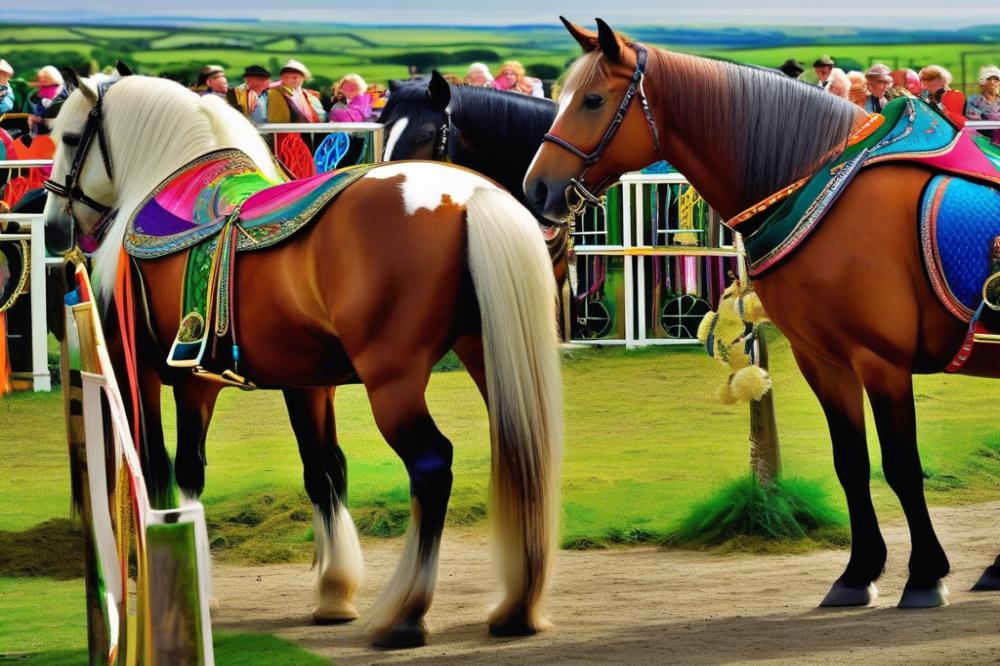
Horse Fairs hold a special place in the heart of Irish culture. These events are far more than mere marketplaces; they symbolize a connection to Ireland‘s rich history with horses. For centuries, horses have been vital livestock, essential for farming and travel. They have also played a significant role in shaping local communities.
Traditionally, these fairs brought together buyers and sellers from various regions. People would gather not just to trade animals, but also to reconnect with neighbors and celebrate a shared love for horses. The atmosphere buzzed with excitement, filled with the sounds of spirited conversations and lively horses. This blend of commerce and camaraderie creates a unique experience that many look forward to each year.
Communities deepen their bonds during these gatherings. Families attend with their children, teaching them about equestrian traditions and responsible animal care. Through the years, stories are shared, traditions passed down, and friendships strengthened. Horse Fairs in Ireland are more than just a market; they are a crucial element of social life, reflecting an enduring heritage.
The Historical Context of Horse Fairs in Ireland
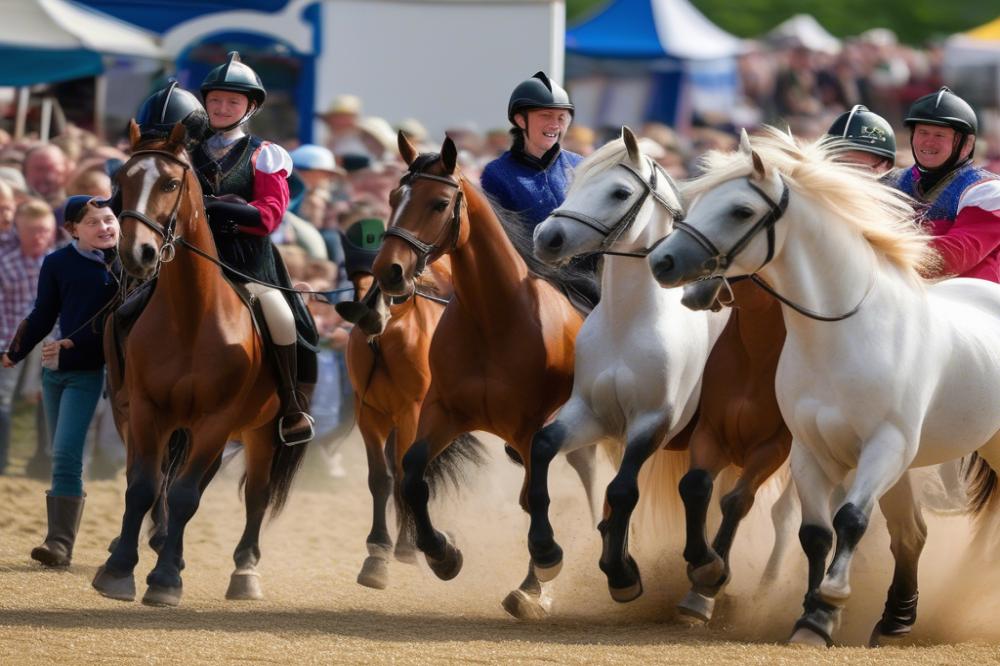
The origins of horse fairs in Ireland reach back centuries. These events likely began as practical gatherings for trade. Farmers and horse breeders would come together, looking to buy or sell animals. Initially, horses were essential for farming and transportation. Their value was significant to local economies.
Over time, horse fairs transformed from simple markets into vibrant social events. People started to come not just for trade but to connect with friends and neighbors. The community aspect grew, and these fairs became places to share stories and celebrate local culture. Music, dance, and food often accompanied the trading activities.
The role of these gatherings in the local economy cannot be overstated. They provided a platform for commerce, allowing people to exchange goods and services. Local craftspeople frequently set up stalls, selling everything from saddles to other supplies. The economic impact extended beyond the trades directly involved in livestock. Money circulated among various vendors, benefiting the community as a whole.
Socially, these gatherings acted as vital touchpoints for rural communities. Generations of families gathered in the same locations year after year. Children grew up attending with their parents, learning through experience. Friendships formed and strengthened, reinforcing community ties.
Horse fairs illustrate the blending of business and community spirit in rural Ireland. They highlight the significance of horses in daily life, not just as animals, but as part of the culture and economy. The evolution of these events reflects changes in agricultural practices and social structures over time. Today, they remain a cherished tradition, with deep historical roots.
cultural significance of horses in Irish Society

Horses hold a special place in Irish culture and history. For centuries, these magnificent animals have played a critical role in daily life. Many Traditional tales and legends feature horses prominently, showcasing their importance in folklore. Mythical stories, such as those involving ethereal steeds, illustrate how deeply these creatures are interwoven into the fabric of Irish life.
Symbolism surrounding horses often represents strength, freedom, and purity. In Irish mythology, horses are frequently depicted as being magical or possessing otherworldly qualities. This connection to the supernatural highlights their revered status. Folk narratives often revolve around heroic journeys that feature horses as loyal companions to great warriors and legendary figures.
Rural life in Ireland is intimately connected to horses. Farming communities rely on them for transportation and work. Many people in the countryside see horses as part of their identity. The bond between a farmer and their horse is one built on trust and mutual respect. Social gatherings often revolve around horses, with neighbors checking in on each other’s stock.
Events involving horses bring communities together, fostering a sense of belonging. During local festivals, people celebrate not just the animals, but the connections they create. These shared experiences contribute to a richer community identity and provide a platform for storytelling. Each horse has its own unique story and place in these gatherings.
In summary, the relationship between horses and Irish society is profound. They are not just animals; they are symbols of heritage and pride. This enduring bond continues to shape the culture, reflecting the values and history of the people. The legacy of horses in Ireland will surely endure for generations to come.
Equestrian Traditions and Breeding Practices
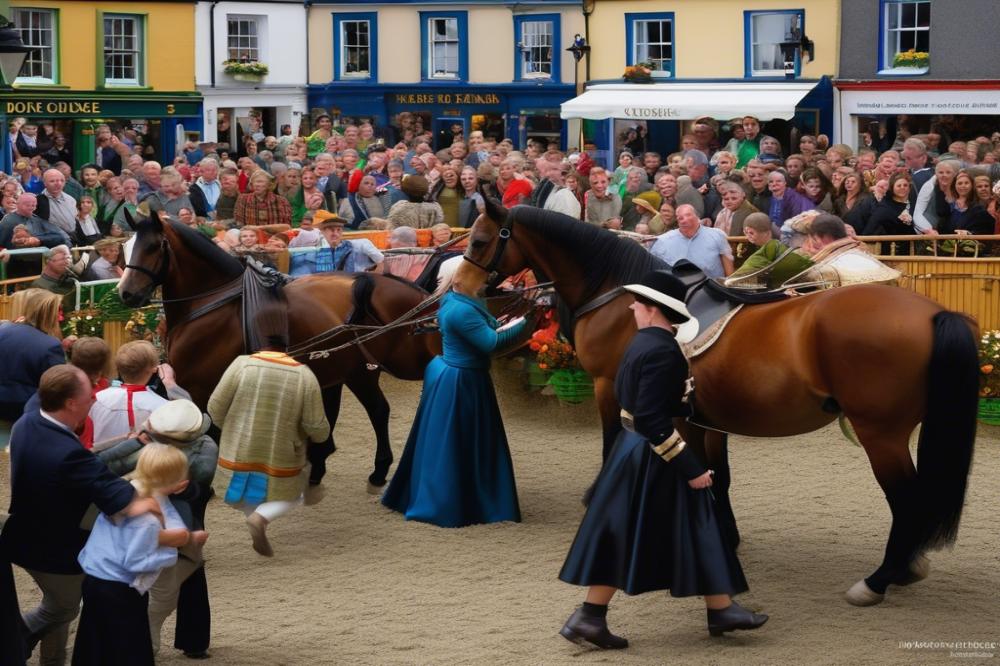
In Ireland, breeding practices at traditional fairs are deeply rooted in culture. Many owners strive to showcase their horses, emphasizing quality and lineage. This commitment to excellence is reflected in the careful selection of breeding stock. Breeders often look for certain traits that make each horse stand out. The beauty and performance of the animal matter significantly in these events.
Several equine breeds are native to Ireland, each with its own distinct characteristics. The Irish Draught, for example, is known for its strength and versatility. It excels in various disciplines, from jumping to dressage. The Connemara Pony, another beloved breed, is cherished for its agility and gentle temperament. Young riders often find this breed suitable for their first competitions due to its manageable size and nature.
Attention to detail is crucial in breeding practices. This meticulous approach helps in producing horses that not only perform well but also have excellent health. Many breeders focus on the horse’s temperament, as a calm and trainable animal is preferable. Such traits are essential for both performance and companionship.
Promoting quality breeding is a vital aspect of fairs in Ireland. These gatherings provide opportunities for breeders to network and share knowledge. They also serve as platforms to display exceptional horses. Winning accolades at such events is a source of pride. It can even significantly increase the horse’s value in the market.
Overall, these equestrian traditions showcase the rich heritage of Ireland. Breeding for quality is not just about winning ribbons. It’s about preserving a legacy that honors the bond between humans and horses. This connection remains at the heart of the country’s horse culture.
Sales and Trading Dynamics at Horse Fairs
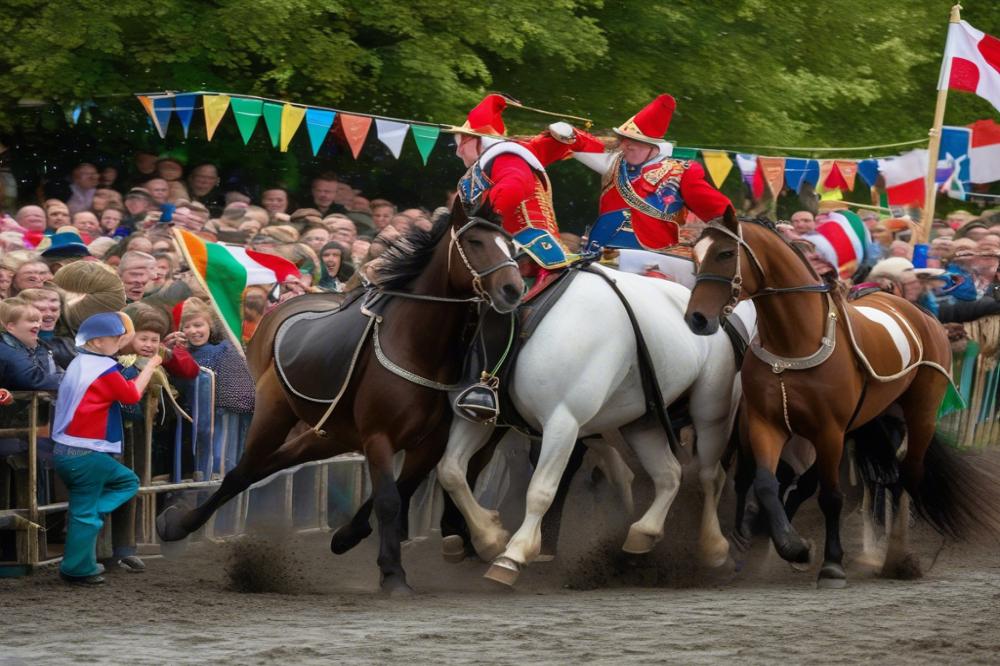
When it comes to buying and selling horses in Ireland, horse fairs hold a distinctive place. Participants engage in a lively atmosphere characterized by bargaining and negotiation. Prices often vary widely. Sellers and buyers approach each deal differently. Knowing the horse’s lineage can influence discussions significantly. Some trades happen quickly, while others take hours.
Negotiation tactics are crucial for both parties. Experienced buyers may start with a low offer, testing the seller’s limits. Sellers might play hard to get, highlighting the horse’s strengths. This dance of haggling is familiar to locals. Trust builds over time, and reputations are important. A well-respected seller can command higher prices due to their credibility.
Horse fairs serve an invaluable purpose in rural economies. They provide a venue where the community can gather. Selling livestock is essential for many families. Income from these trades supports families and local businesses. Bargaining at fairs allows for immediate cash flow, which is often needed for immediate expenses.
Understanding the market is crucial for success. Prices can fluctuate based on demand, season, and the quality of horses available. Buyers often do their homework before arriving. They may consult friends or check previous sales to gauge the horse’s market value. Many are eager to find the right animal, whether for work, sport, or leisure. This quest adds to the excitement of the experience.
Communities rely heavily on these gatherings. Livestock trading is more than just a transaction; it strengthens community ties. Friends and neighbors meet, facilitating the exchange of information and expertise. Additionally, fair days are social occasions. The chance to catch up with old friends keeps people coming back year after year.
Not every interaction is straightforward. Sometimes, emotions run high. The passion for horses can spur heated debates over prices. Yet, respect is usually maintained. Ultimately, the fair serves as a microcosm of rural life, highlighting both the economic and social dimensions of horse trading.
Festivals and Exhibitions: Celebrating Equestrian Culture
The horse fairs of Ireland are vibrant festivals that bring together communities to celebrate equestrian culture. These events showcase a rich tapestry of traditional skills, connecting people with the past. Visitors can witness thrilling competitions where riders demonstrate their horsemanship. Emphasis is placed on speed, agility, and the bond between horse and rider.
Throughout the fairs, various demonstrations highlight the versatility of horses. From dressage to show jumping, each event reveals a different aspect of riding. Local trainers often take pride in showcasing their talents. Some competitions allow for informal participation, encouraging novice riders to join in the festivities.
Alongside competitions, families can explore various booths offering equestrian gear and crafts. Vendors sell handmade saddles, riding apparel, and artwork inspired by horses. This lively marketplace enhances the atmosphere of the fair, attracting not just equestrians but also local art enthusiasts.
Community spirit thrives during these gatherings. Friends and families gather to cheer for their favorite competitors. Sharing stories over a cup of tea or a plate of local delicacies strengthens bonds. Events like these leave lasting impressions on both residents and visitors alike.
Engaging shows often include traditional music and dance, adding to the festive atmosphere. Performers capture the essence of Irish culture, creating a joyous experience. The sound of laughter and cheers fills the air, as everyone shares in the excitement of the day.
The influence of horse fairs on local tourism is significant. Each year, more tourists flock to the fairs, eager to experience the unique culture. This influx boosts the economy as local businesses thrive. Restaurants, hotels, and shops benefit from the increased foot traffic, fostering a sense of pride within the community.
Overall, these festivals serve as a vital link between the past and present. They celebrate the historical importance of horses in Irish society while embracing modern equestrian skills. By bringing people together, the fairs reinforce community ties and promote local heritage.
Modern Challenges and the Future of Horse Fairs
Traditionally, horse fairs have been a vibrant part of Irish culture. However, modernization has brought significant changes. People now face many challenges that were not present in earlier times. Once bustling gatherings are seeing fewer attendees. Economic shifts also play a critical role in this decline.
Young people today have different interests and priorities. As technology advances, many prefer digital interactions over physical markets. Traditional selling methods are becoming outdated. This can lead to a reduced number of buyers and sellers at these events.
Rising costs also present a problem. Maintaining horses and their care has become expensive. Many families struggle to afford the upkeep of equestrian activities. As costs rise, fewer people can participate in these fairs. The connection to agriculture and rural life is fading as urban lifestyles dominate.
Concern over the future of these gatherings grows. How can organizers attract new participants and revive interest? Finding ways to modernize while keeping the heritage alive is essential. Events need to adapt to the current economic landscape.
Engaging the community is crucial. Local involvement can help in revitalizing these gatherings. Activities that promote education about horses might draw younger crowds. Hosting workshops, exhibitions, or family-friendly entertainment could renew interest in traditional practices.
Once, horse fairs were about more than just buying and selling. They were social events that fostered relationships and community bonds. Reviving that spirit could lead to increased participation. Ideas must be explored to breathe new life into these traditions.
Preservation of equestrian heritage should remain a priority. It’s important to honor the past while embracing change. Future generations must appreciate the significance of these events. Balancing tradition with innovation may hold the key to the horse fair’s survival.
Final Thoughts
Horses have always held a special place in the heart of Irish culture. They influence community life in ways that go beyond mere transportation or labor. The gatherings centered around equestrian events reveal the deep connection people have with these animals. Community bonds strengthen as families share stories, music, and memories at these vibrant fairs.
Preserving the traditions surrounding these events is vital. Future generations deserve to experience the magic and excitement that come with the festivities. By maintaining this legacy, we ensure that the values of friendship, respect, and craftsmanship remain alive.
It is essential to appreciate the role of horses in our society. They represent not only a means of livelihood but also a source of joy and pride. The rhythm of hooves against the ground carries the stories of Ireland’s past, shaping its present and future. Celebrating these deep-rooted traditions will allow the spirit of equestrian life to thrive for years to come.

