
Introduction
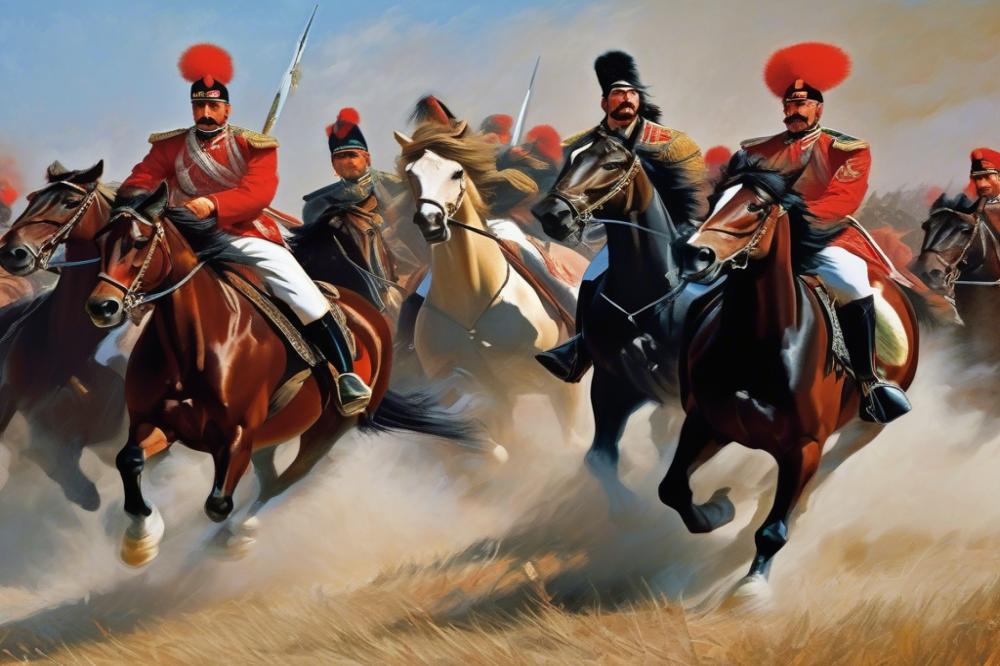
The role of horses in horses-in-the-traditional-agricultural-practices-of-medieval-europe”>military history is significant, particularly when examining the contributions of the Cossacks. These skilled horsemen and their loyal steeds were integral to their success in various conflicts. Equestrian skills were more than just a talent; they were essential. In battles, cavalry formations often determined the outcome. Powerful and agile, horses allowed warriors to maneuver quickly and effectively.
Cossack culture has always emphasized a close bond between rider and horse. Riders trained from a young age, developing a connection that would serve them well in battle. This relationship was not merely practical; it was deeply rooted in their way of life. Horses represented freedom, strength, and loyalty, allowing these warriors to navigate both the vast steppes and the complex world of warfare.
Each mounted soldier played a vital role in their unit. Formations such as the wedge or the line were organized around the mobility of these animals. The speed and agility of a well-trained horse could turn the tide of any skirmish. Moreover, the ability to strike swiftly and retreat just as quickly defined their approach to combat.
As we delve deeper into the subject, we will explore how the Cossacks used their equestrian prowess to create a lasting impact on military strategies throughout history. Understanding their unique connection with horses offers insight into both their culture and their effectiveness on the battlefield.
The Historical Significance of Cossacks
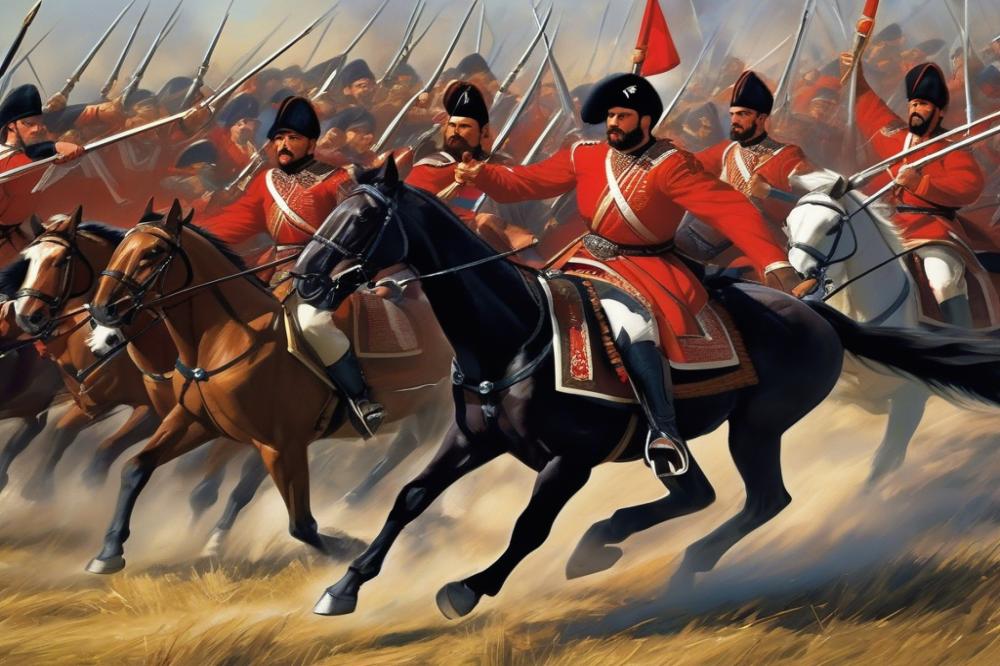
The Cossacks emerged in the 15th century as a distinct group in Russian society. This formation stemmed from diverse influences, including Russian, Ukrainian, and Tatar cultures. Over time, they developed a unique identity characterized by independence and a strong military tradition. Often seen as borderland warriors, they played a vital role in defending territories.
Their social structure was notable for its democratic elements. Leadership was based on merit and ability, rather than birthright. Community gatherings, known as krug, allowed members to voice opinions and elect leaders. Such practices fostered camaraderie and a sense of belonging. These gatherings promoted not just decision-making but also cultural expression.
A robust cultural identity complemented their social organization. The Cossacks had customs that included music, dance, and folklore, reflecting their diverse heritage. Their dress was also significant, featuring traditional garments that indicated rank and role within the group. This cultural richness made them more than just soldiers. Their lifestyle encapsulated a unique blend of freedom, tradition, and strength.
Horses were central in shaping their way of life. Agricultural work often required mounted preparation, while being a proficient rider was essential for military effectiveness. The strength and agility of their steeds reflected their personal and cultural identity. Each rider formed a bond with their horse, seen as a partner in both work and battle.
Military prowess relied heavily on their equestrian skills. Formations on horseback enabled rapid movement across vast territories. Whether chasing down enemies or patrolling borders, these warriors exhibited unmatched agility. Their cavalry tactics would later become a model for various military strategies.
The connection between horses and the Cossacks reinforced their status in Russian military history. Families often raised and trained horses from a young age, ensuring a strong bond between rider and steed. This relationship was not merely functional; it was deeply personal. These animals became a symbol of pride, reflecting the spirit of independence that defined the Cossack way of life.
Cossack contributions significantly impacted Russia’s northward expansion. Their knowledge of the land and superior horsemanship were instrumental during campaigns. As they moved through different regions, they established a reputation built on both fearlessness and skill. This established them as formidable adversaries on the battlefield.
Cossack Cavalry in the Russian Military
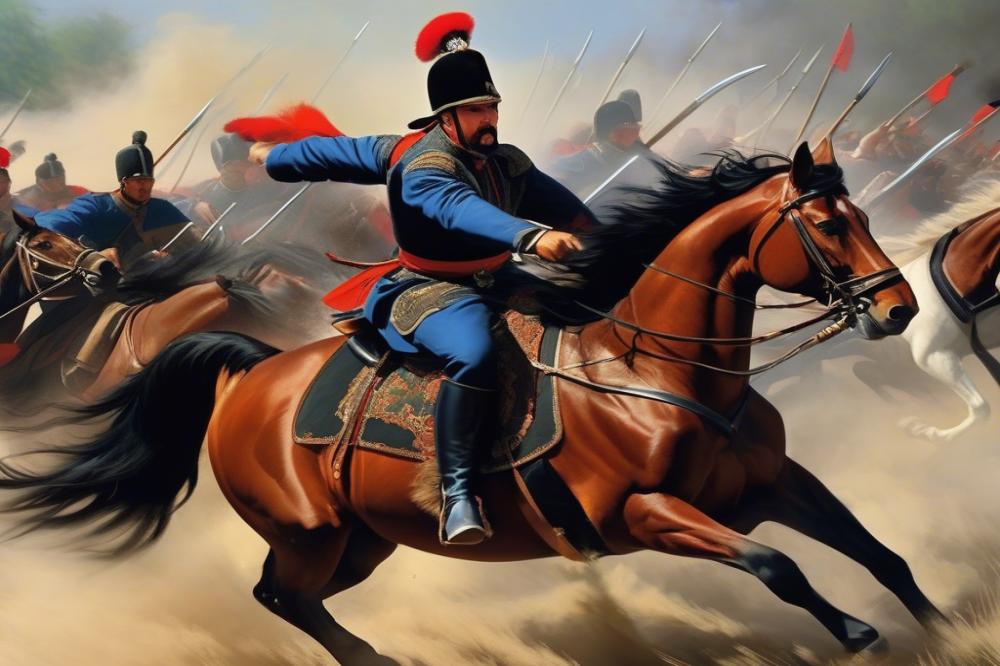
The cavalry of the Cossacks has always been an integral part of Russia’s military history. Organized into distinct units, they played vital roles in various campaigns. Their formation and structure differed somewhat from other military troops of the time. Each Cossack unit operated as a semi-autonomous group, often with a leader chosen from among their own ranks.
Typically, a Cossack regiment would be made up of around 300 to 1,000 horsemen. This size allowed for effective mobility in the field. Factors such as regional differences and the historical period influenced their organization. Commanders employed strategies that highlighted their exceptional horsemanship and ability to fight on the move.
When compared to other mounted troops in Russian history, Cossack cavalry showcased a remarkable ability to adapt. Unlike regular cavalry units, they were not just professional soldiers. Many Cossacks came from peasant backgrounds and had a deep connection to their land. The combination of traditional practices and military tactics allowed them to stand out on the battlefield.
Specific military units formed by the Cossacks often had specialized roles. Some focused on reconnaissance, while others engaged in direct combat. This flexibility made them invaluable during times of war. Established units, such as the Don and Kuban Cossacks, became known for their fierce loyalty and effective fighting skills.
In the grand narrative of Russian military history, Cossack cavalry holds a unique place. They were integral to the expansion of Russian territory in the 17th and 18th centuries. They often acted as scouts and raiders, providing intelligence and disrupting enemy lines. Traditional tactics employed by these horsemen differed significantly from those used by regular army cavalry.
During times of peace, Cossacks assumed roles as local law enforcement. Their presence in rural regions served to maintain order and protect communities. Their dual identity as soldiers and peasant leaders created a distinctive cultural influence within Russia. Histories of their exploits often romanticize their bravery and skills, but the reality was grounded in their commitment to service and land.
Equestrian Skills and Training of Cossacks
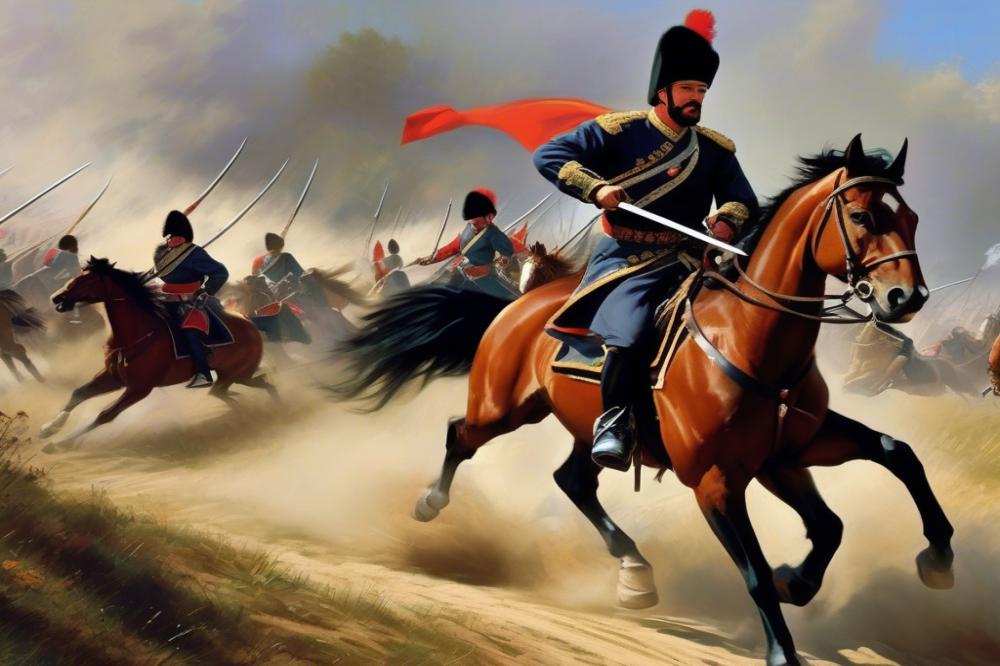
The training of Cossack horsemen has a deep-rooted history. Mastery of riding was not merely a skill; it was a way of life. Young boys began their education on horseback at a very early age. This early exposure laid the foundation for their future as skilled cavalrymen.
Each horse held an important role in the life of its rider. Breeding practices were selective and aimed at producing strong, agile animals. The strength and stamina required for military duties were vital traits for these steeds. Horse care was just as crucial. Proper feeding, grooming, and general health maintenance were routine. Only the best horses were chosen for combat, ensuring that the rider could rely on their partner under pressure.
Cossacks took pride in their unique bond with horses. This bond extended beyond mere functionality; it was a part of their cultural identity. Equestrian skills were celebrated in songs, dances, and folklore. Warriors who could skillfully maneuver their horses often had an advantage in battles. Their ability to quickly change direction and engage in acrobatics was notable.
The art of riding and fighting on horseback required rigorous training. Many Cossacks engaged in exercises that involved rapid movement and weapon handling while mounted. Learning to shoot accurately while galloping was considered essential. Such skills added to their effectiveness on the battlefield.
Training was often a communal activity. Groups of horsemen would practice together, fostering camaraderie and competition. This environment helped sharpen their skills. Equestrianism reflected their values of bravery and honor. The influence of horses in Cossack life extended beyond the battlefield, shaping their social interactions.
In essence, equestrian skills were intertwined with military effectiveness. Success in warfare relied heavily on the harmony between horse and rider. The deep connection cultivated in training and daily life made them formidable opponents. The legacy of their horsemanship remains an important aspect of their cultural heritage.
Military Tactics and the Use of Horses in Warfare
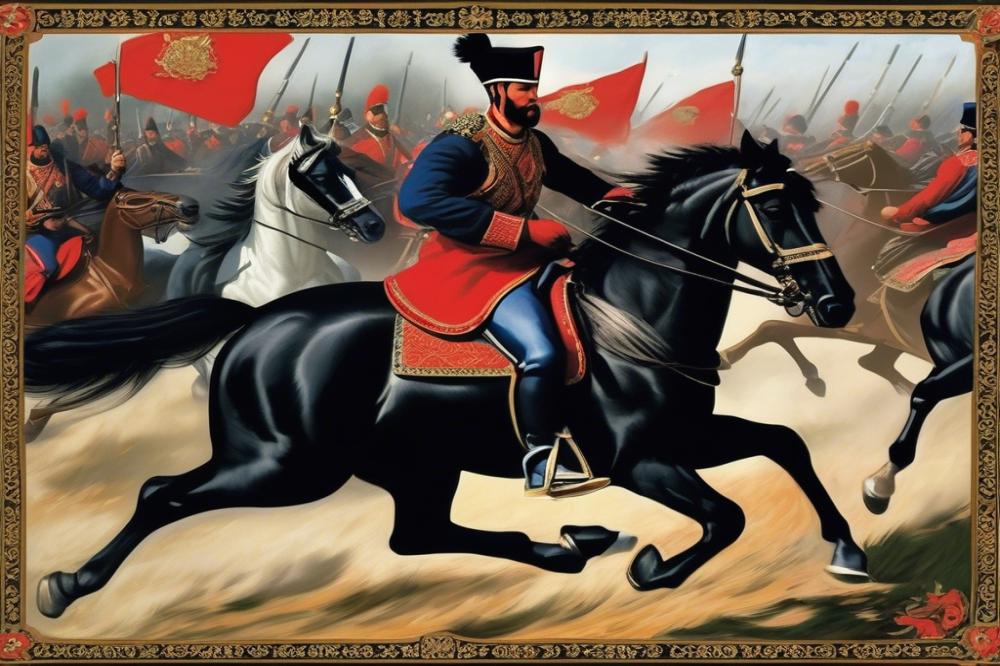
The military tactics employed by Russian Cossacks are steeped in history and tradition. Mobility played a vital role in their success. Cavalry units could quickly change the tide of battle with their speed and agility. This adaptability allowed them to launch surprise attacks and retreat before the enemy could regroup. Cossacks utilized their horses not just for riding but also as instruments of warfare.
Often, they executed hit-and-run tactics. These encounters left their enemies disoriented and confused. Cossacks were known for their scouting abilities, which provided crucial intelligence. By moving swiftly, they could observe enemy movements and report back to their commanders without risking capture.
In addition to scouting, Cossacks developed unique formations. They often fought in tight, organized clusters that could swiftly disperse. This tactic increased both their ability to attack and their chance of escape. The ability to change formations quickly was key during confrontations. They could adapt their method of warfare to the situation as it unfolded on the battlefield.
During engagements, Cossacks demonstrated remarkable coordination. Relying on each other’s strengths made them a formidable force. Their horses were chosen for both endurance and speed, allowing troops to travel long distances and engage the enemy effectively. Furthermore, they often rode together in formations that facilitated both offense and defense. This level of strategy showcased their deep understanding of tactics and horse use.
Notable battles illustrate Cossack effectiveness. Their cavalry often overwhelmed adversaries with sheer speed and maneuverability. In many cases, enemy forces struggled to contend with the adaptability of the Cossack riders. Through calculated assaults and swift retreats, they redefined expectations in military confrontations. Many victories highlighted how potent well-coordinated equestrian skills could be in warfare.
Overall, the importance of horses in Cossack tactics cannot be overstated. Horses gave them the edge needed in many battles. The combination of skilled riders and exceptional animals created a military unit capable of executing bold strategies. Understanding these tactics is crucial to appreciating the historic role of Cossacks in military engagements.
The Role of Horses in Cossack Culture
Horses have always held a special place in the lives of the Cossacks. These animals were more than just means of transportation; they were integral to their identity. The bond between horse and rider often reflected a deep relationship based on trust and loyalty. Many stories highlight this connection, showing how horses became symbols of freedom and strength.
In Cossack tradition, horses are celebrated in folklore and songs. Tales often feature heroic riders overcoming great challenges with their trusted steeds. The imagery of gallant knights on horseback creates a vivid picture of bravery. Daily life revolved around these animals. Tasks such as herding cattle or patrolling borders relied heavily on them.
Cossack society celebrated the horse through festivals and competitions. Events like horse races showcased not only speed but also skill in handling these majestic creatures. Through such activities, camaraderie and spirit flourished among communities. Horses embodied the values of resilience and courage that were central to their way of life.
The importance of horses extended into practical aspects as well. They played a crucial role during military campaigns, enabling swift maneuvering across vast landscapes. Without these animals, many military strategies would fail. Their endurance allowed soldiers to cover long distances, a significant advantage in battles.
Spiritual beliefs also embraced the significance of horses. In various rituals, they represented power and connection to the land. Even in death, the steeds received honor, a testament to their impact on human lives. From birth to burial, horses featured prominently in every phase of life.
Clothing and adornments often reflected the horse’s status in Cossack culture. Beautifully crafted saddles and bridles displayed artistic skills. These items became heirlooms passed down through generations. The care taken in their maintenance reflected the deep respect for the animals.
Understanding the role of horses in Cossack life offers insights into their values and traditions. They were not merely animals; they shaped the very fabric of their society. This relationship has endured through time, keeping the spirit of the Cossacks alive. It’s impressive how these four-legged companions influenced such a unique culture.
Final Thoughts
The military history of the Russian Cossacks cannot be understood without acknowledging the significant role of horses. These majestic animals were not merely transportation tools; they were vital partners in battle. Each rider developed a strong bond with their steed, a relationship built on trust and reliance. Such connections contributed to their effectiveness in combat and enabled swift movements across vast terrains.
Cossacks utilized their cavalry to great effect. They became known for their incredible speed and agility, often surprising their adversaries. Their training included complex maneuvers that showcased the deep understanding between horse and rider. This synergy set them apart in military engagements, allowing them to adapt to changing circumstances with remarkable ease.
Reflecting on their contributions, it’s clear that this relationship shaped Russian history significantly. Cossacks played pivotal roles in various conflicts throughout the nation’s past. Their impact extended beyond the battlefield, influencing culture and community life. Stories of their bravery and skills became woven into the fabric of folklore, celebrating both the warriors and their horses.
In modern times, the legacy of Cossack cavalry can still be felt. Military strategies have evolved, but the principles of agility and teamwork remain relevant. Cultural references to the Cossacks and their trusted companions persist in literature and art. Schools, museums, and festivals often pay tribute to this incredible history.
One cannot overlook the lasting impression made by the partnership between humans and horses in this context. The story of the Cossacks is a powerful reminder of the connections that enhance both military and cultural narratives. Their heritage continues to inspire new generations, leaving a mark that goes beyond the passages of time.

