
Introduction
The Silk Road was not just one route, but a vast network of trade pathways that connected East and West. Spanning thousands of miles, this intricate system played a crucial role in the exchange of goods, ideas, and culture. The routes facilitated trade between powerful empires such as the Romans, Persians, and Chinese. Along these roads, merchants transported silk, spices, and precious metals. Each of these items told a story of journey and connection.
Throughout history, animals have held a significant place in various societies. In many cultures, they are symbols of power, freedom, and companionship. They represent a bond between people and the natural world. In places along the Silk Road, the impact of certain animals, particularly Horses, was profound. They enabled communication across vast distances and ushered in an era of interconnectedness.
Transportation of goods relied heavily on these animals. Merchants could carry more weight on horseback than they could alone. Travel became quicker and more efficient with these four-legged partners. As a result, the trade of valuable commodities increased. This improvement bolstered the economy in different regions, promoting prosperity and growth. With such a vital function in trade and transportation, the imprint left by these animals is evident throughout history.
As goods moved from one place to another, different cultures interacted in ways they had never experienced before. The Silk Road made this possible, and it changed lives in countless ways. From the depths of Chinese dynasties to bustling markets in the Middle East, this network served as a lifeline. Horses, as key participants in this great exchange, made it all possible.
Horses and Caravan Transportation
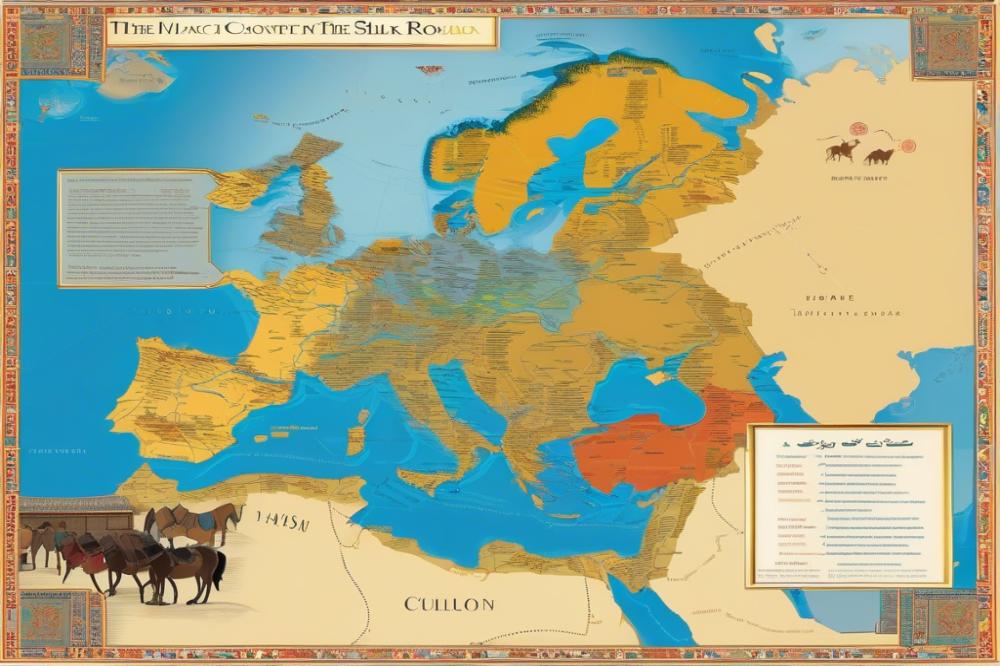
Horses played a vital role as a means of movement along the trade routes of the Silk Road. They facilitated the transport of goods over vast distances. Merchants relied heavily on them to carry their wares. This method of transportation allowed for quicker travel compared to using carts or walking. Speedy movement meant that trade could flourish.
When comparing horses to other animals, camels were another notable option. Camels excelled in desert conditions, while horses were preferred in more diverse terrain. These differences shaped the choices traders made on which route to take. While camels could carry heavier loads longer distances without water, horses helped cover ground quickly.
The impact of horses on the trade network was significant. Their ability to traverse various landscapes contributed to the overall efficiency of trade. Now, goods could travel further in shorter spans of time, connecting distant cultures. Faster transport of spices, silk, and other commodities resulted in increased demand. With this demand came more trade routes, creating a web of economic activity.
Riders also played a part in communication. They could relay messages and news between cities much faster than traditional means. This exchange of information gave traders insights that were crucial for success. Ultimately, the establishment of a reliable transportation system transformed the Silk Road into a thriving trade network.
One must consider how this method of travel shaped the interactions between different groups. As merchants shared their cultures, languages, and ideas, the Silk Road became more than just a trade route—it became a corridor for cultural exchange. Through every journey, the influence of these animals was felt far and wide.
Horses and pastoral nomadism
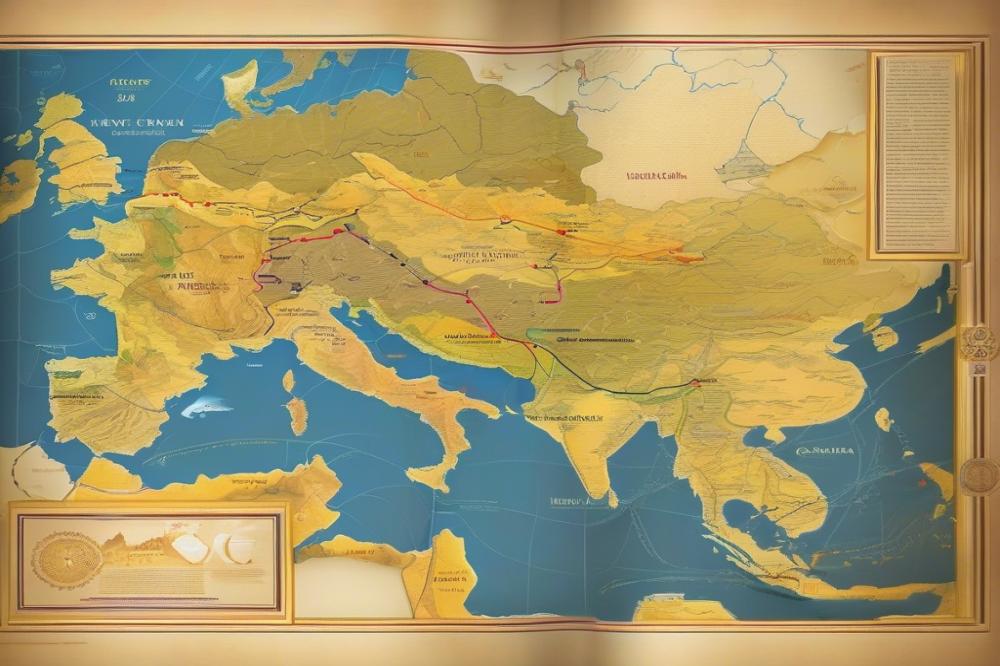
Nomadic cultures have a deep relationship with these animals. They serve not only as a means of transportation but also as a vital source of sustenance. For many groups, moving with their herds depends on the presence of these animals. This is especially true in harsh environments where agriculture is difficult. Mobility becomes essential for survival.
In pastoralist economies, these creatures play a significant role. They can be crucial for carrying goods and people across vast distances. Such functions help link communities in ways that would otherwise be impossible. Livestock contributes to trade, creating opportunities for bartering and exchange. This system supports the livelihoods of numerous families in diverse regions.
Culturally, these animals hold a special place among nomadic groups. They symbolize strength, freedom, and endurance, resonating deeply with the values of those who live a wandering life. Traditions often involve horses in storytelling, celebrations, and rituals. Many songs and artwork depict them with affection, representing the bond between the herder and their companion.
Relationships forge not just practical dependencies but emotional connections as well. Herding cultures often see them as part of the family. These beings are more than just livestock; they embody identity and legacy. Treating these animals with respect is vital, as they represent a way of life and community ties.
The presence of this livestock also brings practical benefits. For instance, they can help transport heavy loads and assist in herding other animals. Their speed and agility enable nomads to adapt swiftly to changing conditions. Such adaptability is essential in the unpredictable landscapes of steppe and desert.
This unique bond leads to shared knowledge passed down through generations. Techniques for caring and training remain crucial for maintaining these vital relationships. Practices differ among communities, but the underlying respect for the animal remains constant. Indeed, these creatures have shaped the very essence of pastoral life across vast expanses.
Horses in Military Strength and Economic Impact

Military campaigns relied heavily on the power of animals. Armies that utilized steeds could move quicker and cover larger areas. This advantage was crucial in battles along the Silk Road. Many leaders understood that mobility could turn the tide of war. They often raced into battle on horseback, ready to take on their enemies.
Horseback warfare shaped trade and influenced power dynamics. Warriors could attack swiftly and retreat when needed. This ability allowed them to control key trade routes. With control came wealth. More access to trade meant more resources for their territories. Others needed to negotiate or even make alliances due to the strength of these mounted forces.
Economically, the trade of horses presented many opportunities. Regions along the Silk Road became hubs for livestock exchange. This trade created jobs and improved local economies. Farmers raised stronger breeds for warfare, which increased their value significantly. The management of these animals led to better practices in agriculture and trade. Over time, cities flourished with the income derived from this sector.
Additionally, livestock management provided food and resources. People raised animals for meat, milk, and other products. Such resources were essential for sustaining large armies. A sustained army was a powerful deterrent against rival groups. Therefore, the relationship between horses, military strength, and trade became interlinked.
Cultural Exchange Facilitated by Horses
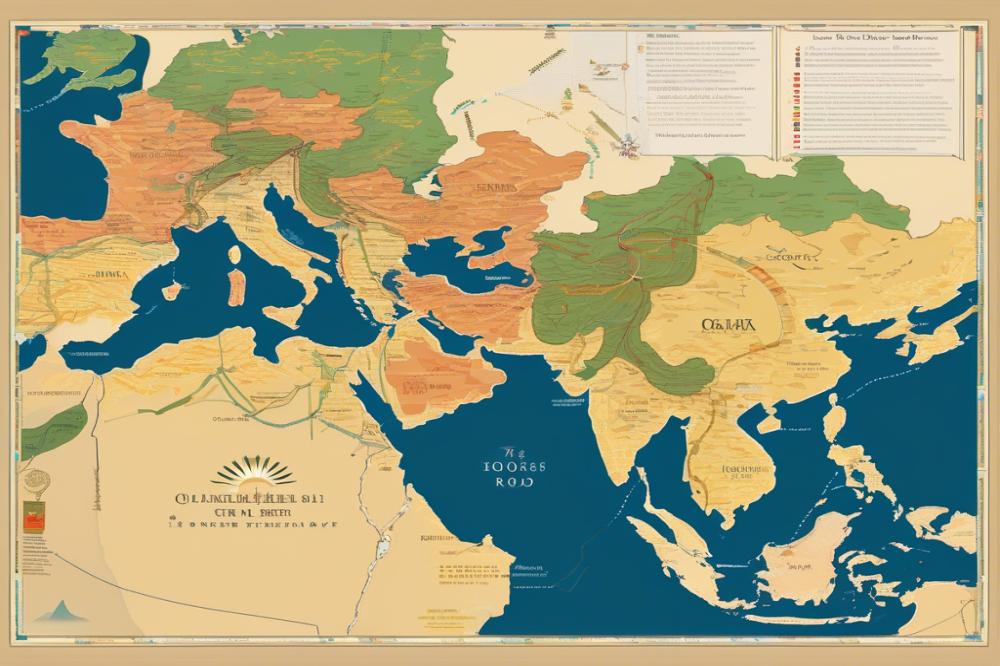
Throughout history, the movement of people along the Silk Road brought together diverse cultures. One key factor in this interaction was the role of equestrian practices. Civilizations shared ideas and innovations that were crucial for their development. Notably, these exchanges often occurred through trade, warfare, and exploration.
Equestrianism served as a bridge between groups. Techniques in horse breeding spread from one region to another. This sharing of knowledge not only improved transportation but also fostered relationships among traders and communities. Merchants sought not just goods, but also the wisdom of different cultures.
There was a fascination with horse-related customs across various civilizations. Greetings, rituals, and even sports began to reflect this influence. For example, horses played a significant role in festivals, from East to West. Such celebrations helped forge connections between groups that may have never interacted otherwise.
Language and storytelling also saw change during this time. The use of equestrian terms often crossed rigid cultural lines. Stories about horses and riders became popular, promoting a shared love for these magnificent creatures. This cultural blending led to new art forms, literature, and philosophies.
The interactions surrounding equestrianism went beyond simple exchanges. They impacted social structures, as people began to view horse ownership as a status symbol. In some areas, possessing a fine steed indicated wealth and power, thus altering societal norms. Different communities adopted and adapted these practices, leading to varied cultural expressions.
Festivals featuring horse racing or parades became common. These events attracted spectators from different regions, bridging gaps between cultures. As people gathered, they exchanged stories and ideas, creating a richer tapestry of shared human experience. The equestrian world acted as a medium for understanding and unity.
Additionally, trade routes that relied on equine transportation saw the spread of inventions and techniques. Innovations like the stirrup or saddle originated in one area, traveled through trade, and transformed how people managed their tasks. Each advancement impacted lifestyles and economies, intertwining cultures in unexpected ways.
Across the vast distances of the Silk Road, horses facilitated more than just movement. They became symbols of resilience and adaptation, making cultural interactions vibrant and dynamic. In a world that often faced conflict, this common interest helped cultivate a sense of shared identity among diverse groups.
Horses and Agricultural Development
Role of Horses in Agriculture along the Silk Road
Farming along the Silk Road relied heavily on the use of horses for transportation and labor. Farmers utilized these animals to plow fields, making it easier to cultivate crops. With their strength, they helped move heavy loads, such as harvested grain and tools. This increased efficiency had a direct impact on the productivity of farms across the region. Trade routes became essential channels for the exchange of agricultural goods, and horses played a key role in this trade.
Impact on Farming Practices and Crop Production
The introduction of these animals transformed agricultural practices. Farmers adopted new methods, inspired by the increased mobility that horses provided. Crops could be planted and harvested much earlier in the season due to the enhanced speed of farming operations. As people learned about irrigation techniques, they thrived in regions that previously could not sustain agriculture. The ability to travel further facilitated the exchange of ideas, techniques, and crops among diverse cultures, leading to innovations in farming.
Connections between Horse Ownership and Agricultural Prosperity
Owning horses often signified wealth and status. Those with more animals generally experienced greater agricultural success. Prosperous farmers could expand their land and invest in better tools. More horses meant higher production rates, which led to surplus food for families and the community. Surpluses then allowed for trade, creating a cycle that enhanced economic growth and social stability in various regions along the Silk Road. This interdependence between animal ownership and prosperity shaped agricultural developments for generations.
Historical Significance of Horses in the Silk Road
Long-term effects of horse utilization on the trade network
Using steeds changed the dynamics of trade significantly. They allowed merchants to cover great distances quickly. A network of routes developed, connecting the East to the West. Trade goods like silk and spices could move more efficiently. With faster transport, the volume of trade increased. This growth of commerce helped create a vibrant economic system. It also introduced new cultures to each other over time. Connections formed not just for trade, but also for ideas and technologies.
Horses as symbols of status and wealth across cultures
Throughout the ages, certain cultures viewed steeds as prestigious. Riders often displayed wealth through their animals. In many societies, owning a fine horse meant power and respect. Leaders and nobles often rode the most impressive mounts. This cultural significance led to a demand for breeds considered superior. Many communities celebrated these creatures in art and ceremonies. Even today, people recognize the bond between a rider and their steed as special. Traditions surrounding these animals reveal deep-rooted beliefs in status.
Legacy of the horse in shaping trade and interactions across regions
The use of these creatures laid the groundwork for future commerce. Many routes established during the Silk Road period remained significant in later times. As trade blossomed, diverse interactions flourished. People exchanged not just goods but also ideas and culture. These exchanges fostered understanding among different groups. The legacy of the horse persists in many ways. It impacted transportation methods and social structure. Even now, societies continue to celebrate their historical connections. Recognizing this past enriches our understanding of global trade today.
Final Thoughts on the Role of Equines in Silk Road Trade
Summarizing the previous discussions surrounding the role of horses in the Silk Road trade network reveals their essential contribution to commerce and communication. This remarkable animal facilitated the movement of goods, cultures, and ideas across vast distances. They enabled merchants to traverse the often-challenging terrains, connecting East and West in ways that would not have been possible otherwise.
Reflecting on the overall impact, it becomes clear that these creatures were more than mere transportation. They represented a lifeline for traders and cultures, intensifying the exchange of not just spices and silk, but also knowledge and traditions. Their presence on the Silk Road shaped economies and influenced societies. Significant cultural interactions emerged from the networks established due to the mobility provided by equines.
The relevance of horses extends beyond just historical context. Today, they remain a symbol of freedom and exploration. In various cultures, their legacy continues to be celebrated in art, literature, and traditions. The concept of pastoral nomadism highlights a lifestyle still cherished by many, showing how these animals have shaped human existence across millennia. Understanding this enduring impact gives us insight into how interconnected our world has always been, and continues to be, thanks to the contributions of horses.

