
Introduction
Throughout history, many cultures have placed great value on Horses. These majestic animals symbolized power, prestige, and wealth. In various societies, their presence often indicated a person’s standing. The relationship between humans and Horses has been complex, reflecting the values and aspirations of the time. Across the globe, from ancient Mesopotamia to the steppes of Mongolia, horses held significant roles in daily life and societal structure.
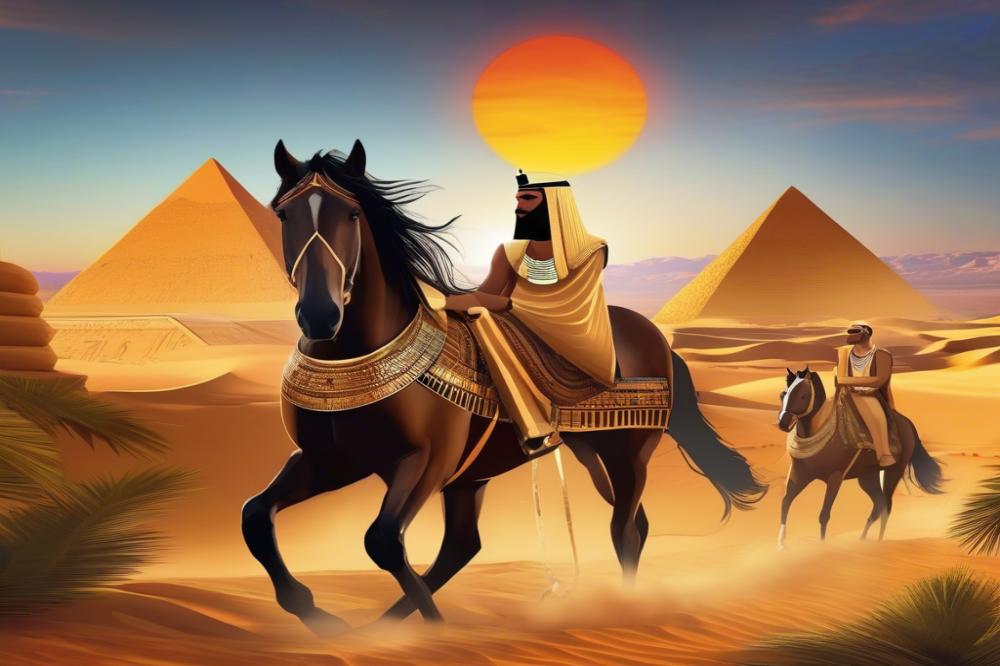
In Ancient Egypt, the importance of these creatures took on a special meaning. The Egyptian elite used horses for transportation, military ventures, and ceremonies. Their elegance and strength made them coveted among pharaohs and nobles. Owning such animals was not just a practical choice; it was also a statement about one’s rank and influence. The presence of horses in art and writings highlights their prominence in this ancient civilization.
This article explores the role of horses as Status Symbols within Ancient Egyptian society. By examining their value and significance, we will uncover how these animals represented more than mere transportation. In a world where image was critical, they became essential to understanding power dynamics among the elite. Ultimately, horses were more than a means of ride; they embodied the social hierarchy of a remarkable civilization.
Historical Context of Horses in Ancient Egypt
Introduction of Horses to Ancient Egypt
The arrival of horses in Ancient Egypt marked a significant turning point in their culture. Originally, these animals came from the regions of the Near East. This introduction occurred around the 16th century BCE, during the Middle Kingdom. Notably, horses were often accompanied by chariots. They quickly became associated with power and prestige. Common people rarely owned them. Instead, the elite used them to showcase wealth.
Evolution of Equestrianism in Ancient Egyptian Culture
As time progressed, riding techniques refined in Egyptian society. Art from the period depicts individuals skillfully mounted on these majestic creatures. Training methods evolved, leading to more effective handling and performance. By the New Kingdom, cavalry units gained prominence. These formations provided a strategic advantage in battles. Moreover, horses symbolized not only military strength but also social status. Elite families took pride in their equestrian skills. Nobility often trained their children in this prestigious discipline.
Role of Horses in Warfare and Transportation
Horses played a crucial role in military endeavors. Ancient Egyptians relied on chariots for quick movement in battle. Speed and mobility enhanced their effectiveness against enemies. Commanders valued the animals for their strength and endurance. On the roads, they also facilitated trade and communication across the kingdom. Transport became easier with these animals, connecting distant regions. Their significance reached beyond warfare, blending into daily life. Ultimately, they embodied a unique connection between strength and status in ancient society.
Horses as Symbols of Wealth and Prestige
In ancient Egyptian society, the presence of a horse often signified great wealth. Nobles and high-ranking officials were commonly associated with these majestic creatures. An individual’s ability to own and care for a horse reflected their social status. Horses were not merely animals; they represented power and prestige.
Ownership of a horse played a crucial role in defining social hierarchy. Families that had horses were seen as more prominent in the community. The rich used them for both transportation and military efforts, enhancing their influence. Consequently, those without horses were sometimes viewed as lesser in status. The wealthy aristocracy often flaunted their equestrian possessions to maintain their image among peers.
Owning such animals further illustrated personal and familial wealth. Families who owned a stable of horses often enjoyed greater respect. Wealthy individuals frequently held lavish competitions and events showcasing these animals, further cementing their elite status. Thus, a horse became a direct indicator of one’s economic standing. This connection between horses and prestige was woven deeply into the fabric of ancient Egyptian life.
Notably, a family’s reputation could rise or fall based on their equestrian status. The more horses one possessed, the more accolades they gathered. The bond between horses and nobility was undeniable, shaping perceptions within society. A horse could symbolize not just wealth, but also the aspirations of a family. Hence, the presence of these creatures in ancient Egypt went far beyond their physical beauty.
Chariots and Military Significance
Development of Chariot Technology
Chariots became crucial in Ancient Egyptian warfare. Initially, these vehicles had simple designs. Wooden frames held up by spoked wheels made them light and agile. Over time, craftspeople improved the construction with better materials. They began using bronze for fittings, enhancing durability. This technology spread rapidly across Egypt. Innovations in design led to the creation of lighter and faster chariots. These changes allowed for greater maneuverability in battle.
Use of Chariots in Warfare and Its Connection to Status
The role of chariots extended beyond mere transport. Elite warriors rode in them, making battle a symbol of power. Commanders used chariots to lead troops into combat. Owning a chariot signified wealth and social standing. Rulers often displayed their might by showcasing their magnificent chariots. The finest were elaborately decorated, setting them apart from others. This made them an essential part of royal ceremonies too.
Famous Chariot Battles and Their Historical Significance
Throughout history, several prominent chariot battles shaped Egypt’s future. These confrontations were not just military events; they were spectacles of valor. The Battle of Megiddo, for instance, showcased the effectiveness of chariotry. It also highlighted the strategic genius of leaders like Thutmose III. His successful tactics solidified his reign and expanded Egyptian territory. Such victories cemented chariots as not only military assets but also symbols of national pride. Skilled charioteers were celebrated as heroes, and their deeds often became legendary.
Horses in Egyptian Mythology and Royal Symbolism
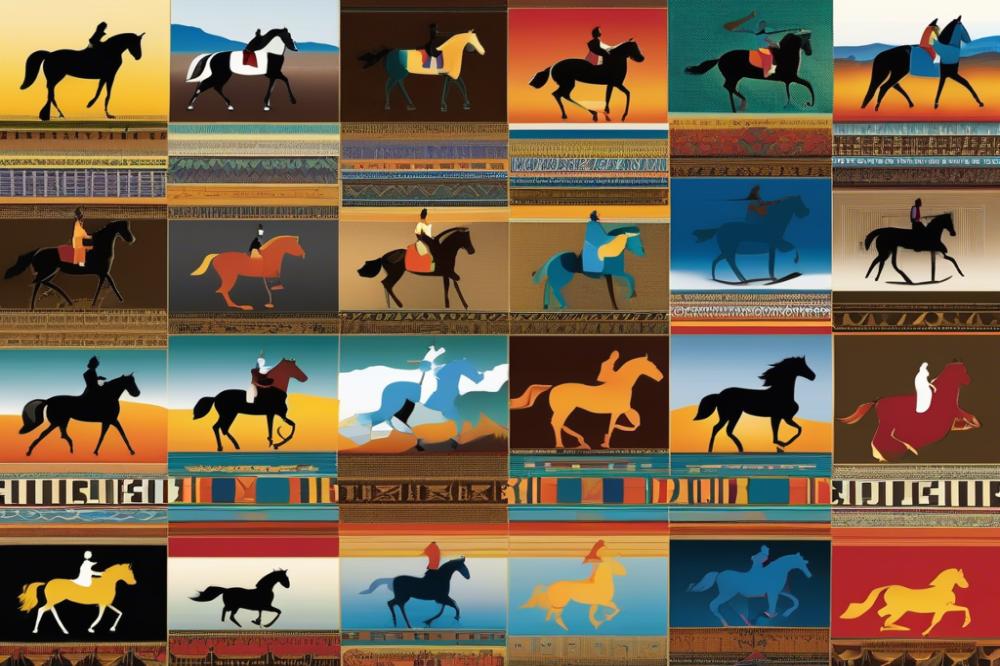
Mythological representations of horses
In ancient Egyptian mythology, horses often held significant meaning. They were frequently depicted in art and stories, showcasing their importance in the culture. Some deities were even associated with them. For instance, the goddess Isis was linked to horses as symbols of strength and power. Imagery of these majestic creatures represented speed, freedom, and nobility. This connection added depth to their standing in society. Gods and goddesses were often imagined riding or attending to them. Such portrayals solidified their place in the spiritual realm.
Roles of horses in the lives of Pharaohs
Pharaohs regarded them as more than mere animals; they symbolized wealth and prestige. Royalty utilized them in battle and for travel, enhancing their status on the battlefield and beyond. The finest examples became trophies of victory. Inscriptions and murals often depicted these powerful figures commanding their steeds. Evidence suggests that only the elite had access to the best breeds, making them a direct representation of royal power. Such animals even pulled chariots during ceremonies, showcasing their elegance.
Connection between horses and divine authority
Horses were intertwined with the idea of divine authority in Egyptian society. Strong connections existed between these animals and the gods, reinforcing the belief in the Pharaoh’s connection to the divine. Chariots pulled by horses were symbols of divine protection and might. In many instances, Pharaohs used them in rituals to showcase their elevated status. Riding into battle, they demonstrated their prowess, commanding both respect and fear. This relationship between horses and divinity emphasized the Pharaoh’s role as a god on earth, further solidifying their power and status.
Leisure Activities and Equestrianism
Horses in Recreational Contexts
In Ancient Egypt, horses played an important role in leisure activities. They were a common sight during various festivals and celebrations. People often gathered to admire the beauty and grace of these animals. Riding horses provided a way for the elite to showcase their wealth and power. It was not merely a pastime; it was a statement. Spectators enjoyed watching riders perform, displaying skill and bravery.
Popularity of Horse Riding Among the Elite
Among the upper class, equestrian activities gained significant popularity. Wealthy individuals often engaged in horse riding, viewing it as both an art and a sport. Owning horses was associated with noble status, and many sought to have the finest breeds. This activity also fostered strong social connections among the elite. Riding together created bonds, as it was often a group affair. For these individuals, it was a way to relax and escape the demands of daily life.
Cultural Events and Sporting Activities Involving Horses
Cultural events featuring horses attracted large crowds. Chariot races were especially thrilling and drew in many spectators. These races were not only entertaining; they demonstrated the skill of both the driver and the horses. Festivals often included competitions where riders showcased their ability to control their steeds. Such events contributed to the community spirit, bringing people together to celebrate. Equestrianism thus became a vital part of the social fabric in Ancient Egyptian society.
Final Thoughts on the Symbolism of Horses in Ancient Egypt
Recapping the role of these animals reveals their significance in ancient society. Not only were they prized companions, but they also represented wealth and power. Nobles and pharaohs often displayed their status through ownership of well-bred horses. Their presence in chariots further emphasized their importance in both warfare and ceremonial events.
The legacy of these animals remains evident today. They influenced art, mythology, and even political power in Ancient Egypt. Images of horses adorned walls and tombs, signifying their role as more than just transportation. Social hierarchies often mirrored the grandeur associated with these creatures. As such, they shaped the perception of power and prestige in a vivid manner.
Future civilizations and cultures felt the impact of equestrian culture as well. Horses became symbols of status in many societies following Ancient Egypt. From the cavalry of the Greeks to the horse culture of the Mongols, their influence spread far and wide. Chariots used in battle and ceremonies continued to capture the imagination of numerous societies throughout history.
In closing, the significance of these magnificent animals transcends time. They played a vital role in ancient society, embodying wealth and power. Their legacy continues to influence cultures today, reminding us of their remarkable role in human history.

