
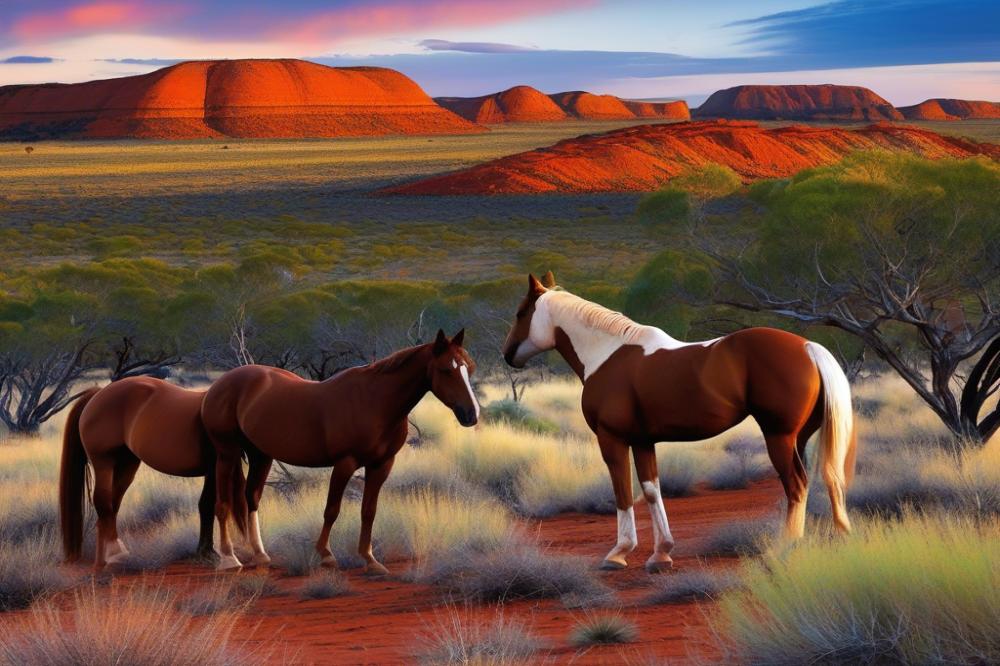
Introduction
Throughout history, animals have played a pivotal role in the growth and development of various cultures around the world. They have served as companions, workers, and symbolic figures in myths and stories. Among these animals, one stands out for its impact on transportation and labor: the horse. From the ancient civilizations of Europe to the plains of North America, they have shaped societies by improving travel, trade, and exploration.
Australia, with its breathtaking landscapes and rugged terrain, presents an extraordinary setting for exploration. Vast deserts, thick bushland, and rolling hills stretch endlessly, inviting adventurers to uncover their mysteries. This diversity makes the exploration of such a land not just a journey but a challenge. Early explorers faced obstacles like harsher weather and vast distances. Their discoveries laid the foundation for future generations.
The significance of exploration in the Australian Outback cannot be overstated. It has driven settlers to push boundaries, seek new resources, and understand the land they came to inhabit. Explorers relied on various means to traverse this rugged terrain. The introduction of Horses transformed their ability to navigate the wilds. This article will explore how Horses influenced the exploration of the Australian Outback, highlighting their indispensable role in shaping pathways through this remarkable environment.
The Historical Context of Horses in Australia
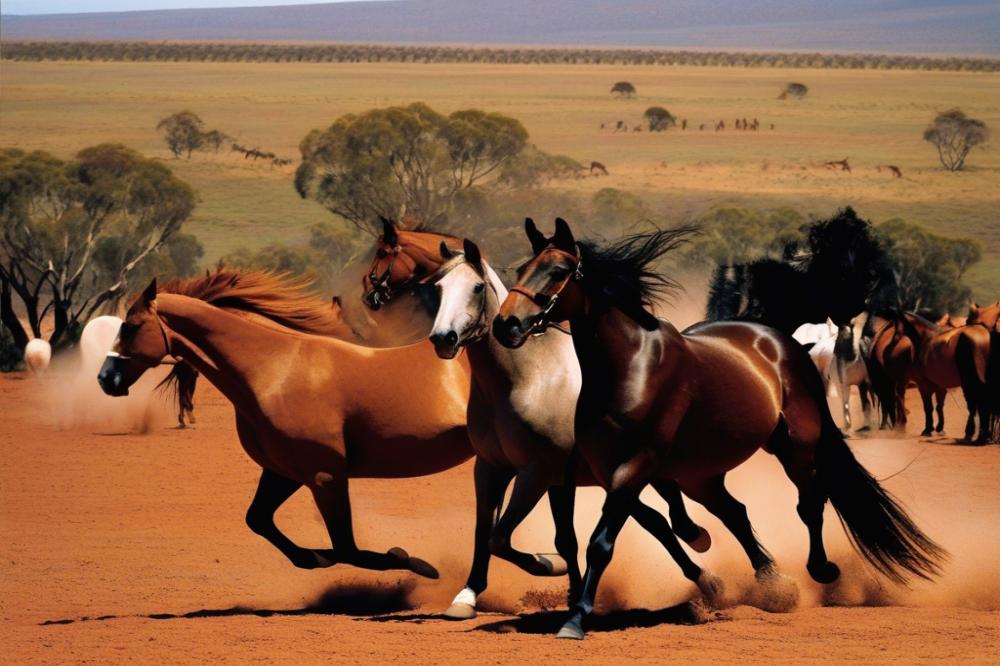
The introduction of horses to Australia began with European settlers in the late 18th century. These settlers brought their livestock and agricultural practices, marking a significant change in the continent’s landscape. For the first time, Australians experienced the influence of these animals on their lives and the environment.
Over the years, settlers developed distinct equestrian practices. Initially, horses were vital for transportation and communication across the vast expanses of the outback. As time passed, techniques evolved to manage the harsh conditions, including training methods that reflected the challenges of the Australian terrain.
Indigenous communities had their own relationship with these creatures. Before European contact, Aboriginal Australians didn’t have horses. This changed after settlers arrived, and some indigenous people began to adopt horses into their cultures. The introduction of these animals created new opportunities, but also complex challenges. Interactions between indigenous cultures and European settlers often led to significant transformations in lifestyle and land use.
The role of these animals in the lives of settlers cannot be overstated. They carried goods, aided in farming, and enabled exploration. For many, a horse represented freedom and mobility in a vast and often unforgiving landscape. Settlers learned to adapt their practices, using these creatures as crucial tools for survival and expansion.
As for the Indigenous Australians, they integrated horses into their everyday lives as well. Various new practices emerged as they learned to ride and manage them. This interaction was not without tension, as traditional land use and lifestyles faced pressures from colonization.
Throughout this period, the shift in relationships with horses reflected broader changes in society. How these animals were viewed shifted from mere livestock to symbols of strength and independence. Their presence in the outback played a role not just in exploration, but also in the shaping of cultural identities among both settlers and Indigenous peoples.
Cattle and Livestock Management
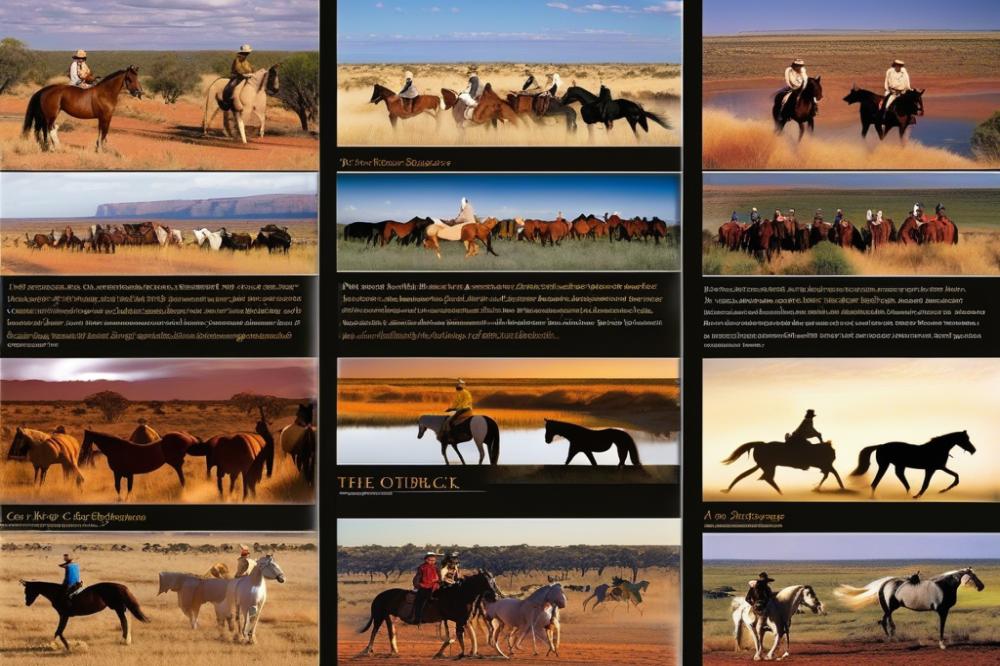
The role of horses in cattle herding is fundamental. These animals help ranchers move cattle efficiently across vast distances. Handling large herds would be nearly impossible without them. They provide the necessary speed and agility needed in the rugged landscapes of the Outback.
As the cattle industry developed, so did the techniques for herding and managing livestock. Ranchers soon realized that effective cattle management relied heavily on skilled riders. Their ability to maneuver through tough terrain became crucial. This partnership between humans and their steeds changed how livestock was raised and cared for.
Furthermore, equestrian skills became indispensable in agricultural practices. Understanding how to ride well allowed workers to navigate through difficult environments. A solid knowledge of animal behavior also helped in managing the herds. This made everyday tasks more efficient, saving time and resources.
The impact of horses on the cattle industry can still be felt today. They have shaped the way ranchers interact with their livestock. The ability to control and guide a herd remains essential. Over time, traditions surrounding cattle ranching have evolved, but the importance of skilled riding endures.
Success in the Outback often came down to the bond between rider and mount. Trust developed over many long hours in the field. Competence on horseback enabled ranchers to tackle challenges that arose in remote areas. Not only did it improve livestock management, but it also fostered a sense of community among those who worked in agriculture.
Transportation and Outback Journeys

In the rugged beauty of the Australian Outback, horses served as the main form of transportation for explorers and settlers alike. These animals played a crucial role in navigating the vast and often unforgiving landscapes. Their ability to travel long distances made them ideal companions for adventurers seeking uncharted territories.
Several notable exploratory journeys became possible thanks to these steadfast creatures. Early expeditions, such as those led by John McDouall Stuart, showcased the importance of horseback travel. His expeditions across Australia in the 19th century highlighted how these animals could traverse difficult terrains, including arid deserts and lush forests.
Challenges arose during these journeys. Dry conditions posed a significant threat, as access to water was limited. Riders faced exhaustion, not just for themselves but also for their loyal mounts. Dense bushland could slow down progress, making navigation tricky. Weather changed rapidly, affecting moods and plans.
Adventure was a constant during these explorations. Encounters with native wildlife presented both risks and moments of awe. There were also the social dynamics among various groups of explorers. All these elements contributed to an experience that was anything but mundane.
Navigating through the Outback provided a unique set of trials. Riders learned to read the land, becoming attuned to subtle signs and markings. Each expedition brought new lessons, shaping the skills needed for survival. They adapted quickly, developing strategies to overcome obstacles that arose unexpectedly.
Every journey recounted stories of camaraderie and courage. The bonds formed between riders and their horses were deep. They relied on each other for support, forging a partnership that sometimes meant the difference between success and failure. The Outback tested their limits, but they pushed on, driven by the spirit of discovery.
Cultural Significance and Indigenous Perspectives
The Role of Horses in Indigenous Communities
Indigenous communities have a long history with introduced livestock. When horses arrived in Australia, they became essential for transportation and hunting. These animals enhanced mobility, allowing Indigenous peoples to navigate vast lands. They facilitated connection to their territories, enriching their cultural lifestyles. Different groups developed practices around riding, herding, and caring for these creatures. Furthermore, horses were integrated into social ceremonies and storytelling, symbolizing strength and connection to the land.
Coexistence of Indigenous Horse Culture with Settler Culture
As settlers arrived, they brought their ways of life. This change affected Indigenous practices. Some Indigenous peoples began to adopt European methods of horse handling. This exchange led to a blending of traditions. Local knowledge about the land combined with European techniques. While some groups embraced these changes, others faced challenges in maintaining their traditions. Cultural expressions evolved through this coexistence, giving rise to a rich tapestry of practices that merged both Indigenous and settler influences.
How Horses Have Shaped Cultural Narratives and Practices
These creatures have influenced stories and songs passed down through generations. In many communities, they represent freedom and resilience. They appear in various art forms and oral histories. In different ways, horses have become a part of identity for many people. Community gatherings often feature events celebrating horsemanship. Traditional values are expressed through competitions and festivals, showcasing skills and respect for the land. The historical significance of these animals has shaped where these communities stand today. Each narrative weaves together personal and communal experiences influenced by their presence in the landscape.
Legacy of Horses in Modern Australia
Current equestrian activities remain deeply connected to historical practices. Ranching and mustering cattle often involve horseback riding, which reflects techniques developed during early exploration. Many rural communities host rodeos and events that celebrate these traditions. Such activities not only entertain but also serve as a reminder of the skills once necessary for survival in the vast Outback.
The ongoing significance of these animals in rural life cannot be understated. In many areas, they are vital for sheep and cattle management. Farmers and ranchers rely on equines for their agility and ability to navigate rough terrain. Their presence also contributes to the local economy through tourism and recreational activities.
Reflections on this legacy highlight how the bond between people and equines has shaped Australian identity. Hat-wearing stockmen, rodeo riders, and equestrian athletes embody a spirit of adventure and resilience. These characteristics resonate with the broader narrative of Australian culture. Symbols of freedom and strength, they represent essential values that many Australians hold dear.
Rodeos, weekend trail rides, and endurance competitions reflect a culture that celebrates both history and contemporary life. Training programs and equestrian clubs thrive across the country, fostering a community that values tradition. These social gatherings create connections among people who appreciate the long-lasting impact of the past.
In cities and towns, even those far from the Outback, you will find people who embrace equestrian activities. Horse riding schools and therapeutic riding programs showcase the versatility of this connection. Bonding with these animals offers an escape from daily life and has become a popular pastime. Overall, the relationship between Australians and these animals continues to evolve while still honoring its rich heritage.
Wrapping Up the Journey
The exploration of the Australian Outback would not have been the same without these majestic animals. They played a crucial role in how settlers navigated the rugged terrains and harsh climates of the Outback. Riders could cover vast distances, discovering new lands and establishing routes for trade and communication. Their strength and stamina made long journeys possible, opening up Australia’s interior for settlement and development.
A lasting impact on Australian culture is evident in various aspects of life today. Their significance resonates through stories, songs, and even festivals that celebrate the bond between humans and these animals. The unique Australian landscape was altered with the introduction of hooves on its soil, marking trails and forming pathways that still echo through the countryside.
Final thoughts on this topic reveal a complex relationship between settlers, indigenous peoples, and horses. The history of their interaction is intertwined with both admiration and conflict. While settlers benefited from the power these animals provided, indigenous communities possessed deep knowledge of the land that was often overlooked. This dynamic shaped the Outback in profound ways, leaving a legacy that remains relevant. Understanding this shared history allows us to appreciate the personal and cultural connections that have grown over generations.

