
Introduction
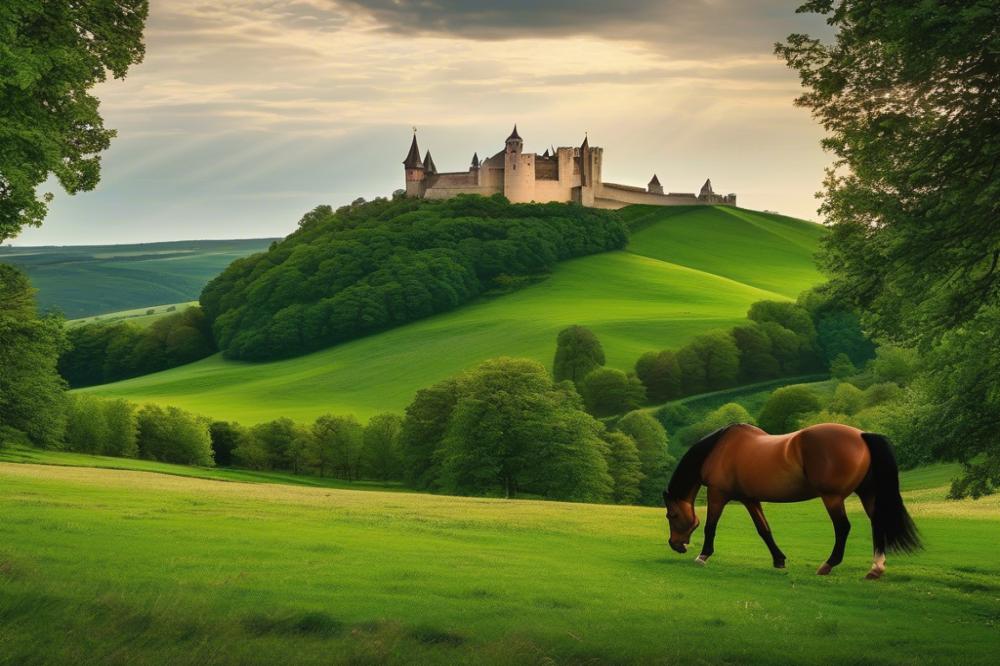
The role of Horses in medieval Europe holds a fascinating significance. These animals were more than mere means of transport; they embodied status and influence. During this time, the bond between humans and Horses transcended daily utility, as they became vital symbols of prestige within society.
Different individuals utilized horses to express their rank and wealth. Nobility often rode magnificent steeds, showcasing their Power. This not only elevated their position but also contributed to the perception of chivalry. Noble knights, for instance, relied on their mounts for both combat and recognition.
The impact of horses also extended to warfare. A knight without a Powerful horse faced serious disadvantages. These animals increased mobility in battle and presented a formidable presence on the field. Their strength and grace made an army appear more intimidating to foes.
At tournaments, the spectacle of knights jousting on their grand steeds captured the essence of competition and honor. Spectators marveled as knights showcased their skills. This celebration of skill and bravery solidified the connection between riders and their mounts.
Overall, horses served as an enduring symbol of both power and status. Their importance permeated various aspects of medieval life, shaping how society viewed nobility and chivalry. In exploring the intricate relationship between these legendary animals and the medieval world, we uncover a vivid tapestry of culture and history.
Historical Context of Horses in Medieval Europe
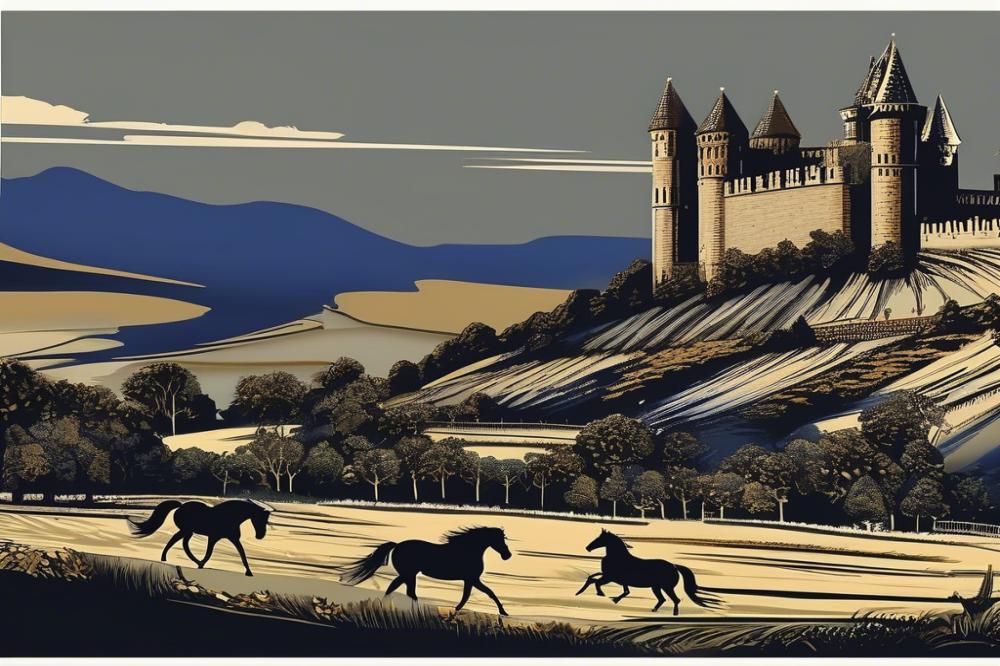
In medieval Europe, horses were vital for everyday life. People used them for various tasks including farming and transportation. They pulled plows and carts, aiding farmers in their work. This connection made them integral to the rural economy. Towns depended on the animals for trade and movement. Without these animals, life would have been much different.
Equestrian practices evolved significantly during this period. Training techniques advanced, allowing for better management of these animals. Knights learned specialized methods, focusing on skills that would aid them in battle. Armor and saddles were designed to enhance speed and stability. Such developments reflected a society deeply engaged with the animal.
A horse often represented social status and power. Wealthy landowners used them as symbols of their rank. Feudalism thrived on the notion of land; those who owned the best horses were often the most respected. The sight of a noble mounted on a splendid steed carried immense weight. It communicated not just strength but also control over land and people.
As a result, different breeds became associated with various classes. Commoners had access to simpler animals, while nobility favored breeds that showcased superior lineage. Those distinctions honored the hierarchy of society. Horses were more than mere mounts; they were part of a larger system that positioned individuals within their communities.
Horses and Nobility
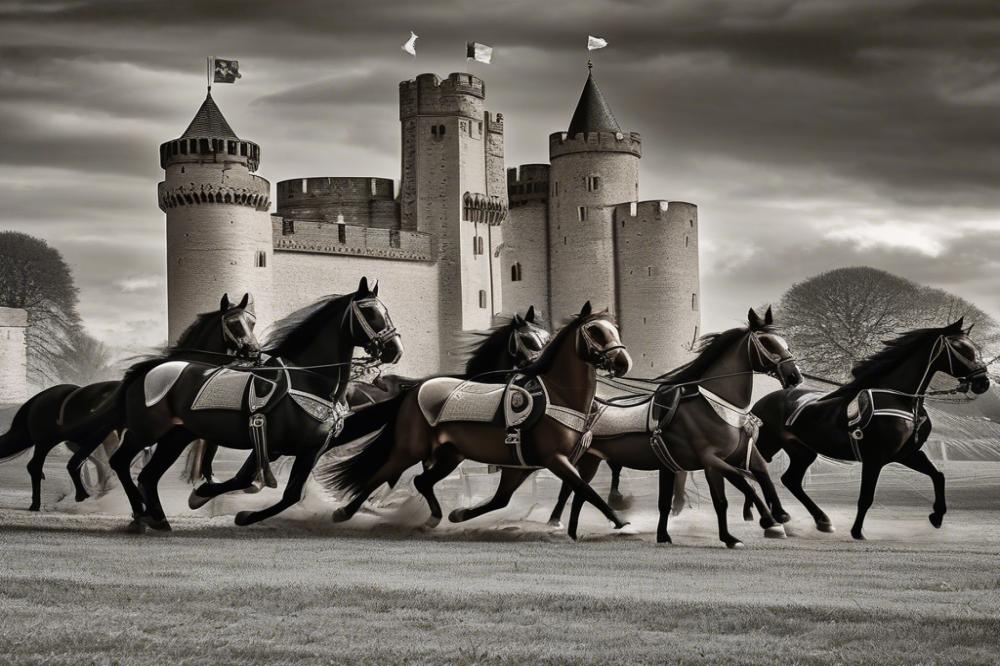
The relationship between the aristocracy and their steeds was profound during medieval Europe. Nobles relied on these animals not just for travel but also for status. A nobleman without a horse was like a king without a crown. This connection transcended mere utility; it reflected wealth and power.
Nobility often showcased their riches through their choice of mounts. A beautifully adorned stallion signaled to everyone that its owner held a place of importance. These animals were more than companions; they were living symbols of prestige. The manner in which one rode could also imply social standing. A grand entrance on a tall, majestic creature could impress even the most skeptical of onlookers.
Distinction of Horse Breeds
The various breeds available during this time held distinct meanings. Some were bred for their strength, while others were known for their speed. Knights often chose specific types for battle, ensuring their effectiveness on the battlefield. Certain breeds, like the destrier, became synonymous with chivalry and honor. Every breed, from the gentle palfrey to the powerful warhorse, had its place in noble society.
Beyond utility, the color and markings of a steed could tell much about its owner. A rare color or unique design might represent a special lineage or achievement. Nobles took pride in showcasing their prized animals during tournaments. These events often turned into displays of luxury and skill, reinforcing social hierarchies. The mark of a true noble rested heavily on their choice of horse, linking identity to image.
Horses in Chivalry and Warfare
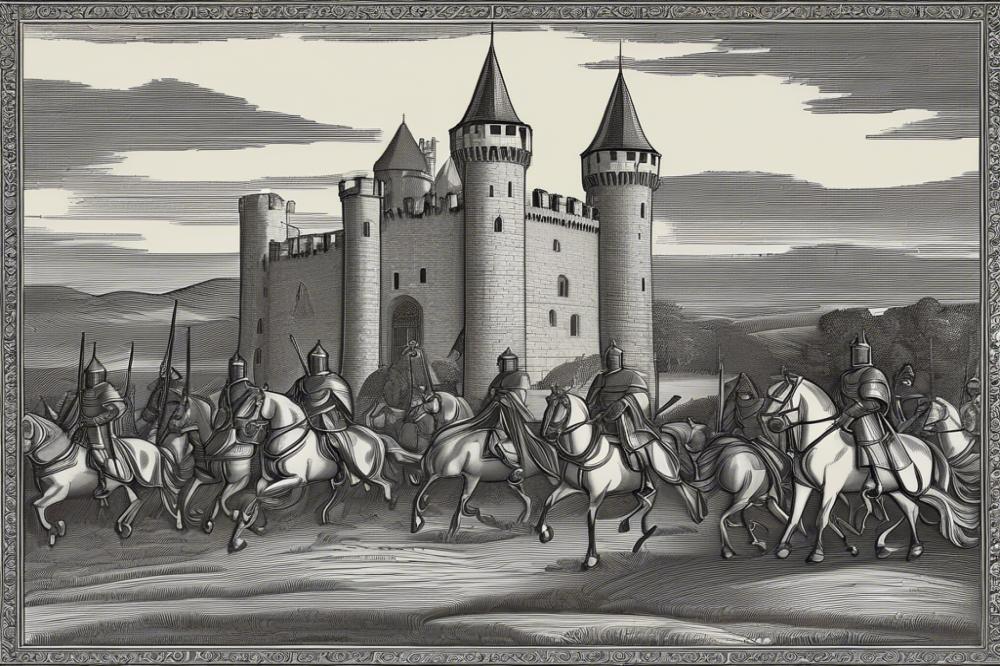
The role of horses in medieval battles cannot be overstated. They were vital to the success of armies across Europe. Knights relied on these animals for both mobility and power. A well-trained steed could turn the tide of a conflict. These powerful creatures allowed knights to charge into battle with speed and force. Without them, the very fabric of warfare would have looked entirely different.
Training a warhorse took considerable skill and dedication. The destrier, a breed specifically developed for battle, required special care. This strong and powerful horse was capable of heavy armor and could carry a knight into combat. Training involved not only learning to respond to commands but also developing a bond with its rider. This connection was essential for effective teamwork in the chaos of battle. Grooming and feeding these animals also demanded attention. Owners wanted their steeds to be in peak condition, ready to face challenges ahead.
Mounted knights became a symbol of chivalry during this time. Their presence on the battlefield denoted status and nobility. An armored knight on a horse was the epitome of honor and courage. The ideals of chivalry such as bravery, loyalty, and protection were deeply tied to this image. Rituals often surrounded the relationship between knight and horse, highlighting their importance. In many tales and legends, these animals are celebrated alongside their riders. Together, they represented the very heart of medieval values.
Symbolism of Horses in Heraldry
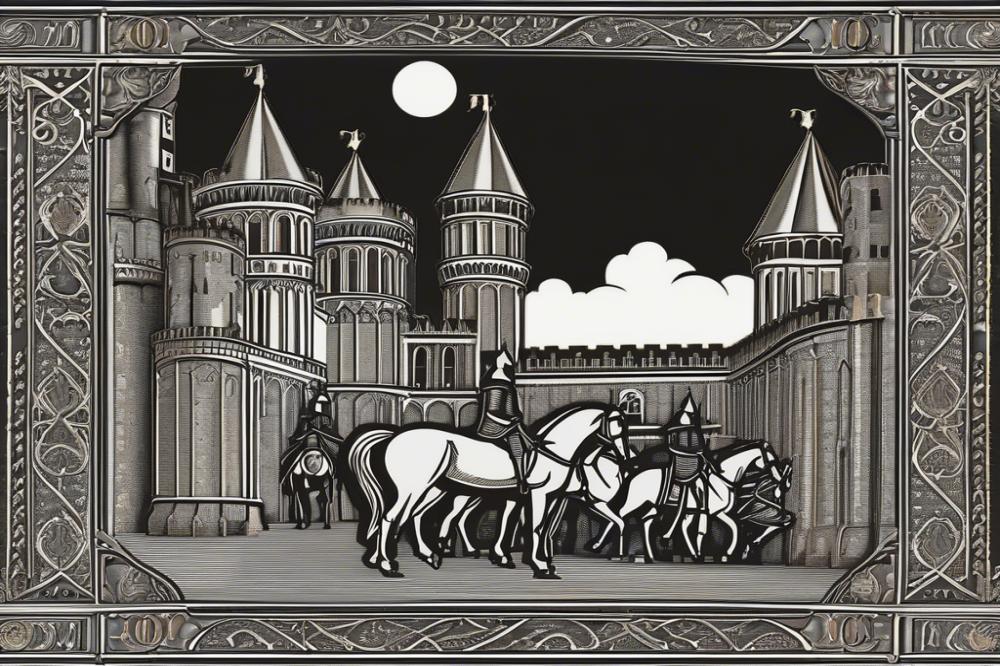
Throughout medieval Europe, shields and banners often featured lively representations of noble steeds. Horses appeared in heraldic imagery as powerful symbols, reflecting the qualities valued by the aristocracy. In coats of arms, they communicated strength, loyalty, and valor, traits admired in both knights and their mounts.
Various depictions existed, each with its own significance. To display a rearing mount signified readiness for battle or the willingness to rise to challenges. A trotting horse, on the other hand, conveyed steadiness and control. Many coats of arms showcased these animals in motion, reinforcing the notion of nobility as vigorous and dynamic.
Horse-related symbols told stories about lineage and rank. A knight’s crest featuring a horse represented his noble heritage and connection to a warrior class. Similarly, the color and position of the horse in the design could indicate family values or military achievements. For instance, a white horse might signify purity, while a black one could evoke strength in struggle.
Equestrian imagery served as a direct link to social status. Nobles who owned and rode impressive animals showcased their wealth and prestige. The image of a knight astride a proud stallion often reminded viewers of his importance. Such portrayals emphasized not only personal power but also the broader ideals of loyalty and honor within the feudal system.
Everyone understood that heraldry was more than mere decoration. It conveyed information about status and allegiance. In an era where battles were common, seeing a brilliantly decorated shield with a striking horse could evoke feelings of respect and fear. Clearly, these symbols played a vital role in reflecting the identities and aspirations of medieval rulers.
Cultural Variations and Comparisons
Symbolism around powerful animals varied greatly across medieval Europe. Different cultures viewed them through unique lenses. In England, for instance, they represented nobility and prestige. Knights rode grand steeds into battle, and these animals were often linked to the status of their riders. This bond highlighted the idea that the bravery of a knight could be mirrored in the strength of his mount.
Meanwhile, in Spain, their significance often connected to the rugged terrain and lifestyle of the people. The famed Andalusian horses were symbols of grace and agility. Their reputation spread throughout Europe as being exceptionally skilled in dance and performance. Regional customs shaped these perceptions, reflecting local values and daily realities.
A French nobleman might see a steed as a reflection of his wealth, adorned with exquisite tack. In contrast, a peasant would view the same creature as a crucial part of survival. These differing roles impacted how individuals understood horse ownership and usage. Art and literature showcased these relationships, often depicting chivalry and valor, but also the hardship and labor of the lower classes.
In literature, tales of knights and their loyal companions filled the pages with adventure. Legends often described heroic feats, portraying the animal as an integral part of the hero’s journey. Artwork from the period frequently depicted important events, featuring both the rider and the horse as central figures. Through these representations, societies celebrated their ideals and values surrounding power and honor.
These artistic expressions informed public perception and created lasting symbols of heroism and authority. The way these majestic beings were depicted can be seen as a reflection of the cultural fabric of the time. Overall, their varied representations illustrated complex societal norms and values across different regions.
Final Thoughts on Equine Power
The multifaceted symbolism of these majestic creatures in medieval Europe reveals much about societal structures and values of the time. As noble steeds carried knights into battle, they became more than mere animals; they represented strength, status, and chivalry. Rulers and aristocrats often showcased their wealth through the ownership of fine horses. Every detail, from the horse’s color to its breed, communicated something about its owner’s power and prestige.
Across cultures, the connection between horses and power endures. From ancient civilizations to modern-day symbols, their importance persists. Many societies regard them as emblems of freedom and nobility. This universal representation highlights a deep-seated respect for strength and grace. Stories of heroic mounted warriors echo through time, reinforcing the idea that these animals are closely intertwined with leadership and authority.
In contemporary interpretations, horses continue to symbolize power and status. Whether in films, literature, or sporting events, they often play a key role in portraying strength. Many business leaders and celebrities still opt for equestrian events, emphasizing their connection to wealth and prestige. Overall, the legacy of these animals extends beyond history. Their representation remains relevant in understanding how societies perceive power today.
As we reflect on this complex relationship, one thing is clear: the image of the horse remains a potent symbol. It not only highlights individual prowess but also reveals broader societal values. Understanding this legacy enriches our appreciation of both history and modern symbolism.

