
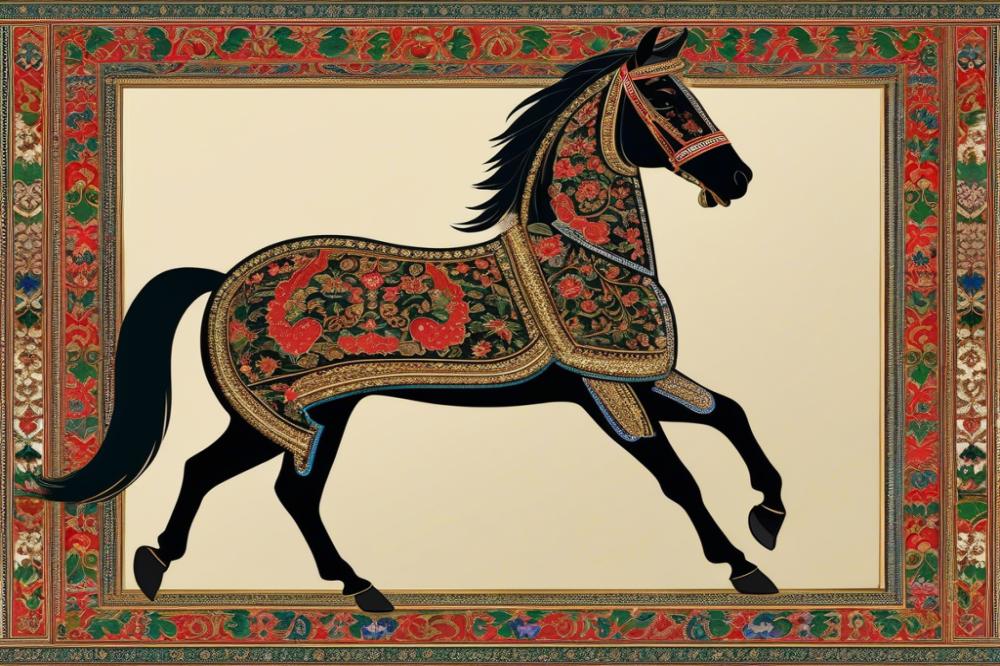
The Significance of Horses in Persian Military History
Cultures around the world have long recognized the importance of equines. Their capabilities have shaped the destinies of many societies. In various regions, such as the steppes of Central Asia or the lush plains of Arabia, these animals have become symbols of power and prestige. Ancient civilizations understood how essential they were for transportation, agriculture, and warfare.
In military history, equines played a crucial role. They were not merely modes of transport; they served as vital components of battle strategies. cavalry units often turned the tide in many conflicts, providing speed and mobility. Their speed and agility made them invaluable on the battlefield. Armies that effectively utilized these creatures typically outmaneuvered their opponents.
The Persian Empire provides a fascinating example of how equines influenced military might. Its equestrian culture was distinct and deeply rooted in the society. Nobility and warriors revered their steeds, often associating them with honor and bravery. Persian Military forces employed skilled horsemen who engaged in innovative tactics that leveraged the advantages of their mounts. This unique relationship with spans centuries, leaving a deep mark on history.
Through looking at the Persian Empire’s rich equestrian traditions, one can better appreciate the profound impact that equines. Their influence resonates in tales of courage and conquest. The legacy of Persian riders continues to inspire discussions on military strategy even in modern contexts.
The Role of Horses in the Persian Empire

The Persian Empire stretched across vast territories, reaching from the Indus River in the east to the Mediterranean Sea in the west. Covering such grand areas required efficient and effective means of travel and communication. This is where these majestic animals played a critical role, connected people and territories much like the empire itself. The vastness of the empire demanded mobility, and nothing provided that quite like them.
Among Persian nobles, these creatures were symbols of power and status. Wealthy individuals often showcased their prized steeds in public displays, signifying their prestige. The quality of these animals reflected one’s social standing. A noble’s possession of fine steeds was linked directly to their influence and authority within the empire.
The Persian military strategy heavily integrated these animals into their ranks. cavalry units became pivotal; they offered speed and agility during conflict. Armies utilized them for quick maneuvers and rapid retreats, allowing commanders to adapt swiftly on the battlefield. This mobility often turned the tide in battles against less agile foes.
In addition to their practical uses, they also inspired fear in enemies. The sight of an advancing cavalry could shift the dynamics of warfare. Troops understood that the combination of skilled riders and strong animals would present a formidable challenge for any opponent. Warriors trained rigorously to master the art of riding, increasing the effectiveness of their forces.
The breeding of these animals became an important task. Nobles invested time and resources into ensuring their horses were the best available. It was not uncommon for powerful families to establish stables full of decorated steeds, each with its distinct lineage. These efforts contributed to the significance of horses in not only military affairs but also in Persian culture.
Cavalry Tactics and Warfare in Persia
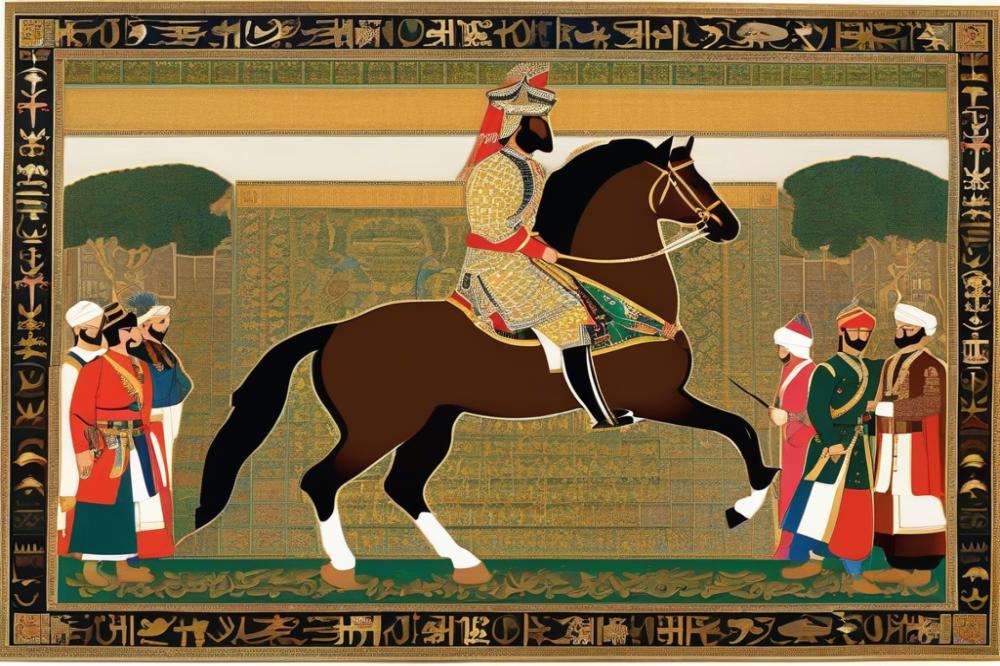
Cavalry units played a crucial role in the military history of Persia. Over centuries, these forces evolved significantly. Initially, battles relied heavily on infantry formations. However, as strategies advanced, the importance of mounted troops became clear. A shift towards cavalry was essential for adapting to the changing nature of warfare.
The Role of Mounted Archers
Mounted archers were particularly vital in Persian combat scenarios. Their ability to shoot arrows while riding offered a distinct advantage. This mobility allowed them to strike swiftly and retreat before enemies could react. Such tactics made them formidable opponents on the battlefield. In many engagements, they disrupted enemy formations effectively.
Comparison to Infantry and Other Military Formations
When comparing mounted troops to foot soldiers, several differences become apparent. Infantry units were often more reliable in holding ground. However, cavalry excelled in maneuverability. While infantry formed solid lines, horse units could break through defenses. Other military formations, like chariots, also played a part, but their effectiveness diminished over time.
Field commanders often preferred cavalry for raids and flanking maneuvers. Understanding the terrain was essential for maximizing the impact of these troops. This understanding set Persian forces apart from many adversaries. By integrating cavalry effectively, they secured numerous victories throughout their history. Each skirmish highlighted the importance of adapting tactics based on the opponent’s strengths and weaknesses.
Chariots in Persian Military Operations
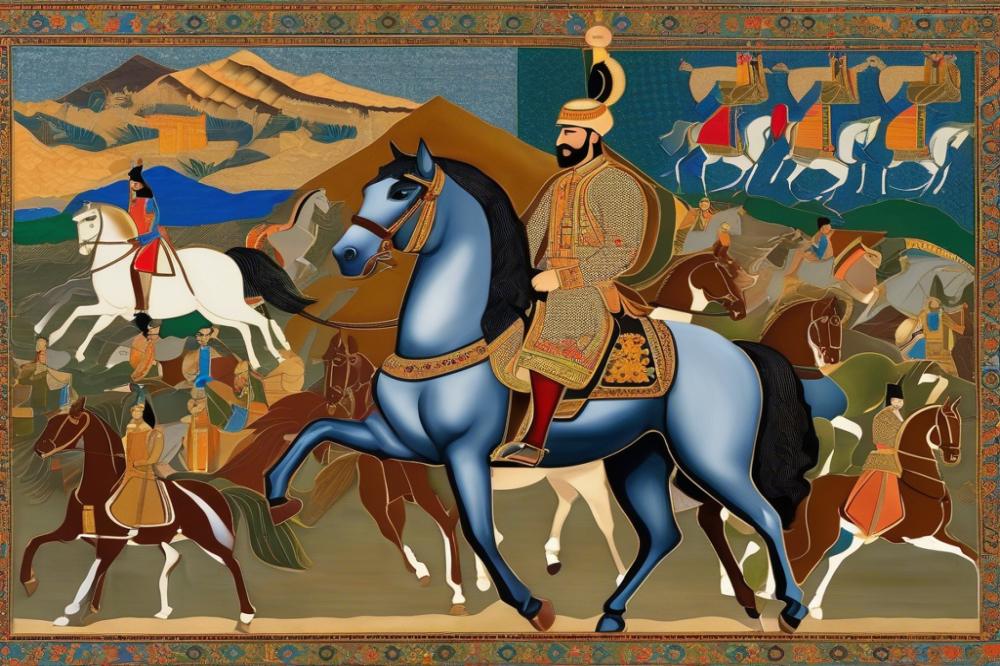
The ancient Persian army relied heavily on chariots during battles. These vehicles, pulled by sturdy animals, carried archers and spearmen into the fray. Their use marked a significant innovation in warfare. Chariots allowed warriors to strike opponents while remaining mobile, which was a crucial advantage.
Tactically, chariots offered a range of benefits. They could quickly traverse the battlefield, creating chaos among enemy ranks. This speed enabled Persian forces to launch sudden attacks or retreat with ease. Archers positioned on chariots could target enemies from a distance, enhancing their effectiveness. As a result, they became a cornerstone of Persian military tactics for centuries.
However, as time passed, the need for adaptation became clear. Warfare evolved, leading to changes in strategy. The introduction of cavalry units began to overshadow the use of chariots. Riders on horseback proved to be more versatile and faster in unpredictable terrains. This shift signified a transition from the age of chariots to the prominence of mounted horsemen. The new wave of cavalry would dominate the Persian military in later years.
Animal Husbandry and Horse Breeding in Persia
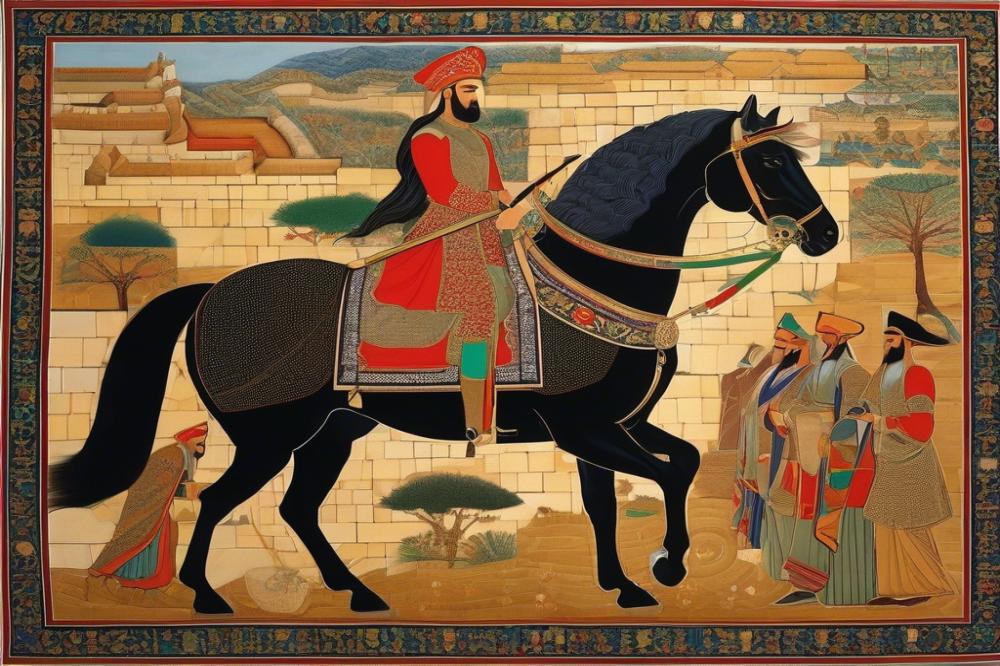
Animal husbandry played a crucial role in developing and maintaining horse populations throughout Persian history. Breeders worked tirelessly to create and preserve various breeds suited for specific tasks. Careful practices allowed for the flourishing of these majestic animals, which were central to warfare and transportation.
Famous Horse Breeds Originating from Persia
Several notable horse breeds emerged from Persia, each with distinct characteristics. The Arabian horse stands out for its versatility and endurance. Known for its stamina, this breed has significantly influenced many modern equine lines. Another important breed is the Karabakh, famed for both speed and agility. These horses were prized by warriors and traders alike, and their reputation spread far beyond Persia.
Economic and Cultural Implications of Horse Breeding Practices
Horse breeding impacted both the economy and culture of Persia. Wealthy families invested in breeding programs as a status symbol. This practice also resulted in increased trade. Horses were exchanged for goods, enhancing cross-cultural ties. Festivals celebrating horses often became events for community gatherings, showcasing their importance in daily life.
Moreover, skilled horsemen contributed to military success, reinforcing the need for pristine breeding methods. Cultivating strong relationships with these animals became fundamental in Persian society. Training methods passed down through generations highlighted the deep respect for equines.
Historical Significance and Legacy of Horses in Persian Military History
The Persian Empire was known for its remarkable cavalry. Key battles throughout history illustrate the strength of these mounted warriors. The famous Battle of Gaugamela in 331 BC showcased the tactical brilliance of Persian horsemen. Under Darius III, the cavalry played a crucial role despite facing the forces of Alexander the Great. Tactics were designed around the mobility and agility of these riders, striking fear into their enemies.
Many later civilizations learned from Persian tactics. The skills developed during the empire’s reign transformed military strategies in surrounding regions. Cavalry units became essential in various armies, testing the limits of their adversaries. This evolution in warfare was partly due to the influence of Persian methods, which emphasized maneuverability over sheer force.
Moreover, the equestrian culture of Persia extended beyond the battlefield. Various art forms depicted scenes from equestrian life, signifying its importance. These representations influenced the social fabric of many societies, intertwining military prowess with cultural identity. As tales of Persian cavalry spread, they inspired artistic and military endeavors across continents.
Equestrian practices persisted in the training of soldiers long after the fall of the Persian Empire. The techniques were refined and passed down, ensuring that generations understood the value of mounted warfare. Modern armies today still reflect these early influences in their own cavalry units, adapting ancient principles for contemporary needs.
Final Thoughts on Persian Military History
The role of horses in Persian military history cannot be overstated. They were vital for troop mobility and helped form the backbone of the cavalry. In battles, these animals were more than just transportation; they were integral to strategy and tactics. The ability to charge swiftly into enemy lines provided a significant advantage. Persian armies relied heavily on their equestrian skills to execute complex maneuvers during warfare.
Looking at different cultures, we see a similar appreciation for these majestic creatures. Across continents, horses have played crucial roles in various military campaigns. In many societies, they symbolize strength and bravery. This connection highlights the deep bond between humans and animals throughout history. Cultures have honored them in art, literature, and ceremonies, celebrating their impact well beyond the battlefield.
Persian equestrian traditions continue to resonate today. Modern-day equestrian sports and culture draw inspiration from ancient practices. The love for horses persists, reflecting a long-standing legacy that survives through generations. Enthusiasts still embrace the art of riding, echoing the skills of their ancestors. As we examine history, it becomes clear that these animals shaped not just militaries, but also the societies that valued them. Such reflections remind us of the broader significance of our relationships with animals in shaping cultural identities.

