
The Importance of Horses in Australian Outback heritage
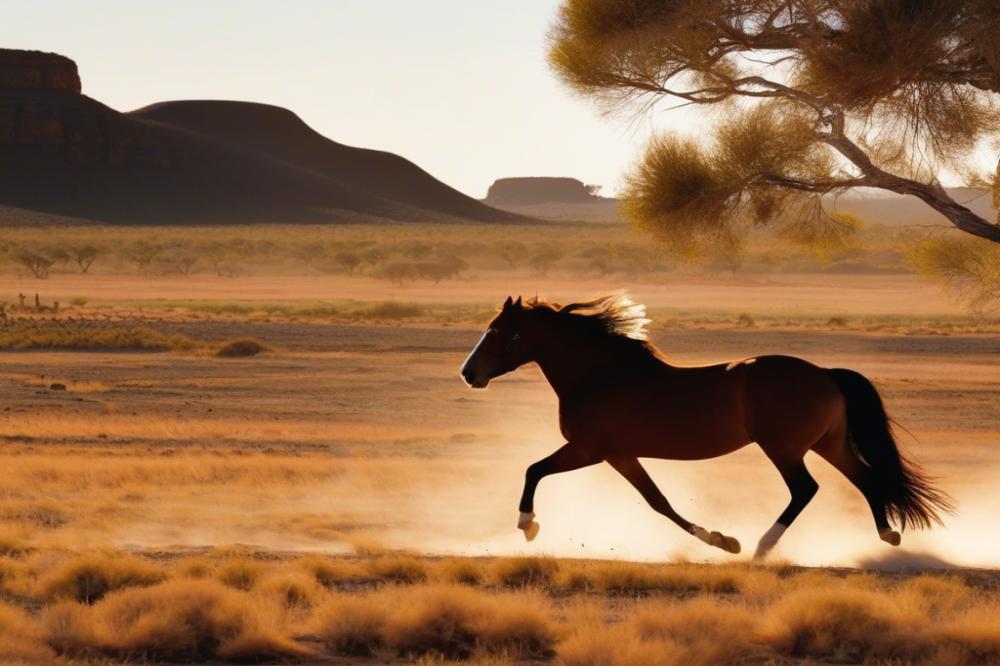
Across centuries, Horses have played a crucial role in shaping the stories of both Indigenous peoples and early settlers in Australia. Indigenous cultures have long had a deep connection to these animals, using them for travel and in ceremonial practices. When settlers arrived, they quickly recognized the advantages these creatures provided. They became essential for transportation, work, and companionship in the vast terrain of the Australian Outback.
The significance of these animals in outback heritage cannot be overstated. They have become symbols of resilience, freedom, and exploration. The landscape of Australia, with its rugged beauty, is intertwined with the history of people and their relationships with these animals. From the dusty trails of cattle mustering to the expansive fields of agricultural land, horses have been a vital part of daily life and cultural identity.
This article will delve into the roles of horses in ranching, mustering, and agriculture throughout Australia’s rich heritage. By exploring their impact on these industries, we can better appreciate the deep roots that run from the past into the present. Understanding this bond helps us recognize the broader significance of the Australian Outback and its unique culture.
The Historical Context of Horses in Australia
Introduction of Horses to Australia
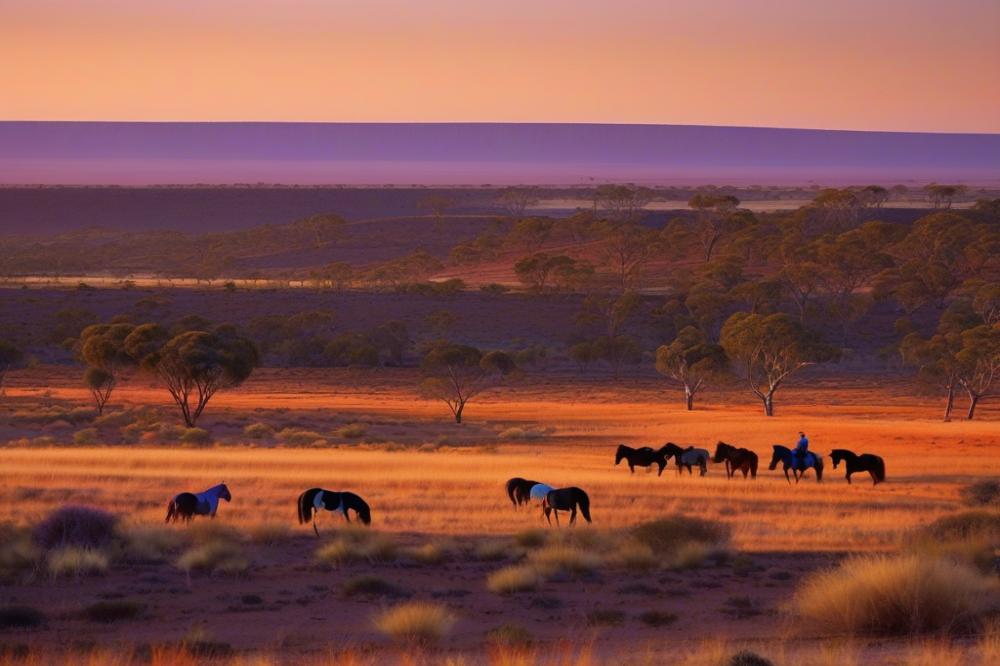
The arrival of horses in Australia marked a significant change in the landscape of this vast continent. In 1788, the first fleet of British settlers brought these animals with them. At the time, they served practical purposes. Initially, they were used for work, transportation, and leisure. Over the years, these animals became integral to the way people lived and interacted with the rugged terrain.
Evolution of Their Role in Shaping Agricultural Practices
As settlements expanded, the role of these animals evolved. Farmers quickly recognized the benefits that would come from their use in agriculture. Many ranchers relied on them for mustering cattle and sheep. With their strength and agility, they improved efficiency in handling livestock. This change impacted farming methods and made it easier to cultivate vast tracts of land.
Influence on Aboriginal Cultures and Traditional Practices
Aboriginal communities experienced a transformation due to the introduction of these animals. While many tribes had their own ancient methods of travel and work, horses offered new opportunities. Some indigenous peoples embraced them, adapting their traditional hunting and gathering practices. This blending of cultures created a complex dynamic that shaped how communities interacted. The influence of these animals can still be seen in various customs and storytelling today.
Horses in Ranching and Mustering
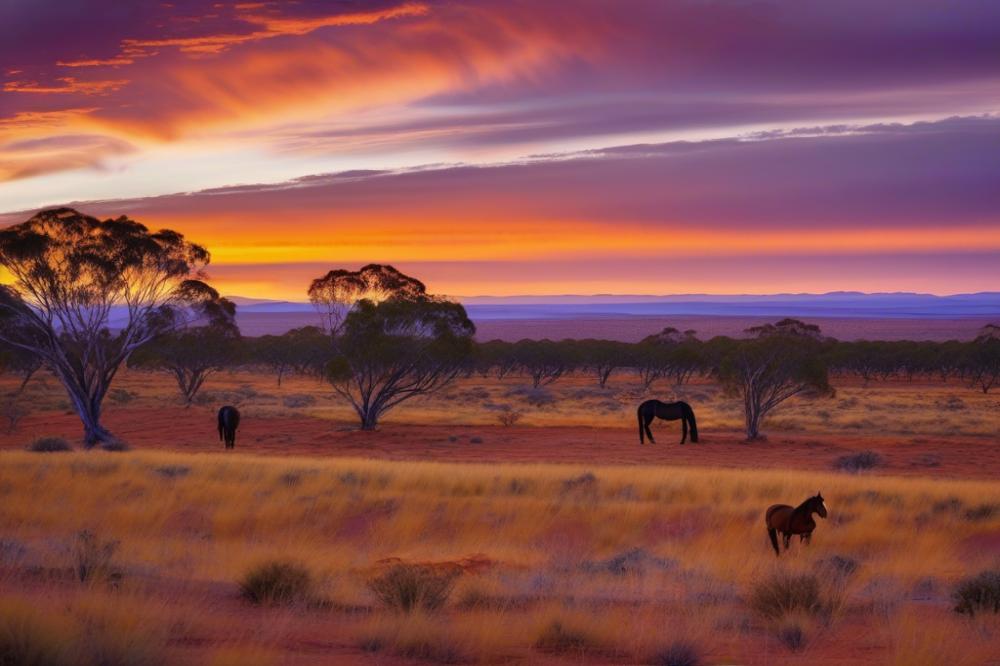
Ranching in Australia heavily relies on these animals for managing cattle and sheep. Their agility and strength make them invaluable tools on vast properties. Stockmen have relied on their skills for decades while herding livestock across rugged terrain.
Mustering livestock in rural areas is an art that requires both horse and rider to work together seamlessly. Riders navigate through thick bushes, open plains, and rocky paths. The connection between rider and beast allows them to cover large areas quickly, rounding up animals that can often be elusive. Communication between them is non-verbal yet profound, built on trust and experience.
Stockmen have become synonymous with the Australian identity. Their relationship with horses reflects the country’s spirit of tenacity and resilience. The bush culture embodies values such as hard work, respect for the land, and camaraderie. These values are ingrained in the stories passed down through generations, celebrating the bond between humans and their equine partners.
Good horsemanship is often seen as a rite of passage for many young Australians. Learning to ride and work with these animals is crucial for aspiring stockmen. Connecting with the land also teaches respect for nature and understanding of livestock behavior. This connection shapes character and builds a strong community among ranchers.
Through mustering, shared experiences create lasting friendships. Tales of challenging cattle runs or spirited horses often become central to communal gatherings. These stories help solidify the place of this unique culture within Australian heritage. In many ways, they not only represent a method of work but also a lifestyle deeply woven into the fabric of regional life.
cultural significance of Horses
Horses in Australian Folklore and Storytelling
Stories about these majestic animals weave through the fabric of Australian folklore. Legends often feature the bond between humans and their companions. Whether it’s a tale of bravery in the bush or an adventure on a cattle drive, these narratives reflect a deep connection to the land. Many children grow up listening to their elders share tales that celebrate both the spirit of the horse and the challenges faced in the outback. These stories have become a vital part of the cultural identity, preserving history for future generations.
Representation of Horses in Art and Music
Artistic expressions frequently highlight the relationship between humans and their steeds. Paintings, sculptures, and photographs capture their grace and strength. Musicians also draw inspiration from these animals, creating songs that evoke feelings of freedom and adventure. Numerous artists use the horse as a symbol of resilience and loyalty. Such representations become more than mere images or notes; they tell stories that resonate with audiences across the country.
Influence of Horse Culture on Community Events and Festivals
Events celebrating horseback riding often bring people together, strengthening community bonds. Rodeos and equestrian shows showcase skills passed down through generations. Locals proudly demonstrate their horsemanship, inviting families to join in the festivities. Festivals celebrate this heritage, featuring competitions and cultural displays. These gatherings foster connections and create a sense of belonging, reminding everyone of the important role horses play in Australia’s history and culture.
Tourism and Horses
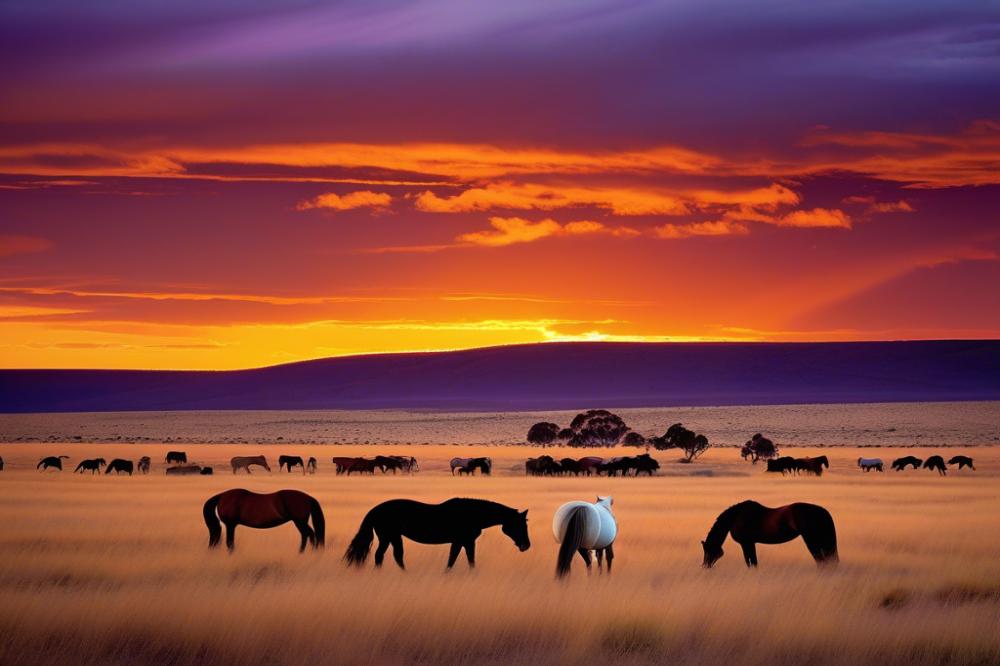
Outback tourism thrives on the connections between people and animals. In Australia, these magnificent creatures play a vital role in attracting visitors. Trails snaking through the bush offer breathtaking views and encounter wildlife, drawing tourists eager for adventure. Horseback riding creates an immersive experience, allowing travelers to explore the vast landscapes that define the Outback.
Ranch stays provide an authentic taste of rural life. Guests can participate in daily activities, from cattle herding to campfire storytelling. Relaxing under the stars, many find a sense of peace often lost in city living. The rhythm of ranch life connected to nature emphasizes a unique aspect of the Australian experience.
Local economies significantly benefit from this connection to tourism. Horse-related activities support jobs and local businesses, from accommodations to guided tours. Visitors often spend money in small towns, boosting trade in cafes, shops, and markets. Such dynamics help sustain rural communities, ensuring they thrive in today’s economy. Understanding this relationship highlights the importance of horses in shaping Australia’s cultural and economic landscape.
Final Thoughts on Equine Influence in Australian Outback Heritage
Horses have played a vital role in shaping the culture of the Australian outback. Their significance goes beyond mere transportation; they symbolize the spirit of exploration and resilience in harsh environments. From droving cattle across vast plains to participating in local rodeos, equine companions have left an indelible mark on the heritage of Australia. These animals are threads in the rich tapestry of rural life, connecting generations of Australians.
Celebrations and cultural practices centered around horses showcase this deep-rooted connection. Events like the famous Campdraft and various rodeos highlight the exceptional skills of riders and their horses. Such traditions not only honor historical practices but also bring communities together. They foster a sense of pride and belonging among those who cherish the life of the outback.
Preserving this equine heritage is essential for future generations. As society evolves, so do the challenges faced by horse culture. By educating younger Australians about the historical significance of these animals, we can maintain the legacy that has shaped the nation. Engagement in local communities, through riding schools and heritage events, can cultivate a renewed interest in this vital aspect of Australian history.
In summary, the importance of horses in the outback heritage resonates deeply with the Australian identity. Moving forward, it is crucial to celebrate and protect this connection. The ongoing legacy of these remarkable animals encourages us to honor the past while shaping a future that respects and values equine contributions.

