
Introduction
Horses have held a significant place in many cultures throughout history. They are often seen as symbols of power and status. In Ancient Greek mythology, Horses represented more than just strength. They embodied a connection to the divine, reflecting the beliefs and values of the time.
In various myths, horses were associated with gods and heroes. For instance, the beautiful stallion was tied to Poseidon, the god of the sea. This connection showcased their importance in both life and death. The Greeks admired these creatures for their grace and speed. They viewed them as a bridge between the earthly realm and celestial forces.
Riders often rode them into battle, marking the distinction of rank and authority. A chariot pulled by magnificent horses signified the status of its driver. Ownership of these animals was a symbol of wealth and nobility. In festivals and athletic contests, horses were celebrated for their vital roles in society.
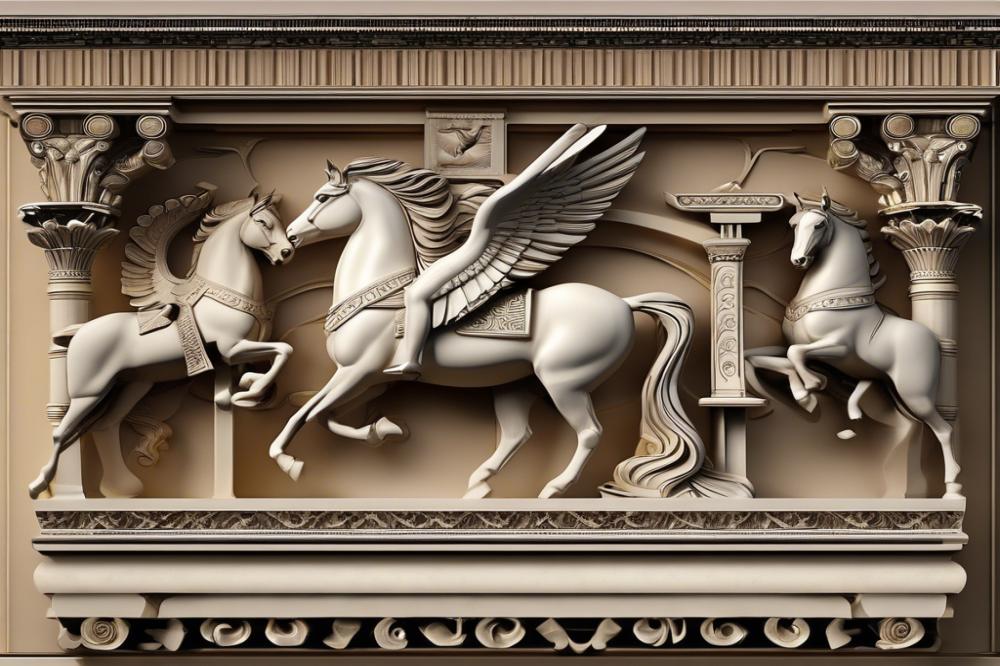
These creatures also appeared in numerous myths. Consider the story of Pegasus, the winged horse born from the blood of Medusa. He embodied not only beauty but also the power of inspiration. Such tales highlight the admiration and reverence that the ancient Greeks had for horses.
Ultimately, horses were more than mere animals for the Greeks. They were vital to their mythology, reflecting various aspects of life and spirituality. Understanding their significance provides a fascinating glimpse into a civilization that revered both the natural and the supernatural.
Horses in Greek Mythology
In Ancient Greek Mythology, equines played an essential part in various narratives. They symbolized power, beauty, and freedom in many stories. Often, gods and heroes rode them during their grand quests. These creatures were not merely modes of transportation; they were also embodiments of divine will and human ambition.
Poseidon, the god of the sea, is one of the most significant figures associated with them. He was said to have created these magnificent beasts, showcasing his divine creativity. Often depicted with a trident, Poseidon not only ruled the oceans but also influenced land life. His control over horses symbolized his dominion over nature and the untamed world.
Heroes, such as Achilles, had legendary steeds that further highlighted their status. The famed horse of Achilles, named Xanthos, was known for its speed and strength. During the Trojan War, these mythological narratives placed emphasis on the bond between the hero and their steed. This connection often represented loyalty, bravery, and the struggles faced in battle.
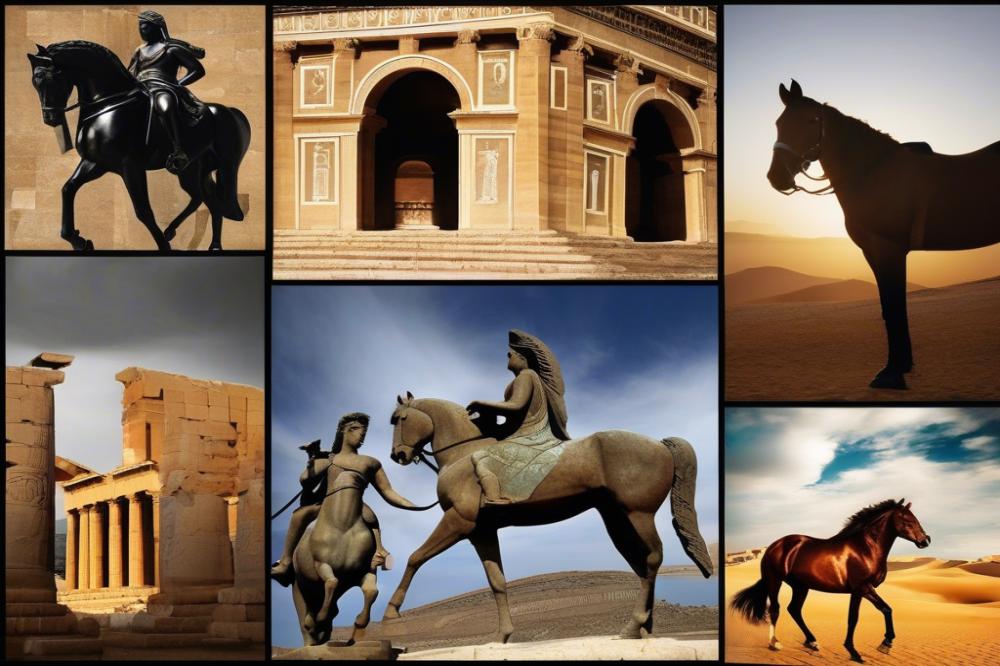
Mythical figures also included the centaurs, part horse and part human. They often embodied both the wild and civilized aspects of nature. The stories surrounding them were rich with themes of conflict and harmony. Many tales featured their encounters with famous heroes, further blending the line between man and equine.
The association between them and deities did not end with Poseidon. Apollo, the god of the sun, was often depicted driving a chariot pulled by them across the sky, showing a connection between power and beauty as well. This imagery linked these creatures to the celestial realm, reinforcing their importance in both earthly and divine stories.
Additionally, many mythology scholars highlight their roles in the underworld. Charon, the ferryman of the dead, guided souls across rivers with a chariot. This portrayal hints at the complexity of these creatures in myth — serving as guides, warriors, and symbols of life beyond death. Such roles contributed to rich narrative layers, inviting various interpretations and deeper meanings.
Pegasus: The Winged Horse
Pegasus holds a special place in Greek mythology. This magnificent creature is often portrayed as a symbol of inspiration and creativity. His story is rich and fascinating, drawing people in for centuries. The origins of Pegasus are linked to the blood of the Gorgon Medusa. When the hero Perseus beheaded her, Pegasus sprang forth from her neck, a remarkable event that marked his entrance into the world.
His most famous association is with the hero Bellerophon. This brave warrior sought to tame Pegasus in his quest against fearsome creatures. With the help of his winged companion, Bellerophon defeated the Chimera, a monster that breathed fire. This partnership exemplifies the bond between human ambition and divine assistance, a recurring theme in ancient tales.
Pegasus represents more than just a mythical horse; he symbolizes the higher realms of art and poetic thought. His wings enable him to soar above the mundane, inspiring creativity in poets and artists throughout history. Many believe that when he struck his hoof upon Mount Helicon, a spring burst forth, becoming a source of inspiration for the Muses. This act transformed him into a literal symbol of artistic spirit.
Throughout various stories, Pegasus lends his power to those who dare to dream. His ability to fly adds a layer of mystique to his character, representing the ideals of freedom and imagination. Many artworks and tales depict him as a majestic creature, embodying the beauty and mystery of the skies. From ancient pottery to modern literature, Pegasus continues to captivate audiences and symbolize the essence of creativity.
Ultimately, the legacy of Pegasus extends beyond mere legend. His story serves as a reminder of the connection between humanity and the divine. This winged horse challenges individuals to pursue their dreams and reach for the stars. In a world filled with challenges, Pegasus stands as a beacon of hope and inspiration, reminding us of our potential to rise above.
Horses and Equestrianism
Horses played an essential role in ancient Greek culture. They were symbols of power, grace, and beauty. In Greek society, riding skills were seen as a noble pursuit. Equestrianism was not just a sport; it was a way of life. Nobles often trained for years, aiming to master the art of riding and charioteering.
One of the most thrilling aspects of this culture was chariot racing. These races took place during religious festivals, like the Olympics. Many spectators flocked to see these exciting events. Chariot teams consisted of horses and charioteers, competing for glory. Winning such races brought honor to families and city-states. Victors often received laurel wreaths and public admiration.
Horse breeding was another vital commitment in ancient Greece. Breeding quality horses required knowledge and skill. Wealthy families invested in the best stock. They recognized that superior horses could enhance their status. The care and training of a horse were meticulous. Trainers worked diligently to ensure their steeds were prepared for competition.
Equestrian skills were valued among Greek heroes. Legends often depicted warriors skilled in both combat and riding. Notable figures like Achilles had famous steeds that played significant roles in their stories. Such characters showcased the bond between man and mount. This relationship highlighted the importance of these animals in mythology and daily life.
Moreover, learning to ride was a rite of passage for young men. They practiced techniques that would serve them well in battle. Mastering the horse could give a soldier an edge. Understanding how to control, guide, and communicate with a horse was vital. This training was foundational for many aspects of Greek warfare.
Centaurs: Symbolism of the Horse-Human Hybrid
Centaurs are fascinating creatures from ancient Greek mythology. They represent the duality of human nature. With the body of a horse and the torso of a human, they embody a unique blend of civility and savagery. This combination highlights the tensions between civilization and barbarism.
In many myths, centaurs are depicted as wild and unruly. They often engage in violent behavior, reflecting the chaotic aspects of humanity. However, some centaurs, like Chiron, display wisdom and nobility. Chiron is known for his intelligence and healing abilities. Unlike his kin, he symbolizes harmony and knowledge.
Moreover, centaurs play significant roles in various prominent stories. Their interactions with heroes often illustrate the struggle between order and chaos. For instance, during the wedding of Pirithous and Hippodamia, they attack the guests, leading to a massive conflict. This event mirrors the fear of losing control to barbarism. Hercules also encounters centaurs in his labors. His confrontations serve as a metaphor for man’s struggle against his primal instincts.
Despite their violent reputation, centaurs provide insight into human behavior. They remind us that within every individual lies the potential for both good and evil. The balance between these opposing forces remains a central theme in many narratives. By examining centaurs closely, we can uncover deeper meanings within ancient myths. Their stories resonate even today, inviting reflection on our nature and society.
Hippolytus and the Worship of Horses
Hippolytus is a captivating figure in Greek mythology, often associated with equestrian pursuits. His strong connection to horses highlights the significance these animals held in ancient Greek culture. Raised as a hunter and an admirer of nature, Hippolytus focused on the values of honor and virtue. Unfortunately, his story also dives deep into themes of passion and tragedy.
As a son of Theseus, Hippolytus displayed a unique blend of bravery and stubbornness. His rejection of romantic pursuits set him apart from many other heroes. The goddess Aphrodite, angered by his indifference to love, played a cruel trick on him. This led to a series of tragic events that revealed the consequences of ignoring divine favor.
Hippolytus’ tale serves as a stark reminder of how passion can intertwine with fate. When he pursued the independence of his lifestyle, it ultimately led to his downfall. His story reflects the conflicts between personal values and societal expectations. This struggle resonates with the human experience throughout history.
The worship surrounding Hippolytus emphasizes the reverence for the strength and beauty of horses. His mythical narrative illustrates how these animals were essential symbols of status and power in ancient society. People often turned to Hippolytus and his story to understand the complexities of their own lives, passions, and the consequences of their choices.
Over time, Hippolytus has become emblematic of the dangers that lie within the pursuit of one’s desires. The connection between him and horses highlights a broader theme within Greek mythology—a nuanced reflection on the human condition. People can learn so much from his tale, as it encapsulates the essence of ambition, pride, and tragic fate.
Final Thoughts on the Role of Horses in Greek Mythology
The integral role of equines in ancient Greek mythology cannot be overstated. In tales of gods and heroes, they symbolize power, freedom, and nobility. These creatures are not merely animals; they serve as vital companions in life’s grand narratives. From the majestic Pegasus, who flew across the heavens, to the steadfast steeds of Apollo, their presence is felt throughout stories.
These narratives reflect significant aspects of the human experience. Themes of struggle, triumph, and connection resonate deeply in the myths involving these animals. Characters often ride them into battles, representing courage and strength, or soar through the skies, symbolizing aspiration and dreams. Ancient Greeks gave them attributes that mirrored societal values, highlighting how tied humanity is to nature and its creatures.
In literature, the influence of these stories continues to echo today. Modern works frequently draw upon this rich mythology to explore themes of loyalty, heroism, and sacrifice. As we examine our own lives, we notice similar connections. The bond between humans and animals often reflects broader ideas of companionship and loyalty. Ancient stories prompt us to reflect on our relationships and aspirations.
Overall, the representation of horses in mythology illustrates deep cultural significance. Their embodiment as symbols of power, beauty, and freedom has left an indelible mark on both history and storytelling. These ancient tales remind us how essential our connections with nature are, both in ancient times and the present. The legacy of these stories continues, inspiring generations to dream and strive for greatness.

