
Introduction
Across cultures and history, Horses have held a significant place. They symbolize power, grace, and freedom in many societies. From the plains of Mongolia to the vast fields of Europe, these magnificent animals have shaped traditions and lifestyles. Their role has often gone beyond mere transportation to embodying status and honor.
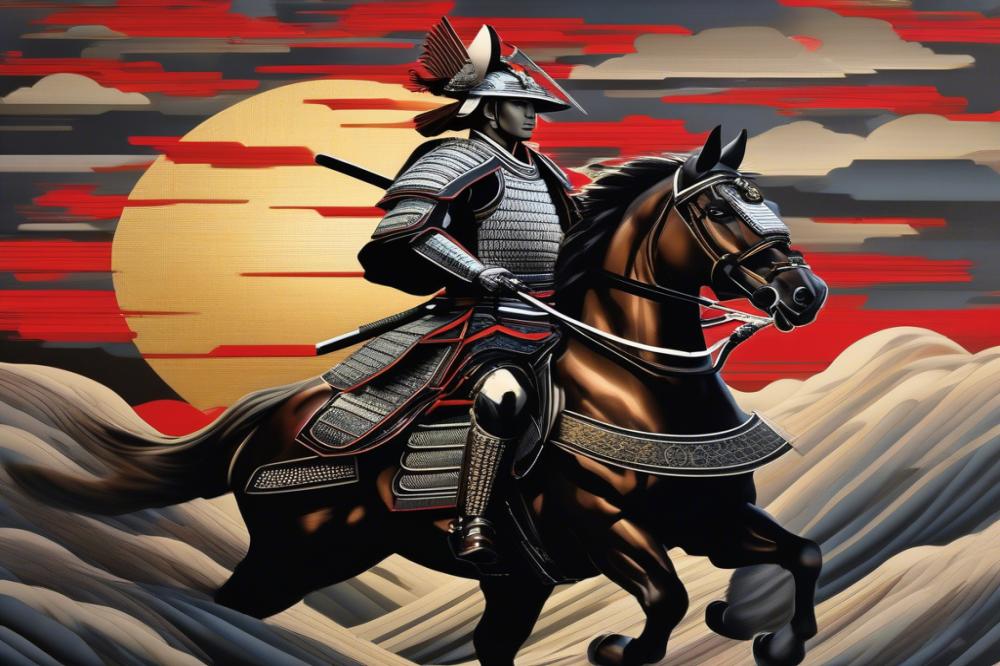
In Japan, during the era of the Horses-in-the-spiritual-beliefs-of-indigenous-siberian-tribes”>Samurai, horses were incredibly important. This warrior class relied on them for both battle and during peacetime. A Samurai without a horse was seen as incomplete; the two were deeply intertwined. Competence in horsemanship was not just an asset; it was a necessary skill. This connection shaped not only their military strategies but also their way of life.
The significance of the term ‘Samurai’ within this context cannot be understated. It represents more than just warriors. Samurai stood for a code of conduct, loyalty, and honor. Within their culture, horses played a vital part, reflecting the values and beauty of their world. By exploring this bond, readers will gain insights into a compelling relationship that defined a remarkable period in Japanese history.
The Historical Context of Samurai and Horses

The rise of feudal Japan in the 12th century marked a significant change in social structure. During this time, a warrior class emerged, known for their code of honor and martial skills. These individuals played a crucial role in the governance and protection of their territories. The samurai became symbolically tied to powerful families and land ownership. Their duties included not just warfare but also administrative tasks and maintaining order.
Horses held great importance in this society. They were not merely means of transportation; they represented power and status. Nobles owned well-bred stallions, showcasing their wealth to others. A samurai’s ability to ride and care for horses was essential. This skill indicated training, discipline, and honor, making it a vital part of the warrior’s identity. Consequently, equestrian ability often determined a samurai’s reputation in battle.
Throughout history, the art of horseback riding evolved significantly. Techniques and styles became refined, influenced by different historical periods. The mounted warrior developed into a masterful figure, adept in archery and combat while on horseback. Festivals celebrating horses emerged, further embedding these animals into Japanese culture. Rituals often emphasized the bond between horse and rider, symbolizing loyalty and strength.
As time passed, the role of horses maintained its importance. In times of peace, these animals became a symbol of prestige rather than just a tool for battle. The intricate relationship between horses and warriors illustrates the rich tapestry of Japanese history. This connection remains a poignant reminder of the values upheld by those in the noble class.
Horses in Samurai Warfare
The role of horses in battle tactics and strategy
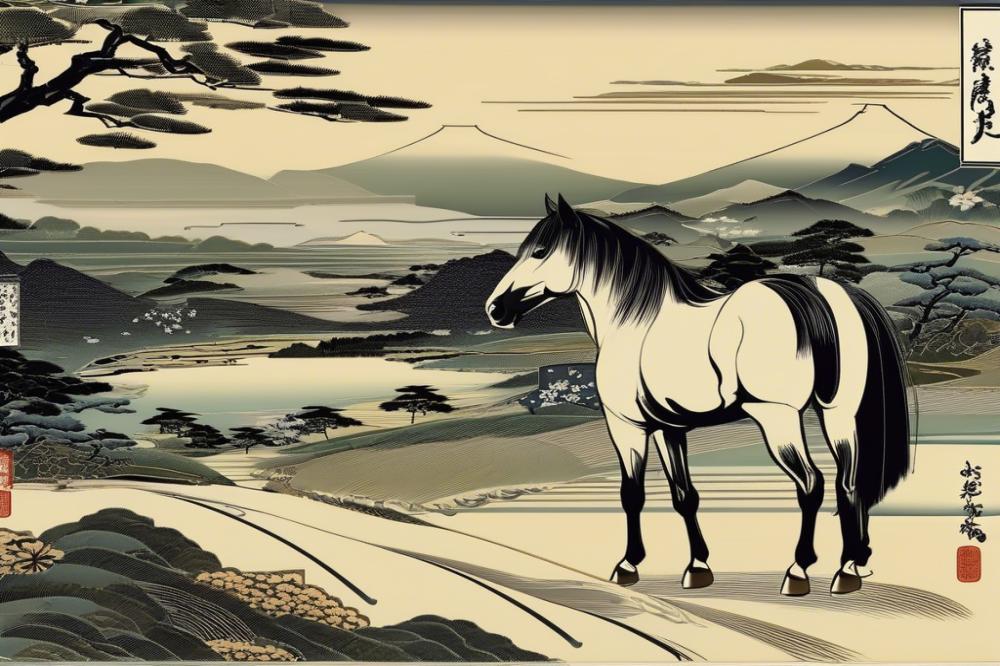
Horses played a crucial part in warfare during Japan’s feudal age. Warriors relied on them for mobility and speed. A well-timed charge could turn the tide of a battle. Maneuvering on horseback allowed for quick escapes or sudden attacks. Cavalry units often targeted enemy flanks, disrupting formations. Horses enabled warriors to strike from a distance before retreating to safety. Battlefield strategies frequently involved the use of mounted troops for surprise assaults. Commanders understood that control of the terrain was vital, and horses were key to successful movements.
Type of horses used by samurai and their breeding
The samurai preferred specific breeds for their needs. Horses like the Kiso and Noma were common. These animals were known for their strength and endurance. Breeders took careful steps to produce horses suitable for battle. Size and temperament mattered greatly; calm yet powerful steeds were ideal. Local breeders often maintained a close relationship with those in the region. This connection helped maintain high standards. Training began at an early age to prepare these horses for the rigors of war.
Horse riding skills and horsemanship in samurai training
Mastering the art of riding was vital for success in combat. Warriors spent years developing their skills. They trained not just in riding, but also in handling their mounts under stress. Precision was key—every movement mattered on the battlefield. Practices included charging, turning swiftly, and maintaining balance. Samurai engaged in competitions to showcase their abilities. These events provided valuable experience and demonstrated skill levels. Good horsemanship built trust between the rider and the horse, increasing effectiveness during skirmishes.
cultural significance of Horses in Samurai Life
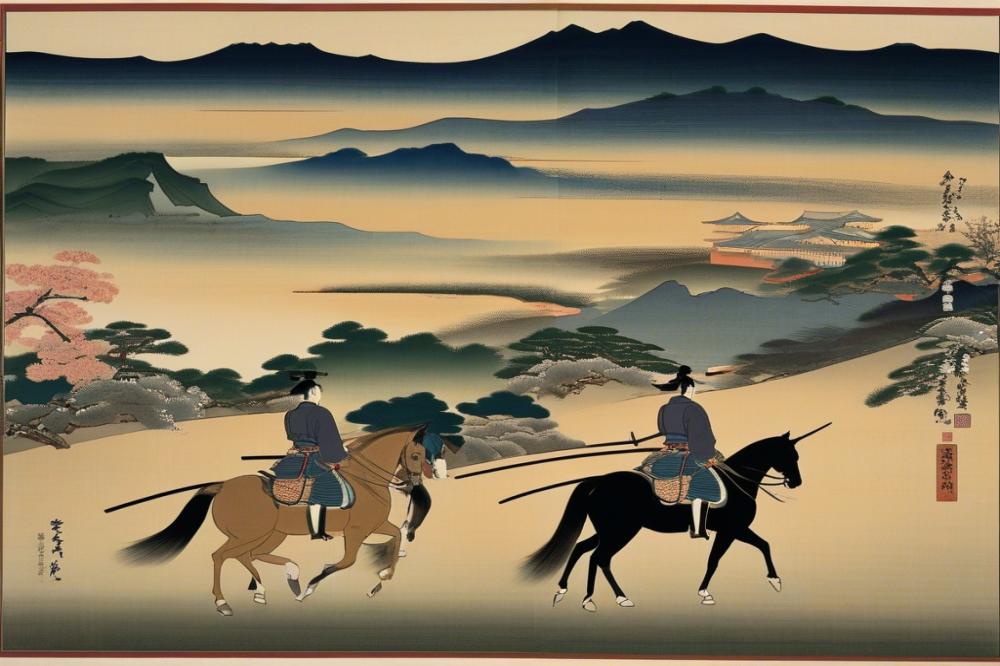
Horses held great importance in Japanese culture, especially among warriors. They symbolized loyalty and honor, traits that were highly valued. Riders often developed a deep bond with their steeds. This connection was seen as vital in battle and in life. Trust between horse and rider was essential.
Rituals and customs involving horses were prominent in samurai traditions. Special ceremonies marked the bond between horse and rider. During these events, warriors would present offerings to their horses. These acts reflected gratitude and respect. Such rituals were not just for practicality; they reinforced the spiritual connection that people felt.
The relationship between warriors and horses extended beyond the physical realm. Many believed that horses acted as spiritual guides. They were seen as protectors, carrying warriors into battles while safeguarding their souls. The bond often reflected deeper philosophical beliefs in honor and duty. This spirituality added further layers to their significance.
In sum, horses played a multifaceted role in the lives of warriors. They represented ideals that were core to the warrior’s identity. This connection shaped not just individual lives but the very culture of Japan during that era.
Horses as a Means of Transportation
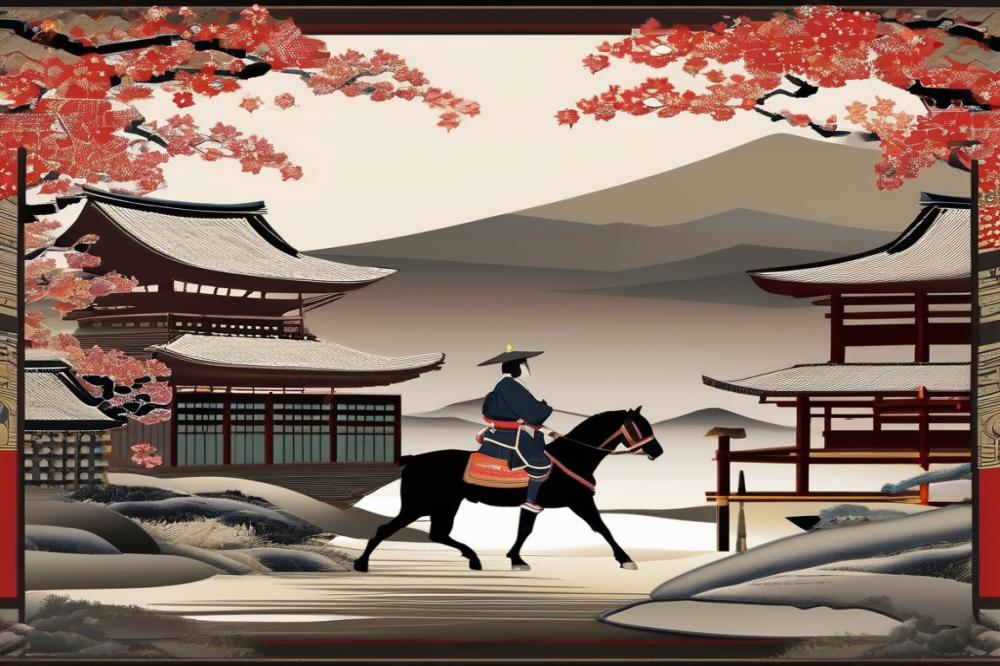
The role of horses in Japan was critical for movement and logistics. They were not just animals; they were essential tools for travel. Samurai relied heavily on their horses to traverse the vast terrains of Japan. Speed greatly mattered, especially during battles or when delivering important messages. A well-trained horse could make the difference between life and death.
Life for samurai often revolved around their steeds. Daily activities included riding to visit allies or inspect lands. Travel was simpler when one mounted a horse rather than walking. Roads could be long and treacherous, making a reliable horse invaluable. Journeys could span days, filled with the excitement of adventure or the tension of impending conflict.
Equestrian skills revealed a person’s traits. A samurai’s ability to handle a horse demonstrated discipline and strength. Riders with finesse often earned respect among peers. Clumsy or inexperienced riders could face mockery. Thus, horsemanship became a reflection of character within the warrior class.
In addition to serving practical purposes, horses fostered bonds between riders and their mounts. Knights took pride in training their horses for various terrains and tasks. The bond established through hours of riding could lead to unmatched teamwork in battle. Activities such as archery on horseback showcased both skill and connection.
The Legacy of Horses in Samurai Culture
Impact of Samurai Horsemanship on Modern Japanese Culture
Horsemanship played a key role in the lives of warriors in feudal Japan. Skills acquired in the saddle were crucial for combat. Today, these skills influence various aspects of Japanese culture. Equestrian arts are celebrated in festivals and performances. They remind people of the past and its connection to the present.
Modern sports continue to be enriched by this legacy. Events like horse racing attract large crowds. Fans appreciate the beauty and speed of the horses. Riding schools teach traditional styles alongside contemporary methods. Participants learn not just techniques but history as well.
Preservation of Equestrian Traditions in Contemporary Japan
Traditions surrounding horses endure in today’s society. Some communities still host traditional horse festivals. During these events, people honor the bond between horses and humans. Additionally, there are equestrian clubs that focus on training and education. These organizations often aim to strengthen connections to the past.
Moreover, Japan’s mounted archery remains a fascinating sight. Known as Yabusame, it highlights the skillful integration of riding and archery. Demonstrations of these events draw spectators. Enthusiasts gather to witness the art of horsemanship as it once was. This preservation is a testament to the respect for history.
Reflections on the cultural significance of Horses Today
In contemporary Japan, horses symbolize strength and loyalty. They evoke memories of Japan’s rich history, crafted over centuries. Artistic representations of horses appear in paintings and literature. Many people admire the grace and power of these animals.
In urban areas, riding has become a means of relaxation and therapy. Equine therapy programs serve to help individuals recover from various challenges. People find comfort and joy in interactions with horses. Such experiences reflect ongoing cultural values.
Connecting with horses goes beyond mere recreation. It fosters a sense of community among riders. Conversations often blossom over mutual interests. As Japan evolves, so does the meaning of horses within society. Their legacy continues to influence the nation in diverse ways.
Wrapping Up the Connection Between Horses and Samurai Culture
Horses played a multifaceted role in the life of the samurai, acting as both companions and essential tools of warfare. They were not just beasts of burden; these animals embodied loyalty, strength, and grace. For the warriors, a horse was a partner in battle, providing speed and agility on the battlefield. Beyond combat, the animals were revered in Japanese culture and reflected the values of honor and dedication that the samurai held dear.
The bond between the samurai and their horses goes beyond mere practicality. This relationship exemplifies a deeper connection to nature and life. Through training and care, a samurai would develop a strong, mutual bond with his steed. This equestrianism was an art form, showcasing not only skills in riding but also the harmonious relationship between man and horse. Such bonds were a testament to their respect for all living beings.
Reflecting on this historical relationship reminds us of the lasting legacy of the samurai. Even today, their ethos resonates in modern Japan. The images of samurai on horseback remain powerful symbols of bravery and honor. They invite us to consider how humans interact with animals and the importance of these connections throughout history.
Understanding the ties between horses and warriors enriches our appreciation for both Japanese culture and the role animals play in our lives. Recognizing these relationships helps us comprehend broader themes of loyalty, teamwork, and respect. As we look at the past, we find lessons that can guide us in our modern lives. Such thoughts inspire us to honor and appreciate the complexities of our bonds with animals.

